Ataşehir Mah. Feza Sk. No:3 İstanbul / Türkiye
 English
Introduction
Hair loss can begin at almost any age, and many people start looking into treatment early. A common question is whether a patient is the right age for surgery. There is no single ideal hair transplant age that applies to everyone. However, age does affect how predictable hair loss is and how a surgeon plans treatment. This guide explains why surgeons are cautious with younger patients and whether older patients qualify. It also covers the factors that matter more than age alone when assessing suitability.
Why Hair Transplant Age Matters
Age matters because hair loss often continues to progress over many years. A surgeon needs to plan a hairline that will still look natural with age. In younger patients, it is difficult to predict how much more hair will be lost. Transplanting too early may leave gaps if surrounding hair continues to thin. Surgery also relies on a limited supply of donor hair from the back and sides. Using this supply wisely over a lifetime is an important part of planning. Once donor hair has been used, it cannot be replaced or regrown in the same area.
How Surgery Works at Any Hair Transplant Age
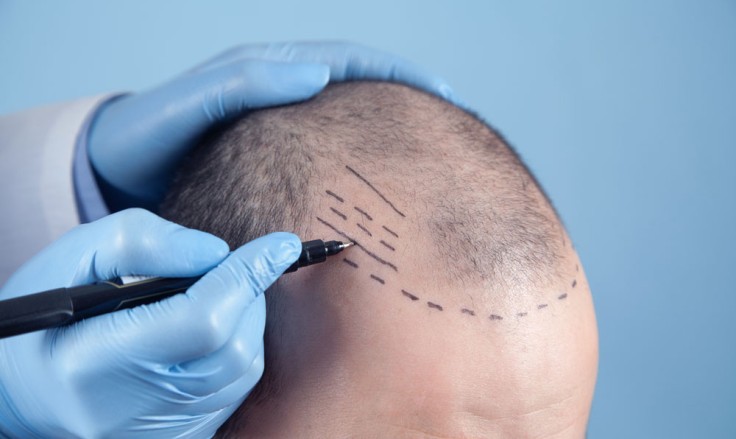
A hair transplant moves healthy follicles from a donor area to thinning or bald areas. The donor area is usually the back of the scalp, where hair resists loss. Direct hair implantation, known as DHI, places individual follicles using a specialised implanter tool. This allows the surgeon to control the angle, depth and direction of each hair. Transplanted hair usually begins to grow after three to four months. Full results are often seen after twelve to eighteen months. The procedure is usually performed under local anaesthesia and can take several hours to complete. Most patients return to desk-based work within a few days to one week.
Can You Be Too Young for a Hair Transplant?
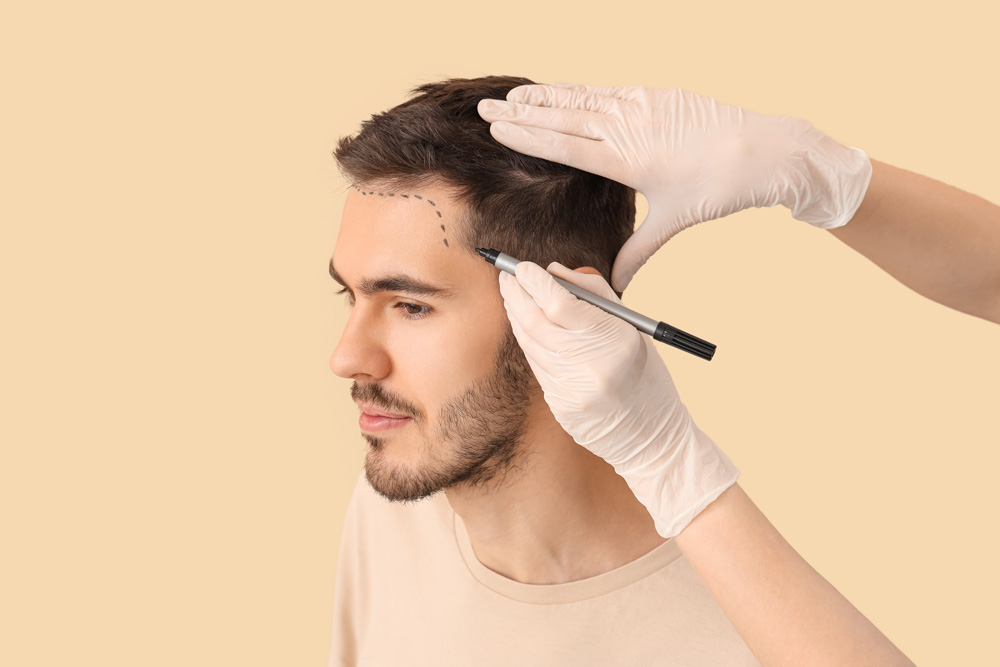
Many surgeons are cautious about hair transplants in the late teens or early twenties. Hair loss at this stage is often unpredictable and may still be progressing quickly. A common guideline is to wait until the mid-twenties before considering surgery. By this age, the pattern of hair loss is usually clearer and easier to plan around. Younger patients may also have high expectations, such as restoring a very low, teenage hairline. A surgeon must balance these expectations with what will look natural in later life. Some surgeons will consider younger patients with stable hair loss and realistic goals. Each case is assessed individually rather than by age alone. The surgeon may suggest a conservative hairline that can be adjusted later if needed. Family history can also help predict how hair loss may progress over time. Patients with close relatives who lost hair early may need more careful long-term planning.
Hair Transplant Age: Alternatives for Younger Patients
For younger patients, non-surgical treatments are often recommended first. These can help to slow hair loss and preserve existing hair while the pattern becomes clearer.
Common options include the following:
- Prescribed medication to slow or stabilise hair loss
- Topical treatments applied directly to the scalp
- Platelet-rich plasma, known as PRP, to support thinning hair
- Lifestyle changes, such as improving diet and managing stress
Starting medical treatment early can protect hair and may improve any future transplant. Many younger patients find that medication stabilises their hair loss for several years. Regular reviews with a specialist help track whether hair loss is slowing, stable or progressing. Photographs taken every six to twelve months make changes easier to measure objectively. This information helps the surgeon judge when surgery is likely to give a lasting result.
Can You Be Too Old for a Hair Transplant?
There is no strict upper hair transplant age for healthy patients. Many people in their fifties, sixties and beyond have successful hair transplant surgery. For older patients, hair loss is often more stable, which can make planning more predictable. The surgeon can design a hairline that suits the patient's age and facial features. However, older patients may have thinner donor hair or a smaller supply of healthy follicles. Their general health and any medical conditions must also be considered carefully before surgery. Conditions such as diabetes or heart disease may need review by the patient's doctor first. A mature, slightly higher hairline usually looks more natural in older patients. Many older patients prefer to focus on adding density rather than lowering the hairline significantly.
Factors That Matter More Than Age
Age is only one part of the assessment for hair transplant surgery. Several other factors often matter more when deciding whether a patient is suitable.
Key factors include the following:
- The quality and density of hair in the donor area
- The pattern and stability of hair loss
- The size of the area that needs to be treated
- General health and any medical conditions
- Realistic expectations about the final result
A thirty-year-old with poor donor hair may be less suitable than a healthy sixty-year-old.
Hair Transplant Age Guide at a Glance
The table below summarises general considerations at different ages. These are general patterns, and every patient is assessed individually.
| Age Group | Common Considerations | Typical Approach |
| Under 25 | Hair loss often unpredictable and progressing | Medical treatment first, surgery considered cautiously |
| 25 to 40 | Pattern usually clearer | Surgery often considered alongside medication |
| 40 to 60 | Hair loss often more stable | Surgery commonly suitable with good donor hair |
| Over 60 | Donor hair and health assessed carefully | Surgery possible for healthy patients |
Hair Transplant Age and Planning for the Future
Good planning considers how the patient's hair will look in ten or twenty years. A surgeon will design a hairline that suits the face now and as the patient ages. The surgeon may also advise saving some donor hair for possible future procedures. This is especially important for younger patients whose hair loss may continue. Continuing medical treatment after surgery can help to protect native hair.
Conclusion
There is no single ideal hair transplant age, but many surgeons prefer the mid-twenties onwards. Younger patients often benefit from medical treatment first. Healthy older patients can still achieve good results. Donor hair quality, hair loss stability and realistic goals often matter more than age. A specialist consultation is the best way to find out whether surgery suits you now.
Explore more about hair transplants at ACIBADEM Beauty Center to learn more about DHI hair transplant age.
Frequently Asked Questions
Many surgeons consider the mid-twenties onwards a suitable time to start. By then, the pattern of hair loss is usually clearer. However, each patient is assessed individually.
Some surgeons may consider a transplant at this age in specific cases. However, many prefer to start with medical treatment first. Hair loss at this age is often unpredictable.
There is no strict upper age limit for healthy patients. Donor hair quality and general health are assessed carefully. Many older patients have successful results.
Age can affect donor hair quality and the design of the hairline. However, good results are possible at many ages. Careful planning is more important than age alone.
Many surgeons recommend continuing medication after surgery. It can help to protect existing hair that has not been transplanted. Your surgeon will advise based on your hair loss pattern.