Ataşehir Mah. Feza Sk. No:3 İstanbul / Türkiye
 English
Introduction
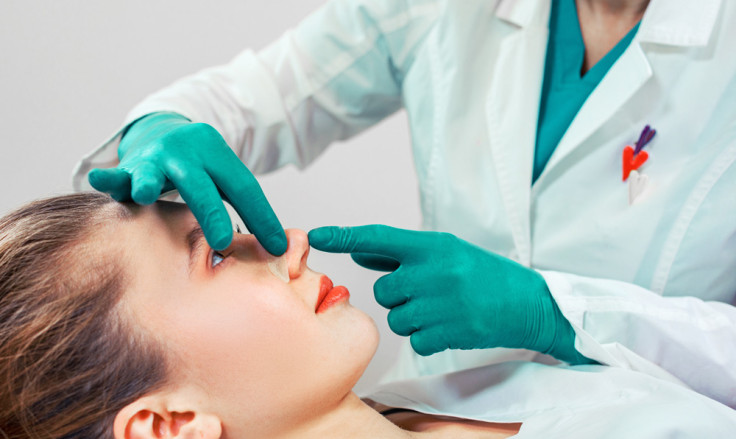
Some people notice that the tip of their nose moves downwards when they smile. This can make the nose look longer and change the appearance of the smile. A droopy nose tip when smiling is usually caused by a small muscle beneath the nose. It can also be linked to weak tip support or changes that come with age. This guide explains why the nose tip droops when smiling and how it can be treated. It covers non-surgical and surgical options, recovery and what results to expect.
What Causes a Droopy Nose Tip When Smiling?
The most common cause is a muscle called the depressor septi nasi. This small muscle sits beneath the nose and pulls the tip downwards during certain expressions. When the muscle is strong or overactive, the tip moves noticeably when a person smiles. Some people also notice that the upper lip shortens or a crease forms beneath the nose. Other factors can also contribute to a droopy nose tip. These include weak cartilage support, a long nose and age-related tissue loosening.
How the Movement Affects the Face
A droopy nose tip can make the nose look longer and more prominent when smiling. It can also create a slight hooked appearance in profile, even when the nose looks straight at rest. Some people feel it makes their smile look less balanced or less natural. The movement is often most noticeable in photographs and in side profile. Video calls and selfies have made many people more aware of how their nose moves. Many people only notice it when they see themselves smiling in pictures or videos. For some patients, the concern is purely cosmetic and only affects confidence when smiling. For others, it is part of a wider wish to refine the shape of the nose. Understanding the main cause helps the specialist recommend the most effective treatment.
How Ageing Affects the Nasal Tip
The nose continues to change shape throughout life. As people age, the supportive tissues of the nasal tip can weaken and stretch. This can cause the tip to drop gradually, even at rest. Many older patients notice that the nose looks longer than it did in earlier photographs. In these cases, surgery may lift the tip and shorten the nose slightly to restore balance. Non-surgical options are usually less effective when the main cause is weak tip support. A tip that already droops when smiling may become more noticeable over time. Age-related drooping is usually treated by strengthening tip support rather than relaxing muscles alone.
Non-Surgical Treatment for a Droopy Nose Tip
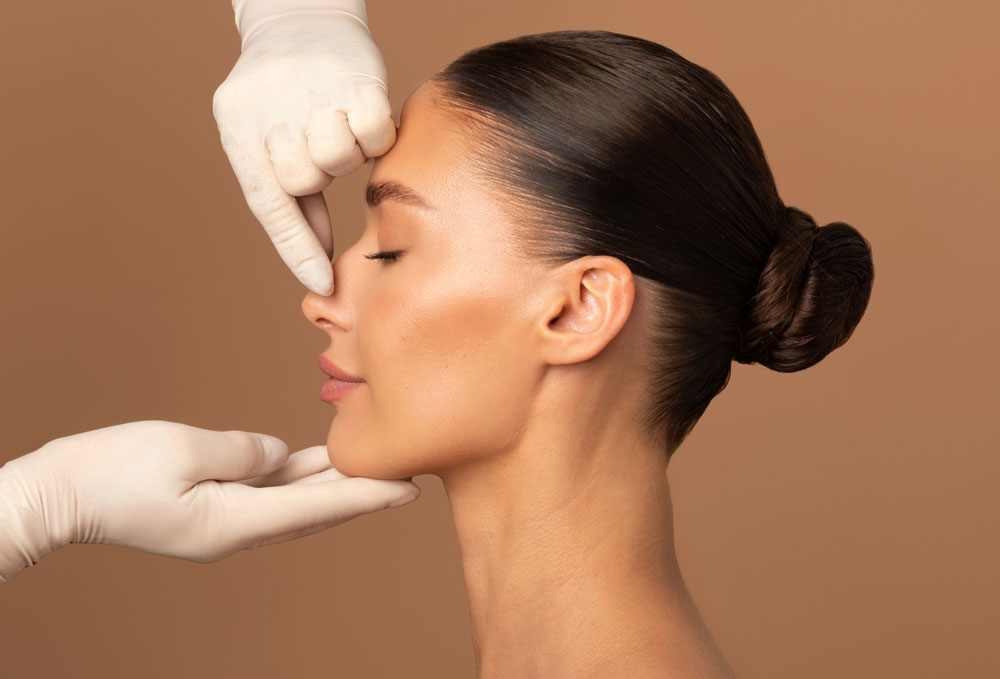
For many patients, a droopy nose tip when smiling can be improved without surgery. The most common option is an anti-wrinkle injection into the depressor septi nasi muscle. The injection relaxes the muscle so that it pulls the tip down less when smiling. Treatment is quick, usually takes a few minutes and involves little or no downtime. Results usually appear within a few days and last around three to four months. Treatment can be repeated to maintain the effect over time. Some patients use injections first to see how their smile looks before deciding on surgery. Some practitioners use small amounts of filler to support the tip or improve its angle. This approach is temporary and requires careful technique because of the area's blood supply.
Surgical Treatment for a Droopy Nose Tip
When non-surgical treatment is not enough, surgery may be recommended. Rhinoplasty can address a droopy nose tip by changing both the muscle and the tip structure. During surgery, the surgeon may release or reposition the depressor septi nasi muscle. This reduces how much it pulls the tip down when smiling. The surgeon may also strengthen the tip using cartilage grafts or stitches. This helps the tip hold its position more firmly, both at rest and during expressions. Surgical correction is often performed as part of a wider rhinoplasty.
Droopy Nose Tip: Comparing Treatment Options
The table below compares the main treatment options. Results and suitability vary between individual patients.
| Option | How It Works | Typical Downtime | Results Last |
| Anti-wrinkle injection | Relaxes the muscle that pulls the tip down | Little or none | Around 3 to 4 months |
| Filler | Supports the tip and improves its angle | 1 to 3 days | Around 9 to 12 months |
| Muscle release in rhinoplasty | Reduces muscle pull on the tip | 1 to 2 weeks | Long lasting |
| Tip support in rhinoplasty | Strengthens tip structure with grafts or stitches | 1 to 2 weeks | Long lasting |
Who Is Suitable for Droopy Nose Tip Treatment?
Suitability depends on the cause of the droopy nose tip and the patient's goals. A specialist will examine the nose at rest and while the patient smiles. Non-surgical treatment may suit patients whose main concern is movement when smiling. Surgery may suit patients who also want to change the nose's shape or length. General criteria for suitability usually include the following:
- Good general health with no active infections in the area
- Realistic expectations about what treatment can achieve
- For surgery, facial growth that is complete, usually from the late teens
- Non-smokers, or patients willing to stop before and after surgery
The specialist will also check for breathing problems that need treatment too.
Droopy Nose Tip Surgery: Recovery
Recovery after rhinoplasty to correct a droopy nose tip usually follows a familiar pattern. Swelling and bruising are common for the first one to two weeks. A nasal splint is usually worn for around one week after surgery. Most patients return to desk-based work after around one to two weeks. The smile may feel slightly stiff or unusual for a few weeks after the muscle has been released. This usually improves as swelling settles and the patient becomes used to the new movement. The tip may look swollen and slightly stiff for several months. The final result often takes up to a year to appear as swelling settles fully.
Conclusion
A droopy nose tip when smiling is usually caused by an overactive muscle beneath the nose. Anti-wrinkle injections can reduce the movement temporarily with little downtime. Rhinoplasty can offer a longer-lasting correction by releasing the muscle and strengthening tip support. A specialist consultation is the best way to find the right option for your nose.
Explore aesthetic treatments at ACIBADEM Beauty Center to learn more about droopy nose tip treatment.
Frequently Asked Questions
The nose tip often drops because of a small muscle beneath the nose. This muscle pulls the tip down during certain expressions. Weak tip support can make the movement more noticeable.
Yes, anti-wrinkle injections can relax the muscle that pulls the tip down. Results usually last around three to four months. Treatment can be repeated to maintain the effect.
Surgical correction is designed to give long-lasting results. The nose will still change naturally with age. Most patients keep a noticeable improvement for many years.
The supportive tissues of the nose can weaken with age. This can make the tip drop further over time. Tip support surgery can help to correct this.
Yes, a droopy nose tip is often corrected during rhinoplasty. The surgeon may release the muscle and strengthen the tip. This can be combined with other changes to the nose.