Ataşehir Mah. Feza Sk. No:3 İstanbul / Türkiye
 English

Introduction
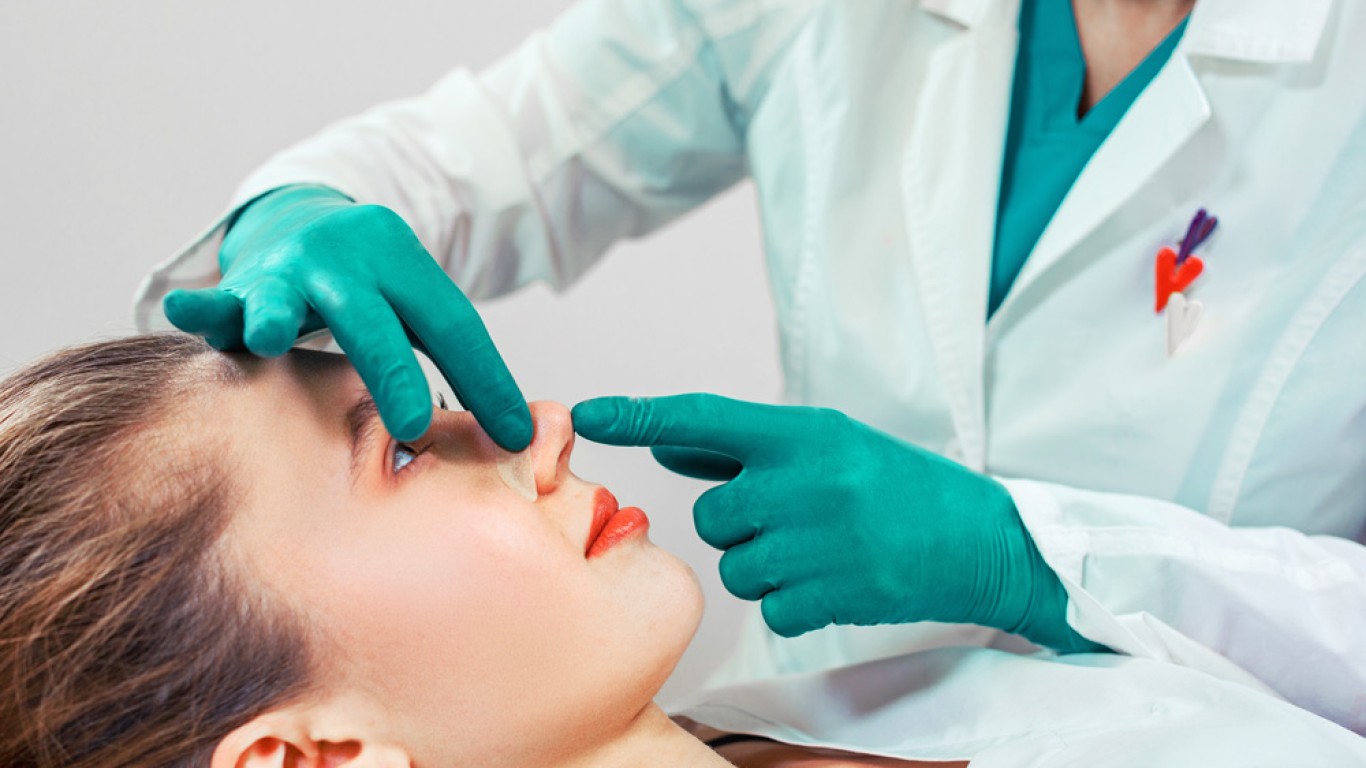
The tip of the nose has a strong influence on how the whole nose looks. A wide, rounded or droopy tip can make the nose appear larger than it is. Some patients like their nasal bridge and size but want to change only the tip. In these cases, surgery focused on the tip alone may be suitable. This surgery is known as tip plasty or tip rhinoplasty. This guide explains what tip plasty involves, who it suits and what recovery involves.
What Is Tip Plasty?
Tip plasty is nose surgery that reshapes only the lower part of the nose. It focuses on the cartilage and soft tissue of the nasal tip. The procedure does not usually involve breaking or reshaping the nasal bones. This is one of the main differences between tip plasty and full rhinoplasty. It can refine, narrow, lift or support the tip for better facial balance.
Common Concerns With the Nasal Tip
Tip plasty addresses a range of concerns with the shape and position of the tip. Common concerns include the following:
- A bulbous or rounded tip that looks wide or heavy
- A droopy tip that points downwards or drops when smiling
- An upturned tip that shows too much of the nostrils
- An asymmetrical tip that looks uneven from the front
- A tip that lacks definition or appears flat
Many patients also notice that a heavy tip makes the nose look longer in profile. A well-defined tip can make the whole nose look smaller, even without changing the bridge. The tip's shape comes mainly from the lower lateral cartilages, one on each side. Their size, angle and strength influence whether the tip looks narrow, wide, lifted or droopy.
Tip Plasty vs Full Rhinoplasty
The main difference between tip plasty and full rhinoplasty is the area treated. Tip plasty changes only the tip, while rhinoplasty can also change the bridge and width. Because tip plasty does not usually involve the nasal bones, recovery is often shorter. There is usually less bruising around the eyes than after full rhinoplasty. However, tip plasty cannot remove a bump on the bridge or straighten a crooked nose. Patients with these concerns usually need full rhinoplasty instead.
| Feature | Tip Plasty | Full Rhinoplasty |
| Area treated | Nasal tip only | Tip, bridge, width and length |
| Nasal bones reshaped | Usually not | Often yes |
| Typical surgery time | Around 1 to 2 hours | Around 2 to 3 hours |
| Bruising around eyes | Usually less | Often more |
| Typical return to work | Around 1 week | Around 1 to 2 weeks |

Tip Plasty: Who Is a Suitable Candidate?
Tip plasty may suit patients who are happy with the rest of their nose. It may also suit patients who want a smaller change than full rhinoplasty. A surgeon will assess the nose from the front, side and below. Suitable candidates for tip plasty usually share the following characteristics:
- A concern limited mainly to the shape or position of the tip
- Facial growth that is complete, usually from the late teens onwards
- Good general health with no active infections in the nose
- Non-smokers, or patients willing to stop before and after surgery
- Realistic expectations about what tip surgery can achieve
Thick nasal skin can hide fine refinements, so the change may be more subtle.
Surgical Techniques for the Tip
Surgeons use several techniques, depending on the tip's shape and the desired result. Cartilage reshaping is one of the most common techniques used during tip plasty surgery today. The surgeon may trim, fold or stitch the cartilage to narrow, refine or lift the tip. Tip support techniques strengthen the tip so that it holds its new position. These may involve small cartilage grafts taken from the septum or, less often, from the ear. For a droopy tip, the surgeon may release the muscle that pulls it down when smiling. This can help the tip stay in a better position during expressions.
Open and Closed Approaches
Tip plasty can be performed using an open or closed approach. The choice depends on the complexity of the changes and the surgeon's preference. In closed tip plasty, all incisions are made inside the nostrils. There is no visible external scar, and swelling may settle slightly faster than with open surgery. In open tip plasty, a small incision is made across the skin between the nostrils. This gives the surgeon a clearer view of the cartilage for more detailed changes. The scar usually fades well and becomes difficult to see over time.
What Happens During Surgery?
Tip plasty is usually performed under general anaesthesia or local anaesthesia with sedation. The procedure usually takes around one to two hours, depending on the techniques used. The surgeon reshapes the cartilage and soft tissue through the chosen incisions. The skin is then placed back over the new framework and closed with fine stitches. A small splint or tape usually supports the tip during early healing. Most patients go home on the same day, once they have recovered from the anaesthetic.
Tip Plasty: Recovery Timeline
Recovery after tip plasty is usually quicker than after full rhinoplasty. However, the tip can take longer to settle than other parts of the nose.
| Stage | What to Expect |
| Days 1 to 3 | Swelling, tenderness and a blocked feeling in the nose |
| Around day 7 | Splint or tape and external stitches are usually removed |
| Weeks 1 to 2 | Most visible swelling settles and many patients return to work |
| Weeks 3 to 6 | Strenuous exercise can often resume with approval |
| Months 6 to 12 | Tip swelling continues to settle and definition improves |
Patients should avoid blowing the nose and sleep with the head raised for a week. Glasses can usually be worn normally, as the bridge is not affected.
Conclusion
Tip plasty is nose surgery focused on reshaping the tip without changing the bridge. It can refine a bulbous, droopy, wide or uneven tip with a shorter recovery than full rhinoplasty. The final result usually becomes clear after around twelve months. A specialist consultation is the best way to find out whether tip plasty suits your nose. Additionally, the procedure can improve facial harmony while preserving the nose's natural characteristics. Choosing the right surgical technique is essential for achieving balanced results that complement your features. Although initial improvements appear relatively quickly, patience during recovery is important for optimal outcomes. Following your surgeon's aftercare instructions also supports healing and helps maintain the new tip shape. Ultimately, tip plasty offers a targeted approach for patients seeking subtle nasal refinement without more extensive changes to their overall appearance.
Explore aesthetic surgery options at ACIBADEM Beauty Center to learn more about nose reshaping.
Frequently Asked Questions
Tip plasty is usually less invasive because it does not involve the nasal bones. Recovery is often shorter, with less bruising. It only changes the tip of the nose.
Yes, tip plasty can lift and support a droopy tip. The surgeon may also release the muscle that pulls the tip down. This helps the tip stay in place when smiling.
Closed tip plasty leaves no visible external scar. Open tip plasty leaves a small scar between the nostrils. This scar usually fades well over time.
Most visible swelling settles within a few weeks. Minor tip swelling can last up to a year. Thick skin may take longer to settle fully.
Tip plasty can make the nose look smaller by refining the tip. It does not change the bridge or nasal bones. Full rhinoplasty is needed for larger changes.