Ataşehir Mah. Feza Sk. No:3 İstanbul / Türkiye
 English
Introduction
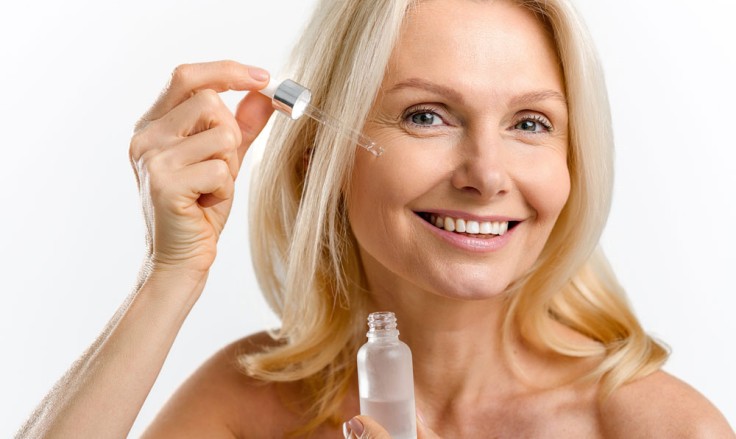
Many women want to look refreshed and well rested without undergoing surgery. Non-surgical anti-ageing for women can soften lines, restore volume and improve skin quality with little downtime. These treatments are often quick, involve little recovery and can be combined over time. Many women start with one treatment and build a gradual plan as their skin changes. This guide explains five popular options for non-surgical anti-ageing for women. It covers how each treatment works, who it suits and how long results usually last.
How Ageing Affects Women's Skin
Several changes happen in the skin and face as women age. Collagen and elastin decline, which makes the skin thinner and less firm. Fat pads in the face also shrink and move downwards, which can create hollows and folds. Repeated facial expressions gradually form lines on the forehead, around the eyes and between the brows. Hormonal changes around menopause can speed up collagen loss for many women. Sun exposure, smoking and lifestyle habits can also affect how quickly the skin ages. Because ageing affects the face in several ways, different treatments are used for different concerns. A practitioner will usually identify which changes are most visible before suggesting a treatment plan.
Non-Surgical Anti-Ageing for Women: 1. Anti-Wrinkle Injections
Anti-wrinkle injections are among the most widely used anti-ageing treatments for women. They relax specific facial muscles to soften lines caused by repeated movement. Common treatment areas include the forehead, frown lines between the brows and crow's feet. Some practitioners also treat neck bands or lines around the mouth. Treatment usually takes around fifteen minutes and involves little or no downtime. Results appear within a few days and usually last around three to four months. A conservative approach keeps natural movement and avoids a frozen or overly smooth appearance. Many women repeat treatment regularly to keep lines soft and prevent them from deepening over time.
Non-Surgical Anti-Ageing for Women: 2. Dermal Fillers
Dermal fillers restore volume that is lost with age and soften deeper folds. Most fillers are made from hyaluronic acid, a substance found naturally in the skin. Popular treatment areas include the cheeks, temples, under-eye hollows, lips and jawline. Filler can also soften the folds that run from the nose to the corners of the mouth. Results are visible straight away and usually last around nine to eighteen months. Mild swelling and bruising are common for a few days after treatment. Hyaluronic acid fillers can usually be dissolved if the result needs adjusting. Small, gradual amounts often give the most natural result, especially in the cheeks and under the eyes.
Non-Surgical Anti-Ageing for Women: 3. Skin Boosters and Regenerative Treatments
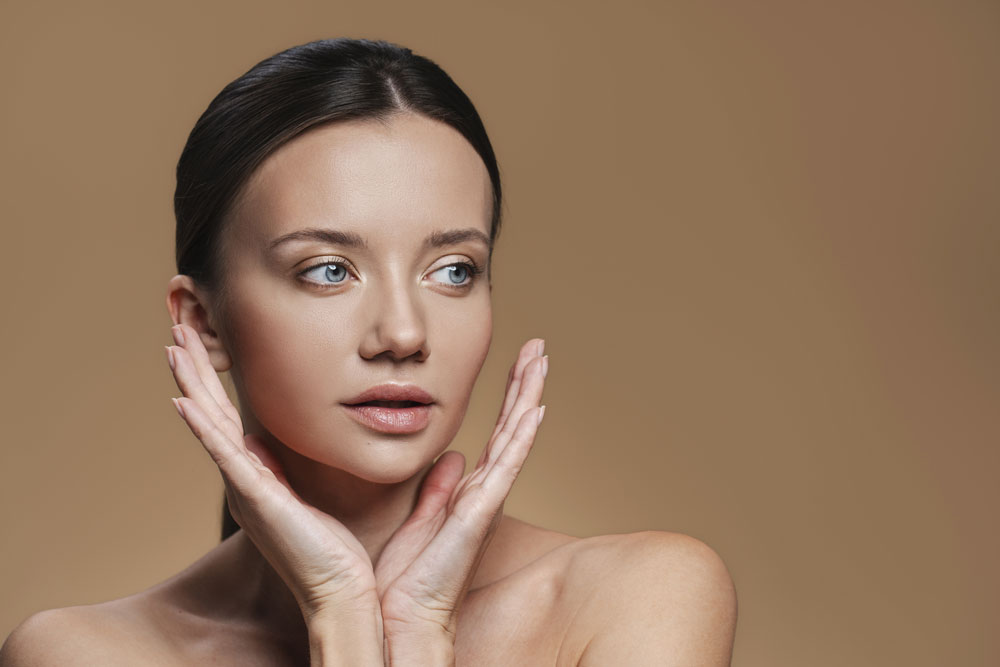
Skin boosters improve hydration, texture and overall skin quality rather than changing facial shape. They are usually based on hyaluronic acid injected in small amounts across the skin. Regenerative treatments, such as polynucleotides and platelet-rich plasma, aim to support the skin's natural repair. They may help with fine lines, dullness and thin skin, particularly under the eyes. Most of these treatments are carried out as a course of two to four sessions. Sessions are usually spaced several weeks apart to allow the skin to respond. Results are gradual and subtle, with skin looking more radiant and hydrated over time.
Non-Surgical Anti-Ageing for Women: 4. Skin Tightening Treatments
Skin tightening treatments stimulate collagen to improve firmness along the jawline, neck and lower face. Common options include high-intensity focused ultrasound, known as HIFU, and radiofrequency. HIFU uses focused ultrasound energy to heat deeper layers beneath the skin. Results develop over two to three months and often last around twelve to eighteen months. Radiofrequency uses controlled heat and is usually carried out as a course of sessions. Radiofrequency microneedling combines heat with fine needles for a deeper effect. These treatments suit women with mild to moderate laxity who are not ready for surgery. Maintenance sessions once or twice a year can help to sustain the improvement in firmness.
Non-Surgical Anti-Ageing for Women: 5. Chemical Peels and Laser Resurfacing
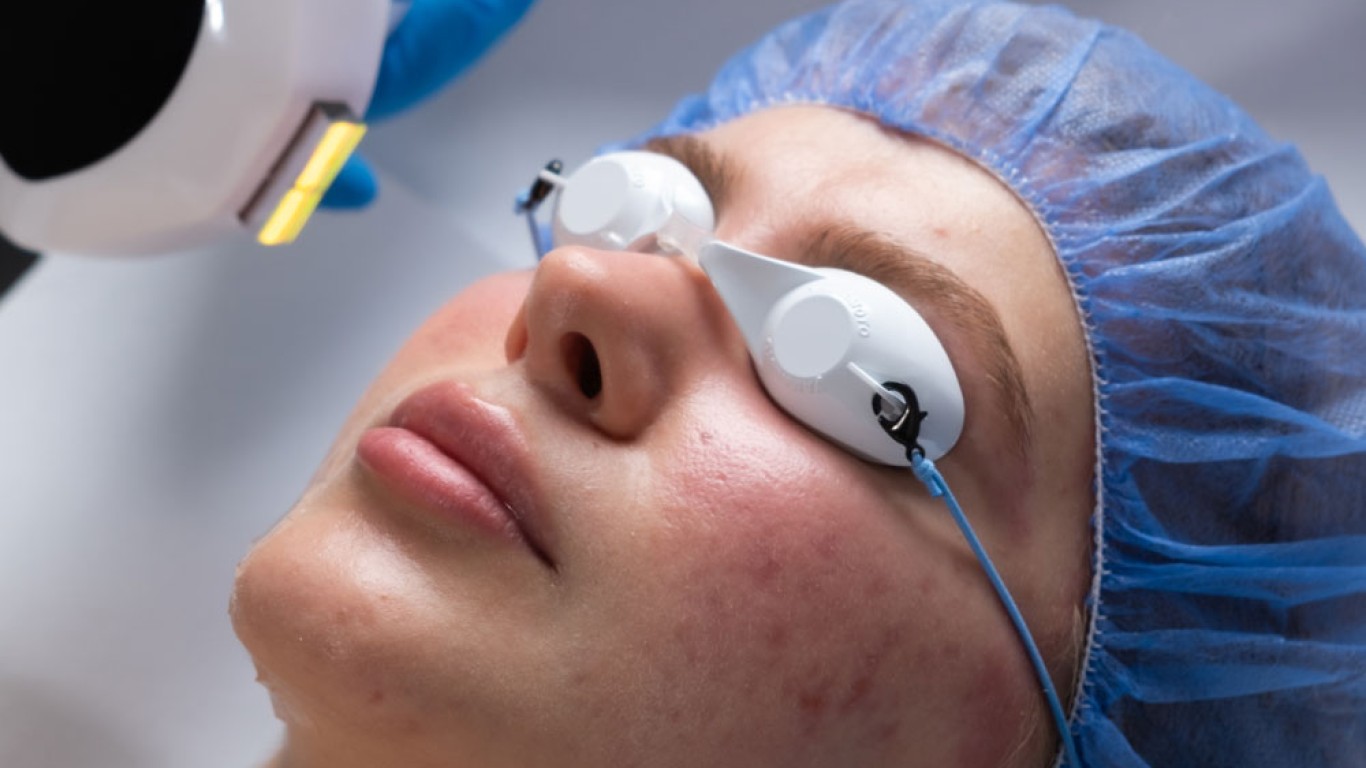
Chemical peels and laser resurfacing improve skin tone, texture and fine lines. They work by removing damaged outer layers of skin and stimulating new collagen. Light chemical peels need little downtime and are usually repeated as a course. Medium peels and laser resurfacing give stronger results but involve several days of recovery. These treatments can also improve pigmentation, such as sun spots and uneven tone. Daily sun protection is essential afterwards, as new skin is more sensitive to sunlight. Many women schedule peels and laser treatments in autumn and winter, when sun exposure is lower. This makes aftercare easier to manage and reduces the risk of pigment changes.
Non-Surgical Anti-Ageing for Women: Comparing the Five Treatments
The table below compares the five treatments by main concern, downtime and how long results usually last. Figures are typical ranges and vary between individual patients.
| Treatment | Main Concern | Typical Downtime | Results Last |
| Anti-wrinkle injections | Expression lines | Little or none | Around 3 to 4 months |
| Dermal fillers | Volume loss and folds | 1 to 3 days | Around 9 to 18 months |
| Skin boosters | Hydration and skin quality | 1 to 2 days | Around 6 to 12 months |
| HIFU and radiofrequency | Mild laxity | Little or none | Around 6 to 18 months |
| Chemical peels and lasers | Tone, texture and fine lines | 0 to 10 days | Varies by treatment |
Combining Treatments for Natural Results
Many women benefit from combining several treatments rather than relying on one alone. Each treatment addresses a different sign of ageing, so combinations can give a more balanced result. For example, anti-wrinkle injections can soften lines while filler restores volume. Skin boosters or peels can then improve skin quality across the whole face. A practitioner will plan the order and timing of treatments to keep the skin comfortable. Spacing treatments over several weeks can reduce downtime and help results look natural.
Conclusion
Non-surgical anti-ageing for women includes anti-wrinkle injections, fillers, skin boosters, skin tightening and peels. Each treatment targets a different sign of ageing, and many women combine them over time. Results are temporary, so maintenance treatments help to keep the skin looking refreshed. A personal consultation is the best way to build a plan that suits your skin and goals. Additionally, choosing treatments gradually allows you to maintain natural facial expressions while addressing changing skin concerns. Combining professional treatments with consistent skincare and sun protection can also improve long-term results. With the right approach, non-surgical anti-ageing for women offers a flexible way to maintain healthier-looking skin without invasive surgery. Ultimately, non-surgical anti-ageing for women is about enhancing natural beauty while maintaining confidence at every stage of life.
Explore skin treatments at ACIBADEM Beauty Center to learn more about non-surgical anti-ageing for women.
Frequently Asked Questions
There is no single most effective treatment for everyone. Anti-wrinkle injections suit expression lines, while fillers restore lost volume. The best choice depends on your main concern.
Many women begin in their late twenties or thirties. However, there is no single right age to start. A practitioner can advise whether treatment is suitable.
Non-surgical treatments can soften signs of ageing and delay the need for surgery. However, they cannot replace a facelift for significant sagging. A surgeon can advise when surgery may help.
Most treatments involve mild discomfort rather than pain. Numbing cream is often used to keep treatment comfortable. Any discomfort usually settles quickly.
This depends on the treatment chosen. Anti-wrinkle injections are often repeated every three to four months. Fillers and skin tightening are usually repeated less often.