Ataşehir Mah. Feza Sk. No:3 İstanbul / Türkiye
 French
  English
  German
  Spanish
Introduction
The neck is one of the first areas to show visible signs of ageing. Skin laxity, fine lines and loss of definition can affect the transition between the jawline and neck. Many individuals seek treatments to restore a smoother and more youthful neck contour. Non-surgical neck lifts have become a popular option for those seeking improvement without surgery. Surgical neck lift procedures offer more comprehensive results for advanced laxity. Understanding how these two approaches compare helps patients select the most suitable treatment for their concerns and goals.
What Is a Non-Surgical Neck Lift?
A non-surgical neck lift uses minimally invasive technologies to improve neck contour without incisions. Common techniques include radiofrequency, ultrasound-based devices and injectable treatments. These methods stimulate collagen production, tighten skin and reduce mild fat deposits. This approach is typically suited for patients with early signs of ageing in the neck area. The treatment does not require general anaesthesia or hospital admission. Sessions are usually performed in a clinical setting. Results develop gradually as collagen remodelling occurs over the following weeks and months.
How a Non-Surgical Neck Lift Works
Non-surgical neck lift treatments deliver energy beneath the skin surface to stimulate tissue response. Radiofrequency devices heat the deeper skin layers to encourage collagen contraction and renewal. Ultrasound technology targets specific tissue depths with focused energy for firming effects. Injectable treatments may dissolve small fat deposits or add structural support along the jawline. Treatment combines one or more of these approaches depending on patient anatomy. Treatment plans are personalised during consultation. The gradual nature of results means changes appear natural rather than sudden.
What Surgical Neck Lift Involves
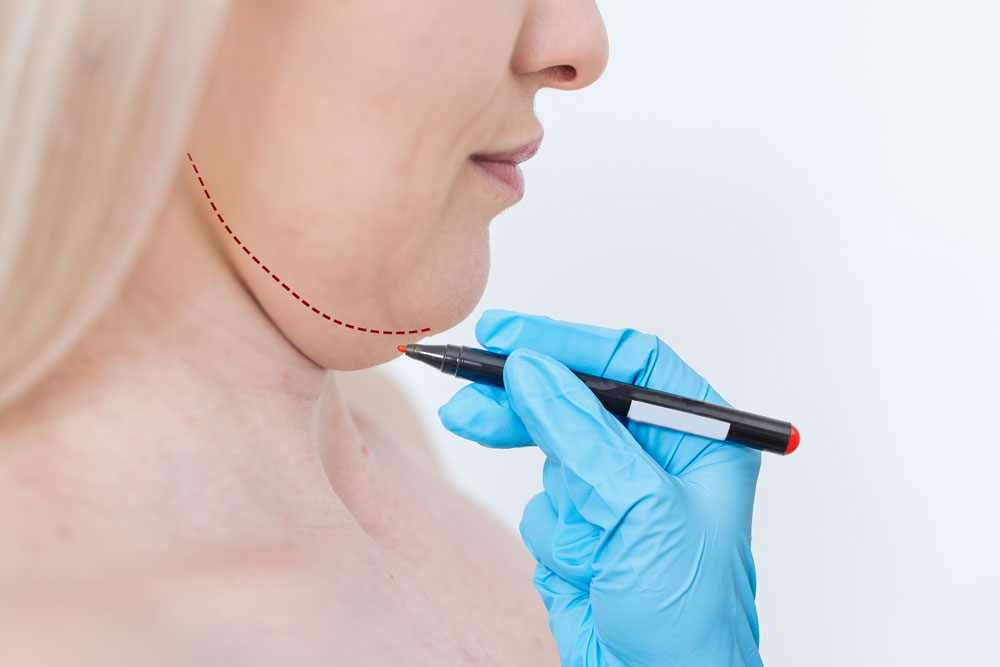
A surgical neck lift, also known as platysmaplasty, addresses moderate to advanced neck laxity through incisions and tissue repositioning. The procedure typically involves tightening the platysma muscle beneath the skin. Excess skin is removed and the remaining tissue is repositioned for a smoother contour. Surgical treatment provides more dramatic and immediate structural improvement than a non-surgical neck lift. The procedure is performed under general anaesthesia in a hospital or surgical facility. Recovery involves a longer healing period. Surgical approaches are recommended when non-surgical methods cannot achieve sufficient improvement.
Non-Surgical Neck Lift vs Surgery: Results Comparison
The two approaches produce different levels of improvement. Non-surgical treatment delivers subtle tightening and gradual contour enhancement. Results suit patients with mild laxity or early ageing signs. Surgical neck lift produces more comprehensive structural change. It addresses significant skin excess and muscle laxity that non-surgical treatments cannot fully correct. The choice depends on the severity of the concern and the patient's goals. Patients with moderate to advanced laxity generally achieve better outcomes from surgery. Those with early changes may find a non-surgical neck lift provides sufficient refinement.
Non-Surgical Neck Lift Recovery Compared to Surgery
Recovery differs significantly between the two approaches. A non-surgical neck lift typically involves minimal downtime. Most patients return to daily activities within one to two days. Mild redness or swelling may occur but resolves quickly. Surgical recovery requires more time. Patients may experience swelling and bruising for several weeks. Compression garments support healing after surgery. Most surgical patients return to daily routines within two to three weeks. The shorter recovery period appeals to patients with busy schedules who prefer minimal disruption.
How Long Results Last
Result longevity varies between the two treatment types. Non-surgical treatment produces results that may last one to three years depending on the technique used and individual skin quality. Maintenance sessions can extend the benefit over time. Surgical neck lift results typically last much longer. Many patients enjoy improvement for 7-10 years or more depending on lifestyle and ageing patterns. The permanence of surgical results reflects the structural changes made during the procedure. Non-surgical approaches require periodic treatment to maintain the tightening effect.
Who Should Consider Non-Surgical Treatment?
This approach is generally suited for patients with mild neck laxity and early contour changes. Individuals who prefer to avoid surgery may find this approach appealing. It suits patients seeking gradual and subtle improvement without incisions. Good skin elasticity supports better results from non-surgical treatment. A non-surgical neck lift also works well as a maintenance treatment following previous surgical procedures. Candidates should have realistic expectations about what non-surgical methods can achieve. Consultation helps determine whether this approach will provide satisfactory improvement.
Who Should Consider Surgical Neck Lift?
Surgical treatment may be more appropriate for patients with significant skin excess or muscle laxity. Individuals who have lost a considerable amount of weight may benefit from surgical contouring. Advanced ageing changes that affect the jawline and neck structure often respond better to surgery. A non-surgical neck lift may not provide sufficient correction in these cases. Surgical candidates should be in good general health and maintain stable body weight. A thorough consultation evaluates neck anatomy and helps determine whether surgery is the most appropriate option.
Combining Non-Surgical Neck Lift with Other Treatments
Some patients combine a non-surgical neck lift with complementary procedures for enhanced results. Injectable treatments can add definition along the jawline while energy-based devices tighten the neck skin. Chin enhancement may also be considered if chin projection affects the neck profile. Combining treatments allows specialists to address multiple concerns in a coordinated plan. This approach can produce more balanced improvements than a single treatment alone. Treatment planning is always individualised based on assessment during the consultation stage.
The Role of Skin Quality in Treatment Outcomes
Skin quality influences outcomes for both surgical and non-surgical approaches. Patients with stronger collagen networks tend to experience better results. A non-surgical neck lift relies on the skin's ability to respond to collagen stimulation. Younger patients generally respond more predictably to non-surgical methods. Reduced elasticity may limit improvement from non-invasive techniques alone. Skin quality assessment forms an essential part of the consultation process. Understanding individual skin characteristics helps specialists recommend the most effective treatment approach.
Making the Right Choice For You
Choosing between a non-surgical neck lift and surgical treatment depends on several important factors. The severity of laxity, individual goals and recovery preferences all play a significant role in the decision. Patients seeking subtle improvement with minimal downtime often prefer non-surgical options for their convenience. Those with more advanced concerns may benefit from the comprehensive and lasting results of surgery. A professional consultation evaluates anatomy and recommends the most appropriate approach for each individual. Both options can improve neck contour and restore a more youthful appearance when selected carefully.
Maintaining Results After Treatment
Maintaining neck contour improvements depends on long-term habits regardless of which treatment approach is chosen. Balanced nutrition and regular hydration support skin health and elasticity in the treated area over time. Sun protection helps preserve collagen and prevents premature ageing of the neck skin. Avoiding smoking supports better skin quality and slower ageing overall. A non-surgical neck lift may require periodic maintenance sessions to sustain results long term. Surgical results are more durable but still benefit from consistent skincare routines and healthy living. Patients who invest in ongoing care typically enjoy their improved contour for longer.
What to Expect During Consultation
A thorough consultation is essential before choosing between non-surgical and surgical treatment. Specialists evaluate neck anatomy, skin elasticity and the degree of laxity present during this assessment. Digital imaging may be used to demonstrate potential improvements from each approach. Patients discuss their goals, preferences and any concerns about recovery during the consultation. A non-surgical neck lift may be recommended for mild changes while surgery is suggested for more significant correction. The consultation ensures patients receive personalised guidance tailored to their specific anatomy and expectations.
Conclusion
A non-surgical neck lift offers a minimally-invasive option for improving neck contour and skin firmness. Surgical neck lift provides more comprehensive structural results for advanced laxity. Recovery, longevity of results and suitability differ between the two approaches. Careful consultation ensures patients choose the method that aligns with their anatomy and goals. Both options support improved neck definition and a more balanced facial profile.
To understand which option is best for you, and to book a consultation, visit the ACIBADEM Beauty Center Aesthetics webpage.
Frequently Asked Questions
It uses minimally invasive technologies to tighten skin and improve neck contour without surgery.
Results may last one to three years depending on the technique used.
Yes, most patients return to daily activities within one to two days.
Patients with significant skin excess or advanced laxity often benefit more from surgical treatment.
Non-surgical treatments can complement surgical results as maintenance over time.