Ataşehir Mah. Feza Sk. No:3 İstanbul / Türkiye
 French
  English
  German
  Spanish
Introduction
Ageing affects facial structure at every level from bone through fat and muscle to skin. Many people notice the visible signs without understanding the deeper changes that cause them. Wrinkles and sagging are surface expressions of structural changes happening beneath. Understanding how ageing affects facial structure helps patients choose the most effective treatments. Addressing only the surface while ignoring deeper changes produces limited results. Modern aesthetic medicine offers treatments targeting each structural layer. This article explains how ageing changes facial structure at the bone, fat, muscle and skin levels. It also identifies the treatments that address each change for comprehensive facial rejuvenation.
How Ageing Affects Facial Structure: Bone Changes
Bone resorption is one of the most significant ways ageing affects facial structure. The facial skeleton shrinks gradually over the decades. The eye sockets enlarge, contributing to hollowing around the eyes. Cheekbones lose projection, causing the midface to flatten. The jawbone recedes, reducing definition and support for the lower face. Chin bone shortens, contributing to a weaker profile. The angle of the jaw widens subtly, softening what was once a sharp contour. These bone changes alter the foundation that supports all overlying tissues. When the skeletal framework shrinks, the soft tissue that once draped neatly over it begins to sag and fold. These changes begin as early as the thirties and accelerate through each subsequent decade. Addressing bone-level facial structure changes through volume replacement is essential for comprehensive rejuvenation that looks natural and proportionate.
How Ageing Affects Facial Structure: Fat Changes
Fat redistribution significantly affects facial structure over time. Youthful faces have evenly distributed fat pads that create smooth contours and gentle transitions between facial areas. Ageing causes fat to deplete in some areas and accumulate in others. The temples hollow as fat volume decreases. The cheeks deflate and descend under gravity. Under-eye hollows deepen as the fat pad beneath the eye thins. The forehead loses its subtle convexity. Meanwhile, fat can accumulate along the jawline creating jowls that blur the once-sharp jaw contour. The neck may develop submental fat deposits beneath the chin. This redistribution of facial fat changes the overall facial structure from a youthful inverted triangle or heart shape to a more rectangular or square appearance. The descent of fat pads under gravity compounds the visual change produced by fat volume depletion.
How Ageing Affects Facial Structure: Muscle and Skin
Muscle and skin changes further alter facial structure with age. Facial muscles weaken and thin over time, providing less support to the overlying skin. The platysma muscle in the neck loosens, creating visible vertical bands. Repetitive muscle movements such as frowning and squinting create dynamic wrinkles that eventually become permanent static lines. Skin loses collagen at a rate of approximately one percent per year from the mid-twenties onward. Elastin fibres degrade, reducing the skin’s ability to bounce back after movement. Thinning skin reveals underlying structures more prominently. Sun damage accelerates collagen and elastin breakdown significantly, often adding years to the skin’s apparent age. These superficial changes combine with deeper structural shifts to produce the visible signs of facial ageing. The skin and muscle changes that affect facial structure are the most visible but addressing them alone without treating deeper changes produces incomplete and short-lived results.
Treatments That Address Facial Structure Changes
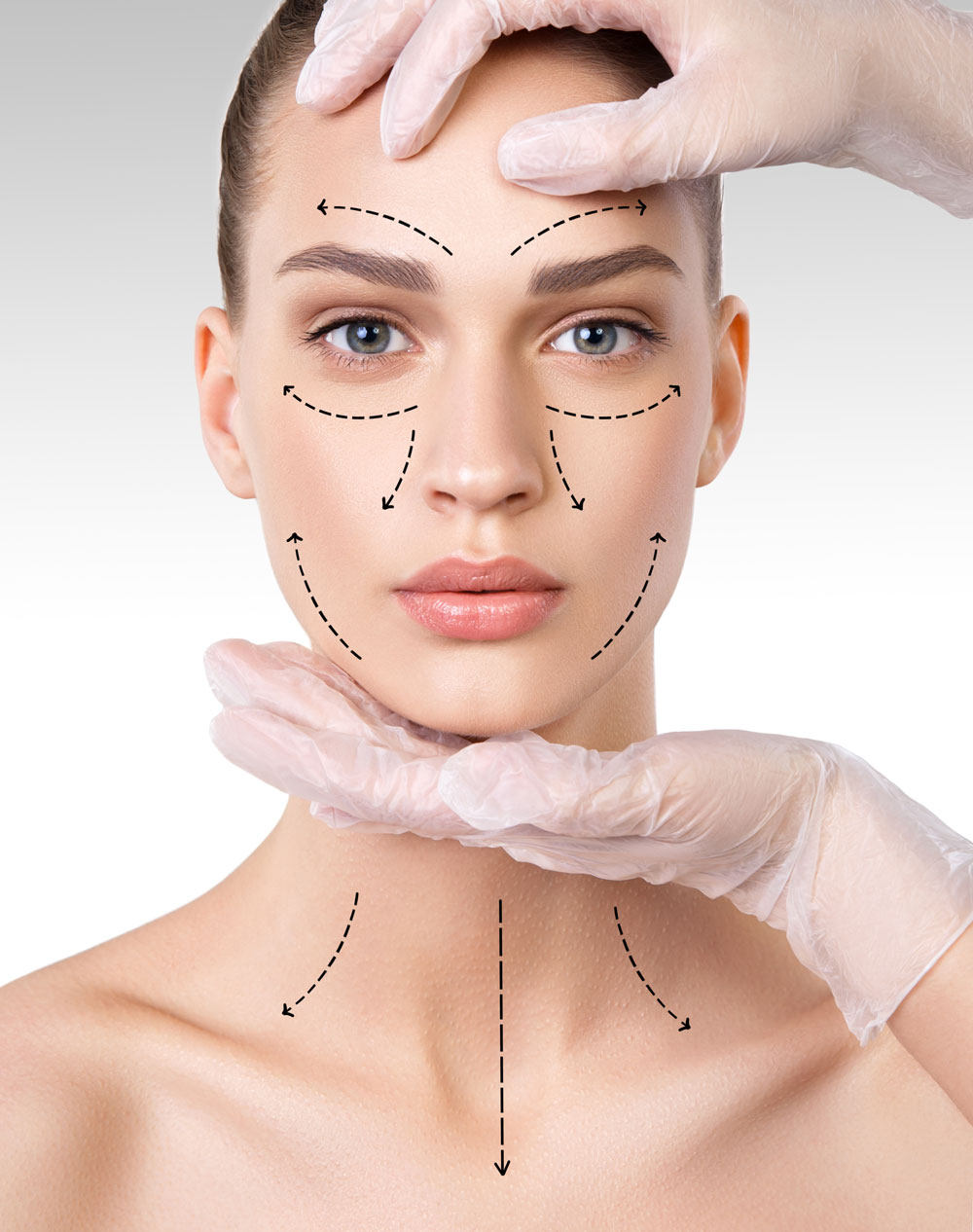
Various treatments address the different ways ageing affects facial structure. Dermal fillers restore lost volume in the cheeks, temples and under-eye area. Strategic filler placement recreates the structural support that bone resorption has removed. Botulinum toxin relaxes muscles that create dynamic wrinkles across the forehead and around the eyes. Thread lifts reposition descended tissue for a subtle lifting effect. Radiofrequency and ultrasound treatments tighten skin non-invasively. Surgical options including facelifts, neck lifts and fat grafting provide more comprehensive structural correction for advanced changes. Collagen-stimulating treatments such as polynucleotides and PRP improve skin quality over time. Each treatment targets specific layers of facial structure change. The most effective approach combines treatments addressing multiple layers simultaneously for natural-looking comprehensive facial rejuvenation.
Dermal Fillers for Facial Structure Restoration
Dermal fillers are among the most versatile tools for addressing age-related facial structure changes. Hyaluronic acid fillers restore lost volume precisely where it has depleted. Calcium hydroxylapatite provides both immediate volume and longer-term collagen stimulation. The cheeks can be lifted by replacing depleted fat pad volume, restoring the midface projection that bone resorption and fat descent have diminished. The temples can be filled to restore youthful convexity. Under-eye hollows can be softened with specific filler products. The jawline can be sharpened with strategic placement along the mandible. Chin projection can be enhanced non-surgically. These applications address facial structure loss without surgery. The results are immediate and last six to eighteen months depending on the product and treatment area. Skilful filler placement that addresses structural causes rather than just surface symptoms produces the most natural rejuvenation.
Surgical Options for Facial Structure Correction
Surgical treatments provide the most comprehensive correction of age-related facial structure changes. Facelift surgery repositions descended tissue and tightens the underlying SMAS layer to recreate youthful contours. Neck lift surgery addresses platysma muscle laxity and submental fat for improved jawline definition. Fat grafting uses the patient’s own fat to restore volume in depleted areas with natural-feeling results. Brow lift surgery elevates the brow position to open the upper face. Blepharoplasty rejuvenates the eye area by removing excess skin and repositioning fat. Chin and cheek implants replace skeletal volume lost through bone resorption, providing permanent structural support. These surgical approaches address deeper facial structure changes that non-surgical treatments cannot fully correct. For patients with significant changes, surgery provides more dramatic and longer-lasting results than injectable treatments alone. Surgical and non-surgical approaches can also be combined for comprehensive layered rejuvenation.
Preventive Approaches for Facial Structure
Several preventive approaches slow the rate at which ageing affects facial structure. Sun protection is the single most effective anti-ageing habit. UV exposure accelerates collagen and elastin breakdown dramatically. Daily broad-spectrum SPF use preserves skin quality and slows structural deterioration. Adequate nutrition supports bone density and tissue health. Calcium and vitamin D support skeletal maintenance. Protein provides the building blocks for collagen production. Regular exercise improves circulation. Avoiding smoking prevents accelerated collagen destruction. Skincare products containing retinoids and antioxidants support ongoing skin health. Starting collagen-stimulating treatments before significant facial structure changes develop helps maintain youthful contours. Prevention is consistently more effective and more affordable than correction after changes have fully established.
Planning Comprehensive Facial Rejuvenation
Effective facial rejuvenation addresses multiple layers of age-related facial structure change simultaneously or in a carefully planned sequence. A comprehensive plan considers bone-level volume loss, fat redistribution, muscle laxity and skin quality together. Treatment starts with assessment of which layers are most significantly affected for each individual. Volume restoration often provides the foundation by recreating the structural support that other tissues depend on. Skin tightening procedures complement volume work by addressing surface laxity. Texture and tone treatments improve the skin quality overlying the restored structure. Some patients benefit from combining non-surgical and surgical approaches over time. Professional consultation evaluates which facial structure changes are most significant for each individual. A personalised plan ensures treatments target the right layers in the right sequence for the most natural and effective overall improvement.
Conclusion
Ageing affects facial structure at every level from bone through fat and muscle to skin. Understanding these layered changes helps patients choose the most effective treatments for their specific concerns. Bone resorption removes the structural foundation. Fat redistribution alters soft tissue contours. Muscle laxity allows descent and banding. Skin loses firmness, elasticity and thickness progressively. The most effective rejuvenation addresses multiple layers simultaneously rather than treating surface signs in isolation. Dermal fillers, surgical interventions, collagen stimulation and skin treatments each target specific aspects of facial structure change. Preventive habits including sun protection and nutrition slow the process significantly. Professional consultation ensures a personalised plan that addresses the right layers for each individual. Starting treatment before changes become advanced produces the most satisfying results. Comprehensive treatment that addresses the underlying facial structure produces the most natural and lasting rejuvenation outcomes.
For more information and to book a consultation visit the ACIBADEM Beauty Center Aesthetics page.
Frequently Asked Questions
Changes in bone, fat, muscle and skin at multiple structural levels.
Yes, dermal fillers and implants replace the structural support lost through bone resorption.
Combining treatments that address multiple layers of facial structure change.
Prevention through sun protection should begin early; professional treatments from the thirties onward.
Yes, when placed by experienced practitioners to address structural causes rather than surface symptoms.