Ataşehir Mah. Feza Sk. No:3 İstanbul / Türkiye
 French
  English
  German
  Spanish
Introduction
Skin laxity after significant weight loss is one of the most common concerns for patients who have achieved their weight goals. Losing a large amount of weight is an incredible achievement. However, the skin that stretched to accommodate the excess weight often does not retract fully. The result is loose, sagging skin that can cause physical discomfort and emotional distress. Understanding why skin laxity develops and what treatment options exist helps patients plan the final stage of their transformation. This article explains the causes of skin laxity after weight loss and the surgical and non-surgical treatments available to address this common concern.
Why Skin Laxity Develops After Weight Loss
Skin laxity after weight loss results from the skin’s inability to retract fully after prolonged stretching. When the body carries excess weight for months or years, the skin stretches significantly. Collagen and elastin fibres in the skin become damaged and weakened. The longer the skin remains stretched, the more damage these structural fibres sustain. When the excess weight is lost, the damaged fibres cannot spring the skin back to its original tightness. Age affects recovery because older skin has less natural elasticity. The amount of weight lost matters significantly. Patients who lose fifty pounds or more are most likely to experience noticeable loss of firmness. Genetics also influence how well skin recovers after significant weight change.
Common Areas Affected by Skin Laxity
Skin laxity affects specific body areas more than others after weight loss. The abdomen is typically the most affected area. Loose skin may hang as an apron-like fold. The upper arms commonly develop significant laxity often called bingo wings. The inner thighs frequently show loose sagging skin. Chest and breast area loses volume and shape. Buttocks may sag and flatten. The face and neck can develop jowls and loose skin. The back may show excess skin folds. Severity of skin laxity varies between individuals. Some patients experience issues in one or two areas while others have generalised laxity across the body. The distribution depends on where the body stored excess weight and individual skin elasticity.
Surgical Treatment for Skin Laxity
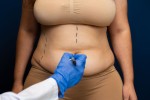
Surgical treatment provides the most effective solution for significant skin laxity after weight loss. Body lift procedures remove excess skin from multiple areas simultaneously. Abdominoplasty addresses loose abdominal skin specifically. Arm lift surgery removes loose skin from the upper arms. Thigh lift surgery tightens the inner and outer thighs. Breast lift surgery repositions and reshapes descended breast tissue. Buttock lift surgery addresses sagging in the posterior. Facelift and neck lift address loose facial skin. These surgical options produce dramatic improvement in body contour. The procedures remove skin that no amount of exercise can tighten. For severe skin laxity after significant weight loss, surgery represents the only approach that produces comprehensive transformation.
Non-Surgical Treatment for Skin Laxity
Non-surgical treatments offer options for milder skin laxity or patients who prefer to avoid surgery. Radiofrequency treatments use heat to stimulate collagen production and tighten skin. Ultrasound therapy targets deeper tissue layers for lifting effects. Laser treatments promote collagen remodelling. Microneedling with radiofrequency enhances skin quality and firmness. These non-surgical approaches produce modest improvement in skin laxity. They work best for mild cases where the skin has some remaining elasticity. Multiple sessions are typically needed. Results develop gradually over several months. Non-surgical treatments cannot match surgical results for significant skin laxity. However, they offer valuable options for patients with milder concerns or those seeking maintenance after initial improvement.

When to Consider Treatment for Skin Laxity
Timing matters when planning treatment for skin laxity after weight loss. Patients should reach and maintain their goal weight for at least six to twelve months before surgery. This ensures the body has stabilised and the results of surgery are preserved. Continued weight loss after surgery can compromise results. Weight regain stretches the tightened skin again. Allowing time at stable weight also lets the skin retract naturally as much as it can. Some patients are pleasantly surprised by how much their skin improves on its own over time. Treatment for loose skin works best as the final stage of the weight loss journey. Rushing into surgery before weight has stabilised risks needing revision procedures later.
Recovery from Skin Laxity Surgery
Recovery from skin laxity surgery varies by procedure and extent of treatment. Body lift procedures involve the most extensive recovery. Most patients take three to four weeks off work. Compression garments support healing for six to eight weeks. Pain is managed with prescribed medication. Drains may be placed for the first one to two weeks. Swelling and bruising are significant during the first month. Individual procedures such as arm lifts or thigh lifts have shorter recovery periods. Most patients return to work within two to three weeks. Full exercise resumes after six to eight weeks. Following aftercare instructions carefully supports optimal healing. Patients should plan recovery time realistically when scheduling skin laxity surgery.
Realistic Expectations
Realistic expectations support satisfaction with skin laxity treatment outcomes. Surgical results are dramatic but involve significant scarring. The scars from excess skin removal are permanent. Most scars fade substantially over twelve to eighteen months but remain visible. Patients must weigh the trade-off between loose skin and surgical scars. Most patients strongly prefer the scarred but tighter contour. Non-surgical results are more modest and cannot address severely loose skin. Perfection is not achievable through either approach. The goal is significant improvement in comfort, contour and confidence. Setting these expectations during consultation prevents disappointment. Most patients who understand the realistic outcomes are highly satisfied with their skin laxity treatment results.
Maintaining Results After Skin Laxity Treatment
Maintaining results after skin laxity treatment requires stable body weight. Weight fluctuations can stretch the tightened skin. Regular exercise preserves muscle tone beneath the skin. Good nutrition supports ongoing skin health. Hydration and skincare maintain skin quality. Sun protection prevents further collagen damage. Scar care including silicone products supports optimal scar maturation. Some patients benefit from non-surgical maintenance treatments to support skin quality over time. The investment in treating loose skin produces lasting results when supported by healthy lifestyle habits. Patients who maintain stable weight and healthy routines enjoy the benefits of their surgery for many years following their skin laxity treatment procedures.
Psychological Impact of Skin Laxity
The psychological impact of skin laxity after weight loss is significant. Many patients feel their physical transformation is incomplete while excess skin remains. Loose skin can cause clothing difficulties, hygiene challenges and discomfort during exercise. Self-consciousness during intimate situations is common. Some patients avoid activities they had hoped to enjoy after losing weight. Treatment for skin laxity often provides profound psychological benefits alongside physical improvement. Patients describe completing their transformation. Confidence increases dramatically. Activities previously avoided become enjoyable. The psychological uplift from addressing loose skin is frequently described as equal to or greater than the weight loss achievement itself. This emotional benefit justifies the investment in treatment for many patients.
Choosing a Surgeon for Skin Laxity Surgery
Choosing the right surgeon for skin laxity surgery is essential. The surgeon should be board certified in plastic surgery with specific experience in post-weight-loss body contouring. This subspecialty requires particular expertise. Before and after photographs of previous post-weight-loss patients demonstrate relevant experience. Patient reviews provide insight into the surgical and recovery experience. The consultation should address goals, expectations, timing and staging of procedures. Some patients benefit from staged procedures rather than treating everything at once. The surgeon should advise on the safest and most effective approach for each individual’s skin laxity concerns. Choosing a specialist in post-bariatric body contouring produces the most satisfying outcomes.
Conclusion
Skin laxity after weight loss affects many patients who have achieved significant weight reduction. The condition results from damaged collagen and elastin fibres that cannot retract fully. Surgical treatment provides the most effective solution for significant loose skin. Non-surgical approaches offer options for milder cases. Timing treatment after weight has stabilised for at least six to twelve months supports the best outcomes. Realistic expectations about scarring and recovery help patients make informed decisions. The psychological benefits of addressing skin laxity often complete the weight loss transformation journey. Professional consultation with a specialist in post-weight-loss body contouring ensures personalised planning for each patient seeking improved contour and confidence.
To understand skin laxity better and to book a consultation visit the ACIBADEM Beauty Center Aesthetics page.
Frequently Asked Questions
Collagen and elastin fibres are damaged by prolonged stretching and cannot fully retract.
Exercise builds muscle tone but cannot address significant skin laxity.
After maintaining stable weight for at least six to twelve months.
Yes, but most patients prefer tighter contours with scars over loose skin.
Yes, for mild cases; significant skin laxity requires surgical treatment.