Ataşehir Mah. Feza Sk. No:3 İstanbul / Türkiye
 French
  English
  German
  Spanish
Introduction
Understanding the scar healing stages helps patients manage expectations and care for their scars effectively after surgery. Every surgical incision creates a scar. How that scar heals depends on genetics, location, aftercare and time. The scar healing stages follow a predictable biological sequence. Each phase involves different cellular processes and presents different opportunities for intervention. Many patients feel anxious about their scars during the early weeks. Knowing what is normal at each stage reduces this anxiety. This article explains healing stages in detail and provides practical guidance on how to support the best possible cosmetic outcome at every phase of the healing journey.
The Inflammatory Phase: First Scar Healing Stage
The inflammatory phase is the first of the scar healing stages. It begins immediately after surgery and lasts approximately two to five days. The body responds to the incision by sending blood cells and immune cells to the wound. Redness, warmth, swelling and tenderness are normal during this phase. These signs indicate the body is responding appropriately. The wound may weep slightly as the healing process begins. Keeping the incision clean and dry supports this first stage of the healing process. Prescribed antibiotics prevent infection. Gentle handling of the wound area is essential. Patients should follow all surgeon instructions carefully. This initial inflammatory response lays the groundwork for the subsequent phases of healing.
The Proliferative Phase: Building New Tissue
The proliferative phase is the second of the scar healing stages. It begins around day three to five and continues for approximately three to four weeks. During this phase the body produces new tissue to close and strengthen the wound. Fibroblast cells produce collagen to bridge the incision gap. New blood vessels form to supply the developing tissue. The wound gradually closes and the scar begins to form. The scar appears red or pink during this phase because of the rich blood supply. It may feel slightly raised and firm. The healing process at this point requires continued gentle care. Silicone products can begin once the incision is fully closed. Sun protection becomes increasingly important to prevent pigmentation.
The Remodelling Phase: Maturation of the Scar
The remodelling phase is the longest of the scar healing stages. It begins around three to four weeks after surgery and continues for up to two years. During this phase the initial collagen is gradually replaced with stronger, more organised fibres. The scar softens, flattens and fades progressively. Red or pink scars gradually transition to a paler colour. Raised scars flatten over time. The scar becomes less noticeable month by month. This phase is where the most dramatic visual improvement occurs throughout the scar healing stages. Patience is essential because the timeline is measured in months rather than weeks. Scar care products, massage and sun protection all support optimal remodelling during this extended phase of the scar healing stages.
Supporting the Scar Healing Stages with Silicone
Silicone products are one of the most effective tools for supporting the scar healing stages. Silicone sheets create a protective barrier over the scar. They maintain optimal hydration which supports better collagen organisation. Silicone gel products apply as a thin layer and dry to form a breathable film. Both formats help reduce scar thickness, colour and raised appearance. Silicone products should begin once the incision has fully closed, typically two to three weeks after surgery. Consistent use for three to six months produces the best results during the scar healing stages. The products are available without prescription and well tolerated by most patients. Silicone remains the most evidence-backed topical scar treatment available.
Supporting the Scar Healing Stages with Massage
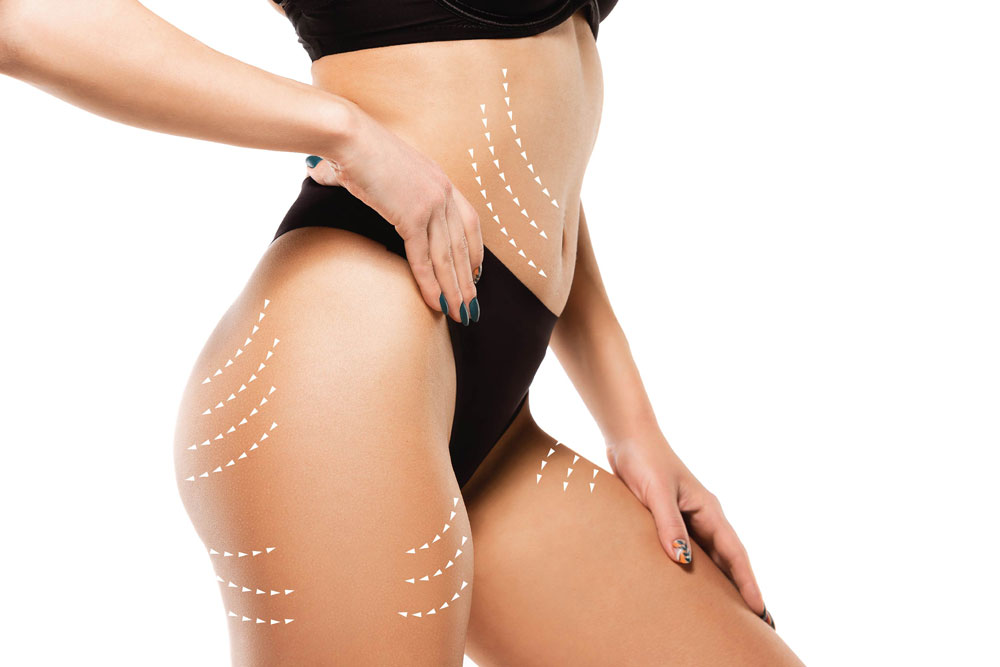
Scar massage is a simple but effective technique for supporting the scar healing stages. The practice involves applying firm pressure and gentle movement to the scar tissue. Massage breaks down excessive collagen deposits that create raised or thickened scars. It also improves blood flow and flexibility. Massage typically begins four to six weeks after surgery once the incision has fully healed and the surgeon approves. Patients apply gentle circular pressure for five to ten minutes twice daily. Moisturising cream or oil makes the massage more comfortable. Consistent massage over several months supports optimal remodelling during the scar healing stages. The technique is free and can be performed at home as part of the daily skincare routine.
Sun Protection During the Scar Healing Stages
Sun protection is essential throughout the scar healing stages. New scar tissue is highly vulnerable to UV damage. Sun exposure can cause permanent darkening of scars that would otherwise have faded to a discreet pale line. This hyperpigmentation is often irreversible. Broad-spectrum sunscreen with SPF thirty or higher should be applied to exposed scars daily. Reapplication every two hours during outdoor exposure maintains protection. Covering scars with clothing or dressings provides the most reliable protection. Sun protection should continue for at least twelve months throughout the scar healing stages. This simple step is one of the most impactful actions patients can take. Many otherwise well-healing scars are permanently darkened by preventable sun exposure.
When Scars Do Not Heal as Expected
Not all scars progress normally through the scar healing stages. Hypertrophic scars remain raised and red beyond the normal timeline. They stay within the boundaries of the original incision. Keloid scars extend beyond the incision borders and continue growing. Both conditions involve excessive collagen production. Risk factors include genetics, darker skin tones, wound tension and certain body locations. Steroid injections can soften and flatten raised scars. Silicone products provide ongoing support. Laser treatments address colour and texture. Pressure therapy may help. Recognising that a scar is not progressing normally through the scar healing stages allows earlier intervention. The surgeon can recommend appropriate treatment to improve the outcome for problematic scars.
Professional Treatments to Support Scar Healing
Professional treatments can enhance the scar healing stages beyond what home care alone achieves. Laser therapy addresses colour and texture of mature scars. Pulsed dye lasers reduce redness effectively. Fractional lasers improve texture through collagen remodelling. Microneedling stimulates new collagen formation within scar tissue. Steroid injections flatten raised scars. Surgical scar revision may be considered for scars that have not responded to conservative approaches after at least a year. These professional interventions complement the home care strategies of silicone, massage and sun protection. The timing of professional treatments during the scar healing stages matters significantly. Most interventions begin three to six months after surgery once initial healing has stabilised.
Factors That Influence Scar Quality
Many factors influence how scars progress through the scar healing stages. Genetics play a significant role in healing quality. Some individuals consistently heal with minimal scarring while others tend toward thicker scars. Skin type and tone affect healing and pigmentation risk. The location of the incision matters because areas under tension produce wider scars. Surgical technique influences scar quality from the outset. Wound care during the early scar healing stages sets the trajectory. Nutritional status supports tissue repair. Smoking impairs healing significantly. Age affects regenerative capacity. Understanding these factors helps patients identify which they can control. Focusing on modifiable factors such as aftercare, nutrition and sun protection maximises healing quality within genetic limits.
Timeline Summary of the Scar Healing Stages
Complete timeline of the scar healing stages spans approximately eighteen months to two years. Inflammatory phase occupies the first few days. The proliferative phase extends from the first week through approximately four weeks. The remodelling phase begins around one month and continues for twelve to twenty-four months. Most dramatic visual improvement occurs between three and twelve months as the scar softens, flattens and fades. The final scar appearance represents the culmination of all the scar healing stages. Patience throughout this timeline is essential. Early scars do not represent the final outcome. Consistent care including silicone, massage and sun protection throughout all the scar healing stages produces the best possible cosmetic result.
Conclusion
The scar healing stages follow a predictable biological sequence from inflammation through proliferation to remodelling. Understanding each phase helps patients know what to expect and how to intervene effectively. Silicone products, scar massage and sun protection form the foundation of scar care at home. Professional treatments including laser therapy and microneedling enhance results for mature scars. Recognising abnormal healing allows earlier intervention. Patience throughout the twelve to twenty-four month process is essential because early scar appearance does not predict the final outcome. Supporting each of the scar healing stages with appropriate care produces the best possible cosmetic result from any surgical procedure.
For more information on scar healing and to book a consultation visit the ACIBADEM Beauty Center Skin Treatments page.
Frequently Asked Questions
The full process takes twelve to twenty-four months from surgery to final scar appearance.
Silicone and sun protection begin once incisions fully close at two to three weeks.
Redness is normal during early healing and gradually fades over several months.
No, but proper care significantly improves how scars heal and fade.
If it continues growing, remains very raised or is painful beyond initial healing.