Ataşehir Mah. Feza Sk. No:3 İstanbul / Türkiye
 French
  English
  German
  Spanish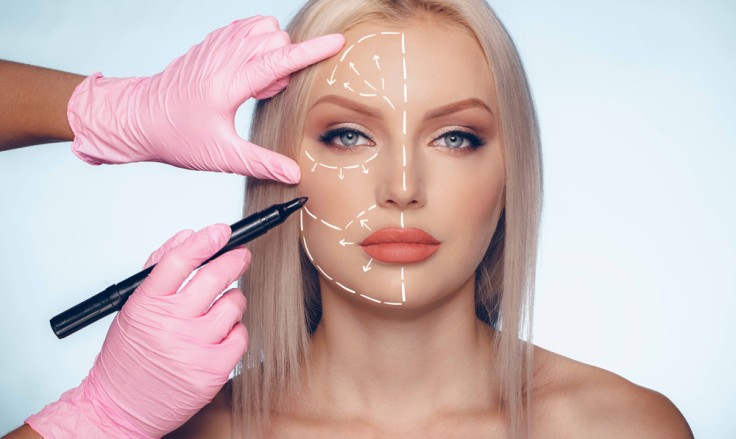
Introduction
Choosing a cosmetic surgeon in Turkey is the most important decision patients make when planning treatment abroad. Turkey has become one of the world’s leading destinations for cosmetic procedures. Thousands of international patients travel to Istanbul each year. However, the rapid growth of the sector means quality varies between providers. Some clinics operate at world-class standards while others fall short. Knowing how to identify a safe, qualified cosmetic surgeon in Turkey protects patients from poor outcomes. This article explains the key checks, questions and warning signs that help patients choose a cosmetic surgeon in Turkey with confidence and protect their health throughout the process.
Verify Qualifications of a Cosmetic Surgeon in Turkey
Verifying qualifications is the first step when choosing a cosmetic surgeon in Turkey. Turkish plastic surgeons should hold a medical degree from a recognised university. They should have completed a residency in plastic and reconstructive surgery. Board certification from the Turkish Board of Plastic Surgery confirms specialist training. Many Turkish surgeons also hold international memberships such as ISAPS or EBOPRAS. Some have trained or worked in the UK, USA or Europe. Patients should ask to see qualifications and verify them independently. The Turkish Medical Association maintains a register of qualified practitioners. Choosing a cosmetic surgeon with verifiable specialist credentials provides the foundation for a safe treatment experience.
Check Hospital Accreditation
Hospital accreditation provides essential safety assurance when choosing a cosmetic surgeon in Turkey. JCI accreditation is the international gold standard for healthcare facilities. JCI-accredited hospitals meet rigorous standards for patient safety, infection control and clinical governance. The Turkish Ministry of Health also licenses facilities for medical tourism. Patients should verify that the hospital or clinic where surgery will be performed holds valid accreditation. Accreditation can usually be verified through the hospital’s website or the accrediting body directly. Choosing a Turkish surgeon who operates at an accredited facility provides protection beyond the surgeon’s individual skills. The facility infrastructure, staffing and protocols all contribute to patient safety.
Review Before and After Photographs
Before and after photographs provide essential evidence when evaluating a cosmetic surgeon in Turkey. Consistent, high-quality photographs demonstrate the surgeon’s aesthetic style and technical ability. Images should be taken in similar lighting and positions for fair comparison. Multiple examples of the specific procedure under consideration are more valuable than a few selected cases. Patients should look for natural-looking results that match their own goals. Photographs showing a range of patient types demonstrate experience with diverse anatomies. A surgeon who willingly shares extensive before and after work typically has confidence in their results. Stock photographs or heavily filtered images should raise concerns about the authenticity of the portfolio.
Read Patient Reviews of a Cosmetic Surgeon in Turkey
Patient reviews offer valuable insight when choosing a cosmetic surgeon in Turkey. Independent review platforms provide more reliable feedback than testimonials on the clinic’s own website. Reviews from UK and international patients are particularly relevant. Consistent themes in reviews matter more than individual comments. Positive patterns around communication, surgical skill and aftercare indicate quality. Negative patterns around hidden costs, poor follow-up or dismissed concerns signal potential problems. Video testimonials carry more weight than written reviews. Social media groups for medical tourism patients offer candid experiences. A cosmetic surgeon in Turkey with consistently positive independent reviews across multiple platforms provides stronger reassurance than one relying solely on their own marketing materials.
Assess the Consultation Process
The consultation process reveals significant information about a cosmetic surgeon in Turkey. A thorough consultation should feel unhurried and comprehensive. The surgeon should examine the patient or review photographs carefully. They should explain the proposed procedure clearly including technique, risks and alternatives. Realistic expectations should be set honestly. Patients should feel comfortable asking questions. The surgeon should answer directly without evasion. A high-pressure sales approach is a significant warning sign. Patients should not feel rushed to commit. Virtual consultations allow initial assessment before travelling. The quality of the consultation often predicts the quality of care that follows. A surgeon who invests time in proper consultation demonstrates commitment to appropriate patient selection and outcomes.
Red Flags When Choosing a Cosmetic Surgeon in Turkey
Several red flags should prompt caution when choosing a cosmetic surgeon in Turkey. Prices significantly below the market average may indicate shortcuts in quality. Clinics that guarantee specific results should be viewed sceptically. Surgeons unwilling to share qualifications or before and after photographs raise concern. High-pressure sales tactics indicate commercial priorities over patient welfare. Limited or no follow-up care suggests the clinic prioritises volume over outcomes. Communication difficulties before surgery typically worsen after surgery. A cosmetic surgeon should welcome scrutiny rather than resisting it. Clinics that discourage patients from seeking second opinions may be trying to prevent unfavourable comparisons. Taking time to identify these warning signs protects patients from preventable poor outcomes.
Questions to Ask a Cosmetic Surgeon in Turkey
Asking specific questions helps evaluate a cosmetic surgeon in Turkey. Patients should ask about the surgeon’s specific experience with the planned procedure. The number of procedures performed annually provides context. Complication rates and how complications are managed reveal important information. What follow-up care is included in the package matters significantly. Whether the surgeon personally performs the entire procedure or delegates parts should be clarified. What happens if revision surgery is needed deserves a clear answer. Insurance and liability coverage should be confirmed. A cosmetic surgeon who answers these questions openly and honestly demonstrates transparency. Evasive or dismissive responses to reasonable questions should concern patients.
The Importance of Aftercare
Aftercare quality significantly impacts outcomes when choosing a cosmetic surgeon in Turkey. The best surgeons provide comprehensive post-operative support. This includes in-person follow-up before the patient leaves Turkey. Remote follow-up through video consultation after returning home should be standard. Clear aftercare instructions in writing support proper healing. Emergency contact details should be provided. The clinic should respond promptly to post-operative questions and concerns. Some clinics have partnerships with practitioners in the UK for local follow-up if needed. Choosing a cosmetic surgeon in Turkey who prioritises aftercare as much as the surgery itself protects long-term results. Aftercare is not an afterthought but an essential component of quality surgical care.
Travel Insurance and Legal Protection
Travel insurance and legal considerations matter when choosing a cosmetic surgeon in Turkey. Standard travel insurance typically excludes elective cosmetic procedures. Specialist medical tourism insurance policies are available and strongly recommended. These policies cover complications, extended hospital stays and repatriation if needed. Understanding the legal framework for medical complaints in Turkey provides additional context. Reputable clinics carry professional indemnity insurance. Written consent documents should be provided in English. Keeping copies of all medical records and correspondence supports any future enquiries. A cosmetic surgeon in Turkey operating within a fully insured and transparent framework demonstrates professional standards. This protection benefits both patient and practitioner.
Making Your Final Decision
Making the final decision about a cosmetic surgeon in Turkey involves weighing multiple factors. Qualifications, accreditation and experience form the clinical foundation. Before and after photographs and patient reviews provide outcome evidence. The consultation experience reveals communication and care quality. Transparent pricing without hidden costs builds trust. Comprehensive aftercare demonstrates long-term commitment to patient outcomes. Taking time to compare multiple options leads to better decisions. Seeking second opinions is a sign of diligence not distrust. A cosmetic surgeon in Turkey who earns patient confidence through evidence and transparency rather than pressure and promises is the safest choice. The investment in thorough research protects health and delivers the best possible surgical outcomes.
Conclusion
Choosing a cosmetic surgeon in Turkey safely requires systematic research and careful evaluation. Verifying qualifications, checking hospital accreditation and reviewing before and after photographs provide essential evidence. Patient reviews and the consultation experience reveal care quality. Identifying red flags prevents poor decisions. Asking direct questions tests transparency. Prioritising aftercare and ensuring appropriate insurance protects long-term outcomes. Taking time with this decision is the single most important step in planning cosmetic surgery abroad. A cosmetic surgeon in Turkey chosen through careful evaluation delivers confident, safe and satisfying results. The research investment protects the larger investment in health and appearance.
For more information and to book a consultation visit the ACIBADEM Beauty Center homepage.
Frequently Asked Questions
Check the Turkish Medical Association register and ask to see board certification.
JCI accreditation is the international gold standard for patient safety.
Unrealistically low prices, pressure to commit and reluctance to share credentials.
Yes, virtual consultation allows initial assessment before committing to travel.
Yes, specialist medical tourism insurance covering complications is strongly recommended.