Ataşehir Mah. Feza Sk. No:3 İstanbul / Türkiye
 French
  English
  German
  Spanish
Introduction
Weight loss medication is increasingly used to support significant and sustained weight reduction. While many people focus on body changes, facial changes can be just as noticeable. The face responds differently to fat loss compared to other areas. Weight loss medication can accelerate overall fat reduction, including facial fat. This may alter facial contours, volume and support. Understanding why these changes happen helps people manage expectations. Facial changes reflect biological responses rather than negative outcomes.
How Weight Loss Medication Promotes Fat Reduction
Weight loss medication works by influencing appetite, metabolism or nutrient absorption. These mechanisms create a consistent calorie deficit. The body responds by using stored fat as an energy source. Fat loss occurs throughout the body rather than in specific locations. Facial fat is part of this systemic process. The body does not preserve facial fat selectively. Some individuals notice facial slimming early while others experience changes later. The overall pace of fat reduction plays an important role. Faster reduction often leads to more visible facial changes.
Why Facial Fat Is Affected Early
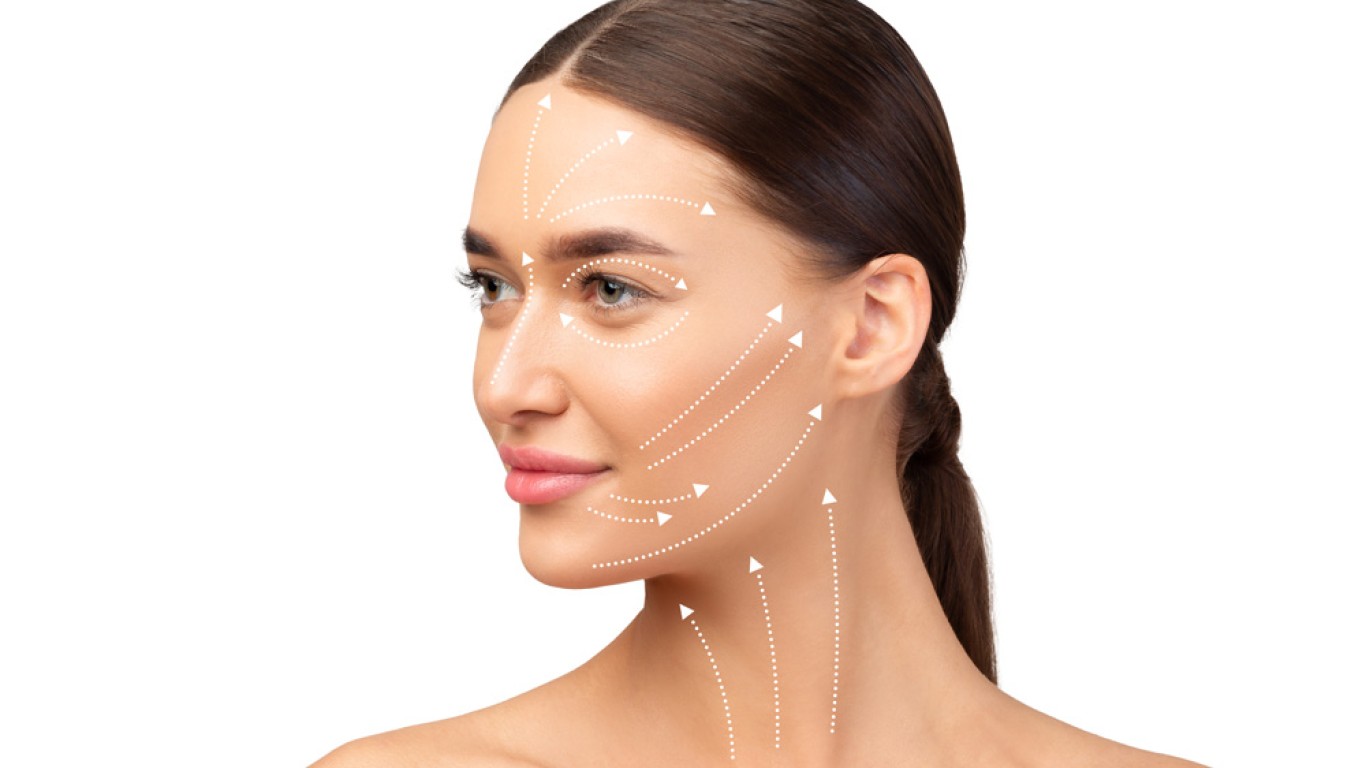
Facial fat is relatively superficial and metabolically active. This makes it responsive to changes in energy balance. When weight loss medication creates steady fat usage, facial fat compartments may shrink quickly. The face contains smaller fat pads than the abdomen or thighs. Even small reductions can be noticeable. Areas such as the cheeks, temples, and under-eye region are particularly sensitive. This explains why facial changes may seem disproportionate, and why weight loss medication amplifies these effects through sustained fat loss.
Differences Between Facial Fat and Body Fat
Facial fat provides structure and contour rather than energy storage alone. It supports skin and maintains youthful shape. Body fat often serves as a reserve for energy. These functional differences influence how fat loss appears. When facial fat reduces, skin support decreases. Body skin is thicker and may adapt more gradually whereas facial skin is thinner and more delicate. As a result, volume changes become more apparent. Weight loss medication affects both fat types, but the visual impact differs.
The Role of Skin Elasticity in Facial Changes
Skin elasticity determines how well skin adjusts after fat reduction. Elastic skin can retract as volume decreases. Reduced elasticity limits this adaptation. Age, genetics, and lifestyle all influence skin elasticity. When weight loss medication leads to rapid fat reduction, skin may not tighten at the same pace. This can create looseness or sagging. Facial skin is especially vulnerable due to constant movement. Elasticity differences explain why some people experience more visible changes.
How Age Influences Facial Fat Loss After Taking Weight Loss Medication
Age plays a significant role in facial response. Younger individuals often have stronger collagen and elastin networks. This allows skin to adapt more effectively. Facial changes may appear milder as a result. With age, natural fat loss and bone changes already occur. Weight loss medication can accelerate visible changes. Reduced support makes facial slimming more noticeable. The combination of ageing and medication-driven fat loss shapes outcomes. This explains variation between age groups.

Facial Hollowing and Volume Redistribution Following Weight Loss Medication
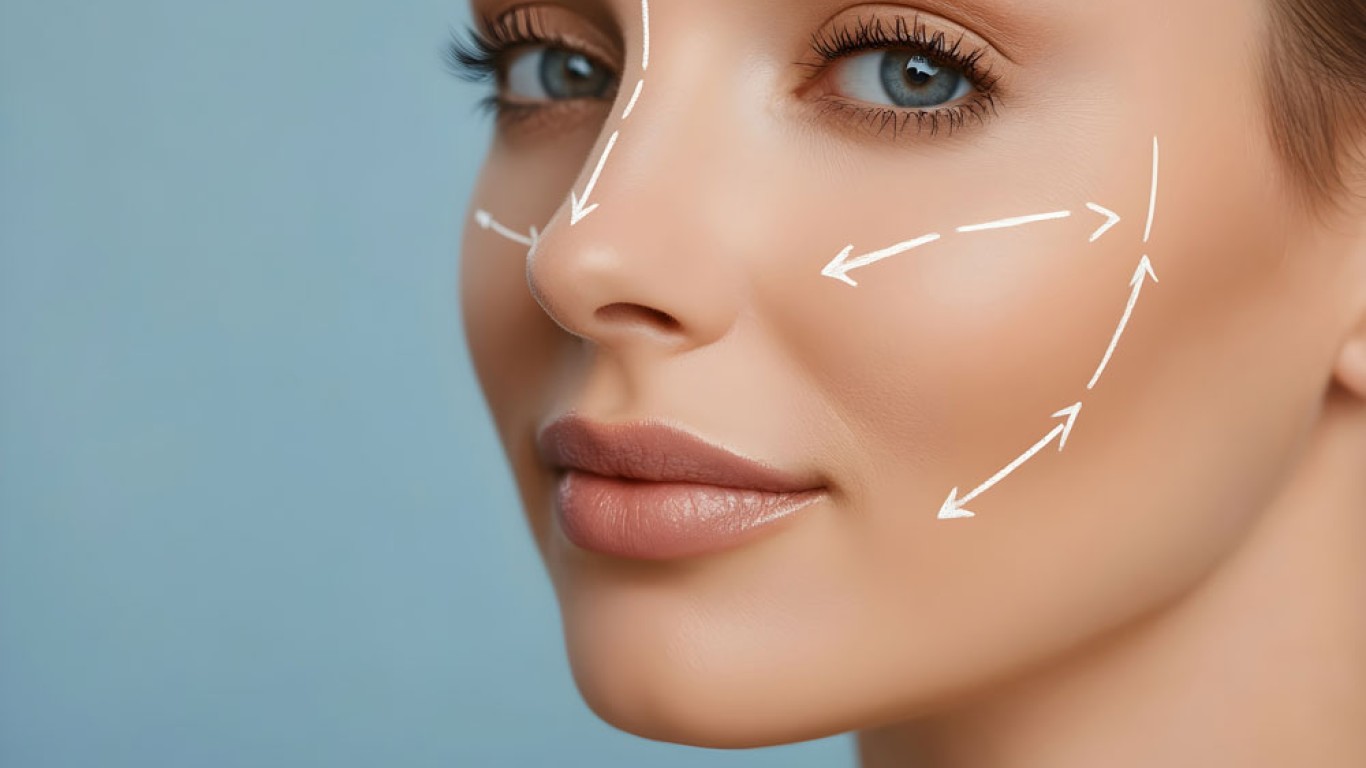
Facial hollowing occurs when deeper fat compartments shrink. The midface and under-eye areas are commonly affected, and this can create shadowing and contour changes. Weight loss medication may speed this process. Not everyone experiences hollowing. Genetics influence fat distribution and retention, while bone structure also affects appearance. Individuals with naturally lean faces may notice changes sooner. Hollowing reflects structural change rather than treatment failure.
How Facial Muscle Activity Influences Post-Weight Loss Appearance
Facial muscles are constantly active during speaking, eating and expression. This continuous movement affects how skin settles after fat reduction. When facial fat decreases due to weight loss medication, muscle activity can accentuate looseness. Areas around the mouth and cheeks often show these effects first. Muscle tone remains unchanged while support volume reduces. This contrast can highlight folds and softness. Over time, muscles may adapt to altered contours. However, early changes are often more noticeable. Understanding the role of movement explains why some facial areas appear affected sooner than others.
Genetic Factors That Shape Facial Fat Retention
Genetics strongly influence where fat is stored and lost. Some people naturally retain facial fullness longer while others lose facial fat more quickly during overall weight reduction. Weight loss medication interacts with these genetic tendencies. Family traits often predict facial response. Bone structure, skin thickness and fat distribution are inherited factors. These elements determine how noticeable facial changes become. Genetics explain why similar weight loss journeys produce different facial outcomes. Recognising this variability helps set realistic expectations.
The Importance of Weight Loss Speed
The speed of weight reduction significantly affects facial appearance. Gradual loss allows tissues more time to adapt as skin and fat adjust slowly. Rapid loss provides less adjustment time. Weight loss medication often supports steady but accelerated reduction. This explains why facial changes may appear suddenly. Slower progression may reduce visible effects. Monitoring pace helps manage expectations and clinicians often recommend controlled progress.
Lifestyle Factors That Influence Facial Appearance
Lifestyle habits affect how the face responds to fat loss. Nutrition supports skin quality and repair while adequate protein intake supports collagen production. Hydration also influences skin plumpness. Sleep and stress levels also matter - poor sleep can affect skin tone and texture. Weight loss medication works best alongside balanced habits. These factors do not prevent fat loss but influence appearance. Holistic care supports better outcomes.
Non-Surgical Approaches to Support Facial Balance
Many people explore non-surgical options to support facial appearance. These approaches focus on skin quality and subtle volume support. Treatments may improve texture, firmness or hydration, and aim to enhance balance rather than reverse weight loss. Timing is important when considering these treatments. Weight should stabilise first. Professional assessment guides appropriate planning. Non-surgical options suit mild to moderate changes.
When To Consider Surgical Options
Surgical approaches may be considered for more pronounced changes. These procedures focus on repositioning and supporting deeper tissues, addressing structural shifts rather than surface concerns. Surgery is usually considered after weight stabilisation, which helps ensure that results remain consistent. Planning takes facial anatomy into account. Long-term harmony is prioritised and decisions are made on an individual basis.
Managing Expectations When Taking Weight Loss Medication
Understanding potential facial changes helps manage expectations. Weight loss medication supports important health goals. Facial changes are secondary effects rather than complications. Awareness reduces concern. Early consultation allows proactive planning. Some people adjust the pace of weight reduction while others plan supportive treatments later. Education supports confidence throughout the process. Clear expectations improve satisfaction.
Psychological Perception Versus Physical Change
Facial changes can feel more dramatic than they appear objectively. The face is closely linked to identity and self-recognition. Even subtle changes may seem pronounced. This perception can amplify concern. Photographic comparisons often reveal gradual change rather than sudden loss. Lighting and angles also influence appearance. Understanding perception helps contextualise facial changes. Awareness reduces unnecessary worry. Balanced assessment supports confidence during the weight loss process.
Long-Term Facial Adaptation After Weight Stabilisation
Once weight stabilises, facial appearance often settles. Some changes soften over time. Skin quality may improve gradually. Adaptation varies between individuals. Long-term strategies focus on maintenance rather than correction. Stable weight allows clearer assessment. Patience is essential during this phase. Professional guidance supports balanced decisions.
Conclusion
Weight loss medication can influence facial fat by accelerating overall fat reduction throughout the body. Facial changes reflect shifts in volume, skin elasticity, and structural support rather than negative treatment outcomes. The pace of weight loss plays a key role in how noticeable these changes become. Age, genetics, and lifestyle factors further shape facial response. Understanding these mechanisms allows realistic expectations. With informed planning and professional guidance, facial changes can be managed alongside long-term weight goals.
For more information about how weight loss medication affects facial fat, visit the ACIBADEM Beauty Center website.
Frequently Asked Questions
No, facial changes vary depending on individual factors and weight loss speed.
Facial fat is metabolically active and responds quickly to calorie deficits.
Some softening may occur, but results differ between individuals.
Not always, as skin and tissues may adapt gradually over time.
Most practitioners advise waiting until weight stabilises before assessment.