Ataşehir Mah. Feza Sk. No:3 İstanbul / Türkiye
 French
  English
  German
  Spanish
Introduction
Facial changes are a common concern after significant weight reduction. While weight loss often improves overall health, it can also alter facial structure noticeably. Many people are surprised by looseness or sagging that appears during this process. Rapid weight loss changes the balance between skin, fat and underlying support - the face is particularly sensitive to these shifts. Understanding why these changes occur helps set realistic expectations. It also allows people to explore appropriate treatment options. Facial sagging is not a failure of weight loss, but a biological response.
How Rapid Weight Loss Affects Facial Fat Pads
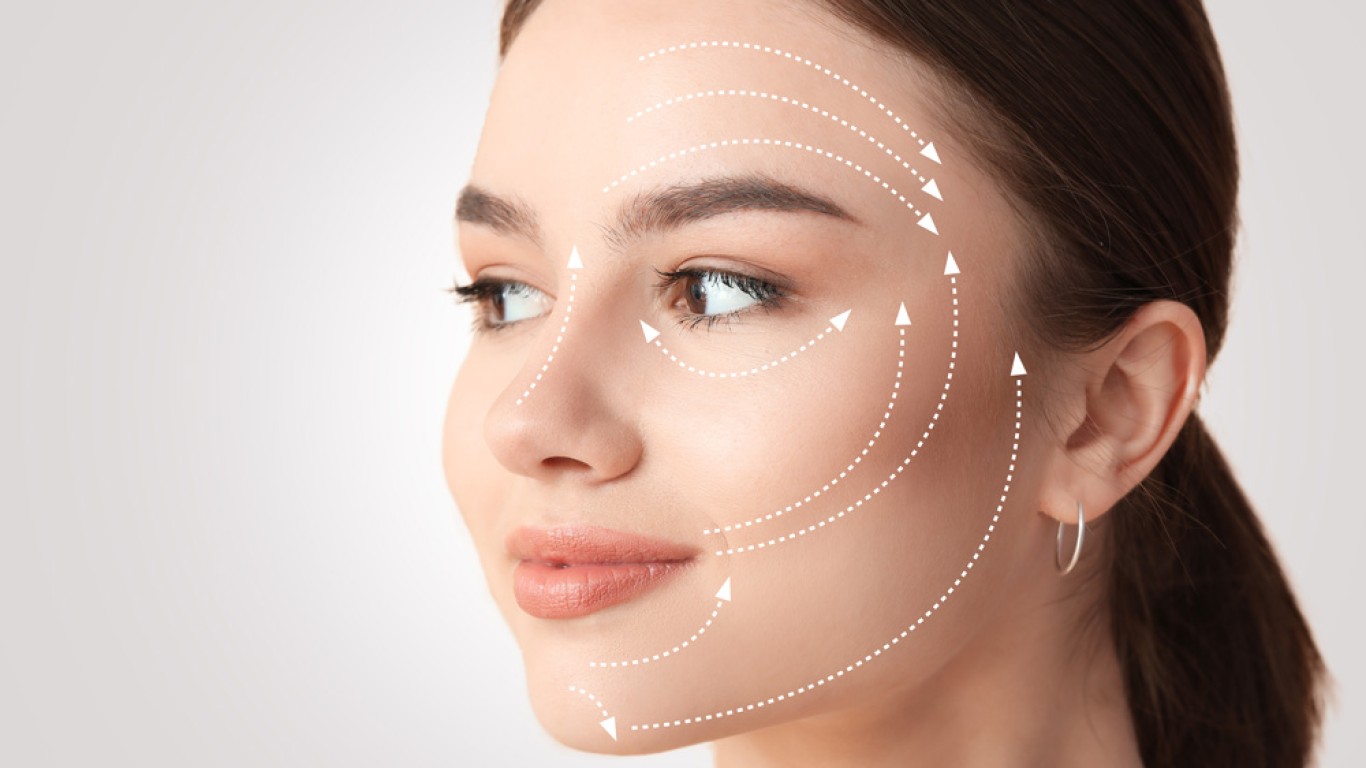
The face contains distinct fat compartments that support contours and volume. These fat pads provide softness and youthful shape. During rapid weight loss, fat is reduced unevenly across the body. Facial fat pads can shrink quickly. This loss reduces internal support for the skin. Without adequate volume, the skin may appear looser. Cheeks, temples and under-eye areas are often affected first. The result can be hollowing combined with sagging. Changes are more noticeable when weight loss happens quickly.
Skin Elasticity and Its Role in Facial Sagging
Skin elasticity determines how well skin retracts after volume loss. Younger skin generally contains higher levels of collagen and elastin. These fibres allow skin to adapt to changes. However, elasticity declines with age. When rapid weight loss occurs, the skin may not shrink at the same pace as fat loss. This mismatch creates laxity. Facial skin is thinner than body skin, making it more vulnerable. Reduced elasticity explains why sagging can persist even after weight stabilises.
The Impact of Age on Facial Changes After Rapid Weight Loss
Age plays a significant role in how the face responds to weight changes. Younger individuals may experience less visible sagging because their skin often adapts more effectively. Older individuals may notice more pronounced changes. Over time, collagen production slows naturally. Bone structure also changes subtly with age. Rapid weight loss can exaggerate these existing processes. Facial sagging becomes more apparent as multiple ageing factors combine. This explains why outcomes vary widely between individuals.
Why the Face Changes Faster Than the Body
The face often shows changes earlier than other areas because facial fat is metabolically active. This means that it responds quickly to calorie deficits. Body fat may reduce more gradually in comparison. Additionally, facial muscles are in constant motion - this movement can accentuate skin laxity once support is lost. The combination of fast fat loss and constant motion explains visible sagging. Rapid weight loss amplifies these effects.
Why Facial Sagging Can Feel Uneven or Asymmetrical
Facial sagging doesn’t always occur evenly. Fat compartments differ in size and responsiveness, so one side of the face may lose volume faster than the other. Muscle dominance can also influence how skin settles. This creates subtle asymmetry. Rapid weight loss can exaggerate these natural differences. Over time, balance may improve, but early unevenness is common.

Bone Structure Changes and Facial Support
Underlying bone structure contributes to facial shape. The jaw, cheekbones and eye sockets provide a framework. With age, bone density and volume can decrease slightly - this affects support. When rapid weight loss occurs, reduced fat reveals these structural changes. The face may appear more angular or sunken. Sagging can occur where soft tissue no longer has adequate support. Bone structure changes add another layer to the topic of facial transformation.
Lifestyle Factors That Influence Facial Sagging
Hydration, nutrition and sleep all affect skin quality. During rapid weight loss, dietary intake may be restricted, and this can limit nutrients essential for skin health. Protein, vitamins and minerals support collagen production. Insufficient intake may worsen laxity. Dehydration can reduce skin plumpness and stress associated with weight loss programmes also plays a role. Lifestyle factors influence how the face adapts to change.
Differences Between Gradual and Rapid Weight Loss
Gradual weight loss allows the body more time to adjust. Skin and soft tissues adapt more slowly, which can reduce the appearance of sagging. Rapid weight loss offers less adjustment time. When changes happen quickly, tissues can’t respond evenly. Facial sagging becomes more likely. This doesn’t mean rapid weight loss is harmful, but it does have visible effects. Understanding this difference helps with planning.
Areas of the Face Most Affected
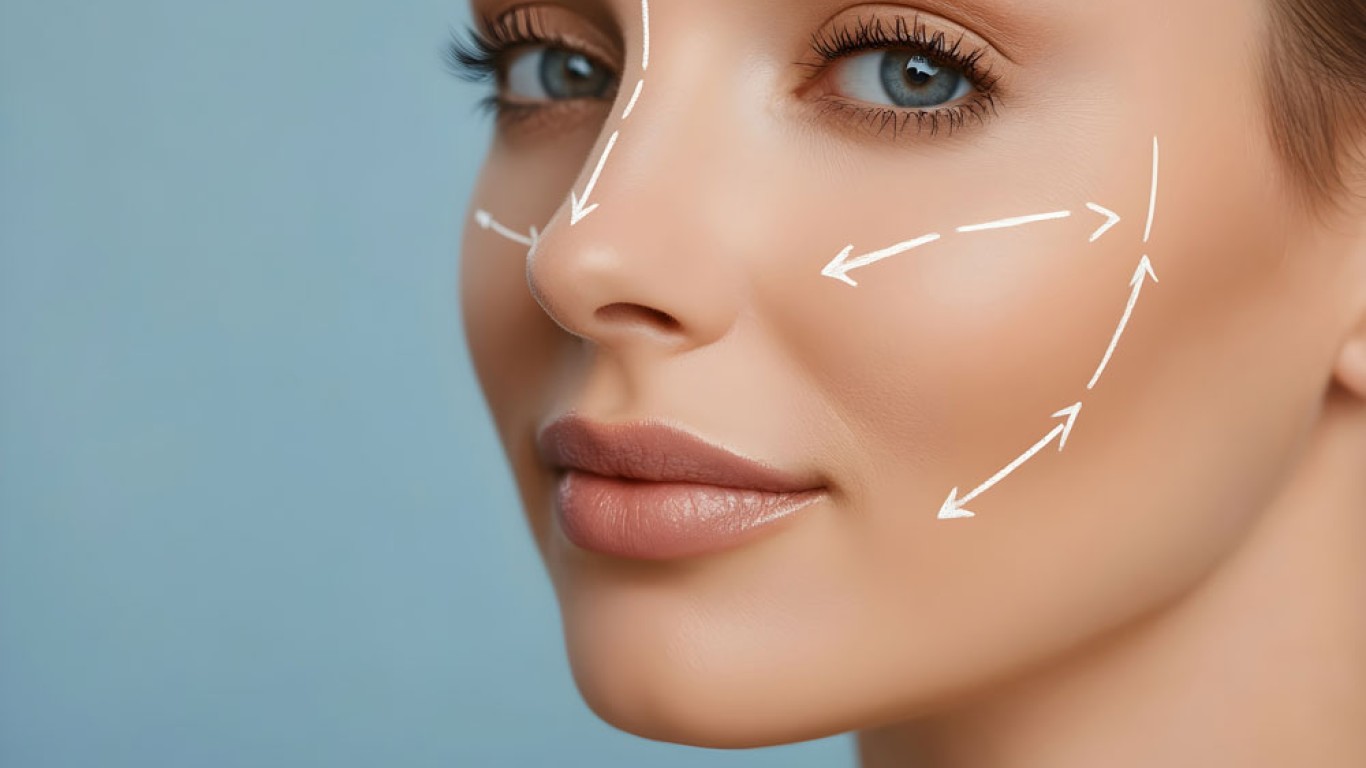
Certain facial regions are more prone to sagging after rapid weight loss. The cheeks often lose volume first and this affects midface support. The jawline may appear less defined. Under-eye areas can also become hollow while temples may look sunken. Nasolabial folds can deepen. These changes reflect where fat loss and skin laxity combine most strongly.
Non-Surgical Approaches to Facial Support
Many people explore non-surgical treatments first. These aim to improve skin quality and support. Skin tightening technologies can stimulate collagen and injectables may restore lost volume selectively. Treatment choice ultimately depends on the degree of sagging. Mild changes respond well to non-surgical options - these approaches focus on subtle restoration rather than dramatic alteration. Professional assessment will help guide your suitability.
The Role of Weight Loss Medications and Facial Changes
Modern weight loss medications can accelerate fat reduction significantly. While effective for body weight, facial fat may reduce quickly as well. This sudden change can affect facial fullness and support. The pace of change often outstrips skin adaptation. As a result, facial sagging may appear more noticeable. Understanding medication-related changes helps explain why some faces alter faster than expected.
Surgical Options for More Pronounced Sagging
When sagging is more advanced, surgical options may be considered. Procedures focus on repositioning and supporting facial tissues - they address deeper structural changes. Surgery is usually considered after weight stabilisation to help ensure that results remain consistent. Surgical planning accounts for facial anatomy and degree of laxity. Long-term balance is prioritised.
Hydration and Its Influence on Post-Weight Loss Facial Appearance
Hydration plays a critical role in skin appearance. During rapid weight loss, fluid intake may decrease unintentionally. Dehydrated skin appears thinner and less resilient - this can worsen the appearance of sagging. Maintaining hydration supports skin surface quality. While it cannot replace lost volume, it can soften visible changes and improve overall skin condition.
Seeking Solutions for Rapid Weight Loss in Turkey
Turkey continues to attract patients seeking specialist care for facial changes following significant weight reduction. Clinics provide tailored treatment options designed to address volume loss and skin laxity. Detailed consultations allow practitioners to evaluate facial structure and recent weight changes carefully. At leading healthcare clinics, assessment focuses on individual anatomy and long-term goals rather than standard protocols. Planning incorporates both skin quality and facial balance. International patients often appreciate the coordinated approach to treatment. This structured process supports consistent and well-considered outcomes.
Managing Expectations During Rapid Weight Loss
Understanding potential facial changes helps manage expectations. Weight loss goals should include consideration of how your appearance may change. Facial sagging does not negate health benefits. Early consultation allows proactive planning. Some patients combine weight loss with aesthetic maintenance. Education supports confidence throughout the process. Balanced expectations improve satisfaction.
Long-Term Facial Adaptation After Weight Stabilisation
Once weight stabilises, the face often adapts gradually. Skin quality may improve over time and some sagging reduces naturally. Other changes may remain. Long-term adaptation varies by individual. Maintenance strategies can support facial balance and stable weight allows clearer assessment of facial needs.
Conclusion
Facial sagging after rapid weight loss is a common and understandable response to sudden changes in volume and support. Factors such as fat loss, skin elasticity, age, and bone structure all contribute. The face often reflects these changes earlier than other areas. Understanding why these shifts occur allows individuals to plan more confidently. A range of non-surgical and surgical options can support facial balance once weight stabilises. With informed planning and professional guidance, facial changes can be addressed thoughtfully and effectively.
For more information about how to tackle facial sagging, visit the ACIBADEM Beauty Center website.
Frequently Asked Questions
Not everyone experiences facial sagging. The degree depends on age, skin elasticity, genetics, and how quickly weight is lost.
In some cases, mild sagging may improve gradually once weight stabilises, especially in younger individuals with good skin quality.
Loss of facial fat reduces structural support, which can highlight skin laxity and natural age-related changes.
Yes, rapid weight loss gives skin less time to adapt, making sagging more noticeable than with gradual weight reduction.
Most practitioners recommend waiting until weight has stabilised before assessing facial treatment options.