Ataşehir Mah. Feza Sk. No:3 İstanbul / Türkiye
 English
  German
  Spanish
Introduction
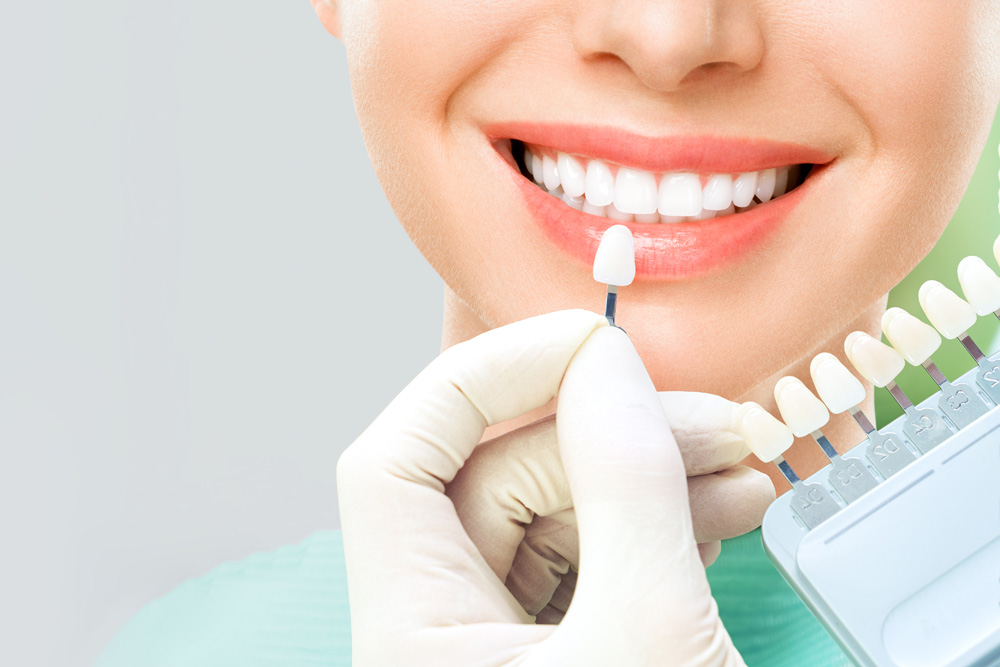
Dental veneers are one of the most popular cosmetic dentistry treatments worldwide. They transform smile appearance by covering imperfections on the front surface of the teeth. One of the most common questions patients ask is how long do veneers last. The answer depends on the material chosen, the quality of placement and ongoing aftercare habits. Understanding veneer lifespan helps patients plan their investment with realistic expectations. This article explains the factors that determine how long do veneers last. It covers material differences, aftercare practices and signs that replacement may be needed.
How Long Do Veneers Last by Material Type?
The material chosen has the greatest impact on how long do veneers last over time.
| Veneer Type | Typical Lifespan | Key Characteristic |
| Emax porcelain | Ten to fifteen years | Best translucency |
| Zirconia | Fifteen to twenty years | Strongest material |
| Composite | Five to seven years | Most affordable |
Porcelain veneers, particularly Emax, remain the most popular choice for smile makeovers due to their combination of aesthetics and longevity. Zirconia offers the longest lifespan and greatest strength. Composite veneers provide an affordable entry point but require earlier replacement or maintenance. It’s the most suitable material based on individual dental health, aesthetic goals and budget considerations.
What Affects How Long Do Veneers Last?
Several factors influence how long do veneers last beyond the material itself. The quality of the original placement is critically important. Precise preparation and accurate bonding create a strong foundation for longevity. The skill and experience of the cosmetic dentist directly affect outcome durability. Oral hygiene habits play a significant role in veneer lifespan. Poor hygiene allows decay to develop at the margins where the veneer meets the natural tooth. This can undermine the restoration from beneath. Bite alignment influences how forces are distributed across the veneers during chewing. Teeth grinding or clenching applies excessive pressure that can cause chipping or fracture over time. Dietary habits also contribute to veneer longevity in measurable ways.
Lifestyle factors such as smoking can affect gum health around the veneers. Patients with healthy gums generally experience better long-term veneer stability. Regular professional monitoring also helps identify minor issues before they become significant. Patients who attend reviews regularly often achieve better long-term outcomes. Small adjustments can be made before more significant problems develop.
How Long Do Veneers Last with Proper Aftercare?
Proper aftercare significantly extends veneer lifespan. Patients who follow recommended hygiene practices consistently can expect their veneers to last toward the upper end of the expected range. Brushing twice daily with a non-abrasive fluoride toothpaste protects the veneers and surrounding teeth. Flossing daily around each veneer prevents plaque accumulation at the margins. Regular dental check-ups every six months allow the dentist to monitor veneer condition. Professional cleaning removes tartar that home care may miss.
How long do veneers last depends heavily on the consistency of these habits over many years. Patients who attend regular dental appointments and maintain good hygiene routinely achieve the longest veneer lifespans. Neglecting aftercare can reduce veneer longevity by several years regardless of material quality. Consistent preventive care often reduces the need for future repairs or adjustments. Using a fluoride mouthwash may provide additional protection for natural tooth structure. Healthy surrounding teeth contribute to overall veneer longevity.
Habits That Shorten How Long Do Veneers Last
Certain habits reduce veneer lifespan noticeably. Teeth grinding, known as bruxism, places excessive force on veneers during sleep. This can cause chips, cracks or complete fracture over time. Patients who grind their teeth should wear a custom night guard to protect their veneers. Biting hard objects such as ice, pen caps or fingernails creates concentrated pressure. Veneers are not designed to withstand this. Using teeth as tools to open packaging is a common cause of veneer damage.
Consuming highly acidic foods and drinks frequently can weaken the bonding adhesive over many years. Smoking affects gum health and can lead to gum recession that exposes veneer margins. Poor oral hygiene allows decay beneath the veneer that eventually compromises the restoration. Avoiding these habits supports how long do veneers last throughout their expected lifespan. Frequent consumption of sugary foods can increase the risk of decay. This may compromise the teeth supporting the veneers.
Signs That Veneers May Need Replacement
Recognising when veneers need attention helps patients maintain their smile quality. Visible chips or cracks indicate structural damage that may require replacement. Discolouration at the margins suggests possible decay beneath the veneer surface. Gum recession exposing the veneer edge creates both aesthetic and health concerns. A veneer that feels loose or moves slightly requires prompt dental assessment. Sensitivity around a veneered tooth may indicate an issue with the underlying tooth structure. Changes in bite alignment or comfort when chewing should be evaluated. Regular dental check-ups identify these issues before they become more significant. How long do veneers last without problems depends partly on early detection and timely intervention. Replacing a single veneer is straightforward and does not require replacing the entire set. Early treatment often prevents additional wear affecting neighbouring veneers.
How Long Do Veneers Last: Porcelain vs Composite
The difference in longevity between porcelain and composite veneers is substantial. Porcelain veneers resist staining more effectively than composite alternatives over time. The surface of porcelain is smoother and less porous. It does not absorb colour from food and drink in the same way. Composite veneers may require polishing or repair within three to five years. Staining is more common with composite materials, particularly from coffee, tea and red wine. Porcelain maintains its original shade more reliably throughout its lifespan. How long do veneers last also relates to structural integrity. Porcelain resists chipping better under normal biting forces. Composite is softer and more vulnerable to wear. For the longest-lasting results, porcelain remains the superior material choice despite the higher initial investment.
Aftercare Routine for Maximum Veneer Lifespan
A consistent aftercare routine maximises how long do veneers last over many years. Brush twice daily using a soft-bristled toothbrush to avoid surface scratching. Use non-abrasive fluoride toothpaste. Whitening toothpastes can be mildly abrasive and are generally unnecessary for porcelain veneers. Floss daily using gentle technique around each veneer margin. An interdental brush may help clean tight spaces between veneered teeth. Rinse with an alcohol-free mouthwash to protect gum health without drying oral tissues. Attend professional dental cleaning every six months. Wear a night guard if teeth grinding is present or suspected. Avoid biting directly into very hard foods with the front teeth. Cut hard foods into smaller pieces and chew with the back teeth instead. These habits collectively support the longest possible veneer lifespan.
How Long Do Veneers Last in Turkey vs the UK?
Veneer longevity depends on material quality and placement skill rather than treatment location. Turkish clinics use the same genuine veneer materials available in UK practices including Emax and zirconia. Experienced Turkish cosmetic dentists perform veneer treatments at high volume daily. This develops refined technique and precise craftsmanship. JCI-accredited Turkish clinics follow international clinical protocols consistently. How long do veneers last when placed by an experienced Turkish dentist is comparable to results achieved in the UK. The pricing difference does not reflect reduced quality. It reflects lower operational costs within the Turkish healthcare economy. Patients should evaluate dentist experience, material authenticity and clinic accreditation when comparing treatment destinations. Choosing well ensures that veneers lifespan meets the expected 10-15 year benchmark regardless of country.
Conclusion
How long do veneers last depends primarily on material choice, placement quality and ongoing aftercare habits. Porcelain veneers typically last ten to fifteen years. Zirconia may last fifteen to twenty years. Composite veneers last five to seven years. Proper oral hygiene, regular dental check-ups and protective habits like wearing a night guard all extend lifespan. How long do veneers last is also influenced by avoiding damaging habits such as teeth grinding and biting hard objects. Professional consultation determines the most appropriate material for individual needs. Turkey offers veneer treatment at competitive pricing using identical materials to those available in the UK. Choosing an experienced cosmetic dentist remains one of the most important factors for long-term success. Long-lasting results depend on a partnership between the patient and dentist. Consistent care and monitoring help preserve both appearance and function for many years.
For more information on veneers and to book a consultation visit the ACIBADEM Beauty Center Dental Treatments page.
Frequently Asked Questions
Porcelain veneers typically last ten to fifteen years with proper care.
Yes, veneers eventually require replacement. Lifespan depends on material and aftercare.
Yes, individual veneers can be replaced without affecting the remaining set.
Porcelain resists staining well. Composite veneers are more prone to discolouration.
Consistent oral hygiene, regular dental visits and wearing a night guard support maximum lifespan.