Ataşehir Mah. Feza Sk. No:3 İstanbul / Türkiye
 French
  English
  German
  Spanish
Introduction
Aesthetic dentistry offers several options for improving smile appearance in a personalised way. Two of the most commonly requested treatments are bonding and veneers. Cosmetic dental bonding is often chosen for conservative enhancement and minor corrections. Veneers, however, provide a more comprehensive transformation when multiple concerns are present. Understanding the differences between these treatments helps patients make informed and confident decisions. Factors such as durability, maintenance, cost and long-term expectations must be considered carefully. Treatment choice should reflect both aesthetic goals and functional stability. A detailed consultation ensures balanced planning and realistic outcomes.
What Is Cosmetic Dental Bonding?
Cosmetic dental bonding involves applying tooth-coloured composite resin directly to the enamel surface. The material is carefully shaped and sculpted to correct chips, small gaps, uneven edges or minor discolouration. Cosmetic dental bonding is typically completed in a single visit without the need for laboratory fabrication. The procedure usually requires minimal or no enamel removal, preserving natural tooth structure. Because it is conservative, bonding is often reversible or adjustable if needed. The composite material is hardened using a curing light, then polished for a natural finish. This makes it a practical option for subtle improvements.
What Are Dental Veneers?
Veneers are thin porcelain shells custom-designed to fit over the front surface of teeth. A small amount of enamel is typically removed to ensure a precise fit. Impressions are taken and sent to a dental laboratory for fabrication. Unlike cosmetic dental bonding, veneers require multiple appointments for preparation and placement. Veneers can dramatically improve tooth shape, colour and alignment. Porcelain material offers strength and lifelike translucency. They are often selected for comprehensive smile redesign rather than isolated corrections.
Cosmetic Dental Bonding vs Veneers: Durability and Longevity
Composite resin used in cosmetic dental bonding generally lasts five to seven years with proper care. Veneers, particularly porcelain versions, may last ten to fifteen years or longer. Porcelain is more resistant to staining and surface wear. Bonding may require occasional touch-ups or polishing to maintain brightness. Durability differences influence long-term treatment planning. Patients who grind their teeth may require protective night guards. Lifestyle habits such as smoking can also impact longevity.
Cosmetic Dental Bonding vs Veneers: Aesthetic Appearance
Cosmetic dental bonding provides natural-looking correction for minor flaws. The composite material can be colour-matched precisely to surrounding enamel. However, porcelain veneers offer enhanced translucency and depth similar to natural teeth. Veneers reflect light more realistically under various lighting conditions. For subtle enhancement, bonding may be entirely sufficient. For dramatic uniformity and complete colour change, veneers are often preferred. Artistic layering techniques improve realism in both treatments.
Cosmetic Dental Bonding and Cost Comparison
Cosmetic dental bonding is generally more affordable than veneers due to shorter treatment time and no laboratory involvement. It is often chosen when budget is a primary consideration. Veneers involve custom fabrication, which increases overall cost. However, their longer lifespan may offset the initial expense over time. Treatment cost should be evaluated alongside durability and maintenance needs. Transparent consultation clarifies total financial expectations.
Cosmetic Dental Bonding vs Veneers: Treatment Time and Convenience
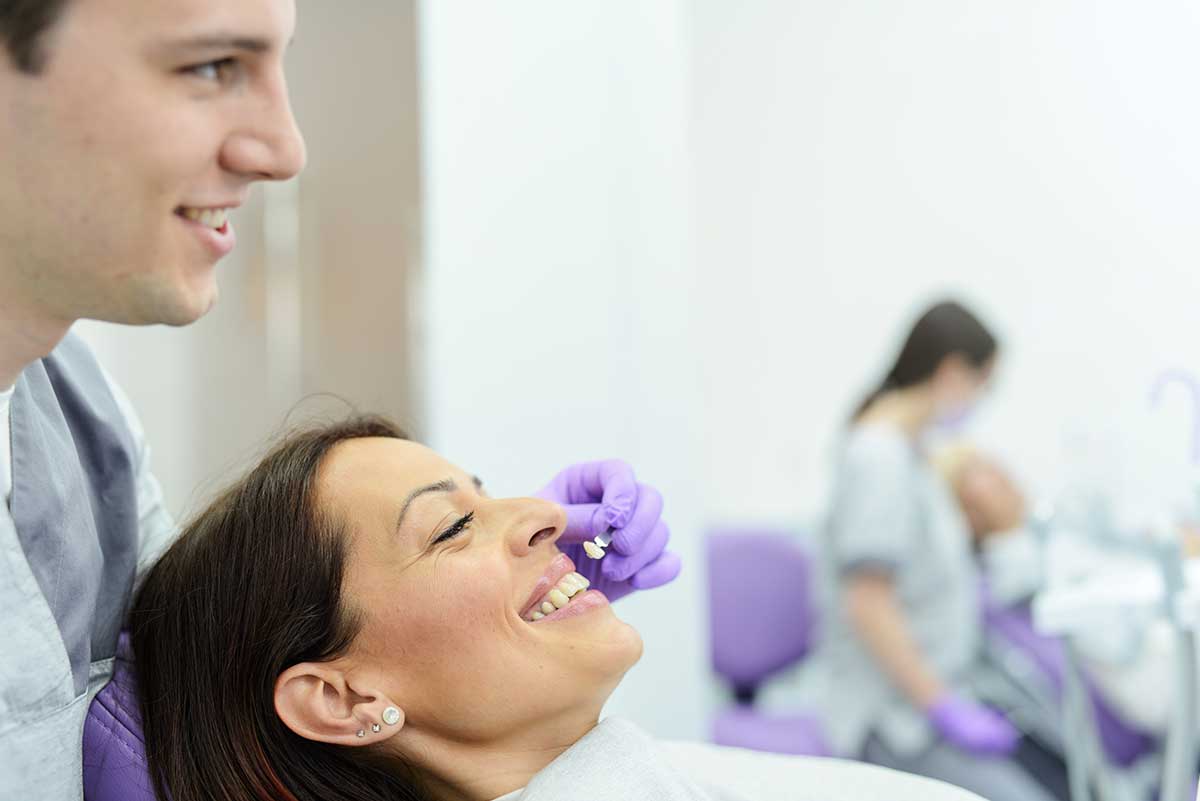
Bonding is typically completed in a single appointment, making it convenient for busy schedules. The dentist sculpts and polishes the composite material immediately. Veneers require at least two visits, including preparation and final placement. Temporary restorations may be worn while the final veneers are fabricated. Cosmetic dental bonding offers immediate visual improvement. Veneers involve more structured planning but provide comprehensive transformation.
Suitability for Different Concerns
Small chips, minor spacing and limited discolouration respond well to cosmetic dental bonding. More extensive staining, irregular shape or alignment concerns may benefit from veneers. Severely misaligned teeth may require orthodontic correction first. Each case requires personalised evaluation of enamel thickness and bite function. Treatment selection depends on long-term goals and oral health. Balanced assessment ensures appropriate recommendation.
Cosmetic Dental Bonding vs Veneers: Maintenance Requirements
Bonded composite may stain gradually with exposure to coffee, tea or tobacco. Periodic polishing can refresh surface brightness. Veneers are more resistant to staining but still require regular cleaning. Both treatments demand consistent oral hygiene practices. Routine dental visits monitor structural integrity. Proper maintenance supports long-term satisfaction and durability.
Why Many Patients Choose Turkey for Smile Enhancement
Turkey offers advanced cosmetic dentistry with experienced clinicians and digital planning tools. Comprehensive consultation ensures personalised smile analysis before treatment begins. Cosmetic dental bonding and veneers are performed using high-quality materials and precise techniques. Competitive pricing combined with modern facilities attracts international patients. Structured follow-up and coordinated care enhance reassurance. Multidisciplinary expertise supports refined and predictable outcomes.
Reversibility and Tooth Preservation
One important distinction between treatments is reversibility. Cosmetic dental bonding is generally considered minimally invasive. In many cases, little to no enamel removal is required. This means the natural tooth structure remains largely intact. If desired, bonding can often be modified or replaced without extensive preparation. Veneers, however, usually involve permanent enamel reduction. Once enamel is removed, it does not regenerate. Patients who prioritise tooth preservation may therefore prefer a conservative approach.
Repair and Adjustment Flexibility
Composite material used in bonding is easier to adjust or repair. If a small chip occurs, the dentist can often add material directly. Colour adjustments can also be made chairside if needed. Cosmetic dental bonding allows for relatively simple refinements over time. Veneers, in contrast, typically require replacement if significant damage occurs. Porcelain cannot be repaired in the same way as composite resin. Flexibility can influence long-term planning decisions.
Stain Resistance and Colour Stability
Colour stability is a key consideration in cosmetic dentistry. Composite resin may absorb surface stains gradually. Regular polishing helps maintain brightness, but some discolouration may occur over time. Porcelain veneers are more resistant to staining due to their glazed surface. This makes them particularly suitable for patients who frequently consume coffee or tea. When long-term colour consistency is a priority, material properties become important.
Impact on Speech and Adaptation
Any change to tooth shape or thickness may temporarily influence speech. Most patients adapt quickly to cosmetic dental bonding because the material layer is usually thin. Veneers may slightly alter tooth contour more noticeably at first. Speech adjustments are typically short-lived as the tongue adapts. Proper design ensures phonetics remain natural. Careful planning minimises disruption to everyday communication.
Case Complexity and Smile Goals
Treatment choice often depends on the complexity of aesthetic concerns. Cosmetic dental bonding works well for isolated imperfections affecting one or two teeth. Veneers are frequently chosen when multiple teeth require transformation. For example, uneven spacing across the entire smile may benefit from veneers. Broader smile redesign typically requires laboratory-crafted precision. Identifying the scale of desired change guides decision making.
Long-Term Investment Perspective
Patients often consider both immediate affordability and long-term value. Cosmetic dental bonding offers a lower initial cost. However, periodic maintenance or replacement may be required. Veneers involve a higher upfront investment but often last longer. Evaluating cost over ten or fifteen years provides clearer perspective. Financial planning should reflect durability expectations.
Lifestyle and Habit Considerations
Certain habits may influence treatment choice. Individuals who grind their teeth may require protective guards regardless of treatment. Bonding may wear more quickly under heavy pressure. Veneers are stronger but still benefit from protection. Nail biting or opening objects with teeth can damage either option. Lifestyle awareness supports longevity of results.
Personal Preference and Aesthetic Philosophy
Some patients prefer subtle, gradual enhancement. Cosmetic dental bonding allows incremental improvement without major alteration. Others desire a complete transformation in shape and colour. Veneers provide this comprehensive approach. Aesthetic philosophy varies between individuals. Consultation ensures alignment between expectation and method. Overall, choosing between bonding and veneers depends on preservation priorities, durability expectations and the scale of desired change. Both options can deliver natural and confident smiles when carefully planned. Understanding material differences, repair flexibility and long-term considerations allows patients to select the most appropriate path for their aesthetic goals and lifestyle.
Conclusion
Cosmetic dental bonding and veneers each offer distinct advantages depending on patient needs. Bonding provides conservative, affordable enhancement for minor imperfections. Veneers deliver long-lasting and comprehensive smile transformation. The most suitable option depends on aesthetic goals, durability expectations and budget considerations. Both options can deliver natural and confident smiles when carefully planned. Understanding material differences, repair flexibility and long-term considerations allows patients to select the most appropriate path for their aesthetic goals and lifestyle. With professional guidance and personalised planning, patients achieve natural, confident and proportionate smiles that align with their individual preferences.
For more information and to book a consultation visit the ACIBADEM Beauty Center Dental Treatments webpage.
Frequently Asked Questions
It is a composite resin applied to improve tooth appearance.
They are long-lasting but may require replacement eventually.
Bonding is generally less expensive.
Yes, when performed correctly.
Consultation determines the most suitable option.