Ataşehir Mah. Feza Sk. No:3 İstanbul / Türkiye
 French
  English
  German
  Spanish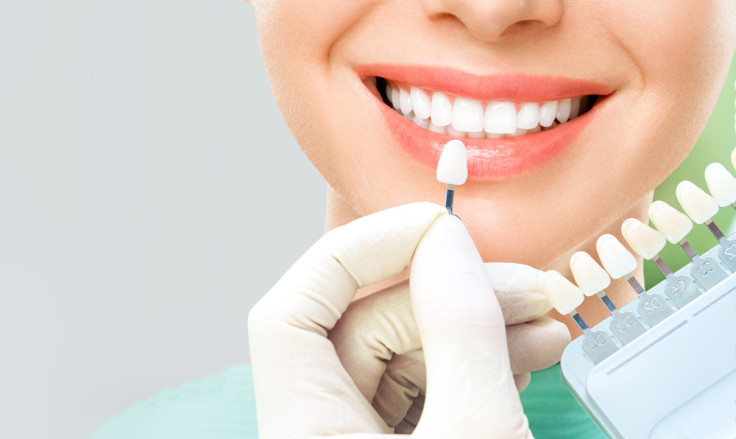
Modern cosmetic dentistry increasingly focuses on subtle refinement rather than dramatic alteration. One of the most effective treatments supporting this shift is the use of veneers teeth. Veneers improve tooth colour, shape, and alignment while preserving natural facial harmony. Rather than simply whitening teeth, veneers help create balance across the entire smile. Understanding how veneers work explains why they remain a popular choice for long-term aesthetic improvement.
What Are Veneers Teeth and How Do They Work
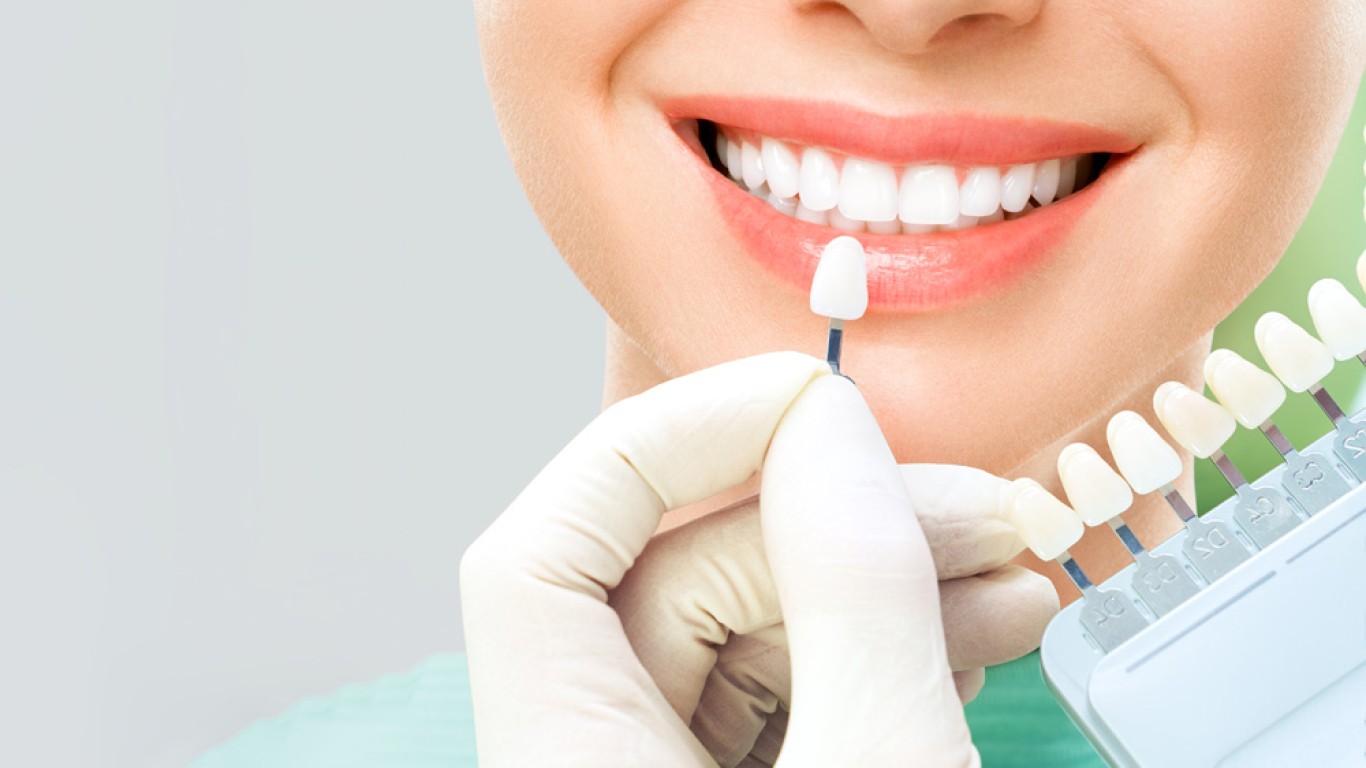
Veneers are thin shells bonded to the front surface of natural teeth. They are custom designed to match facial proportions and lip movement. Veneers can correct uneven edges, discolouration, spacing and minor misalignment. Modern materials closely replicate natural enamel. This allows results to appear realistic rather than artificial.
Why Tooth Colour Changes Over Time
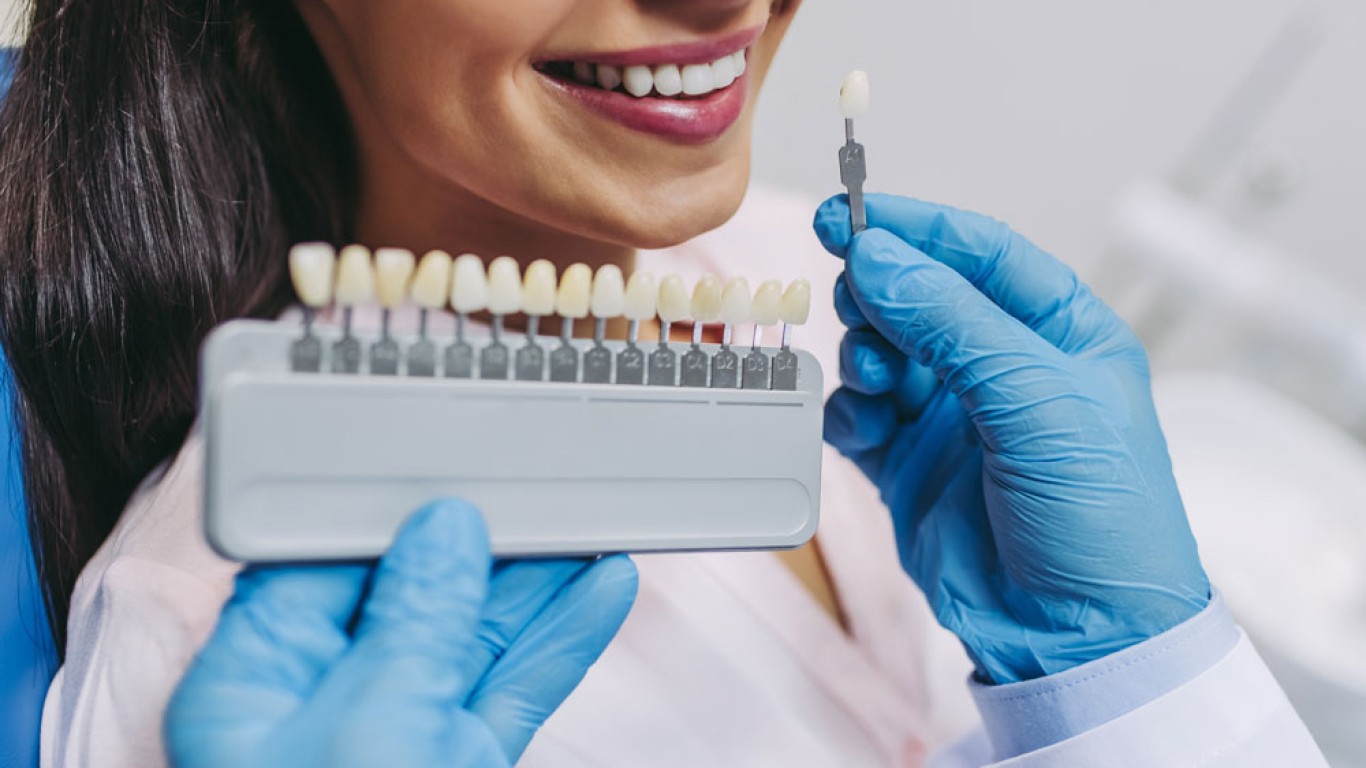
Tooth colour naturally changes due to ageing, diet, and enamel thinning. Staining penetrates deeper layers of the tooth over time. Whitening treatments may struggle with deep discolouration. Veneers provide consistent brightness by covering the underlying tooth structure. This creates a stable white shade unaffected by surface staining.
How Veneers Teeth Create a Whiter Smile
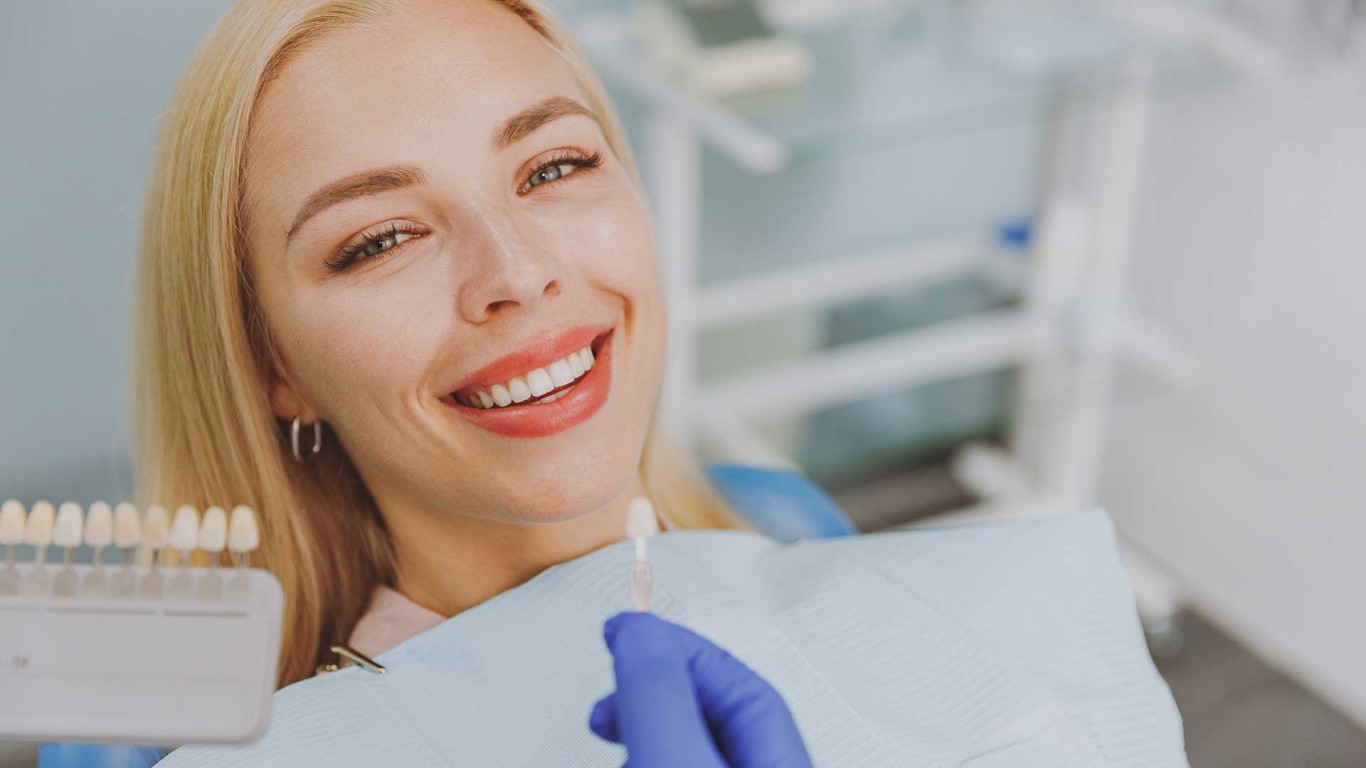
Veneers achieve whitening through material selection rather than bleaching. Dentists choose shades that complement skin tone and facial features. The colour remains consistent across all treated teeth. Veneers resist staining from common foods and drinks. This maintains brightness longer than whitening treatments alone.
The Role of Balance in Smile Aesthetics
A balanced smile depends on more than tooth colour alone. Tooth size, shape, and spacing influence facial symmetry. Veneers teeth allow dentists to adjust these elements carefully. This creates proportion between the upper and lower teeth. Balanced smiles appear more natural and refined.
Correcting Uneven Tooth Shapes with Veneers Teeth
Uneven or worn teeth can disrupt smile harmony. Veneers reshape teeth to achieve consistent length and contour. This is particularly useful for chipped or flattened edges. Small adjustments improve alignment visually. Veneers restore symmetry without orthodontic treatment in suitable cases.
Closing Gaps and Improving Alignment
Minor gaps between teeth affect smile balance. Veneers can close these spaces without braces. They also improve the appearance of slightly rotated teeth. This approach works best for mild alignment concerns. Veneers teeth provide immediate visual improvement with careful planning.
How Veneers Affect Facial Proportions
Teeth influence how lips and cheeks are supported. Improved tooth shape enhances lip posture at rest. Veneers teeth can subtly improve lower facial balance. These changes integrate naturally with facial movement. Proper planning avoids over-projection or excessive width.
Material Choices for Veneers Teeth
Veneers are typically made from porcelain or composite resin. Porcelain veneers offer superior durability and colour stability. Composite veneers require less preparation and can be adjusted easily. Material choice depends on goals and tooth condition. Both options support balanced smile enhancement.
Natural Light Reflection and Veneers
Natural teeth reflect light unevenly due to enamel translucency. High-quality veneers mimic this effect accurately. Flat, opaque veneers appear artificial. Modern veneers teeth are layered to replicate enamel depth. This creates a lifelike finish under different lighting conditions.
Preparing Teeth for Veneers
Tooth preparation is conservative in modern dentistry. Minimal enamel is removed to ensure proper bonding. This preserves tooth strength and sensitivity. In some cases, preparation is not required at all. Veneers planning prioritises long-term tooth health.
The Importance of Custom Smile Design
Smile design considers facial symmetry, lip line, and tooth proportions. Dentists analyse how teeth appear during speech and smiling. Veneers are customised individually rather than uniformly. This prevents a generic appearance. Personalised design helps to support balanced outcomes.
Veneers Teeth vs Teeth Whitening
Whitening improves colour but not shape or alignment. Veneers provide comprehensive smile enhancement. They correct multiple concerns simultaneously. For deeply stained or uneven teeth, veneers teeth offer more predictable results. The choice depends on desired scope of improvement for the patient.
Short and Long-Term Longevity of Veneers Teeth
Caring for veneers mirrors natural tooth care. Gentle brushing and flossing are essential. Non-abrasive toothpaste protects the surface. Regular dental reviews monitor condition. Proper care helps veneers teeth maintain appearance and function.
Veneers are designed for long-term use. Porcelain veneers often last many years with proper care. Regular hygiene supports durability. Although veneers resist staining, maintenance remains important. Long-lasting results contribute to their popularity.
How Veneers Support Consistent Smile Appearance
Natural teeth may change colour unevenly over time. Veneers maintain uniform appearance across treated teeth. This consistency supports predictable aesthetics. Smile appearance remains stable across years. Veneers reduce the need for repeated whitening.
Age and Veneer Planning
Veneer design varies depending on age. Younger smiles often feature softer edges. Mature smiles require refined structure without excessive brightness. Dentists adjust shape and shade accordingly. Veneers teeth planning respects age-appropriate aesthetics.
Avoiding Over-White Results
Excessively white veneers appear unnatural. Modern dentistry avoids extreme brightness. Shades are selected for harmony rather than contrast. Subtle whiteness supports realism. Balanced colour selection defines successful veneers teeth outcomes.
When Veneers Are Not Suitable
Veneers may not suit teeth with extensive decay or structural weakness. In such cases, alternative restorations may be recommended. Proper assessment ensures appropriate treatment choice. Veneers teeth suitability depends on individual dental health.
Conclusion
Veneers teeth create a whiter, more balanced smile by improving colour, shape, and proportion together. Unlike whitening alone, veneers provide structural refinement and long-term consistency. Careful planning ensures results integrate naturally with facial features. When designed conservatively, veneers deliver subtle enhancement that remains stable over time.
For more information and to book a consultation visit the ACIBADEM Beauty Center Veneers webpage.
Frequently Asked Questions
Yes, veneers maintain their colour without whitening treatments.
They correct mild shape and alignment concerns.
Suitability depends on tooth health and structure.
They often last many years with proper care.
Yes, when designed with proper translucency and proportion.