Ataşehir Mah. Feza Sk. No:3 İstanbul / Türkiye
 French
  English
  German
  Spanish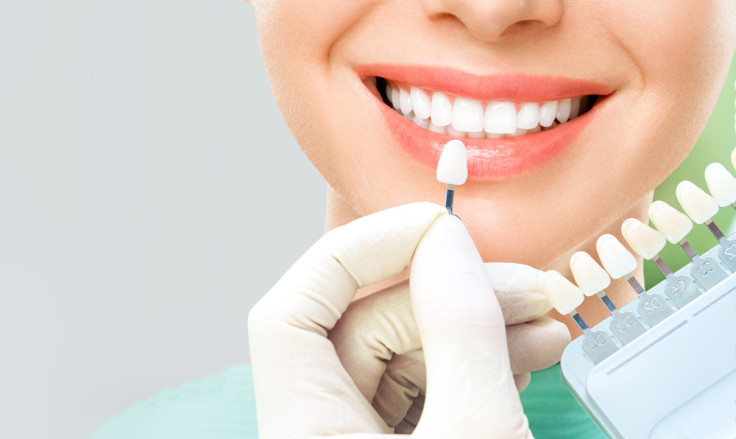
Introduction
Dental veneers are one of the most popular cosmetic dental treatments worldwide. They transform the appearance of the smile by covering imperfections such as discolouration, chips, gaps and minor misalignment. Turkey has become a leading destination for veneer treatment among international patients. The combination of experienced cosmetic dentists, in-house laboratories and competitive pricing makes veneers in Turkey an attractive option. This article guides patients through the complete treatment journey. It explains each stage from initial research to aftercare at home.
Why Patients Choose Veneers in Turkey
International patients choose veneers in Turkey for several compelling reasons. Per-tooth pricing is significantly lower than in the UK. Experienced cosmetic dentists perform veneer treatments daily at high volume. Many clinics operate in-house laboratories that reduce fabrication time and cost. Modern digital smile design technology supports precise planning. All-inclusive packages cover consultation, treatment, accommodation and transfers. Veneers in Turkey offer strong value without compromising on material quality. Clinics use internationally recognised porcelain and zirconia brands. Turkey has the combination of affordability, expertise and convenience. This continues to attract thousands of international dental patients each year.
Remote Consultation and Smile Design
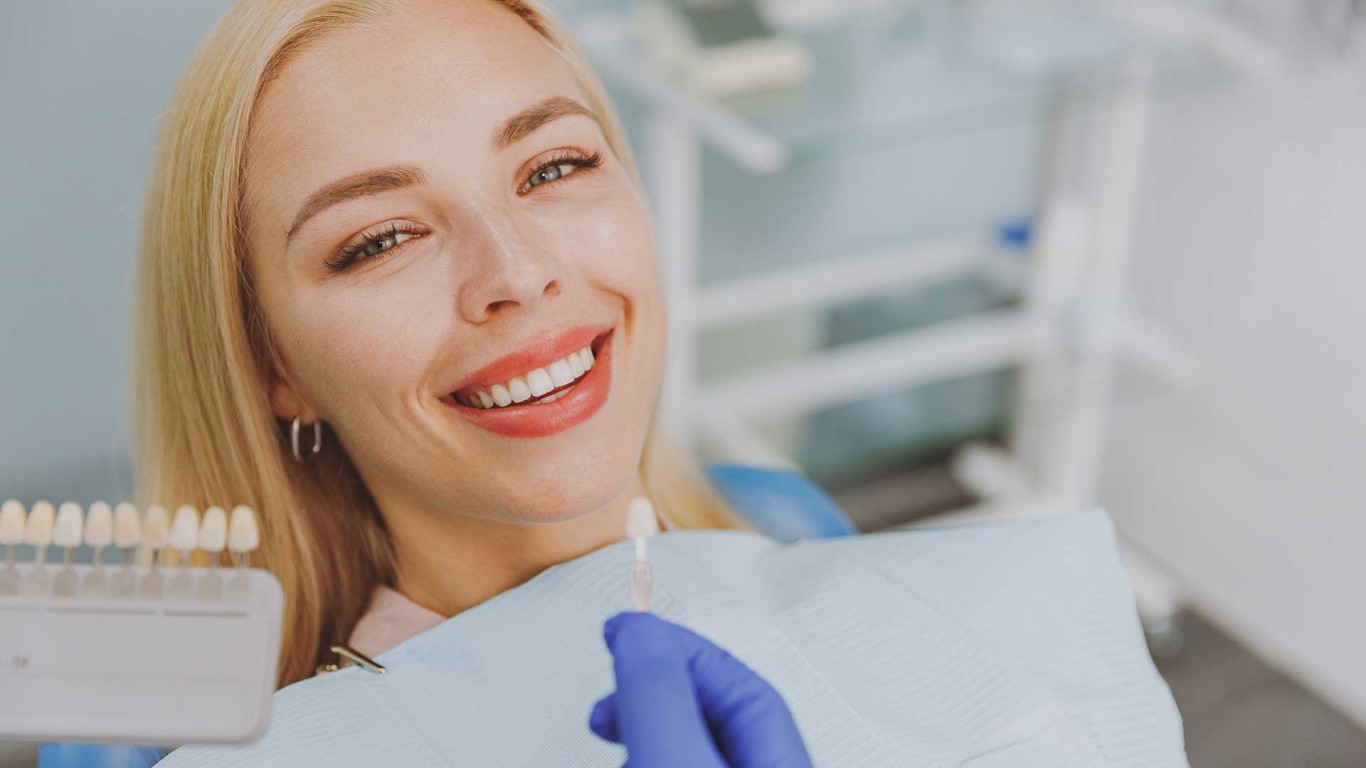
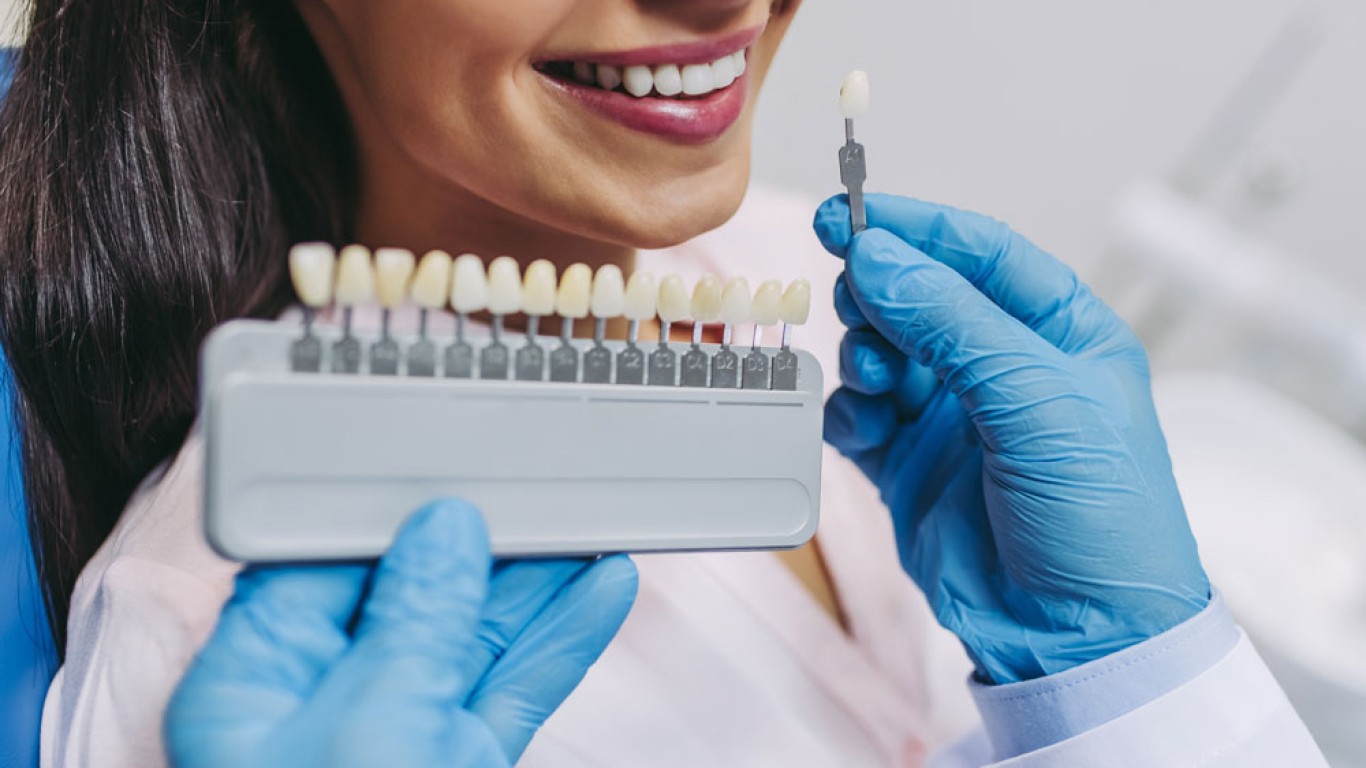
The journey begins with a remote consultation. Patients share photographs showing their current smile from multiple angles. The dentist assesses tooth condition, alignment and colour. Digital smile design software creates a preview of the expected result. Patients can view and approve the proposed design before travelling. Veneers in Turkey consultation covers how many teeth will be treated, material options and the treatment timeline. Porcelain and zirconia are the most common choices. The consultation also confirms what is included in the package pricing. Patients should use this appointment to discuss shade selection and any specific aesthetic preferences. Many clinics also provide guidance on smile proportions and facial harmony. This ensures the final result complements the patient’s overall appearance naturally.
What Veneers in Turkey Packages Include
Comprehensive packages simplify the experience. A veneers in Turkey package typically includes:
- Consultation, digital smile design and diagnostic imaging.
- Tooth preparation and temporary veneer placement.
- Final veneer fabrication in the clinic's laboratory.
- Bonding, fitting and shade matching of permanent veneers.
- Hotel accommodation and airport transfers.
- Follow-up appointments before departure.
UK pricing typically separates each component individually. Turkish packages bundle everything into a single transparent price. This makes financial planning straightforward for patients travelling from abroad.
Travel Planning for Veneers in Turkey
Most veneer treatments are completed within five to ten days. Patients fly to Istanbul which is well connected to major European cities. Hotel accommodation is typically arranged near the clinic for convenient appointment access. Comfortable travel clothing is sufficient. No special post-treatment wardrobe is needed. Veneers in Turkey trip planning should include booking flexible flights in case scheduling adjustments are required. Travel insurance is recommended. Patients should confirm the number of appointments needed and schedule accordingly. Most treatments involve two to three clinic visits spread across the stay. Many patients also use free time between appointments to explore Istanbul and enjoy the city. This can all be done during the treatment process.
Arrival and First Appointment
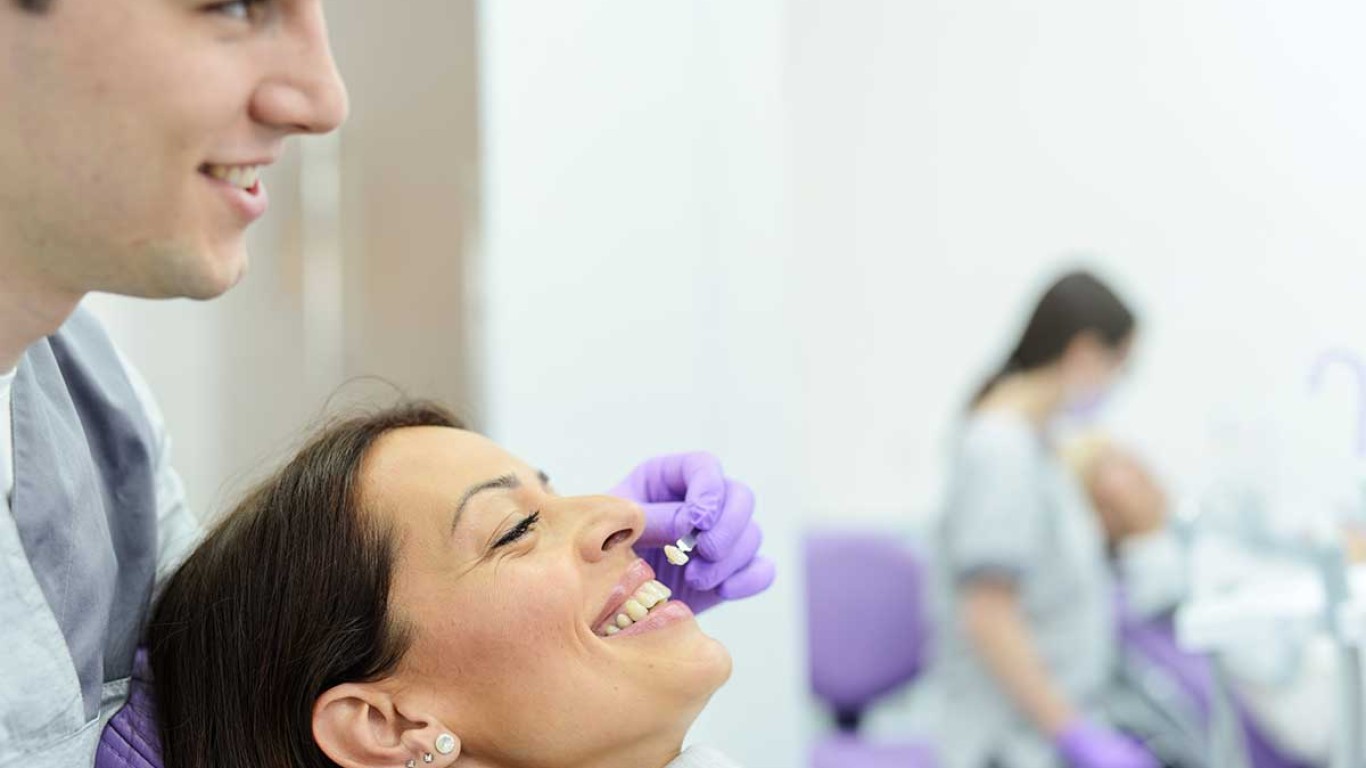
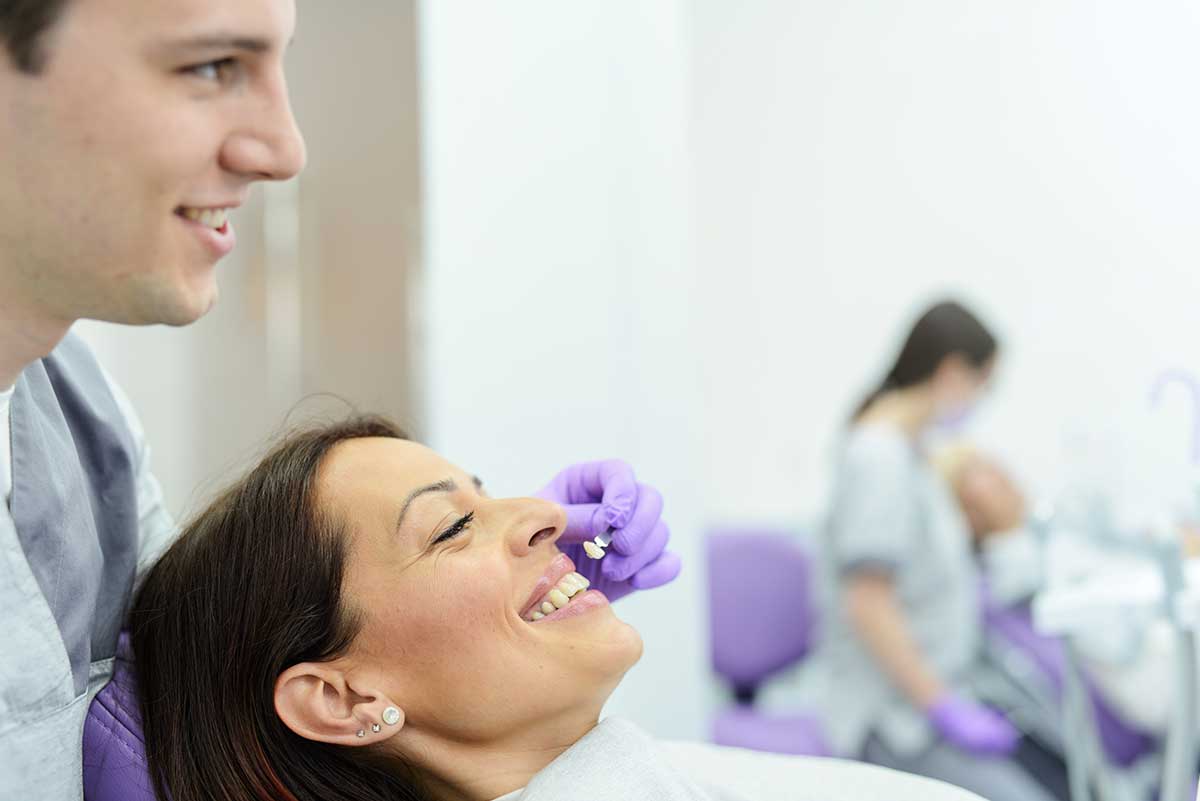
The first appointment involves an in-person examination. The dentist assesses tooth health, gum condition and bite alignment. Digital scans or impressions capture precise measurements. Teeth are prepared for veneers. This involves removing a thin layer of enamel from the front surface. Temporary veneers are placed to protect the prepared teeth during the fabrication period. Veneers in Turkey first appointments are comprehensive. Patients leave with a clear understanding of the treatment timeline. The dental laboratory begins fabricating the permanent veneers immediately. Shade selection is confirmed using physical samples under natural lighting conditions.
The Fabrication Process
Permanent veneers are crafted in the dental laboratory over several days. In-house laboratories allow close collaboration between the dentist and technician. The dentist can request adjustments to shape, shade and translucency during the fabrication process. This produces more precise and personalised results than outsourced laboratory work. Veneers in Turkey benefit from this integrated approach. Porcelain veneers are layered to replicate the natural light properties of real teeth. Zirconia veneers are milled using computer-aided technology for precise fit. The fabrication process typically takes three to five working days depending on the number of veneers being produced. Detailed craftsmanship during this stage helps create veneers that appear natural both in photographs and everyday lighting conditions.
Veneers in Turkey: Final Fitting and Bonding
The final appointment involves trying the permanent veneers before bonding. The dentist places each veneer temporarily to check fit, colour and alignment. Adjustments are made if needed. Once the patient approves the result, the veneers are permanently bonded using dental adhesive. The bite is checked and refined. Veneers in Turkey final fitting appointments are thorough. The dentist ensures every veneer sits correctly and looks natural. The bonding process takes one to two hours for a full set. Patients leave with their completed smile. The transformation is immediate and visible. Photographs are often taken at this stage to document the completed result. It is used to compare it with the original smile before treatment began.
Aftercare and Returning Home
A follow-up appointment may be scheduled before departure to check the veneers and bite. Aftercare instructions cover daily hygiene, foods to avoid initially and long-term maintenance. Veneers in Turkey aftercare includes remote follow-up through video consultations and photograph reviews. Patients can contact the clinic with any questions after returning home. Daily brushing and flossing around the veneer margins protects against decay. Professional dental check-ups every six months support long-term veneer health. Patients should avoid biting hard objects and wearing night guards if they grind their teeth during sleep. Maintaining healthy oral hygiene habits consistently helps preserve both the appearance and durability of veneers.
Veneers in Turkey: Results and Longevity
Veneers produce an immediate transformation. The smile appears brighter, more uniform and symmetrically aligned. Porcelain veneers typically last fifteen years or more with proper care. Zirconia offers similar longevity with additional strength. Veneers in Turkey results are comparable to those achieved in leading UK and European clinics when performed by experienced cosmetic dentists using premium materials. The investment in a new smile provides years of improved confidence and comfort. Stain-resistant porcelain maintains its brightness over time. Consistent oral hygiene maximises the lifespan of every veneer. Patients report greater confidence during social interactions, photography and professional settings after completing veneer treatment.
Cost Comparison
Veneers in Turkey typically cost £150 to £300 per tooth for porcelain. UK pricing ranges from £600 to £1,200 per tooth. A full set of sixteen porcelain veneers in Turkey costs approximately £2,400 to £4,800 compared with £9,600 to £19,200 in the UK. Even after flights and accommodation, the savings are substantial. Zirconia veneers are priced slightly higher but remain significantly more affordable than UK equivalents. Veneers in Turkey packages include accommodation and transfers within the quoted price. This transparent approach supports confident financial planning. Many patients appreciate knowing the full treatment cost before travelling. This helps reducee financial uncertainty throughout the treatment journey.
Choosing the Right Dentist
Selecting an experienced cosmetic dentist is essential. Patients should review before-and-after photographs of previous veneer cases. The dentist's experience with full smile makeovers is particularly relevant. Clinic accreditation and laboratory quality should be verified. Communication during consultation should feel detailed and patient. Veneers in Turkey outcomes depend on the skill and artistic eye of the treating dentist. A practitioner who performs veneer treatments daily develops refined technique and shade-matching ability. Patient reviews across independent platforms provide genuine insight into the quality of results and overall treatment experience. Clinics using modern digital scanning and smile design technology provide better planning and personalised outcomes.
Conclusion
Veneers in Turkey offer international patients access to experienced cosmetic dentists, premium materials and comprehensive treatment packages at competitive pricing. The journey is structured from remote consultation through to long-term aftercare. Digital smile design supports precise planning. Results are immediate and long lasting. Professional consultation ensures personalised treatment that creates a natural and confident smile for each patient. Turkey continues attracting international dental patients worldwide. This is because of its combination of affordability, advanced technology and highly experienced cosmetic dentistry.
For more information about veneers in Turkey and to book a consultation visit the ACIBADEM Beauty Center Veneers page.
Frequently Asked Questions
Most treatments are completed within five to ten days.
Porcelain veneers average £150 to £300 per tooth.
Porcelain veneers typically last fifteen years or more.
Yes, Turkish clinics use internationally recognised premium materials.
Remote aftercare is available, though some patients return for check-ups.