Ataşehir Mah. Feza Sk. No:3 İstanbul / Türkiye
 English

Introduction
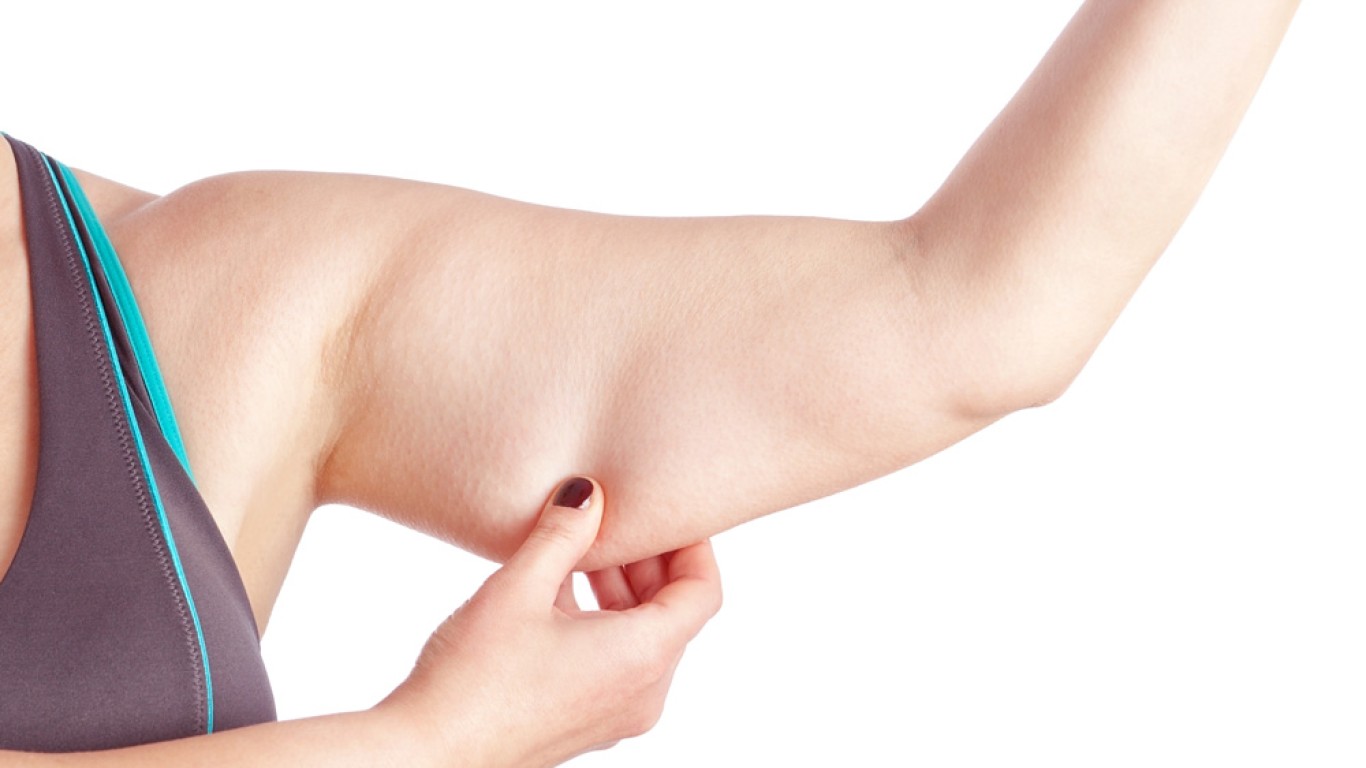
Sleeping after arm lift surgery requires a little planning to protect healing tissues. An arm lift, or brachioplasty, removes loose skin and fat from the upper arms. The incisions usually run along the inner arm, sometimes extending towards the armpit. These areas are easily stretched or pressed during sleep. Poor sleeping positions can increase swelling, discomfort and strain on the wounds. Good sleep, however, is essential for healing and wellbeing. This article explains the best positions and how to elevate the arms. It also covers week-by-week guidance, helpful equipment and common mistakes to avoid.
Understanding Arm Lift Recovery
An arm lift is performed under general anaesthesia and usually takes two to three hours. The surgeon removes excess skin and tightens the remaining tissue. Liposuction may also be used to contour the upper arms. After surgery, patients wear compression garments on both arms. These garments reduce swelling and support the healing skin. Small drains are sometimes placed for a few days. Swelling and tightness are normal during the first few weeks. Most patients return to light daily activities within one to two weeks. Protecting the incisions during this period supports smooth healing and neater scars.
Why Sleeping After Arm Lift Needs Special Care
The arms move frequently during sleep, often without us noticing. Lying on the arms can place direct pressure on fresh incisions. Raising the arms above the head can stretch the wounds. Both actions may increase pain, swelling and the risk of wound problems. Excess tension on incisions can also widen scars over time. Swelling naturally collects in the arms and hands when they hang low. Correct positioning helps fluid drain away from the treated area. Careful sleeping habits therefore protect both comfort and long-term results.
Best Positions for Sleeping After Arm Lift
Sleeping on the back is the safest position after an arm lift. This keeps pressure off both arms and the incision lines. The upper body should be slightly raised, ideally at around thirty to forty-five degrees. A wedge pillow or adjustable bed can help maintain this angle. The arms should rest on pillows, slightly away from the body. Ideally, the hands and forearms should sit a little above the level of the heart. This position helps reduce swelling in the arms and hands. Some patients find a recliner chair comfortable during the first few nights.
Sleeping After Arm Lift: The First Two Weeks
The first two weeks are the most important for careful positioning. Patients should sleep on their back with the upper body raised. Both arms should be supported on pillows at all times. Side sleeping and stomach sleeping should be avoided completely. Compression garments are usually worn day and night during this period. Taking prescribed pain relief before bed can make sleep more comfortable. Patients should get up and walk gently during the day to support circulation. A partner or family member can help with getting in and out of bed.
Sleeping After Arm Lift: Weeks Three to Six
As healing progresses, patients may become more comfortable. Most surgeons still recommend sleeping on the back for several weeks. Some patients may be allowed to sleep on their side from around four weeks. This depends on the surgeon's advice and how well the wounds have healed. Patients should continue to avoid lying directly on the incisions. Pillows can still be used to support the arms and limit movement. Compression garments are often worn for four to six weeks in total. Patients should follow their surgeon's individual instructions throughout this period.
Recommended Sleep Positions by Recovery Stage
The following table summarises general sleeping guidance after an arm lift.
| Recovery Stage | Recommended Position | Key Tips |
| Days one to fourteen | On the back, upper body raised | Arms on pillows above heart level |
| Weeks three to four | On the back | Continue arm support; avoid pressure on incisions |
| Weeks four to six | Back, or side if surgeon approves | Avoid lying directly on healing scars |
| After six weeks | Most positions | Return to normal sleep with surgeon approval |
Pillows and Props for Sleeping After Arm Lift
The right equipment can make recovery nights much easier. A wedge pillow helps keep the upper body raised. Several soft pillows can support each arm comfortably. Some patients use a U-shaped body pillow to prevent rolling onto their side. Rolled towels can be placed beside the body as gentle barriers. An adjustable bed or recliner can be very helpful in the first week. Keeping water, medication and a phone within easy reach avoids unnecessary stretching. Loose, front-opening sleepwear is easier to put on without raising the arms.
Managing Discomfort at Night
Some discomfort at night is normal during early recovery. Taking prescribed pain relief about thirty minutes before bed can help. Keeping the arms elevated reduces throbbing and swelling. A cool, quiet bedroom supports better sleep. Patients should avoid caffeine in the afternoon and evening. Gentle breathing exercises can help with relaxation. Short daytime naps may help if night-time sleep is disrupted. Patients should contact their surgeon if pain suddenly worsens.
Common Mistakes When Sleeping After Arm Lift
Some habits can slow healing or increase discomfort. Sleeping on the side too early is one of the most common mistakes. Raising the arms above the head during sleep can strain the incisions. Letting the arms hang off the bed increases swelling in the hands. Removing compression garments overnight without approval can increase swelling. Lying flat without upper-body elevation may worsen fluid build-up. Reaching for objects on high shelves or bedside tables can stretch wounds. Ignoring pain or unusual swelling instead of seeking advice is also a mistake.
Warning Signs to Report
Patients should know which symptoms need prompt medical advice. Sudden or increasing swelling in one arm should be checked. Redness, warmth or discharge from the incision may indicate infection. A fever or feeling generally unwell also requires attention. Wounds that open or bleed should be reported straight away. Numbness or tingling that worsens rather than improves should be assessed. Calf pain or breathlessness requires urgent medical care.
Preparing Your Bedroom Before Surgery
Preparing the bedroom in advance makes the first nights much easier. Patients should arrange pillows and a wedge before leaving for surgery. A bedside table should hold water, medication and a phone charger. Items should be placed at waist height to avoid stretching. Clearing a path to the bathroom reduces the risk of trips at night. A night light can help with safe movement in the dark. Patients may find it easier to sleep alone for the first few nights. This reduces the chance of accidental bumps from a partner.
Conclusion
Sleeping after arm lift surgery is easiest on the back with the upper body raised. Supporting the arms on pillows above heart level helps reduce swelling. Side and stomach sleeping should be avoided for several weeks. Pillows, wedges and a recliner can make early recovery more comfortable. Following individual aftercare advice helps protect incisions and support neat scars.
To learn more about sleeping after arm lift and to book a consultation, visit the ACIBADEM Beauty Center Arm Lift webpage.
Frequently Asked Questions
Sleeping on the back with the upper body raised and arms on pillows is best.
Many patients can sleep on their side from around four to six weeks, with surgeon approval.
Most surgeons recommend wearing them day and night for several weeks.
Elevation helps fluid drain and reduces swelling in the arms and hands.
Yes. Many patients find a recliner comfortable during the first week.