Ataşehir Mah. Feza Sk. No:3 İstanbul / Türkiye
 French
  English
  German
  Spanish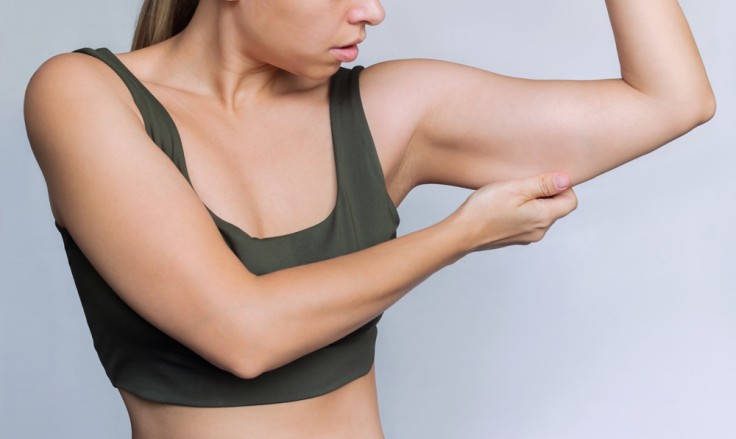
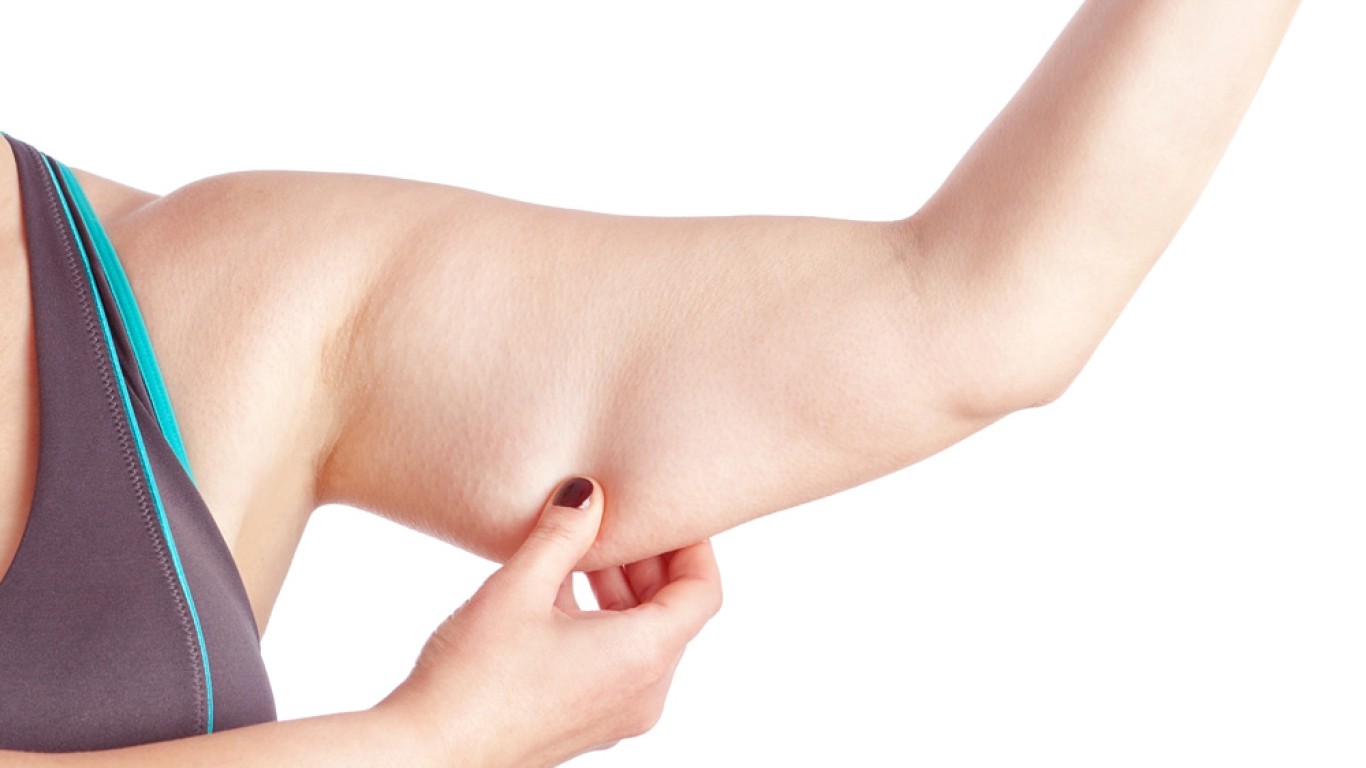
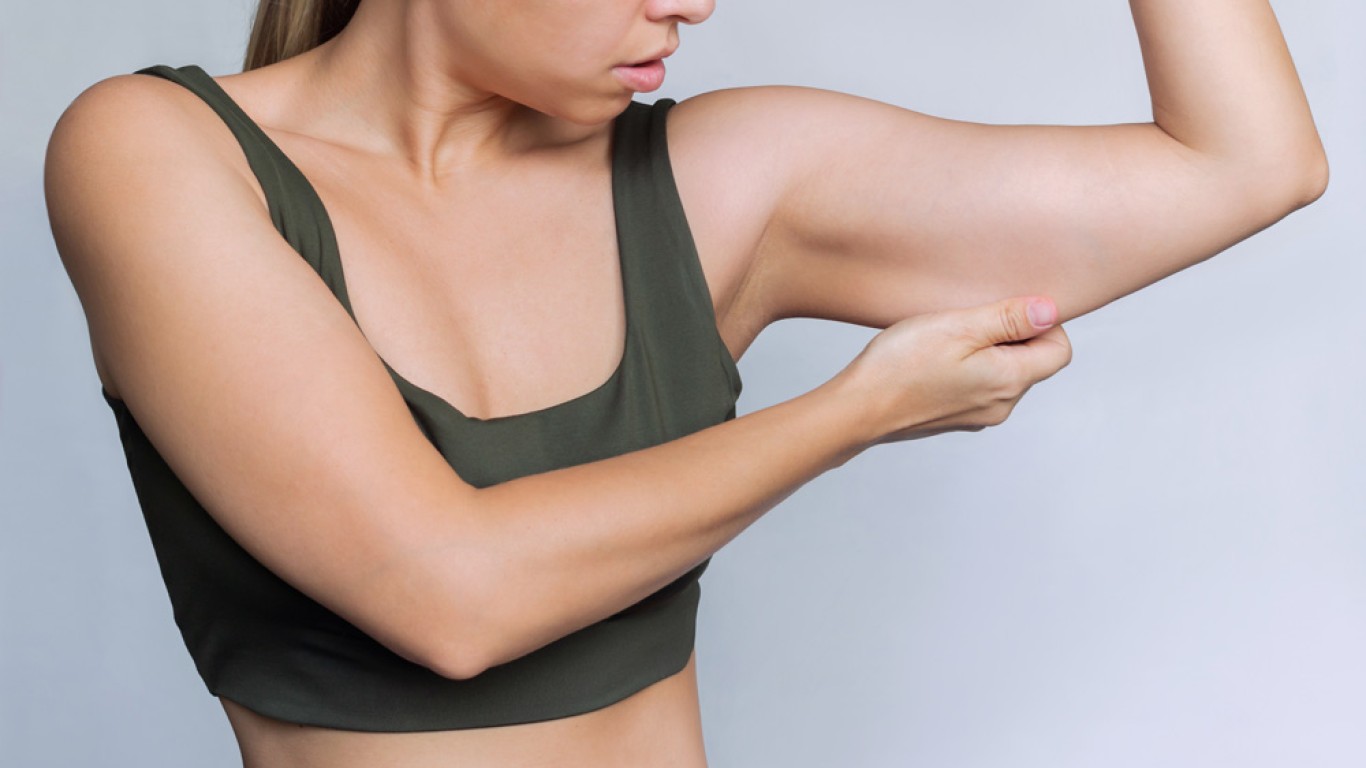
An arm lift is also known as brachioplasty. It removes excess upper arm skin and reshapes the area following weight loss or age-related laxity. The procedure requires an incision along the inner arm. So, many individuals want to understand how the scar changes over time. The 1 year arm lift scar demonstrates the final stage of healing. It shows how the tissue settles after months of collagen remodelling. This guide explains what to expect at one year and how scars mature. Learn which factors influence long-term appearance.
Why Arm Lift Scars Evolve Over Time
Scars change as collagen rebuilds and rearranges. The early healing phase involves inflammation and tissue repair. But the remodelling stage lasts much longer. During this period, collagen fibres align and flatten gradually. Because this process is slow, the 1 year arm lift scar represents the most complete stage of maturation. The scar becomes softer, flatter, and lighter as healing progresses.
Where the Arm Lift Scar Is Placed
The scar typically runs along the inner arm, extending from the armpit toward the elbow. This placement keeps it discreet from most angles. Surgeons position the incision within the natural inner arm line after assessing the individual’s anatomy. Additionally, extended arm lifts may involve a longer incision reaching the side chest area. Regardless of length, the orientation supports concealment during daily movement.
How the Scar Appears During the First Months
- Understanding the first year begins with early phases.
- During the first month, the scar appears red and raised.
- By the third month, the colour may still be pink, yet swelling reduces.
- Between three and six months, the scar begins to flatten and lighten gradually.
- However, the tissue remains sensitive and requires protection.
- This early progression leads to the more mature appearance. This is seen in a 1 year arm lift scar.
What does the 1 Year Arm Lift Scar Look Like
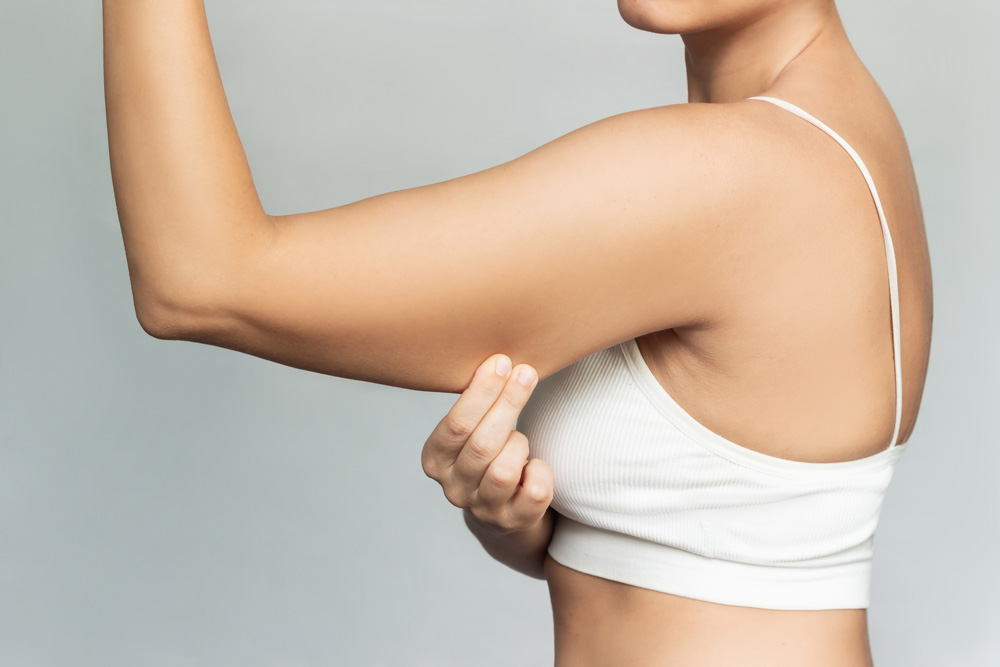
By one year, the scar usually becomes lighter, flatter, and smoother. The colour often shifts from pink to pale or light brown depending on skin tone. The texture feels softer because collagen fibres have settled into a stable pattern. 1 year arm lift scar blends more naturally with surrounding skin. Although, its visibility varies between individuals. Some still show a faint line, while others have a more noticeable but softened mark. Although improvement continues past one year for some, most structural remodelling has already occurred.
Factors That Influence 1 Year Arm Lift Scar Appearance
Several factors influence how the scar looks at twelve months:
- Skin thickness
- Natural pigmentation
- Collagen behaviour
- Tension across the incision
- Genetics
- Postoperative care consistency
Tension is particularly important. High tension can produce a wider scar, while controlled tension supports a finer result. Additionally, consistent care during early healing supports better long-term refinement.
How Surgeons Reduce Tension During Closure
Surgeons use layered closure techniques to reduce tension. Deep sutures support tissue internally, allowing the surface layer to heal with minimal strain. Additionally, they align the incision with natural tension lines. This planning supports clean healing. Overall, these factors contribute to the final appearance of a 1 year arm lift scar.
The Role of 1 Year Arm Lift Scar Management Products
Scar gels and silicone sheets remain common recommendations. These products help regulate collagen production and moisture. Silicone sheets reduce thickening and flatten the scar more effectively. They are usually introduced once the incision has closed fully. Although these products cannot erase scars, they support a smoother result.
Sun Protection and Its Importance
Sun exposure darkens healing scars. Because scar tissue lacks full pigmentation control, UV exposure can cause long-term discolouration. Protecting the incision from sunlight helps the 1 year arm lift scar appear more uniform. Surgeons recommend SPF use and clothing coverage for several months.
Expected Texture of a 1 Year Arm Lift Scar
The texture becomes more consistent as collagen aligns. By twelve months, the scar often feels softer and flatter. Thickness decreases steadily, although some firmness may remain in thicker skin types. Texture improvement is gradual and continues up to eighteen months for some individuals.
Improving Older or Mature Scars
Sometimes, the 1 year arm lift scar remains raised or uneven. In this case, several treatments can refine it further. These include:
- Laser resurfacing
- Radiofrequency microneedling
- Medical microneedling
- Topical silicone therapy
- Light chemical peels
These treatments remodel collagen and improve texture. They help refine older scars without requiring surgical revision.
When Surgical Scar Revision Is Considered
Revision may be considered when the scar widens or develops irregular texture. However, specialists reserve surgical revision for select situations because new scars must also heal.
Revision usually involves removing the old scar and closing the incision with improved tension control. This process supports a finer and more predictable outcome.
How Weight Stability Influences Scar Behaviour
Weight fluctuations stretch newly healed tissue. Maintaining stable weight helps the 1 year arm lift scar remain consistent. Additionally, significant changes in arm circumference may influence scar width. Therefore, surgeons recommend waiting until weight is stable before undergoing arm lift surgery.
Combining Arm Lift With Non-Surgical Refinement
Some individuals combine arm lift surgery with non-surgical treatments to support overall arm contour. Options include:
- Radiofrequency tightening
- Ultrasound firming
- Targeted fat reduction
These do not alter the scar directly. But, they support the arm’s final shape and improve contour harmony.
Why Many Patients Prefer the One-Year Outcome
Many prefer the one-year stage because the scar becomes significantly lighter and flatter. It aligns more closely with surrounding skin and becomes less noticeable during daily movement. The structural improvement in arm contour also appears more stable at this stage. The 1 year arm lift scar represents the most accurate view of long-term results.
Conclusion
A 1 year arm lift scar appears flatter, lighter, and more settled following months of collagen remodelling. Scar maturation progresses through several phases. By one year the tissue has reached its most stable form. Through careful incision planning, controlled tension, and consistent postoperative care, specialists support predictable scar refinement.
For more information and to book a consultation visit the ACIBADEM Beauty Center Arm Lift webpage.
Frequently Asked Questions
It appears flatter, lighter, and smoother.
Yes, minor improvement may continue for several months.
No, skin type and collagen behaviour influence results.
Yes, lasers and microneedling support texture refinement.
It typically sits along the inner upper arm.