Ataşehir Mah. Feza Sk. No:3 İstanbul / Türkiye
 French
  English
  German
  Spanish
Introduction
Medical tourism in Turkey has grown dramatically over recent years. The country now ranks among the top destinations worldwide for patients seeking treatment abroad. Istanbul in particular has become a hub for patients across cosmetic, dental and bariatric procedures. The combination of experienced surgeons, modern facilities and competitive pricing attracts patients from the UK, Europe and beyond. Understanding what medical tourism in Turkey offers helps patients plan effectively. This article explains why patients choose Istanbul in 2026, what to expect from treatment abroad and how to plan a safe and successful medical tourism trip to Turkey.
Why Medical Tourism in Turkey Is Growing
Several factors drive the continued growth of medical tourism in Turkey.
- The country has invested heavily in healthcare infrastructure over the past two decades.
- Modern hospitals with international accreditation now operate across Istanbul and other major cities.
- The number of JCI-accredited hospitals in Turkey is among the highest globally.
- Turkish medical schools produce well-trained surgeons who often complete additional training internationally.
- Government support for health tourism includes dedicated regulatory frameworks.
- The combination of quality and affordability creates compelling value for international patients.
- Waiting times are typically much shorter than in many home countries.
- These factors together explain why medical tourism in Turkey continues to expand rapidly.
Why Patients Choose Istanbul for Medical Tourism in Turkey
Istanbul offers specific advantages that make it the most popular city for medical tourism in Turkey. The city has the largest concentration of private hospitals and specialist clinics. Many of these facilities cater specifically to international patients. English-speaking staff and patient coordinators simplify the experience. Istanbul is well connected by direct flights from most European cities. Flight times from the UK are typically around four hours. The city offers an attractive destination for recovery. Hotels, restaurants and cultural attractions provide a comfortable environment. Many patients combine treatment with a brief holiday. Istanbul’s position bridging Europe and Asia adds to its appeal as a welcoming and cosmopolitan destination.
Medical Tourism in Turkey: Popular Procedures
Medical tourism in Turkey encompasses a wide range of procedures.
- Hair transplants remain the most popular treatment for international patients.
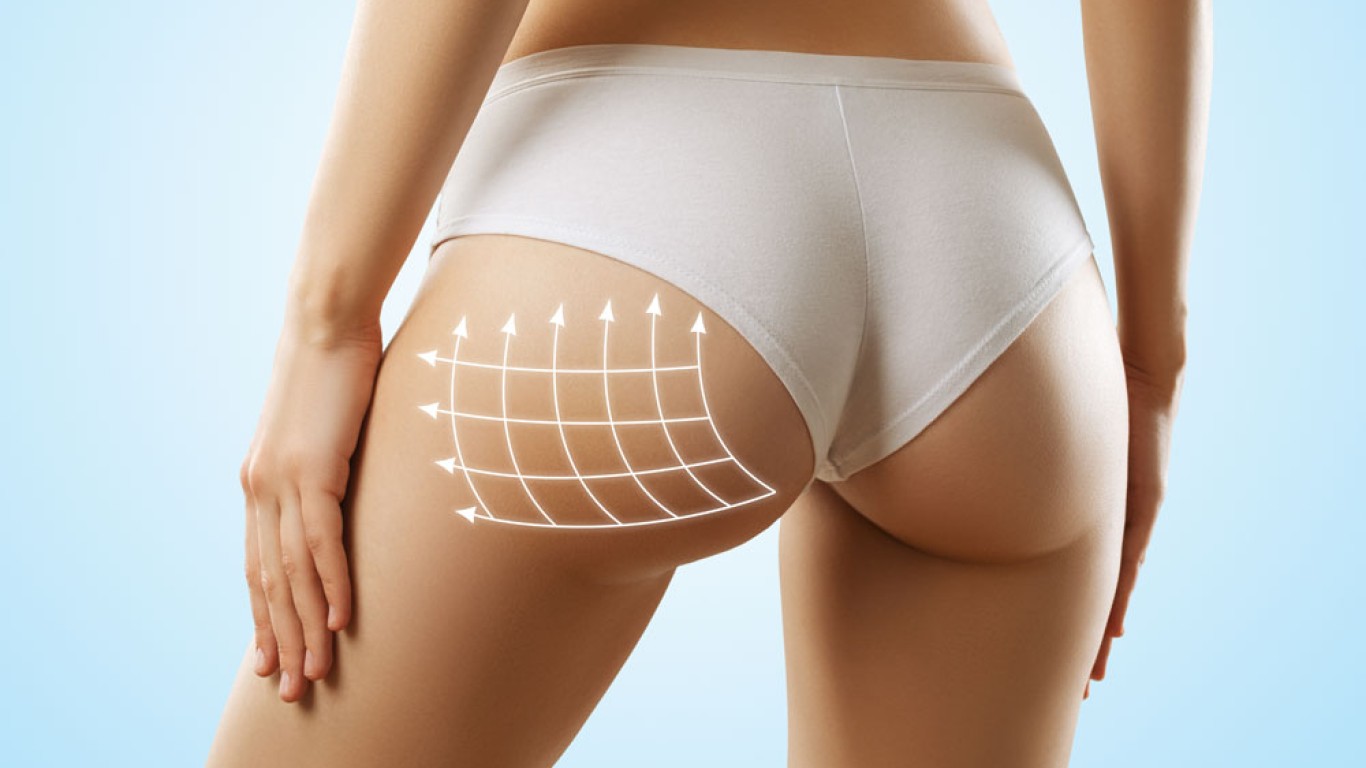
- Cosmetic surgery including rhinoplasty, facelifts, breast augmentation and body contouring attracts significant numbers.
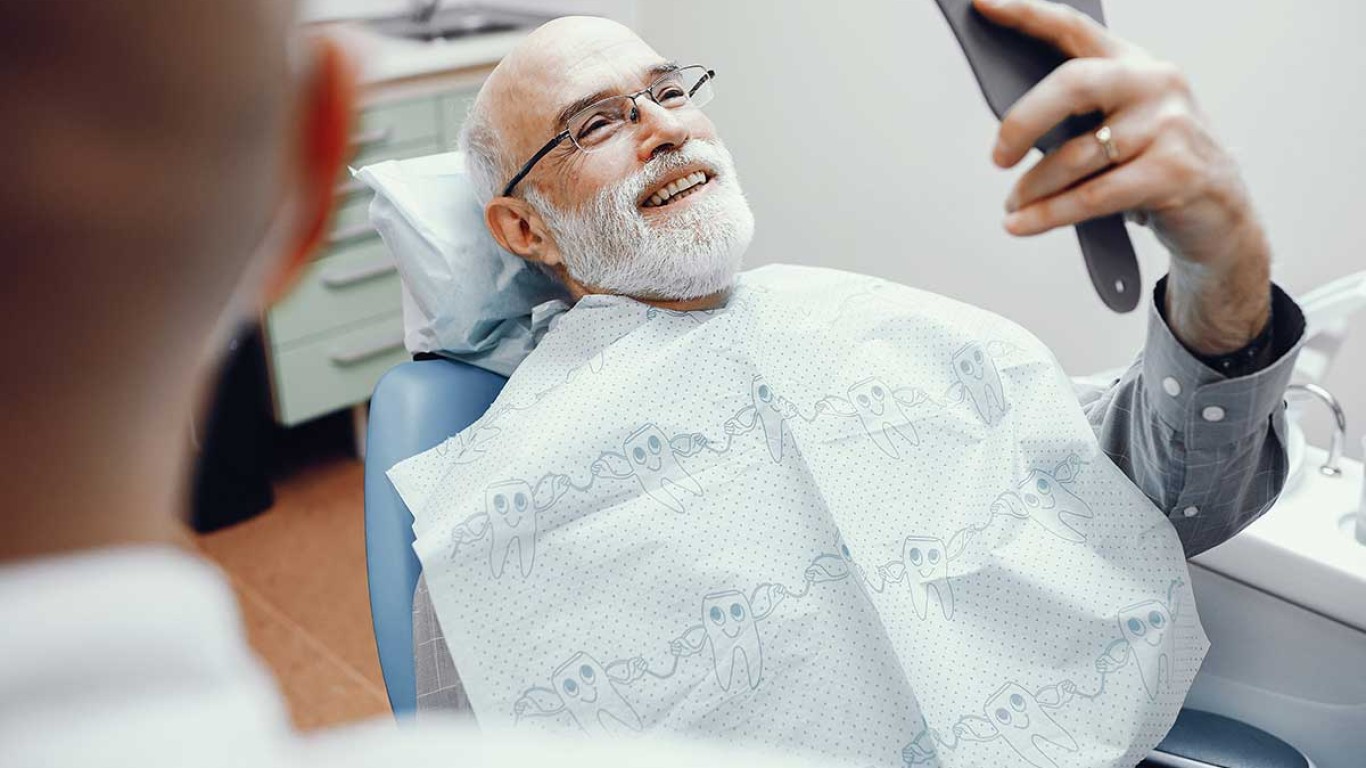
- Dental treatments such as veneers, dental implants and smile makeovers are increasingly popular.
- Bariatric surgery including gastric sleeve and gastric bypass draws patients from the UK where NHS waiting times can be lengthy.
- Eye surgery including LASIK is widely performed.
- Fertility treatments offer another growing category.
Each speciality benefits from experienced practitioners, modern equipment and competitive pricing. The breadth of available treatments makes medical tourism in Turkey appealing across diverse patient needs.
Cost Savings with Medical Tourism in Turkey
Cost savings represent one of the primary motivations for medical tourism in Turkey. Procedures typically cost 40-70% less than equivalent treatments in the UK. Hair transplants that cost £8,000 - £15,000 privately in the UK are available for £2,000 - £4,000. Dental veneers costing several hundred pounds each in the UK can be obtained for significantly less. Cosmetic surgery pricing follows similar patterns. The savings reflect lower operational costs rather than reduced quality. Staff costs, facility overheads and supply chains are more affordable. All-inclusive packages that bundle treatment, accommodation and transfers further simplify budgeting. These savings make procedures accessible to patients who could not afford UK private pricing.
Hospital Accreditation and Quality Standards
Quality standards are a critical consideration for medical tourism in Turkey. Many Turkish hospitals hold JCI accreditation, the gold standard for international healthcare facilities. The Turkish Ministry of Health regulates medical tourism providers through specific licensing requirements. Facilities must meet defined standards for equipment, staffing and patient care. Many surgeons hold international board certifications alongside Turkish qualifications. Some have trained or practised in the UK, USA or Europe. Modern operating theatres, intensive care units and recovery facilities meet international standards. Patients should verify hospital accreditation and surgeon credentials before committing to treatment. Accredited facilities provide the safest environment for international patients seeking treatment abroad.
Planning Your Medical Tourism Trip to Turkey
Effective planning supports the best outcomes from medical tourism. Research begins with identifying the specific procedure and finding accredited providers. Patient coordinator services at Turkish clinics assist with scheduling and logistics. Virtual consultations allow initial assessment before travelling. Patients should request before and after photographs and verify surgeon credentials. Booking flights with flexible return dates accommodates recovery needs. Travel insurance that covers medical treatment abroad is essential. Planning accommodation near the treatment facility simplifies post-operative care. Patients should arrange for a companion to assist during the initial recovery period. Allowing adequate time in Turkey for pre-operative assessment, treatment and initial recovery ensures a smooth experience.
What to Expect During Your Stay
Understanding the typical patient journey supports confidence during medical tourism in Turkey. Most clinics provide airport transfers upon arrival. A pre-operative consultation and assessment takes place on the first or second day. Blood tests and any necessary imaging are completed. The procedure is performed according to the agreed schedule. Post-operative care follows in the hospital or hotel depending on the treatment. Follow-up appointments ensure healing is progressing well. Patient coordinators assist with communication throughout. Most patients stay between five and fourteen days depending on the procedure. Interpreters are available for any language needs. The structured approach ensures international patients feel supported throughout their treatment experience.
Follow-Up Care After Returning Home
Follow-up care is an important consideration for medical tourism in Turkey. Most clinics provide detailed aftercare instructions before discharge. Many offer remote follow-up through video consultations after the patient returns home. Photographs and progress updates can be shared electronically. Patients should also inform their GP about any treatment received abroad. Having a local healthcare provider available for emergencies is important. Some Turkish clinics have partnerships with practitioners in the UK for in-person follow-up if needed. Keeping all medical records and documentation supports continuity of care. Planning for follow-up before travelling ensures patients know exactly what support is available after returning from Turkey.
Safety Considerations for Medical Tourism in Turkey
Safety should be the primary consideration for anyone exploring medical tourism in Turkey. Choosing JCI-accredited hospitals reduces risk significantly. Verifying surgeon qualifications and board certifications is essential. Reading reviews from previous international patients provides insight. Avoiding clinics that seem too cheap or too good to be true protects against substandard care. Patients should ensure they understand the procedure fully before consenting. Having realistic expectations about results supports satisfaction. Ensuring adequate travel insurance protects against unexpected complications. Reputable clinics welcome questions about safety protocols. Taking time to research thoroughly before committing leads to safer and more satisfying outcomes from medical tourism in Turkey.
Patient Experiences and Satisfaction
Patient satisfaction with medical tourism in Turkey is generally high when providers are chosen carefully. Published reviews and testimonials provide valuable insight. Many patients describe positive experiences with professional and caring staff. The all-inclusive package model simplifies the experience significantly. Language barriers are minimal at international-facing clinics. The quality of facilities often exceeds expectations. Most patients report strong satisfaction with their clinical results. The combination of quality outcomes and cost savings creates excellent perceived value. Patients who research thoroughly and choose accredited providers typically have the best experiences. Word of mouth from satisfied patients continues to drive the growth of the sector.
Conclusion
Medical tourism in Turkey continues to grow for compelling reasons in 2026. Modern facilities, experienced surgeons and significant cost savings attract patients from across Europe and beyond. Istanbul leads as the most popular destination due to its concentration of accredited hospitals and excellent international connectivity. Careful planning, thorough research and selection of accredited providers support safe and satisfying outcomes. The all-inclusive package model simplifies the experience for international patients. Follow-up care through remote consultations ensures continuity after returning home. For patients willing to invest time in research, medical tourism in Turkey offers quality treatment at accessible pricing that would otherwise be unavailable.
For more information on medical tourism in Turkey, visit the ACIBADEM Beauty Center homepage.
Frequently Asked Questions
Experienced surgeons, modern hospitals and significant cost savings drive demand.
Procedures typically cost forty to seventy percent less than in the UK.
Yes, when patients choose JCI-accredited hospitals and verified surgeons.
Most patients stay five to fourteen days depending on the procedure.
Most clinics offer remote follow-up consultations after patients return home.