Ataşehir Mah. Feza Sk. No:3 İstanbul / Türkiye
 English
  German
  Spanish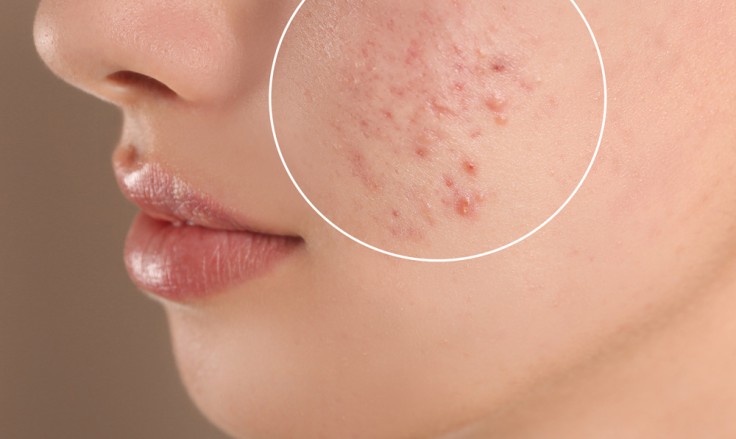
Introduction
Acne scars affect millions of people worldwide. They remain long after active acne has cleared. The uneven texture and indentations affect confidence significantly. Many patients search for effective solutions. How to get rid of acne scars is one of the most common questions in dermatology. The answer depends on scar type, severity and skin characteristics. Multiple effective treatments exist in 2026. Understanding each option helps patients make informed decisions. This article explains the most effective approaches and how to choose between them.
Understanding Acne Scar Types
Acne scars fall into several categories. Identifying the type guides treatment selection. Ice pick scars are narrow, deep and V-shaped. They are the most difficult to treat. Boxcar scars have defined edges and flat bases. They respond well to resurfacing treatments. Rolling scars create gentle undulations across the skin surface. They respond well to collagen stimulation. Hypertrophic scars are raised above the surface. They result from excess collagen production. Getting rid of acne scars depends on which types are present. Most patients have a combination. Treatment plans should address each type specifically. A single approach rarely achieves optimal results across all scar types. Comprehensive plans combining multiple treatments produce the strongest overall improvement.
How to Get Rid of Acne Scars with Microneedling
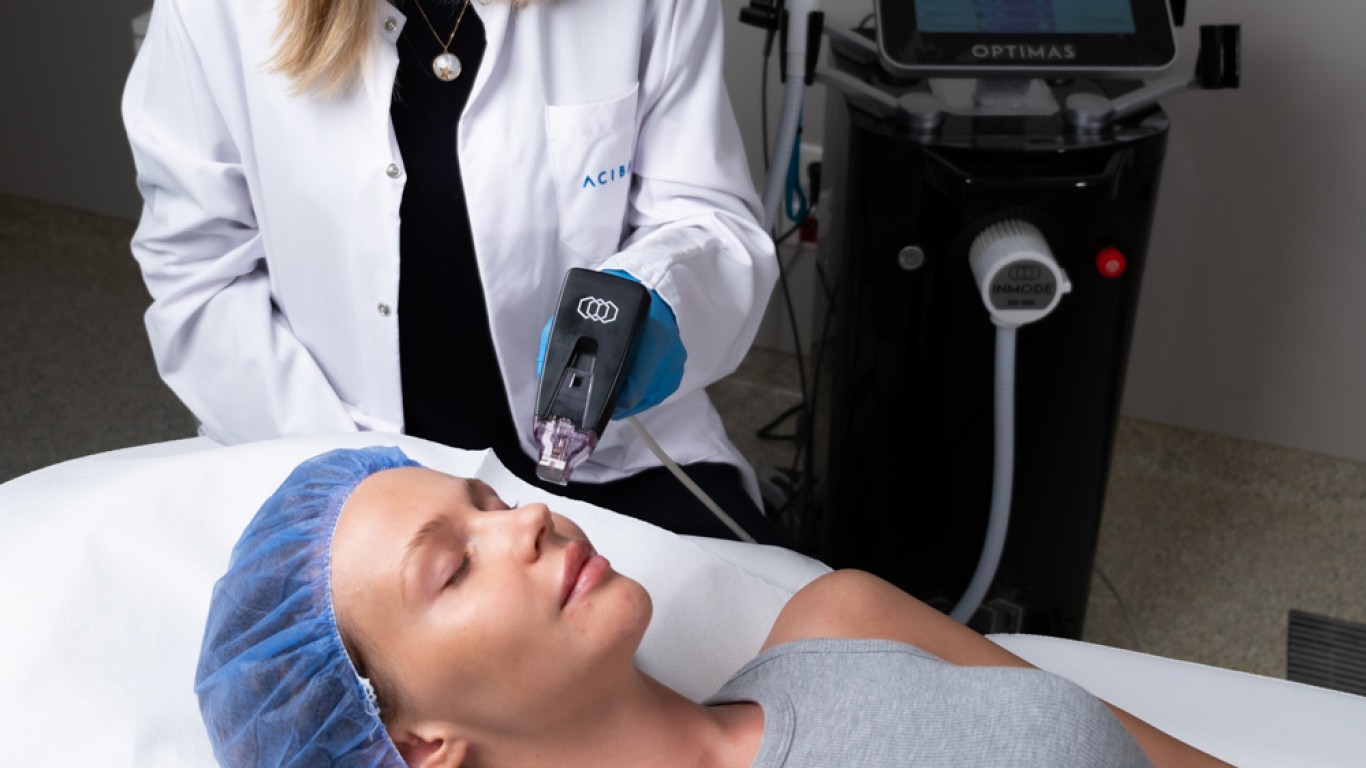
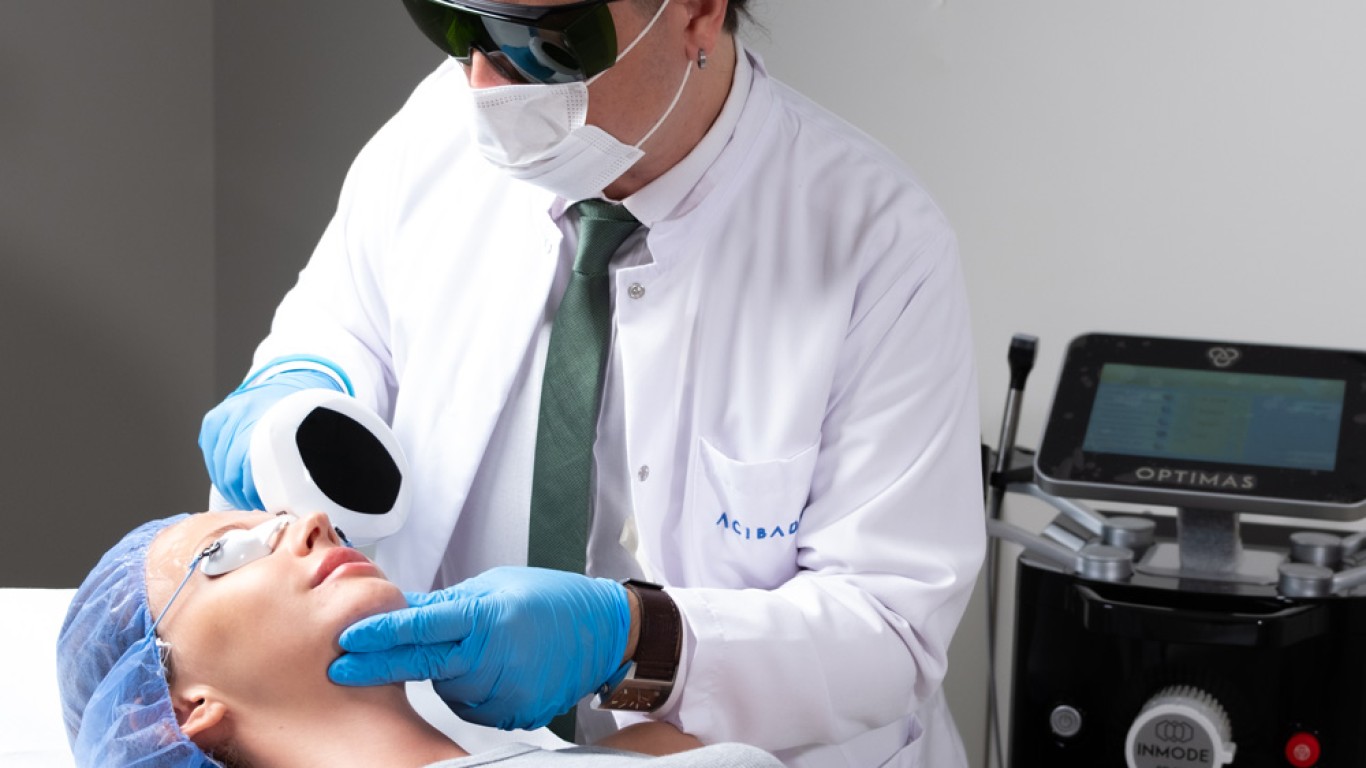
Microneedling is one of the most effective and accessible treatments. It creates controlled micro-injuries that stimulate collagen production. Getting rid of acne scars using microneedling involves three to six sessions. Rolling and boxcar scars respond best. The needle injuries break fibrous bands beneath scars. New collagen fills depressed areas from below. RF microneedling adds radiofrequency energy for enhanced results. The thermal component produces stronger tissue remodelling. Eliminating acne scars more effectively often means choosing RF microneedling over standard microneedling for moderate to severe cases. The treatment is safe for all skin types. Downtime is minimal. Redness resolves within one to three days. Microneedling represents one of the best starting points for patients beginning their acne scar treatment journey.
How to Get Rid of Acne Scars with Chemical Peels
Chemical peels address surface texture and specific scar types. TCA peels remove damaged surface layers and stimulate collagen beneath. Getting rid of acne scars using peels depends on concentration and technique. Medium-depth peels improve boxcar and rolling scars across multiple sessions. TCA CROSS technique targets ice pick scars specifically. High-concentration acid is applied directly into individual ice pick scars using a fine applicator. Eliminating acne scars at the ice pick level is most effectively achieved through TCA CROSS. The acid causes controlled destruction within the narrow scar channel. New collagen fills the space during healing. Two to four sessions produce visible improvement. Recovery from medium-depth peels takes seven to fourteen days. The skin peels visibly during this period. Sun protection is essential throughout healing.

How to Get Rid of Acne Scars with Laser Treatment
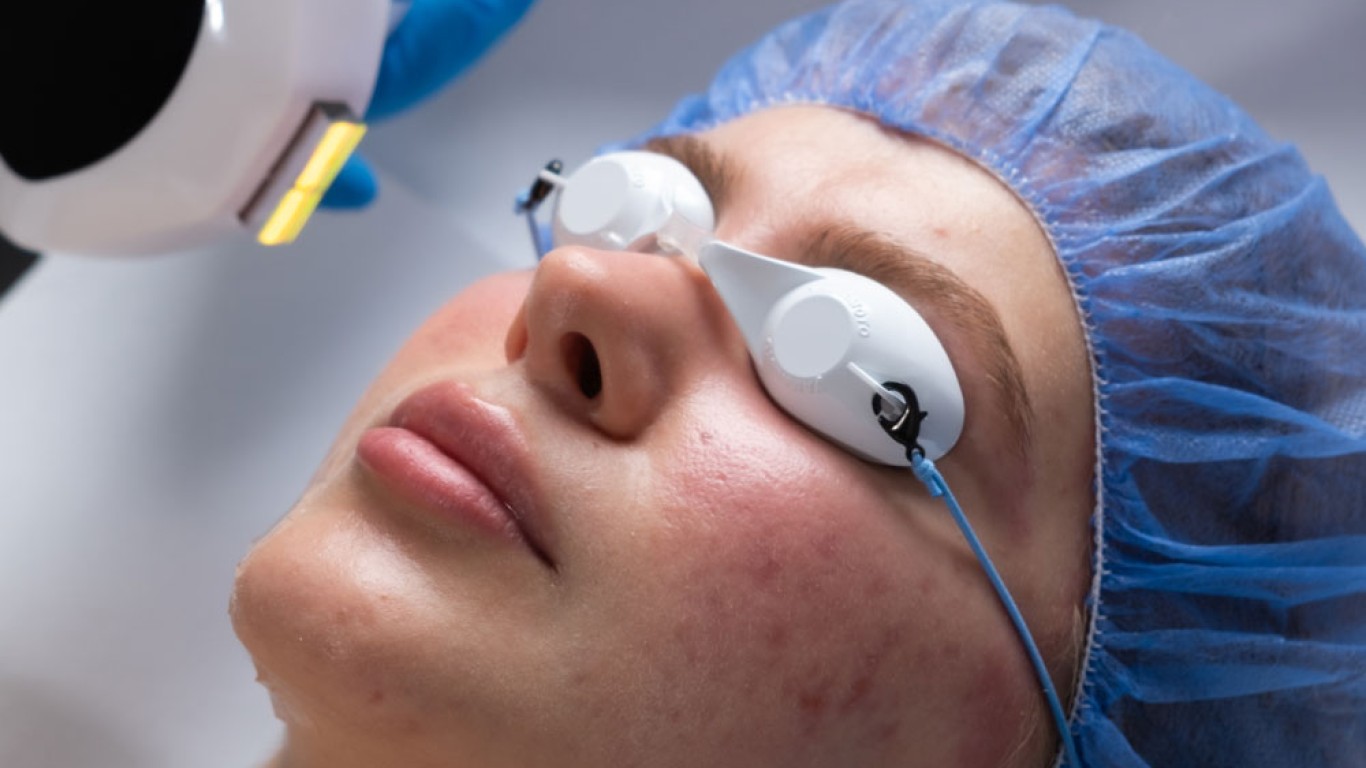
Laser treatment addresses texture, depth and pigmentation. Fractional CO2 laser creates micro-columns of controlled damage. The surrounding tissue repairs rapidly. New collagen remodels the scar from below. How to get rid of acne scars using laser produces significant improvement over three to five sessions. Non-ablative fractional lasers offer milder treatment with less downtime. Ablative lasers produce more dramatic results but require longer recovery. How to get rid of acne scars on darker skin requires careful laser selection. Darker tones carry higher pigmentation risk with ablative lasers. Nd:YAG and non-ablative fractional lasers are safer options for these patients. Pulsed dye laser addresses residual red marks from healed acne. It targets the blood vessels causing post-inflammatory redness. Laser treatment suits patients wanting significant improvement and accepting the associated recovery period.
How to Get Rid of Acne Scars with Subcision
Subcision is a minor surgical technique. A needle is inserted beneath the scar. The fibrous bands tethering the scar to deeper tissue are released. The scar lifts toward the surface. How to get rid of acne scars using subcision works specifically for tethered rolling scars. These scars are pulled downward by fibrous attachments. Releasing them produces immediate visual improvement. Subcision is performed under local anaesthesia. Recovery involves mild bruising for one to two weeks. Eliminating acne scars most effectively often involves combining subcision with filler or microneedling. Filler injected beneath the released scar prevents re-tethering. Microneedling following subcision builds collagen in the freed tissue. The combination produces stronger results than subcision alone. One to three sessions may be needed depending on scar severity.
How to Get Rid of Acne Scars: Combination Approach
| Treatment | Best For | Sessions Needed |
|---|---|---|
| Microneedling | Rolling and boxcar scars | Three to six |
| RF microneedling | Moderate to severe scarring | Three to five |
| Chemical peels (TCA) | Surface texture; ice pick scars (CROSS) | Two to four |
| Fractional laser | Texture, depth, pigmentation | Three to five |
| Subcision | Tethered rolling scars | One to three |
| Dermal filler | Individual deep scars | One (repeat as needed) |
How to get rid of acne scars most effectively requires a combination approach. No single treatment addresses all scar types optimally. A comprehensive plan matches each treatment to the specific scar types present. Subcision releases tethered scars. TCA CROSS treats ice pick scars. Microneedling or laser improves overall texture. Filler raises individual deep depressions. This layered approach produces the most satisfying improvement across the full range of scar types. Professional assessment identifies which scars are present and creates a prioritised treatment plan.
How to Get Rid of Acne Scars: Setting Realistic Expectations
Realistic expectations are essential. How to get rid of acne scars completely is not achievable with any current treatment. The goal is significant visible improvement. Most comprehensive treatment programmes produce fifty to seventy percent improvement. This is clinically meaningful and visible. The skin appears noticeably smoother. Scar depth reduces. Texture evens out. Acne scar removal discussions should frame improvement rather than elimination. Patients who understand this perspective approach treatment with healthier expectations. They appreciate the genuine improvement achieved. Frustration is lower. Satisfaction is higher. Progress is measured through standardised photographs taken at regular intervals. These document the cumulative change over the treatment course. Most patients describe meaningful improvement in both appearance and confidence by the end of their programme.
Conclusion
How to get rid of acne scars requires a personalised, multi-treatment approach. Microneedling, chemical peels, laser, subcision and filler each address different scar types. Combination treatment produces the strongest results. Complete elimination is not achievable. Significant improvement is. How to get rid of acne scars effectively begins with professional assessment of individual scar types. Treatment plans are tailored to each patient's specific needs. Turkey offers comprehensive scar treatment at competitive pricing with experienced practitioners.
For more information about acne and to book a consultation visit the ACIBADEM Beauty Center Skin Treatments page.
Frequently Asked Questions
No. Significant improvement is achievable. Complete elimination is not possible with current treatments.
A combination approach targeting each scar type produces the strongest results.
Three to six sessions for most treatments. Combination plans may span several months.
Yes, with appropriate treatment selection. Microneedling is safe for all skin tones.
After active acne is controlled. Treating scarred skin alongside active breakouts risks worsening both.