Ataşehir Mah. Feza Sk. No:3 İstanbul / Türkiye
 French
  English
  German
  Spanish
Introduction
Patients seeking improved skin texture have several effective options to choose from. Two of the most popular treatments are chemical peels and microneedling. Both procedures address concerns such as uneven texture, fine lines, scarring and dull skin. Each works through a different mechanism. Chemical peel vs microneedling is a common comparison among patients researching their options. Understanding the key differences helps individuals choose the most appropriate approach. This article compares chemical peel vs microneedling across method, recovery, results and suitability. The information supports informed decision-making in consultation with a qualified practitioner about which treatment best suits individual skin needs.
What Is a Chemical Peel?
A chemical peel uses a chemical solution applied to the skin to exfoliate and remove damaged outer layers. The treatment causes controlled removal of skin cells. New healthier skin replaces the treated layers as healing occurs. Chemical peels come in different strengths. Superficial peels affect only the outermost skin layer. Medium peels reach deeper layers for more comprehensive treatment. Deep peels penetrate further but require more recovery. The procedure typically takes thirty to sixty minutes. The skin tingles or burns briefly during application. Chemical peels have been used in dermatology for many decades with proven results for various skin concerns.
What Is Microneedling?
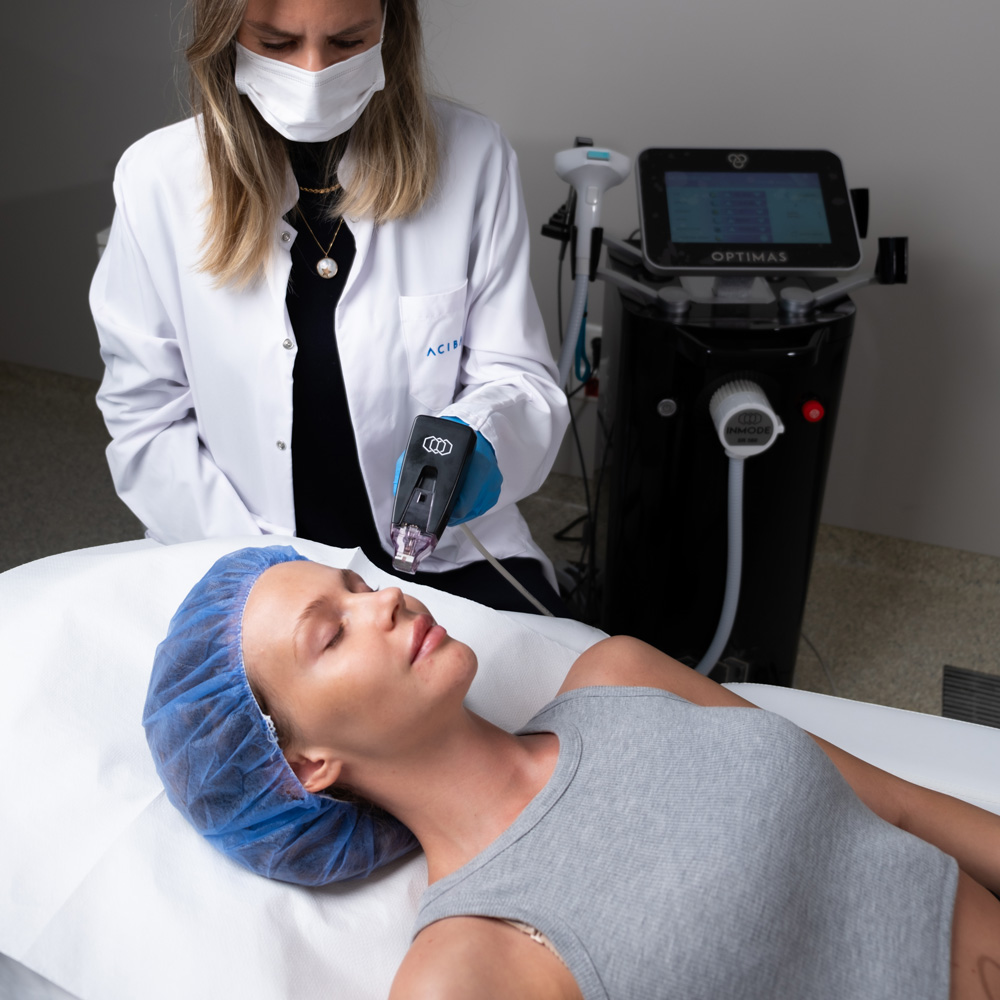
Microneedling uses fine needles to create controlled micro-injuries in the skin. The treatment triggers the body's natural healing response. Fibroblast cells produce new collagen and elastin in response to the controlled trauma. The result is improved skin firmness, texture and quality over several months. Microneedling can be performed using rollers or motorised pen devices. The needles penetrate to a precise depth depending on the device and treatment goals. The procedure typically takes thirty to sixty minutes. Topical anaesthetic ensures comfort. Microneedling has gained popularity in recent years for its effectiveness across multiple skin concerns and minimal recovery time.
Chemical Peel vs Microneedling: How They Work
When considering chemical peel vs microneedling, remember that the treatments work through fundamentally different mechanisms. Chemical peels remove damaged skin cells through chemical exfoliation. The treatment forces the skin to shed and regenerate. New healthier skin emerges from the deeper layers. The improvement comes from removing the old and revealing the new. Microneedling stimulates the skin to produce new collagen and elastin from within. The treatment does not remove tissue. Instead it triggers regeneration of the existing skin. Both approaches improve skin quality but through different biological pathways. The choice of chemical peel vs microneedling depends partly on whether removal or stimulation is more appropriate for individual concerns. Understanding these mechanisms helps patients select a treatment that aligns with their skin condition, tolerance for downtime and desired speed of visible results.
Concerns Each Treatment Addresses
Both treatments address overlapping but slightly different concerns. Chemical peels excel at addressing surface-level issues. Sun damage, pigmentation, melasma and superficial scarring respond particularly well. Fine lines and uneven texture also improve. Microneedling is particularly effective for atrophic acne scars, deeper texture concerns and overall skin quality improvement. The collagen stimulation provides longer-term firmness benefits. Some concerns respond well to either approach. Severe pigmentation issues often respond better to chemical peels. Deep acne scarring typically responds better to microneedling. The practitioner assesses individual concerns to recommend the most appropriate treatment for each patient's specific needs. Combining treatments may enhance results when multiple concerns are present.
Chemical Peel vs Microneedling: Recovery
Recovery differs significantly when considering chemical peel vs microneedling. Superficial chemical peels involve minimal downtime with mild flaking for a few days. Medium peels cause more visible peeling lasting five to seven days. Deep peels require one to two weeks of recovery. Microneedling typically involves redness for one to two days followed by mild dryness. The skin returns to normal appearance more quickly than after most chemical peels. Both treatments require sun protection during healing. Patients seeking minimal downtime often prefer microneedling. Those willing to accept more visible peeling for quicker dramatic results may prefer chemical peels. Personal lifestyle considerations influence the choice. Proper aftercare supports faster recovery and optimal results.
Suitability for Different Skin Types
Skin type affects suitability for chemical peels vs microneedling. Microneedling suits most skin types and tones safely. The treatment does not use heat or light that can affect pigmentation. Patients with darker skin can typically have microneedling without risk of pigmentation changes. Chemical peels require more careful selection based on skin type. Some peel ingredients can cause hyperpigmentation in darker skin. Specific peels are formulated for darker skin types. Sensitive skin may react to certain peel solutions. Consultation with an experienced practitioner ensures the right treatment is selected for each individual's skin type and condition. Both treatments can be safe when properly matched. A tailored approach reduces the risk of irritation and ensures optimal results for each unique skin profile.
Chemical Peel vs Microneedling: Results
When considering chemical peel vs microneedling, remember that results from the two treatments differ in timing and character. Chemical peel results are often visible quickly after the skin has finished peeling. The new skin appears smoother and more even. The improvement may be dramatic depending on the peel strength. Microneedling produces gradual results over several months as new collagen forms. The improvement is typically subtle but cumulative across multiple sessions. Both treatments produce lasting improvements when followed by good skincare and sun protection. The character of the results differs. Chemical peels emphasise tone and surface texture. Microneedling emphasises firmness and overall skin quality alongside texture improvement. Patients should consider whether they prefer immediate visible change or gradual long-term enhancement when selecting a treatment.
Chemical Peel vs Microneedling: Can They Be Combined?
Some patients benefit from both treatments at different times. The two approaches can complement each other within a long-term skincare plan. Chemical peels may address immediate surface concerns while microneedling builds underlying collagen. Practitioners typically space the treatments apart rather than combining them in the same session. The skin needs time to recover between treatments. A personalised plan may include both approaches to address different aspects of skin health comprehensively. The practitioner recommends the optimal sequence and timing based on individual concerns. Combining treatments often produces more comprehensive results than either approach alone for patients with multiple concerns. This strategy can improve both surface clarity and deeper skin structure effectively.
Chemical Peel vs Microneedling: Number of Sessions Needed
The number of sessions needed differs between treatments. Microneedling typically requires three to six sessions spaced four to six weeks apart for optimal results. Each session builds on previous treatments. Chemical peels often require a series too. Light peels may be performed every few weeks for cumulative improvement. Medium peels are typically spaced further apart. A single deep peel may produce dramatic results without repetition. The total cost of treatment depends on the number of sessions required. The practitioner advises on the recommended treatment course during consultation following thorough skin assessment. Consistency across sessions is key to achieving the best possible outcome.
Chemical Peel vs Microneedling: Which Is Right For You?
Choosing between chemical peel vs microneedling depends on several factors. The specific skin concern is the most important consideration. Pigmentation issues often favour chemical peels while scarring favours microneedling. Skin type affects safety considerations. Recovery time preferences matter for busy patients. Lifestyle factors such as sun exposure and skincare routines influence the decision. Cost considerations may also play a role. Both treatments offer effective solutions for different aspects of skin concerns. Professional consultation provides personalised guidance. The practitioner evaluates skin condition and goals to recommend the most appropriate approach for each individual. Understanding priorities helps ensure the chosen treatment aligns with expectations and lifestyle.
Conclusion
Chemical peel vs microneedling represents two effective approaches to skin texture improvement working through different mechanisms. Chemical peels exfoliate damaged skin to reveal healthier layers. Microneedling stimulates collagen production for gradual remodelling. Each treatment has specific advantages depending on individual skin concerns and goals. The choice depends on the type of improvement sought, skin type, recovery preferences and lifestyle. Both can produce excellent results when matched appropriately to the patient. Some patients benefit from combining both approaches over time. Professional consultation ensures the most suitable treatment is selected for each individual seeking improved skin texture and quality. A well-planned approach helps maximise both short-term results and long-term skin health.
For more information on which option is best for you, visit the ACIBADEM Beauty Center Skin Treatments page.
Frequently Asked Questions
Microneedling typically produces better results for atrophic acne scarring.
Chemical peels typically address pigmentation concerns more effectively.
Microneedling typically involves shorter downtime than most chemical peels.
Yes, but typically in separate sessions spaced apart for safe healing.
Microneedling carries less pigmentation risk for darker skin types.