Ataşehir Mah. Feza Sk. No:3 İstanbul / Türkiye
 French
  English
  German
  Spanish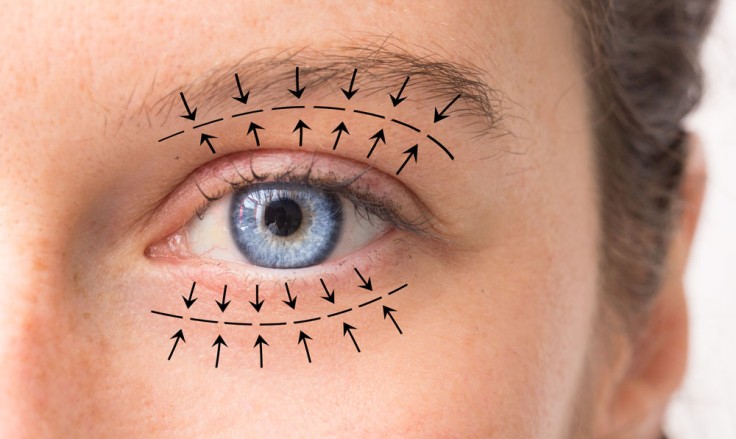
Introduction
The skin around the eyes is thinner and more delicate than most other facial areas. This makes it more prone to laxity, fine lines and subtle sagging over time. Even small changes in this area can affect overall facial expression. Many people search for how to tighten eyelid skin without undergoing surgery because they prefer minimal downtime. Mild sagging can often be improved using non invasive techniques when addressed early. Treatment choice depends on skin quality, age, collagen levels and expectations. Understanding available options helps guide realistic and proportionate decisions.
Why Eyelid Skin Becomes Loose
Collagen and elastin decline naturally with age, reducing structural support. These proteins maintain firmness and elasticity in the skin. When levels reduce, the upper eyelid may begin to sag or crease slightly. Sun exposure accelerates this process by breaking down collagen fibres. Repetitive facial movement also contributes to gradual thinning. Genetic factors may influence how early laxity appears. Learning how to tighten skin around the eyelid begins with understanding these structural and environmental changes clearly.
Radiofrequency Skin Tightening
Radiofrequency devices deliver controlled heat to deeper skin layers to stimulate collagen production. This thermal energy encourages gradual tissue contraction. Patients exploring how to tighten eyelid skin often consider this option for mild laxity. The treatment is non invasive and usually requires minimal downtime. Results develop progressively over several weeks as collagen remodels. Multiple sessions may be required for noticeable improvement. Maintenance sessions help preserve firmness long term.
Ultrasound Based Treatments
Focused ultrasound technology targets deeper tissue layers beneath the skin surface. It stimulates collagen production without disrupting the outer skin. This option may support subtle lifting in mild to moderate cases. Those researching how to tighten eyelid skin may benefit from consultation to assess suitability based on anatomy. Gradual tightening occurs as new collagen forms over time. Improvements are typically visible after several weeks. Treatment depth can be customised for precision.
Laser Resurfacing for Eyelid Firmness
Laser treatments improve skin texture while stimulating collagen renewal. Fractional lasers create controlled micro injuries that trigger repair. This approach may reduce fine lines and improve elasticity around the eyelids. When considering how to tighten eyelid skin, laser resurfacing can complement other tightening therapies effectively. Results depend on baseline skin quality and collagen response. Recovery time varies depending on laser intensity and treatment depth. Proper aftercare enhances smooth healing.
Plasma Energy Treatments
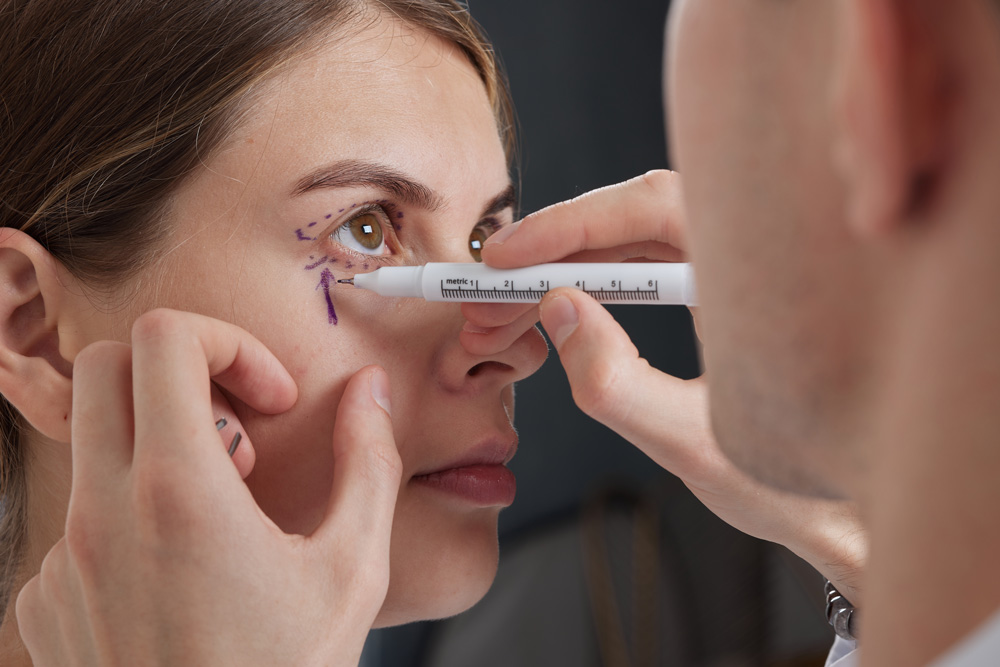
Plasma energy devices create small controlled surface dots that stimulate contraction. This method promotes collagen formation and mild tightening. It is often used for early eyelid laxity when sagging is minimal. Individuals searching how to tighten eyelid skin may consider this option if excess skin is mild. Healing usually involves temporary redness and light crusting. Gradual tightening develops as the skin repairs and regenerates.
Medical Grade Skincare
Topical treatments cannot replicate surgical lifting, but they support skin quality. Medical grade retinoids promote cell turnover and collagen production. Peptides may improve firmness modestly with consistent use. Understanding how to tighten eyelid skin includes setting realistic expectations from skin care products. Hydration and daily sun protection are essential components. Preventative care supports long term skin resilience and enhances professional treatment results.
Lifestyle Factors That Support Firmness
Adequate hydration supports overall skin function and elasticity. Balanced nutrition provides essential nutrients for collagen production. Sun protection reduces additional collagen breakdown significantly. Avoiding smoking preserves tissue oxygenation and elasticity. Those exploring how to tighten eyelid skin should consider lifestyle optimisation alongside treatments. Stress management and quality sleep also influence skin regeneration. Healthy habits enhance professional treatment outcomes.
When Surgery May Be Required
Non surgical options are suitable for mild to moderate laxity. Significant excess skin may require blepharoplasty for definitive correction. Understanding how to tighten eyelid skin includes recognising the limitations of non invasive methods. Consultation clarifies whether tightening alone is sufficient. Early intervention may reduce the need for surgery later. Severe structural descent typically requires surgical adjustment for optimal improvement.
Why Many Patients Choose Turkey for Non Surgical Treatments
Turkey offers advanced aesthetic technologies and experienced practitioners specialising in delicate eye area treatments. Detailed consultation ensures personalised assessment and tailored recommendations. Patients exploring how to tighten eyelid skin receive structured treatment plans based on anatomy. Modern facilities support safe and organised care pathways. Professional planning enhances subtle and natural outcomes.
Understanding Upper Versus Lower Eyelid Laxity
When researching how to tighten eyelid skin, it is important to distinguish between upper and lower lid concerns. The upper eyelid commonly develops excess skin due to gravity and collagen loss. The lower eyelid often shows creasing, fine lines or mild sagging rather than heavy folds. Treatment approach differs depending on the location. Upper lid laxity may respond better to collagen stimulation devices. Lower lid creasing may benefit from resurfacing techniques. Careful assessment ensures the chosen method targets the correct anatomical layer.
The Role of Collagen Stimulation Over Time
Non surgical tightening works by encouraging gradual collagen regeneration. Unlike surgery, results are not immediate or dramatic. Instead, improvement appears progressively as new collagen fibres strengthen the skin. Patients exploring how to skin around the eyelid should understand this timeline clearly. Collagen production peaks several weeks after treatment. Continued improvement may be visible for months. Maintenance sessions help preserve structural support and elasticity long term.
Preventing Further Skin Laxity
Tightening treatments are most effective when combined with preventative care. Daily broad spectrum sun protection reduces ultraviolet damage. Sunglasses limit squinting and repetitive muscle strain. Hydrating eye creams support barrier function and reduce dryness. Learning how to tighten eyelid skin also involves preventing further breakdown. Avoiding aggressive rubbing during makeup removal protects delicate tissue. Small lifestyle adjustments can influence long term firmness.
Hormonal Influence on Eyelid Skin
Hormonal fluctuations may affect skin quality and elasticity. Declining oestrogen levels can reduce collagen density over time. This may contribute to thinner, looser eyelid skin. While non surgical treatments cannot alter hormonal patterns, they can stimulate collagen production locally. Understanding how to tighten eyelid skin includes recognising internal factors. Addressing overall skin health supports better treatment response.
Treatment Frequency and Maintenance Planning
Most non surgical tightening options require multiple sessions. One treatment may initiate collagen stimulation, but cumulative sessions enhance results. Patients considering how to tighten eyelid skin should plan for staged appointments. Treatment intervals vary depending on technology used. Maintenance may be recommended once or twice annually. Structured planning supports gradual yet sustained improvement.
Managing Expectations With Mild Versus Moderate Laxity
Realistic expectations are essential for satisfaction. Mild laxity responds best to non invasive tightening. Moderate laxity may show improvement but not complete correction. Patients exploring how to tighten eyelid skin should understand that subtle enhancement is the goal. These treatments improve firmness rather than removing excess tissue entirely. Consultation clarifies expected degree of lift.
Avoiding Over Treatment in the Eye Area
The eyelid area requires conservative technique due to its delicate structure. Excessive energy delivery may compromise comfort or healing. Experienced practitioners adjust settings carefully. Learning how to tighten eyelid skin safely involves choosing trained professionals. Precision ensures collagen stimulation without damaging surrounding tissue. Balanced application supports natural results.
Combination Therapy for Enhanced Results
Some patients benefit from combining tightening devices with resurfacing treatments. Collagen stimulation improves structure while resurfacing refines texture. Those researching how to tighten eyelid skin may consider dual approaches. Combination therapy can enhance overall smoothness and firmness. Treatment plans are tailored according to tissue thickness and sensitivity. Comprehensive strategies often provide more noticeable refinement.
Psychological Impact of Subtle Improvement
Even minor eyelid tightening can influence overall facial expression. Slight lifting may create a more refreshed appearance. When learning how to tighten eyelid skin, emotional benefit is also considered. Subtle structural improvement can enhance confidence. Balanced enhancement supports authenticity rather than dramatic change.
Overall, understanding how to tighten eyelid skin without surgery involves careful evaluation of anatomy, collagen quality and realistic expectations. Non invasive treatments stimulate gradual improvement while preserving natural expression. When combined with preventative care and maintenance, subtle tightening can support long term eye area refinement.
Conclusion
Learning how to tighten eyelid skin without surgery involves understanding collagen decline and available treatment options. Radiofrequency, ultrasound, laser and plasma therapies can improve mild laxity gradually. Skin care and lifestyle choices also support firmness and skin quality. While surgery remains the most definitive option for advanced sagging, many individuals achieve subtle improvement through non invasive methods.
For more information and to book a consultation visit the ACIBADEM Beauty Center Webpage.
Frequently Asked Questions
Collagen stimulation can improve mild laxity gradually.
Results require maintenance over time.
Most patients describe it as mild warmth.
Improvements usually develop over several weeks.
Significant excess skin often requires surgical correction.