Ataşehir Mah. Feza Sk. No:3 İstanbul / Türkiye
 French
  English
  German
  Spanish
Introduction
The position of the upper eyelid plays an important role in facial balance, expression and visual clarity. Even a small change in lid height can influence how alert or fatigued someone appears. When one or both eyelids droop lower than normal, the condition is known as ptosis. This can affect both appearance and function, sometimes interfering with daily activities. Ptosis surgery is designed to lift the eyelid to a more natural and proportionate position. The goal is not only cosmetic improvement but also functional restoration. Understanding how the procedure works helps patients make informed and confident decisions.
What Exactly Is Ptosis?
Ptosis refers to drooping of the upper eyelid due to weakness or stretching in the lifting muscle. This muscle, called the levator, controls eyelid elevation and blink coordination. When it weakens or detaches slightly, the eyelid may sit lower than intended. In some cases, ptosis affects only one eye, creating visible asymmetry that alters facial balance. In others, both eyelids are involved to varying degrees. The condition may be present from birth or develop gradually later in life. Accurate diagnosis is essential before planning ptosis surgery to ensure appropriate correction.
Differences Between Ptosis and Excess Skin
Ptosis is often confused with simple upper eyelid skin excess. While both conditions may create a heavy appearance, their causes differ.
- Excess skin relates to surface laxity, whereas ptosis involves muscle weakness.
- In ptosis, the eyelid margin itself sits lower than normal.
- In contrast, skin laxity may fold over a normally positioned lid.
- Accurate diagnosis ensures the correct procedure is selected.
- Ptosis surgery specifically addresses muscle function rather than removing skin alone.
- Distinguishing between these concerns is essential for predictable outcomes.
Ptosis Surgery: What are the Common Causes?
Age-related changes are a frequent cause of acquired ptosis. Over time, the levator muscle may stretch and lose tension. Trauma or previous eye surgery can also contribute to muscle weakening. Some neurological conditions may affect muscle control and eyelid elevation. Congenital ptosis occurs when the lifting muscle does not develop fully during childhood. Identifying the underlying cause guides the surgical approach and expected outcome. Ptosis surgery is tailored carefully to the specific structural issue present.
Ptosis in Younger Patients
Although commonly associated with ageing, ptosis can also affect younger individuals. Congenital cases may present during childhood. Early correction can support visual development and facial symmetry. In adolescents and young adults, trauma or muscle changes may also contribute. Ptosis surgery is adapted carefully for younger anatomy. Long term planning ensures stable and proportionate results.
How Ptosis Surgery Affects Vision and Function
Drooping eyelids can partially obstruct the pupil, especially in more advanced cases. This may limit peripheral or upper field vision and affect reading or driving. Some individuals compensate by raising their eyebrows constantly to lift the lid. Over time, this may lead to forehead strain and persistent tension headaches. In children, untreated ptosis may interfere with visual development if the pupil remains covered. Ptosis surgery restores proper eyelid height and reduces visual obstruction. Improved function often accompanies aesthetic improvement.
The Consultation and Assessment Process
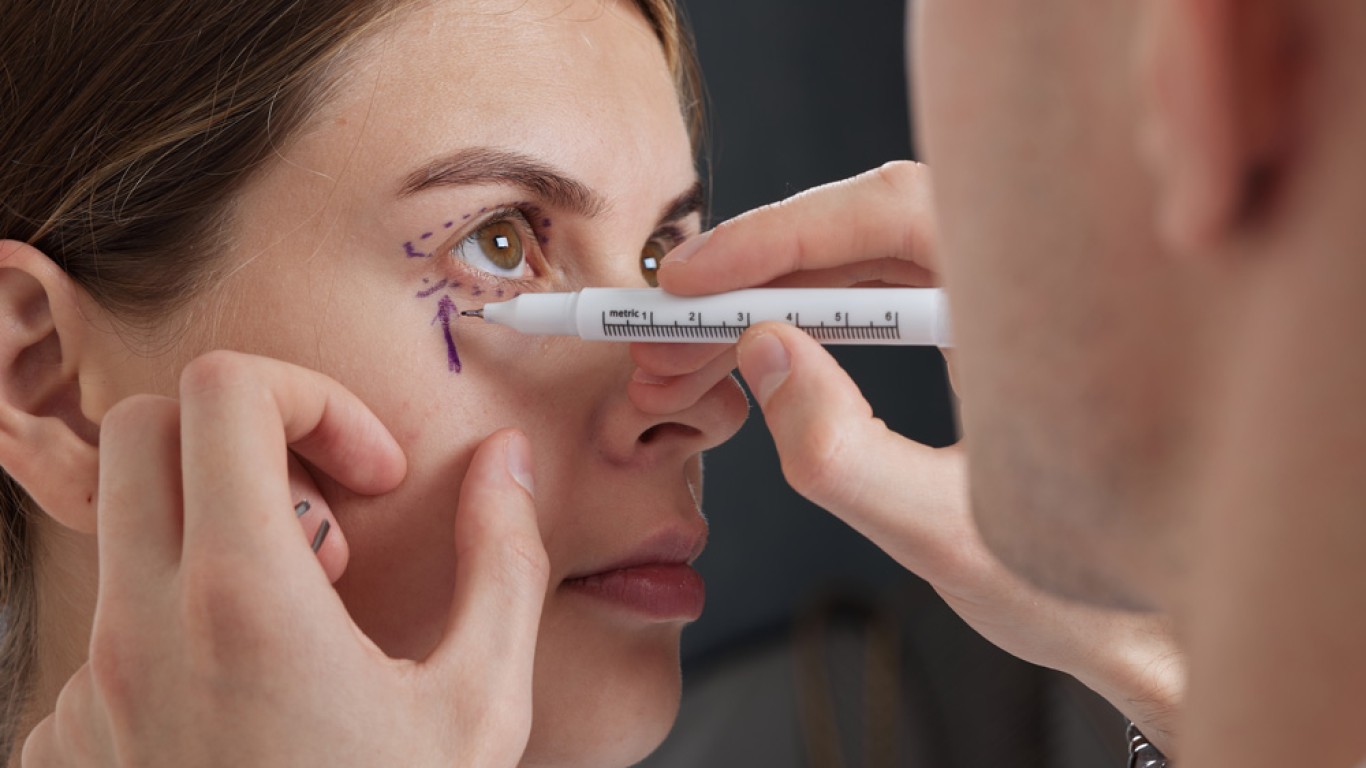
Before ptosis surgery is undertaken, a detailed eye and eyelid examination is performed. Surgeons measure eyelid height, symmetry and muscle strength precisely. The response of the levator muscle is tested through controlled eye movement. Brow position is also evaluated, as it influences lid height perception. Photographs may support surgical planning and documentation. Functional testing determines whether vision is significantly affected. A personalised plan is developed based on these findings, ensuring realistic and balanced expectations.
Ptosis Surgery and the Role of Muscle Strength Testing
Before ptosis surgery, surgeons evaluate levator muscle strength carefully. Patients are asked to look up and down while measurements are recorded. This testing determines how much natural lift remains. Stronger muscles may require minor tightening while weaker muscles may need more significant adjustment. Assessing function helps guide technique selection. Precise measurement reduces the risk of undercorrection or excessive lift. Detailed evaluation supports balanced and proportionate correction.
How Ptosis Surgery Is Performed
Ptosis surgery focuses on tightening, shortening or repositioning the levator muscle to elevate the lid.
- A small incision is typically placed within the natural eyelid crease to conceal scarring.
- Through this opening, the muscle is adjusted carefully to restore lift.
- In mild cases, internal approaches may be used without a visible incision.
- Technique selection depends on muscle strength, lid position and anatomical considerations.
- Precision is essential to achieve symmetry, natural contour and smooth eyelid movement.
Local Versus General Anaesthesia for Ptosis Surgery
Ptosis surgery is commonly performed under local anaesthesia with light sedation. This approach allows patients to open and close their eyes during adjustment. Active participation supports accurate eyelid positioning however, in certain cases, general anaesthesia may be considered. The choice depends on patient comfort and surgical complexity. Discussing anaesthesia options during consultation ensures clarity and preparation. Individualised planning enhances overall experience.
Ptosis Surgery: Achieving Symmetry Between Both Eyes
One of the primary goals of ptosis surgery is balanced eyelid height between both eyes. Even minor asymmetry can affect facial harmony noticeably. Surgeons carefully adjust muscle tension to align lid position on both sides. Measurements during surgery help guide accurate alignment. Perfect symmetry is rarely possible due to natural anatomical variation. However, significant improvement is typically achieved with careful technique. Restored balance enhances overall facial proportion and expression.
Impact on Facial Expression
The eyelids contribute significantly to facial expression. Drooping lids may create a fatigued or withdrawn appearance. Ptosis surgery restores a more alert and balanced look. The aim is subtle correction that preserves natural character. Overcorrection can appear unnatural, so conservative technique is essential. Balanced elevation enhances openness without exaggeration. Expression should remain authentic and fluid.
Recovery from Ptosis Surgery and Early Healing
Mild swelling and bruising are common after ptosis surgery and usually peak within a few days. These effects gradually improve within one to two weeks. Stitches may be removed within several days if non dissolvable sutures are used. Temporary dryness, mild irritation or light sensitivity may occur during early healing. Following aftercare instructions supports smooth recovery and reduces discomfort. Most patients resume normal daily activities gradually as swelling subsides.
Temporary Postoperative Changes
After ptosis surgery, temporary tightness may be noticeable when blinking. Mild dryness can occur as the eyelid adapts to its new position. Lubricating drops are often recommended during early healing. Slight asymmetry may be visible while swelling persists - these changes typically resolve as tissues settle naturally. Understanding short term fluctuations prevents unnecessary concern. Gradual adaptation supports long term comfort.
Long Term Functional Benefits of Ptosis Surgery
Ptosis surgery provides durable improvement in eyelid position and visual comfort. Restoring proper lid height often enhances visual clarity and reduces obstruction. Patients may notice reduced brow strain and improved comfort during reading or screen use. Functional improvement supports confidence in daily activities. Long term stability depends on muscle condition, healing quality and natural ageing. Most individuals experience lasting benefit when the procedure is performed precisely.
Can Ptosis Recur?
Although ptosis surgery offers long lasting correction, ageing continues naturally and tissues change gradually. Muscle tissue may weaken again over many years. However, recurrence is uncommon in properly performed procedures with stable anatomy. Maintaining regular eye examinations supports early monitoring if subtle changes appear. Realistic expectations ensure satisfaction with results over time.
Why Many Patients Choose Turkey for Ptosis Surgery
Turkey offers experienced ophthalmic and facial surgeons trained in delicate eyelid procedures. Advanced facilities support precise surgical planning and structured aftercare. Ptosis surgery is approached carefully to preserve natural eyelid movement and blinking function. Patients value detailed consultation and personalised care pathways. Comprehensive follow up enhances reassurance during recovery.
Conclusion
Ptosis surgery restores eyelid position, improves symmetry and enhances functional vision. By correcting levator muscle weakness, the procedure addresses both aesthetic and practical concerns. Careful assessment and precise technique ensure balanced and proportionate results. With appropriate planning and recovery, patients experience improved clarity, comfort and facial harmony.
If you’re interested in finding out more about eyelid surgery, visit the ACIBADEM Beauty Center blepharoplasty page.
Frequently Asked Questions
It is a procedure that lifts a drooping upper eyelid.
Discomfort is usually mild and temporary.
Most swelling improves within two weeks.
That depends on whether one or both eyelids are affected.
Results are typically long lasting, though ageing continues naturally.