Ataşehir Mah. Feza Sk. No:3 İstanbul / Türkiye
 French
  English
  German
  Spanish
Introduction
People searching for clearer and brighter skin often compare IPL treatment with laser therapy. Both methods use light to target uneven tone, pigmentation, and dullness. However, each technology behaves differently and offers unique advantages. Understanding how these treatments work helps people make informed choices. Choices that match their skin type and goals. This guide explores how IPL and laser treatments differ, which concerns they address, and what results people can expect in 2026.
What IPL Treatment Actually Does
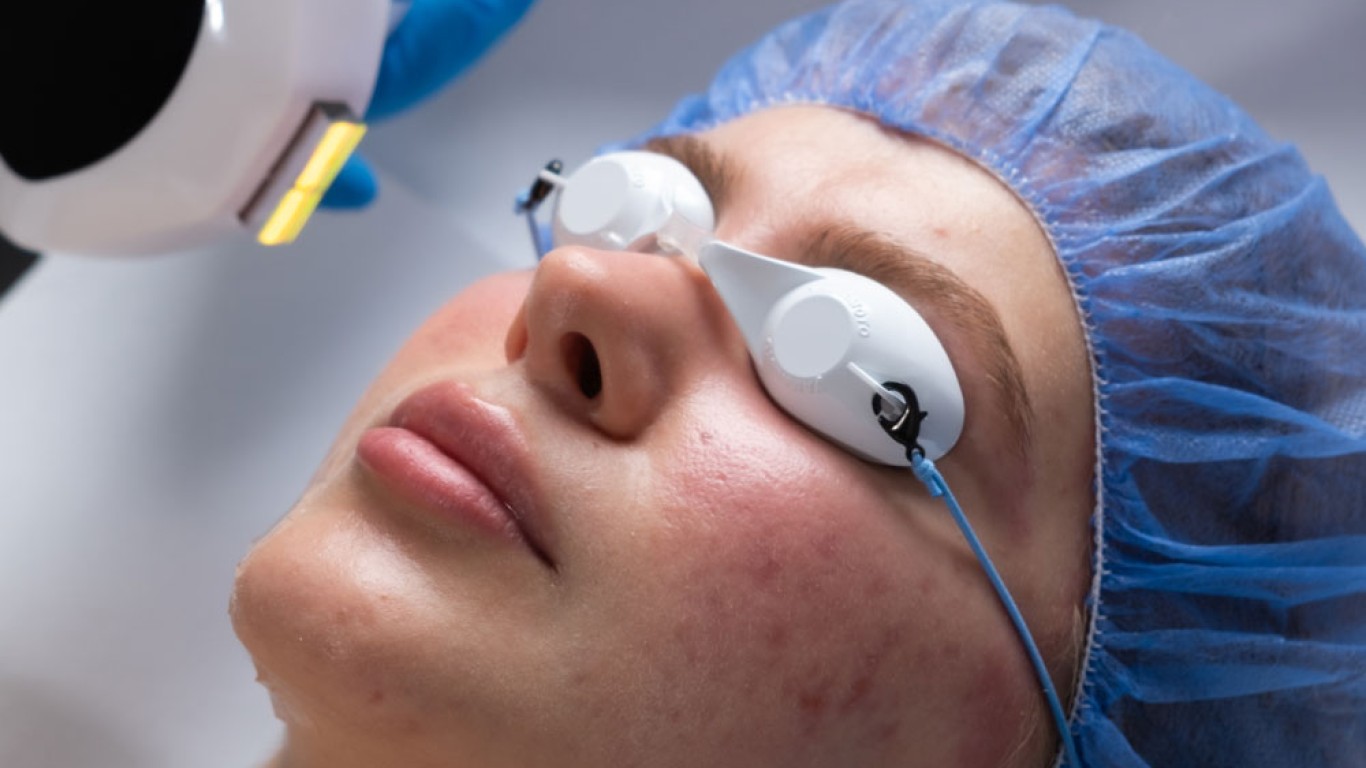
IPL treatment uses broad-spectrum light that breaks into multiple wavelengths. These wavelengths target pigment and redness across wider areas of the skin. IPL has a scattered light pattern, which allows it to treat several concerns at once. It is popular for people wanting gentle brightening and improvement in overall tone. IPL suits mild to moderate pigmentation and early signs of sun damage.
How Laser Treatment Differs from IPL
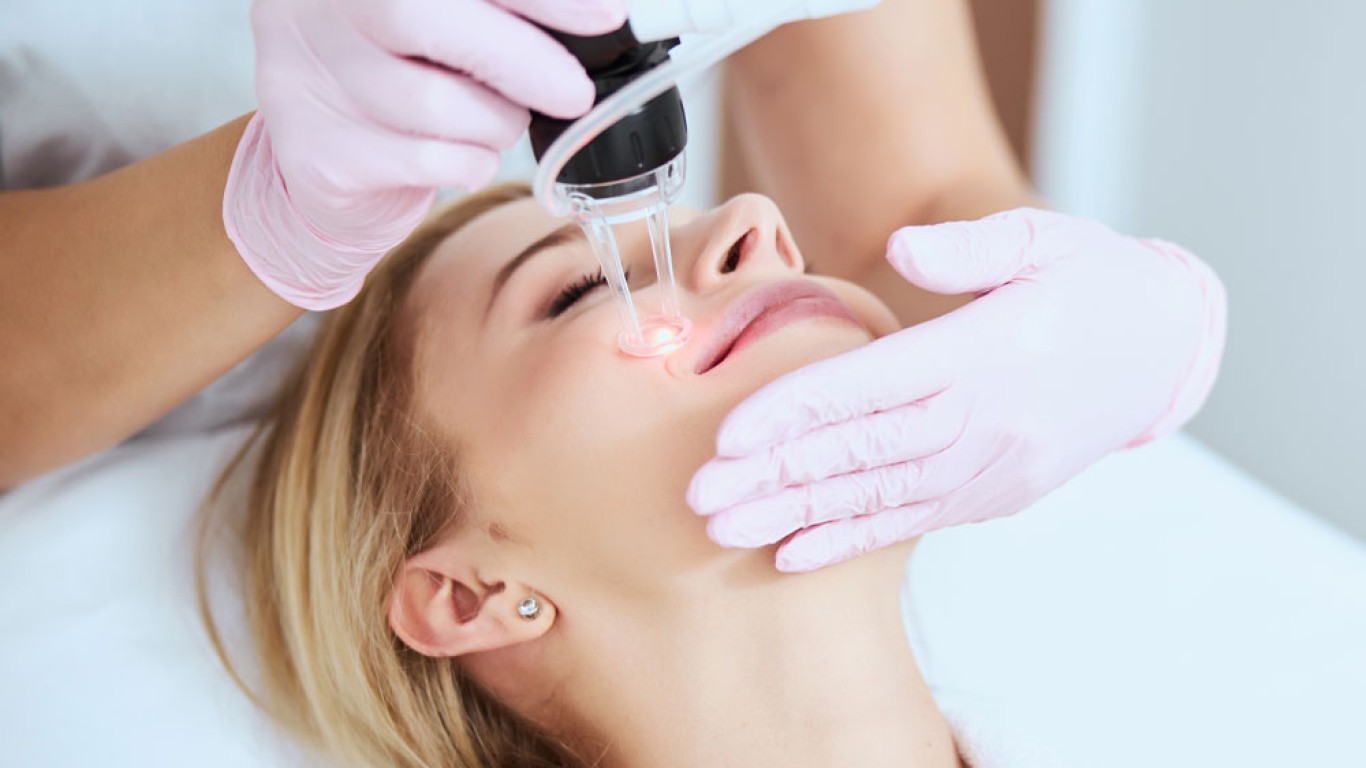
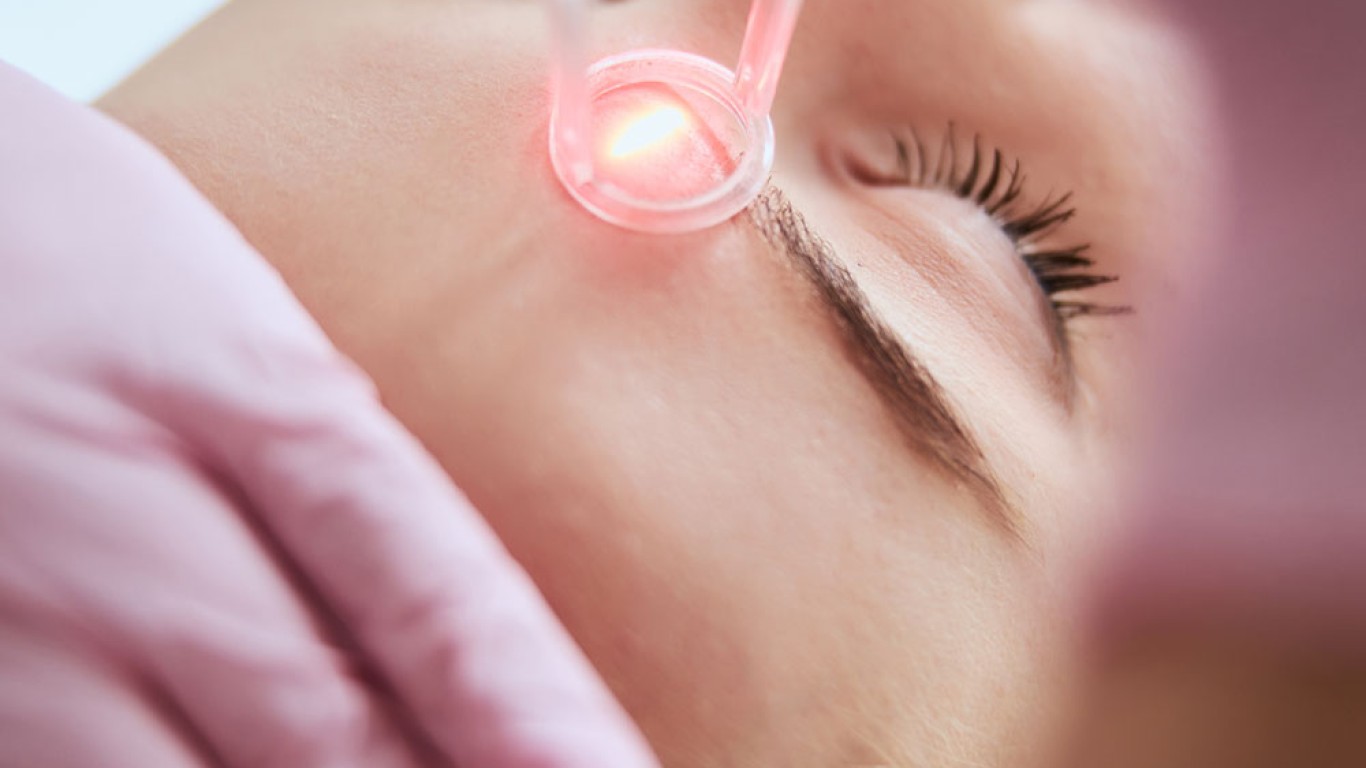
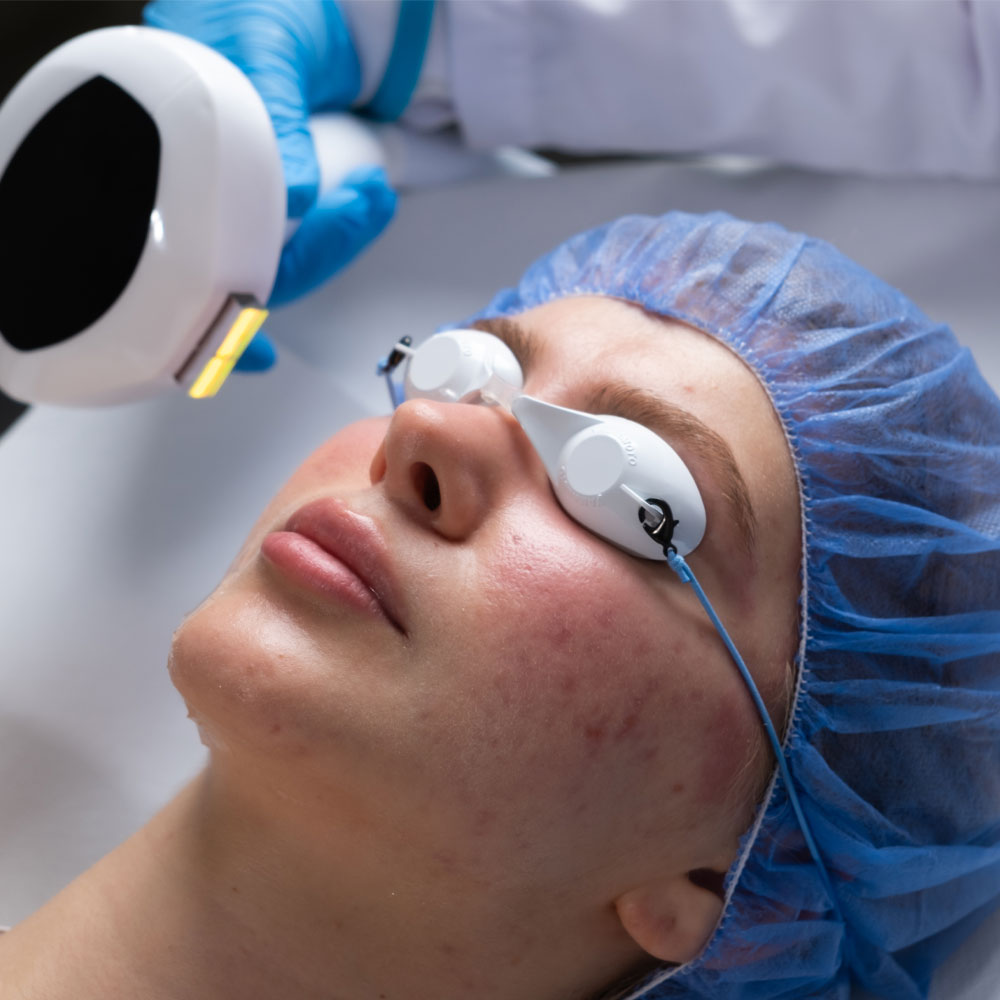
Laser devices use a single, concentrated wavelength. This produces a precise beam that targets deeper layers or specific pigment clusters. Because lasers deliver focused energy, they treat stubborn pigmentation or texture concerns more effectively. Some lasers also support collagen stimulation. Laser therapy suits people wanting clearer, defined improvement in targeted areas.
Which Concerns IPL Treats Best
IPL performs well on several concerns:
- Mild sunspots
- General redness
- Broken capillaries
- Freckles
- Uneven tone
- Early sun damage
Its broad wavelengths help treat multiple issues in a single session. IPL does not suit deeply pigmented lesions, but it brightens early changes very effectively.
Which Concerns Laser Treats Best
Laser therapy suits deeper and more defined concerns:
- Stubborn sunspots
- Horizontal texture changes
- Deeper pigmentation
- Vascular clusters
- Early fine lines
- Specific stubborn areas
Precise wavelengths help refine issues IPL cannot fully reach. Laser therapy remains the stronger option for focused pigment removal.
Skin Types That Respond Well to IPL Treatment
IPL treatment works best on lighter skin tones with visible pigmentation or redness. People with stable skin behaviour see clear and steady improvement. IPL suits those wanting a gradual approach rather than intensive correction. It is also useful for people who want to avoid longer downtime.
Skin Types That Respond Well to Lasers
Many modern lasers work safely across a wider range of skin types. Deeper skin tones require careful assessment to avoid pigment disruption. Specialists choose the correct wavelength to ensure safe treatment. Laser treatments suit those wanting defined changes in specific areas or deeper rejuvenation.
How Each Treatment Brightens the Skin
IPL brightens by breaking pigment into smaller particles that the body naturally clears. It also reduces redness, which creates a more even tone. Laser therapy brightens through targeted pigment breakdown and deeper stimulation. This leads to clearer colour and improved texture. Both deliver brighter skin, but the method differs.
How Many Sessions People Usually Need
IPL normally requires several sessions for steady improvement. People often complete three to five sessions for clearer results. Laser therapy may need fewer sessions because each session delivers concentrated energy. Some concerns improve in one or two treatments. The required number depends on the depth and size of the pigment.
Downtime Comparison: IPL Treatment vs Laser
IPL usually produces mild redness that settles quickly. People often resume normal routines soon after. Laser treatments may involve longer downtime depending on the device. Some fractional lasers create mild swelling or temporary dryness. Stronger devices require more structured aftercare.
Comfort Levels During Treatment
People often describe IPL as brief pulses that feel warm. The sensation is tolerable for most. Laser therapy varies. Some devices feel warm, while deeper devices feel sharper. Cooling systems support comfort during both treatments.
IPL Treatment vs Laser:Safety Considerations in 2026
Both treatments remain safe when performed by trained specialists. Proper assessment helps avoid irritation or pigment disruption. Specialists guide people on sun exposure, skin care routines, and treatment schedules to maintain safe conditions.
Combination Approaches for Enhanced Brightening
Some people benefit from combining IPL treatment with specific lasers. A combined plan helps address surface pigmentation and deeper clusters. Specialists use structured sequencing to ensure each treatment supports the other. This approach offers clearer brightness and even tone.
How Long Results Last
Results depend on skin care habits, sun exposure, and natural skin behaviour. IPL results last longer with consistent sun protection and supportive routines. Laser results remain steady due to deeper correction. People often schedule maintenance sessions to support continued clarity.
Preparing for IPL or Laser Treatment
Preparation includes:
- Avoiding strong sun exposure
- Pausing retinoids
- Hydrating the skin
- Following specialist guidance
These steps ensure safe and consistent treatment outcomes. Proper preparation also reduces irritation.
Aftercare That Supports Brightening
Aftercare routines include:
- Gentle cleansing
- Consistent sun protection
- Avoiding heat exposure
- Hydrating serums
- Light moisturisers
These habits help maintain stable results after IPL treatment or laser sessions.
Which Treatment Brightens Skin Faster?
Laser therapy typically brightens faster due to concentrated targeting. IPL brightens gradually. People wanting quick changes often choose laser. Those wanting gentle and progressive refinement choose IPL.
Choosing Between IPL and Laser in 2026
People often base their choice on:
- Skin type
- Pigment depth
- Desired speed
- Downtime preference
- Budget
- Treatment goals
A structured consultation helps identify the correct option. Some prefer laser precision. Others value IPL’s broad and gentle brightening.
Cost Comparison
IPL sessions generally cost less per session than laser. Laser costs vary depending on device type and required depth. Some people invest in laser for faster results. While others schedule multiple IPL sessions for gradual brightening.
Conclusion
Both IPL treatment and laser therapy brighten skin effectively. IPL suits those wanting gentle, gradual improvement across a broader area. Laser therapy suits deeper pigmentation and targeted correction. With clear planning, accurate assessment, and structured aftercare, people can achieve smooth and even brightness in 2026.
For more information and to book a consultation visit the ACIBADEM Beauty Center skin treatments page.
Frequently Asked Questions
IPL often performs better for redness and visible capillaries.
Yes, laser often brightens faster due to targeted energy.
It depends on the device and the assessment.
Results last longer with sun protection and consistent routines.
Yes, combination plans help address multiple concerns.