Ataşehir Mah. Feza Sk. No:3 İstanbul / Türkiye
 English
  German
  Spanish
Introduction
IPL laser treatment is one of the most frequently searched aesthetic terms. Patients use the phrase widely. However, it contains a technical inaccuracy that is worth understanding. IPL is not technically a laser. The distinction matters because it affects treatment selection, expectations and safety. Understanding what IPL laser treatment actually involves helps patients ask the right questions during consultation. This article answers the questions patients ask most frequently about IPL laser therapy.
Is IPL Laser Treatment Actually a Laser?
Strictly speaking, no. IPL laser treatment is a common term but IPL and laser are different technologies. A laser emits a single wavelength of coherent light. All the light energy is focused on one specific target. IPL emits broad-spectrum light across multiple wavelengths. Filters narrow the range but the light is not a single wavelength. IPL laser therapy as a search term reflects how patients describe the technology rather than its technical classification. The distinction matters clinically. True laser is more precise for targeting a single concern. IPL laser therapy is more versatile for addressing multiple concerns in one session. Both produce genuine results. The choice between them depends on the specific skin concern and individual factors. IPL laser therapy in everyday usage simply means light-based skin treatment using IPL technology. Patients should not be confused by the terminology. What matters is whether the treatment addresses their specific concern effectively.
What Can IPL Laser Treatment Do for My Skin?
IPL laser treatment addresses a broad range of concerns. Sun damage pigmentation responds well. Brown spots, freckles and age spots are treated effectively. IPL laser treatment targets the melanin within these lesions. Treated spots darken and flake off over seven to fourteen days. Redness and vascular concerns are another strength. IPL laser therapy collapses broken capillaries and reduces rosacea background redness. The facial complexion appears calmer and more even. IPL laser therapy stimulates mild collagen improvement. Fine lines soften. Pore size reduces. Skin texture refines. Hair removal is possible with appropriate settings. IPL laser therapy targets the melanin in hair follicles. The energy disables follicle function progressively over multiple sessions. IPL laser therapy cannot address deep wrinkles, significant scarring or structural skin ageing. These concerns require more intensive treatments. IPL laser therapy is a refinement and maintenance tool. It excels at surface-level improvement across multiple parameters simultaneously.
Is IPL Laser Treatment Right for My Skin Type?
Skin type is the most important suitability factor. IPL laser treatment works best on lighter skin tones. Fitzpatrick types one to three respond safely and effectively. The contrast between the pigmented target and the surrounding lighter skin allows precise energy absorption. IPL laser therapy on darker skin carries higher risk. The broad-spectrum light may affect melanin in the normal surrounding skin. This can cause burns, hyperpigmentation or hypopigmentation. IPL laser therapy for Fitzpatrick four skin requires careful assessment and conservative settings. Treatment may be possible with an experienced practitioner using appropriate parameters. IPL laser therapy for Fitzpatrick five to six skin is generally not recommended. Alternative treatments including Nd:YAG laser and microneedling are safer for darker skin tones. IPL laser therapy suitability should be confirmed during consultation. The practitioner assesses the patient's exact skin tone, tan status and treatment history before proceeding.
How Many Sessions Do I Need?
Most concerns require multiple sessions. IPL laser therapy for pigmentation typically needs three to six sessions. Each session clears more spots. Cumulative improvement develops across the course. IPL laser therapy for rosacea and vascular concerns needs three to five sessions. Redness reduces progressively. Broken capillaries fade. IPL laser treatment for general rejuvenation needs four to six sessions. Collagen remodelling develops gradually. IPL laser treatment for hair removal needs six to eight sessions. The hair growth cycle means only a proportion of follicles are active at any time. Multiple sessions are needed to catch all follicles during their active phase. IPL laser therapy sessions are spaced three to four weeks apart for skin concerns and four to six weeks for hair removal. A full course takes three to six months to complete. The investment in time produces results that last six to twelve months or longer depending on the concern treated.
Does IPL Laser Treatment Hurt?
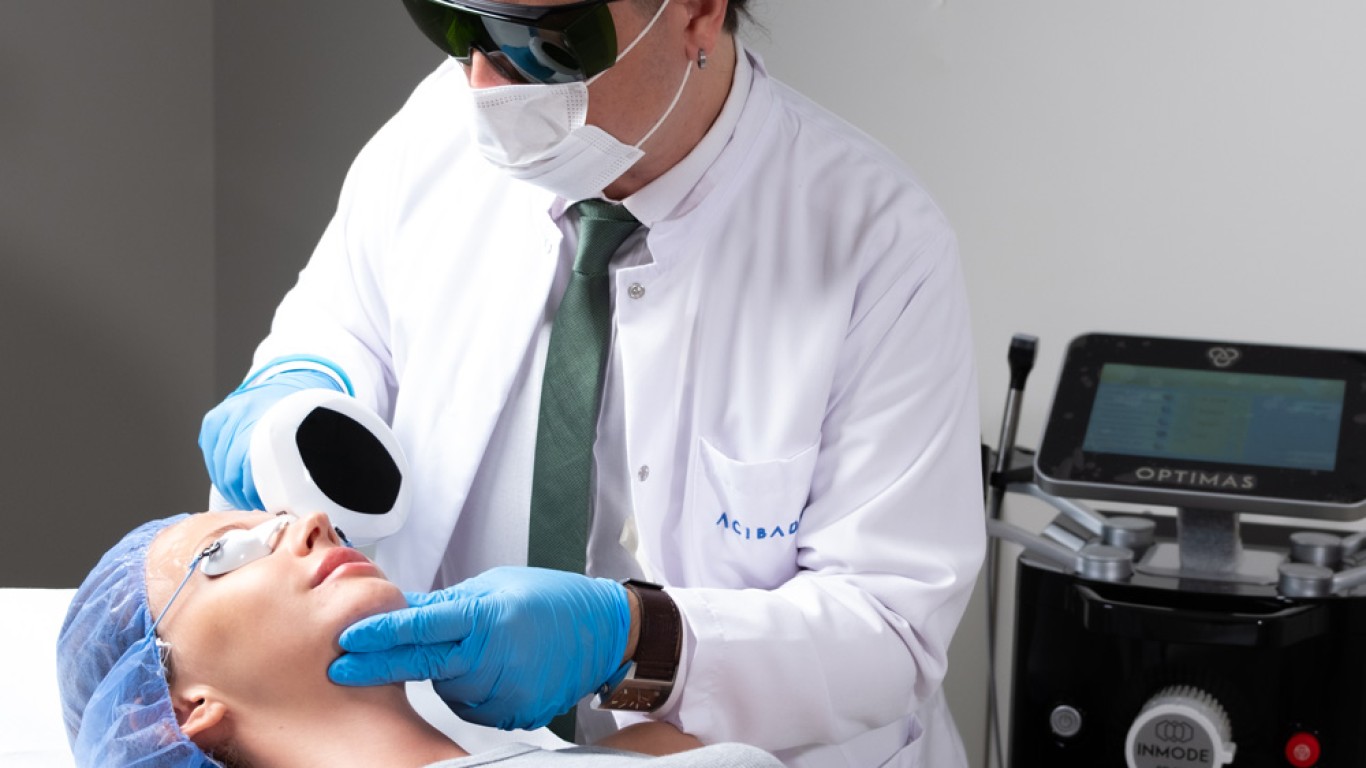
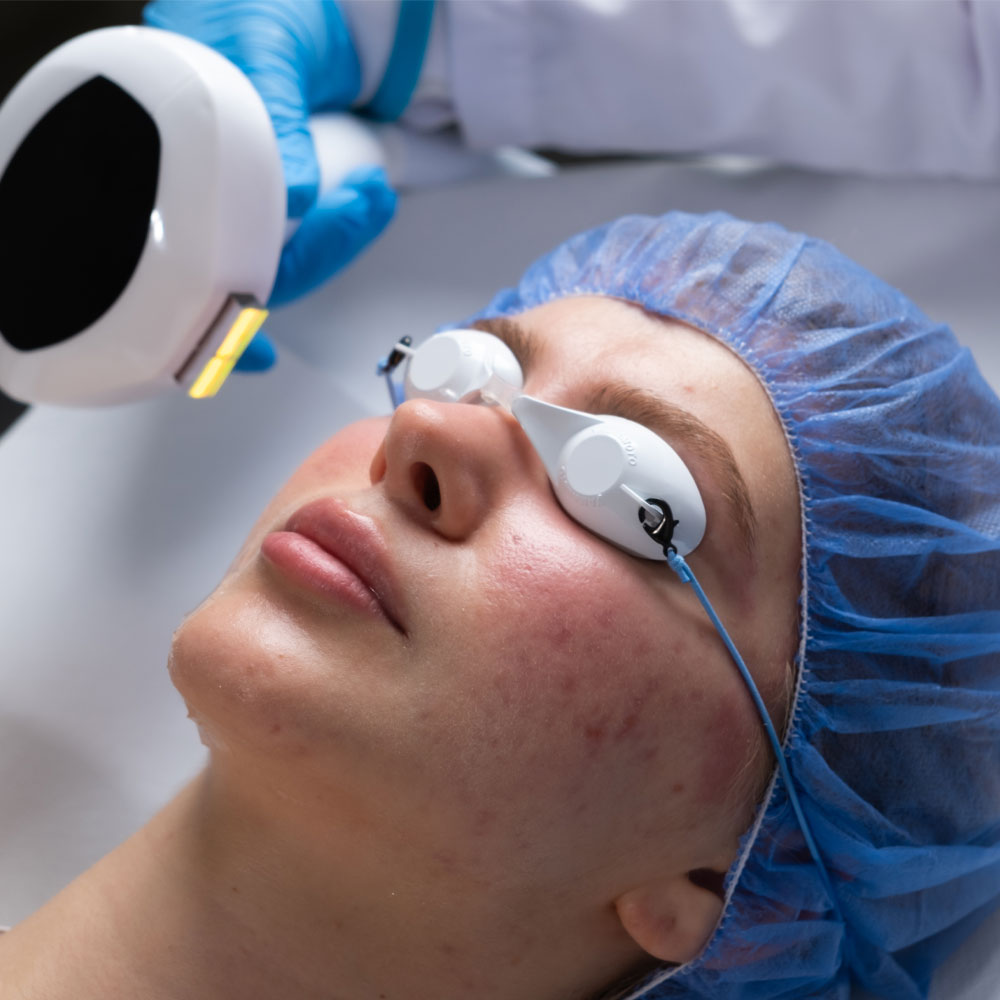
The sensation is tolerable for most patients. IPL laser treatment produces a snapping feeling with each light pulse. Patients commonly compare it to a rubber band flicking against the skin. Some facial areas are more sensitive than others. The nose and temples tend to produce more discomfort. The cheeks and forehead are less sensitive. IPL laser therapy does not usually require anaesthesia. Cooling gel and the device's built-in cooling system manage comfort effectively. Patients with low pain tolerance can request topical numbing cream. This is applied twenty to thirty minutes before treatment. IPL laser therapy discomfort is brief. Each pulse lasts a fraction of a second. The treatment takes twenty to forty minutes. The discomfort is intermittent rather than continuous. Most patients find the experience more comfortable than they expected before their first session.
What Does IPL Laser Treatment Recovery Involve?
Recovery is minimal. IPL laser treatment is a no-downtime procedure. The skin appears mildly flushed immediately after treatment. This resolves within a few hours. Pigmented spots may darken over the following twenty-four to forty-eight hours. This is a positive sign. The darkening indicates successful melanin targeting. IPL laser therapy darkened spots flake off naturally over seven to fourteen days. The skin beneath is clearer. No peeling or visible healing occurs beyond this spot-specific darkening and flaking. IPL laser therapy allows immediate return to normal activities. Makeup can be applied once the cooling gel is removed. Exercise can resume the same day. Social events can proceed without visible evidence of treatment. The only restriction is sun protection. SPF fifty daily is essential after IPL laser therapy. The treated skin is temporarily more sensitive to UV. Avoiding intense sun exposure for two weeks protects the result and prevents pigmentation complications.
Conclusion
IPL laser therapy uses broad-spectrum light to address pigmentation, redness, fine lines and unwanted hair. It is technically IPL rather than laser but performs a similar function. IPL laser therapy suits lighter skin tones. Three to six sessions produce cumulative improvement. Recovery is minimal. The treatment fits easily into daily life. IPL laser treatment compares favourably with true laser for broad, progressive improvement without downtime. Professional consultation confirms individual suitability. Turkey offers IPL laser therapy at competitive pricing with experienced specialists. Consistent sun protection helps maintain results between sessions. A personalised maintenance programme can also preserve improvements and address future skin concerns.
For more information about laser treatments and to book a consultation visit the ACIBADEM Beauty Center Skin Treatments page.
Frequently Asked Questions
No. IPL uses broad-spectrum light. Laser uses a single wavelength. Both produce genuine skin improvement.
Yes, for appropriate skin types at accredited clinics with experienced practitioners.
Six to twelve months. Maintenance sessions sustain the improvement.
Safest for lighter tones. Darker skin requires careful assessment and potentially alternative treatments.
A snapping sensation. Tolerable without anaesthesia for most patients. Numbing cream is available.