Ataşehir Mah. Feza Sk. No:3 İstanbul / Türkiye
 English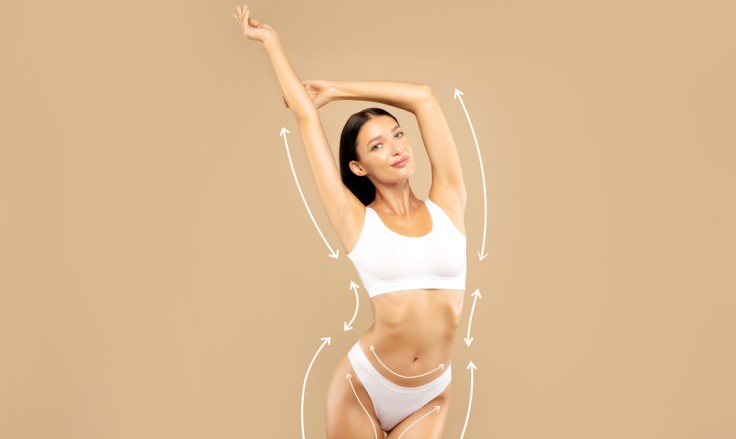
Introduction
Liposuction weight loss is a widely misunderstood topic among patients considering body contouring. Many people assume that liposuction is a weight loss procedure that reduces overall body mass significantly. In reality, liposuction is a body contouring treatment designed to sculpt and refine specific areas. The procedure removes localised fat deposits that resist diet and exercise from targeted body regions. The amount of weight lost is typically modest compared with the dramatic change in body shape. Understanding what liposuction achieves helps patients approach the procedure with realistic expectations. This article explains why liposuction is not a weight loss procedure, what it actually does and who benefits most. It also covers the difference between fat removal and weight reduction for informed patient decision-making.
Is Liposuction a Weight Loss Procedure?
Liposuction weight loss is not the primary purpose or outcome of the procedure. Liposuction is classified as a body contouring procedure rather than a weight loss treatment. The procedure removes localised subcutaneous fat from specific areas of the body. It does not reduce overall body mass in the way that dietary changes or bariatric surgery would. Most patients lose between one and five kilograms of fat during a standard liposuction session. This modest weight change does not qualify as meaningful weight loss for overweight patients. The visible improvement in body shape is significantly more dramatic than the scale reading suggests. Patients typically notice a slimmer silhouette, better proportions and improved clothing fit after recovery. Liposuction refines the body's contour rather than reducing the patient's overall size substantially. Understanding this distinction prevents disappointment and supports realistic treatment expectations for patients.
What Liposuction Actually Achieves
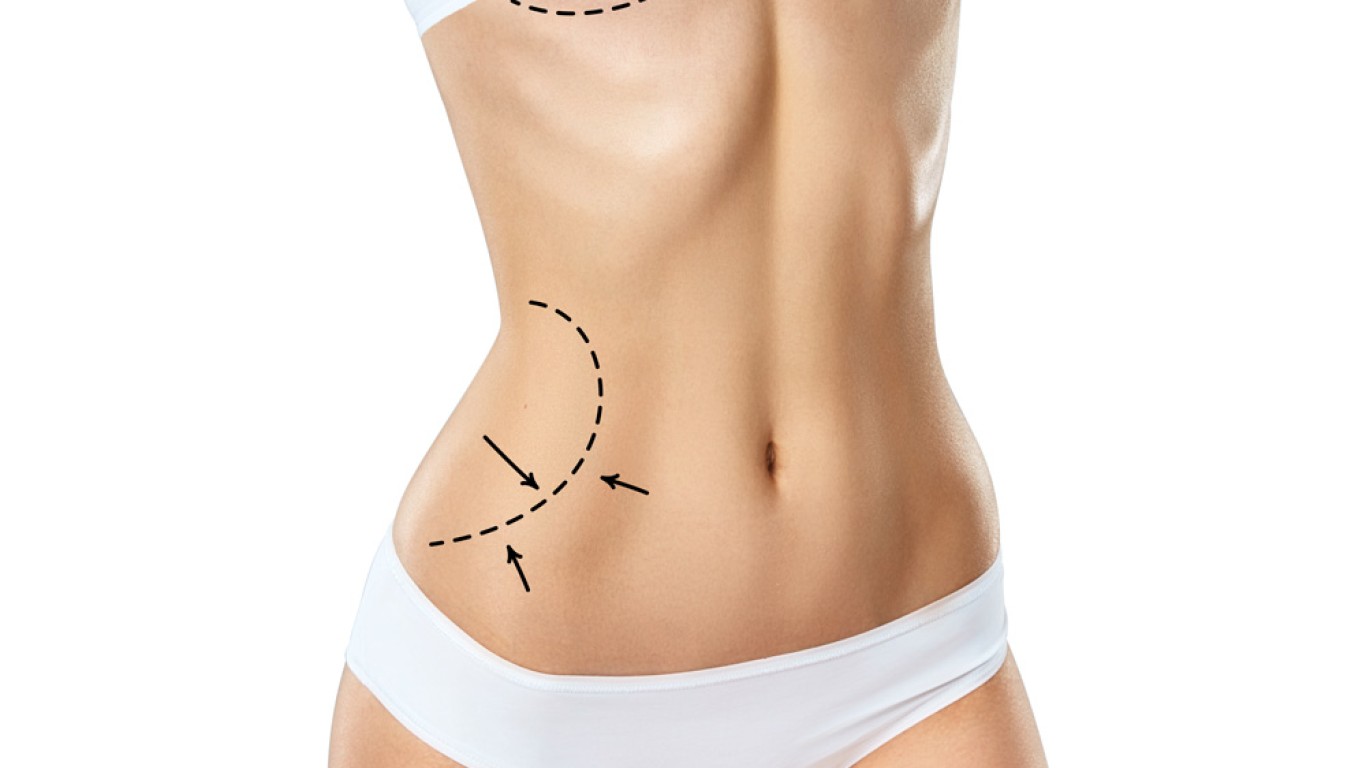
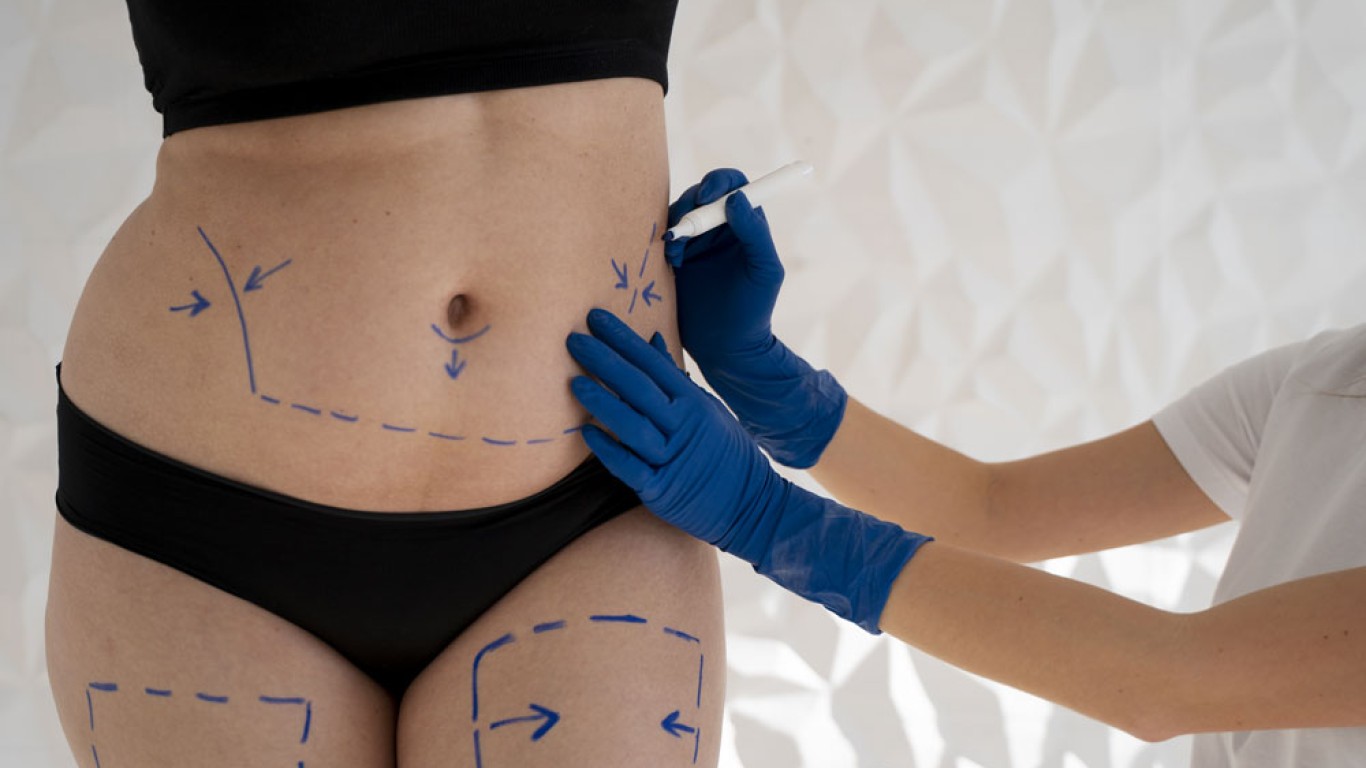
Understanding what liposuction achieves helps clarify the liposuction weight loss misconception effectively. The procedure permanently removes fat cells from targeted areas of the body. Once removed, these fat cells do not regenerate or return to the treated area. The result is a smoother, more contoured appearance in the areas where fat was extracted. Common treatment areas include the abdomen, flanks, thighs, arms, chin and back. Each area is sculpted carefully to create natural-looking proportions and smooth transitions. The improvement in body shape often exceeds what diet and exercise alone could achieve. Patients describe looking slimmer and more proportionate even without significant scale weight change. Clothing fits differently and more comfortably in the treated areas after full recovery. The aesthetic transformation is the true outcome of liposuction rather than weight reduction.
Why Liposuction Weight Loss Is Limited
Several factors explain why liposuction weight loss remains modest despite significant fat removal. The following table illustrates the relationship between fat volume and weight after the procedure.Fat tissue has a lower density than water or muscle tissue in the body. Removing three litres of fat produces approximately two to three kilograms of weight change. Post-operative swelling and fluid retention can temporarily increase weight in the days after surgery. The true weight change becomes apparent once swelling resolves over several weeks following the procedure.

Liposuction Weight Loss vs Body Contouring Results
| Factor | Explanation | Impact on Weight |
| Fat density | Fat tissue is lighter than water and muscle | Large volumes produce modest weight change |
| Safety limits | Maximum removal approximately five litres | Limits total weight reduction per session |
| Post-operative swelling | Fluid retention occurs during healing | Temporary weight increase masks fat removal |
| Subcutaneous fat only | Visceral fat is not removed | Deeper fat remains unaffected by procedure |
Liposuction weight loss on the scale tells only part of the story for patients. The real value of liposuction lies in the visible change to body shape and proportions. A patient may lose only two kilograms but notice a dramatically different silhouette and contour. Waistline definition improves significantly even with modest overall weight reduction after surgery. Thigh and arm circumference decreases noticeably in the treated areas after recovery. Patients often drop one to two clothing sizes despite minimal change in body weight overall. Before-and-after photographs demonstrate the transformation far more accurately than weighing scales. Body measurements provide a more meaningful assessment of liposuction outcomes than weight. Confidence and comfort in fitted clothing improve substantially after the procedure for most patients. Evaluating results through appearance and measurements supports more accurate outcome assessment overall.
Who Benefits Most FromLiposuction Weight Loss?
Liposuction benefits patients who are already near their healthy target weight before surgery. Ideal candidates have localised fat deposits that persist despite consistent diet and exercise effort. These stubborn pockets of fat create contour irregularities that patients want to improve aesthetically. Good skin elasticity allows the skin to contract smoothly over the newly contoured area. Candidates should be in good general health with no significant medical conditions affecting surgery. Non-smoking status supports healing and reduces the risk of post-operative complications significantly. Patients seeking overall weight reduction should pursue dietary and lifestyle changes first instead. Bariatric surgery is more appropriate for patients with obesity seeking substantial weight reduction. Liposuction complements a healthy lifestyle by refining areas that resist conventional efforts alone. A consultation evaluates individual suitability and recommends the most appropriate treatment approach.
Liposuction and Weight Management After Surgery
Understanding liposuction weight loss expectations includes knowing how to maintain results long term. The fat cells removed during liposuction do not grow back in the treated areas of the body. However, remaining fat cells throughout the body can expand if significant weight gain occurs. Weight gain after liposuction distributes unevenly and may affect untreated areas more noticeably. This can compromise the improved contour and proportions achieved through the surgical procedure. Maintaining stable body weight through balanced nutrition is essential for preserving results over time. Regular physical exercise supports overall body composition and muscle tone after treatment. Patients should view liposuction as complementing their healthy lifestyle rather than replacing it entirely. Sustainable habits protect the investment in body contouring for many years to come. Patients who commit to weight stability enjoy their improved contour and confidence long term.
Conclusion
Liposuction weight loss is modest, typically ranging from one to five kilograms per session. The procedure is a body contouring treatment that sculpts and refines targeted areas effectively. It removes subcutaneous fat that resists diet and exercise from specific body regions. The visible improvement in body shape and proportions far exceeds the change on the scale. Liposuction is not a weight loss procedure and does not replace healthy lifestyle commitment. Results are long-lasting when body weight remains stable through balanced nutrition and exercise. Professional consultation ensures personalised planning and realistic expectations before treatment begins. Turkey offers experienced surgeons and accredited facilities for liposuction body contouring procedures.
To find out more and to book a consultation visit the ACIBADEM Beauty Center Aesthetics webpage.
Frequently Asked Questions
No, liposuction is a body contouring treatment that removes localised fat, not a weight loss method.
Most patients lose between one and five kilograms depending on the volume of fat removed.
Fat is lighter than muscle and water, so removing fat volume produces modest weight change.
Patients near their target weight with localised stubborn fat deposits that resist diet and exercise.
No, liposuction complements a healthy lifestyle by refining areas that resist conventional efforts.