Ataşehir Mah. Feza Sk. No:3 İstanbul / Türkiye
 English
Introduction
Tummy tuck stretch marks removal is a question that patients frequently ask during consultation. Stretch marks on the abdomen are a common concern after pregnancy, weight fluctuations or growth spurts. Many patients considering abdominoplasty hope the procedure will address both loose skin and stretch marks. The answer depends on where the stretch marks are located on the abdominal area. A tummy tuck removes a significant portion of lower abdominal skin during the procedure. Stretch marks within that removed skin are permanently eliminated along with the excess tissue. However, not all abdominal stretch marks can be removed during a tummy tuck procedure. This article explains which tummy tuck stretch marks can be removed, which remain and what patients should expect. Understanding these details supports realistic expectations and confident decision-making before surgery.
Addressing Tummy Tuck Stretch Marks
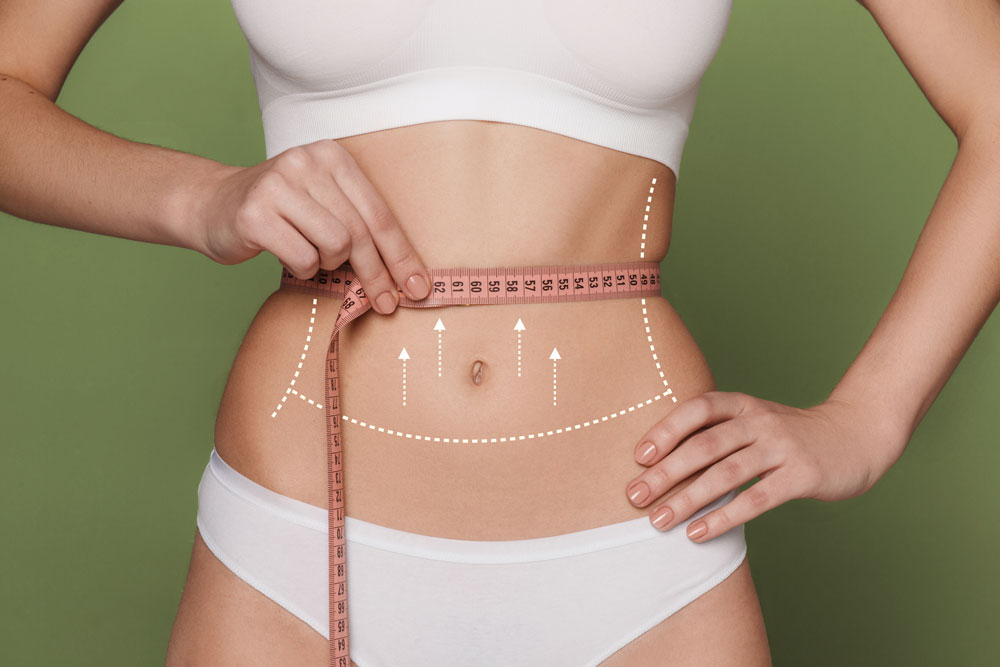
A tummy tuck removes excess skin from the lower abdomen between the navel and the pubic area. Tummy tuck stretch marks located within this zone of skin removal are permanently eliminated. The surgeon excises the redundant skin along with any stretch marks it contains during the procedure. This is a genuine removal rather than a cosmetic treatment that merely fades the marks. The remaining upper abdominal skin is then pulled downward and secured in its new position. Any stretch marks on the upper abdomen are repositioned lower but not removed during surgery. These repositioned marks may become less visible in their new, lower location on the abdomen. The procedure effectively addresses stretch marks as a secondary benefit of excess skin removal. Patients should understand that stretch mark removal is not the primary goal of abdominoplasty. The primary purpose is to remove excess skin and tighten the abdominal wall muscles.
Which Tummy Tuck Stretch Marks Can Be Removed?
The location of stretch marks determines whether they can be removed during a tummy tuck procedure. The following table explains which marks are typically addressed during surgery.
| Stretch Mark Location | Outcome After Tummy Tuck | Likelihood of Removal |
| Below the navel | Removed with excised skin | High; most are eliminated |
| Around the navel | Partially removed or repositioned | Moderate; depends on extent |
| Above the navel | Repositioned lower, not removed | Low; marks remain but move lower |
| On the flanks or sides | Not affected by standard tummy tuck | None; outside the treatment area |
Stretch marks below the navel have the highest likelihood of complete removal during a tummy tuck. Those located on the upper abdomen or flanks remain after surgery but may shift in position. The surgeon assesses stretch mark distribution during consultation to set realistic expectations for each patient.
Why Lower Abdominal Tummy Tuck Stretch Marks Are Removed
Lower abdominal tummy tuck stretch marks are removed because this skin is excised during the procedure. The tummy tuck incision runs horizontally across the lower abdomen, typically below the bikini line. All skin between this incision and the navel is removed along with its underlying tissue. This excised skin panel often contains the highest concentration of pregnancy-related stretch marks. The marks are permanently eliminated because the skin containing them no longer exists after surgery. This is the most effective form of stretch mark removal available for the lower abdominal area. No topical treatment or laser procedure can match the complete removal achieved through excision.
Patients with extensive lower abdominal stretch marks from pregnancy often benefit significantly from this aspect. The stretch mark removal occurs as a natural consequence of the skin excision rather than an additional step. This makes the tummy tuck uniquely effective for addressing lower abdominal stretch marks permanently.
Tummy Tuck Stretch Marks on the Upper Abdomen
Tummy tuck stretch marks located above the navel are not removed during a standard abdominoplasty procedure. The upper abdominal skin is pulled downward to create the flatter contour after surgery. Stretch marks on this skin travel downward with it to a new, lower position on the abdomen. They may become less prominent in their new location due to the skin being stretched tighter. However, the marks themselves remain present within the repositioned skin tissue. Some patients find that the improvement in overall abdominal appearance makes remaining marks less noticeable. The flatter, tighter contour draws attention away from residual stretch marks after surgery. Additional treatments such as laser therapy or microneedling can address remaining upper abdominal marks. These complementary treatments can be considered once the tummy tuck has fully healed. The surgeon discusses the likely outcome for upper abdominal marks during the consultation appointment.
Setting Realistic Expectations
Realistic expectations about tummy tuck stretch marks support greater satisfaction with surgical outcomes. The primary goal of a tummy tuck is to remove excess skin and tighten the abdominal muscles. Stretch mark removal in the lower abdomen is a valuable secondary benefit of the procedure. Patients should not undergo a tummy tuck solely for the purpose of stretch mark removal. The procedure involves significant surgery with a recovery period of six to eight weeks. Understanding which marks will be removed and which will remain is essential before surgery. The consultation allows the surgeon to examine stretch mark distribution and explain likely outcomes. Patients with realistic expectations about stretch mark outcomes report higher satisfaction after surgery. The overall improvement in abdominal contour typically exceeds expectations even when some marks remain. Focusing on the comprehensive transformation rather than individual marks supports a positive experience.
Conclusion
A tummy tuck effectively removes stretch marks located on the lower abdominal skin below the navel. These marks are permanently eliminated along with the excess skin excised during the procedure. Upper abdominal stretch marks are repositioned lower but remain present after a tummy tuck. Complementary treatments such as laser therapy can address remaining marks after full recovery. Realistic expectations about which tummy tuck stretch marks can be removed support patient satisfaction. The overall improvement in abdominal contour typically provides significant aesthetic benefit beyond stretch mark removal. Professional consultation assesses individual stretch mark distribution and explains likely outcomes before surgery. Turkey offers experienced surgeons and accredited facilities for abdominoplasty body contouring procedures.
To find out more about tummy tucks and to book a consultation visit the ACIBADEM Beauty Center Aesthetics webpage.
Frequently Asked Questions
No, it removes marks on the lower abdominal skin that is excised; upper marks are repositioned.
Stretch marks located below the navel have the highest likelihood of complete removal.
The procedure addresses excess skin and muscle laxity; stretch mark removal is a secondary benefit.
Yes, laser therapy, microneedling and other treatments can address remaining marks after recovery.
Yes, but fewer marks are removed because the excision area is smaller than a full tummy tuck.