Ataşehir Mah. Feza Sk. No:3 İstanbul / Türkiye
 English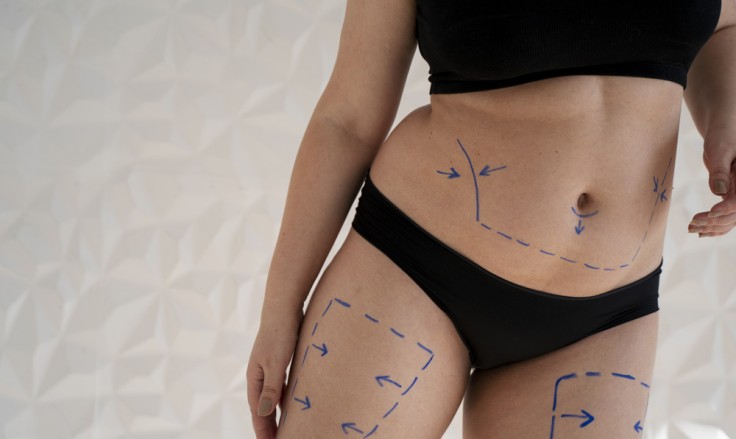
Introduction
Liposuction belly fat removal is one of the most common reasons patients consider body contouring surgery. The abdomen is the most frequently treated area for liposuction worldwide. Stubborn belly fat often resists diet and exercise despite consistent effort from patients. Liposuction offers an effective solution for removing localised subcutaneous fat from the abdominal area. However, understanding which type of belly fat the procedure targets is essential for realistic expectations. Not all belly fat is suitable for liposuction removal during the procedure. This article explains what liposuction belly fat removal involves, who it suits and what results to expect. It also covers the difference between subcutaneous and visceral fat in the abdominal region. Informed understanding helps patients approach abdominal liposuction with confidence and realistic goals.
Can Liposuction Remove Belly Fat Effectively?
Liposuction belly fat removal is highly effective for the right type of abdominal fat. The procedure targets subcutaneous fat located directly beneath the skin surface. This is the soft, pinchable fat layer that creates visible belly fullness and contour irregularity. Liposuction removes this fat permanently from the treated abdominal area. The results produce a flatter, more contoured abdomen with improved proportions overall. Patients who carry stubborn subcutaneous belly fat despite a healthy lifestyle benefit significantly. The procedure does not target visceral fat located deeper around the internal organs. Visceral fat requires dietary changes and exercise rather than surgical removal through liposuction. Understanding this distinction helps patients evaluate whether liposuction suits their specific concern. A consultation with an experienced surgeon determines individual suitability for abdominal liposuction treatment.
Subcutaneous vs Visceral Belly Fat
Understanding the difference between subcutaneous and visceral fat is essential for liposuction belly fat removal expectations. The following table explains the key differences between these two types of abdominal fat.
| Characteristic | Subcutaneous Fat | Visceral Fat |
| Location | Beneath the skin surface | Around internal organs |
| Feel | Soft and pinchable | Firm, pushes abdomen outward |
| Liposuction suitability | Yes, effectively removed | No, not accessible by liposuction |
| Reduction method | Liposuction or lifestyle changes | Diet and exercise only |
| Health risk | Lower associated health risk | Higher associated health risk |
Patients with predominantly subcutaneous belly fat are the best candidates for abdominal liposuction. Those with significant visceral fat should pursue weight management before considering the procedure. The surgeon assesses fat type and distribution during the pre-operative consultation appointment.
How The Procedure Works
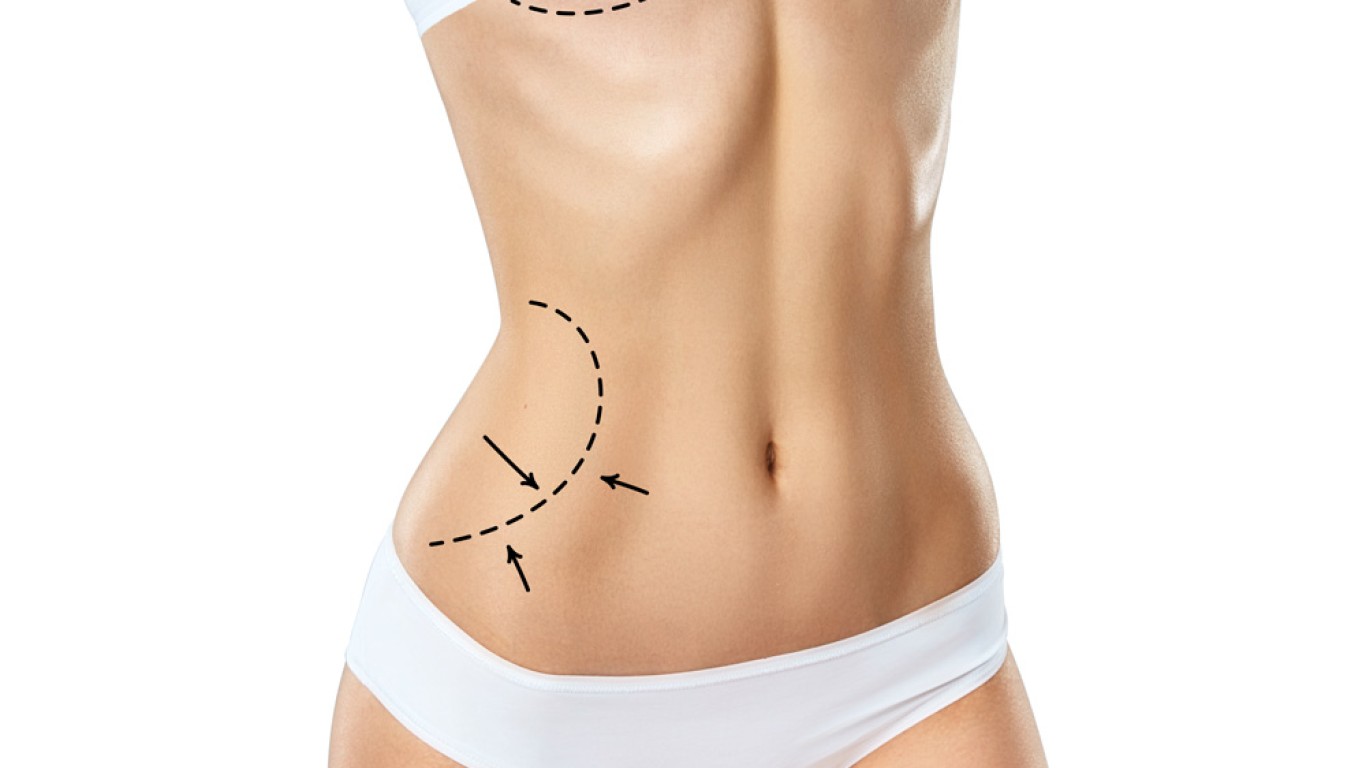
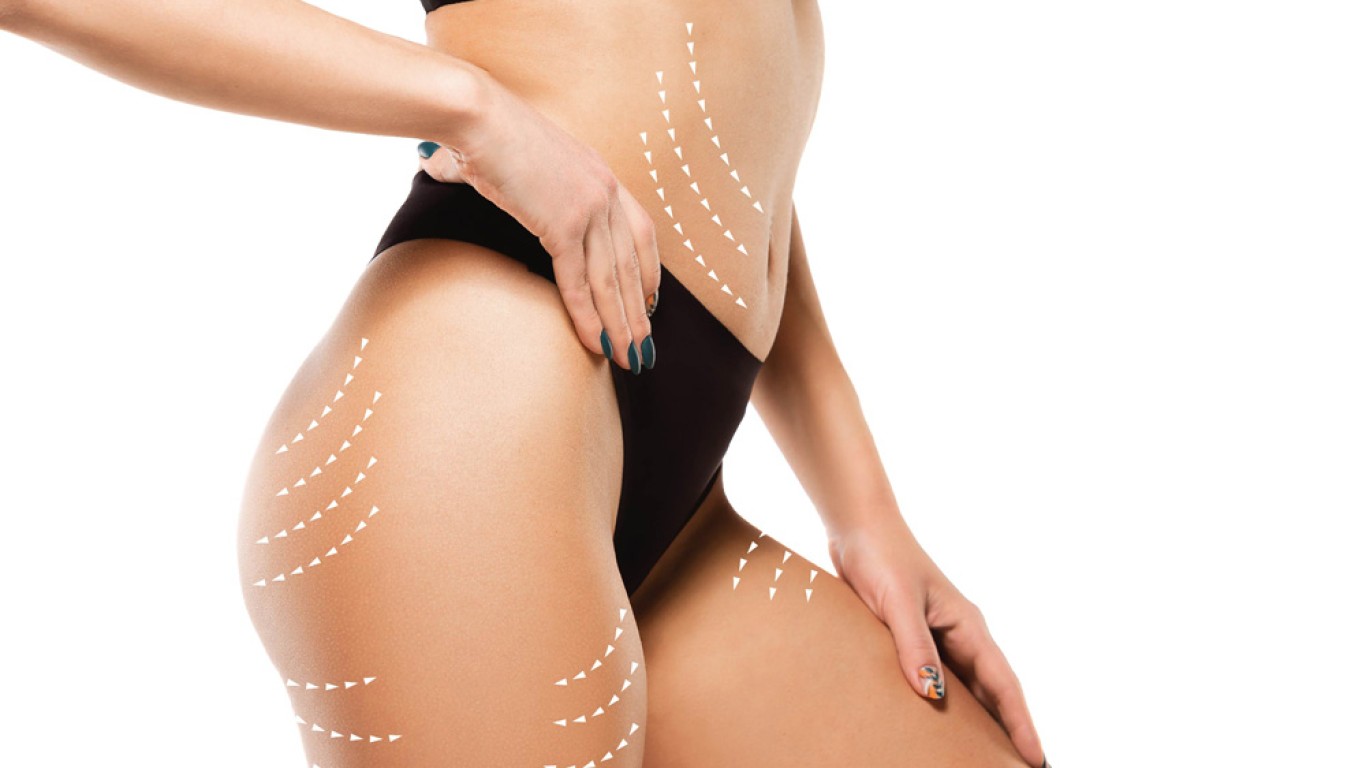
Liposuction belly fat removal uses a thin tube called a cannula to extract fat from beneath the skin. The procedure begins with injecting tumescent fluid into the treatment area. This fluid contains saline, local anaesthetic and adrenaline to reduce bleeding and discomfort. The fluid also helps loosen fat cells for easier and more precise removal. Small incisions are made in inconspicuous locations around the abdominal area. The cannula is inserted through these incisions and moved beneath the skin methodically. Suction applied through the cannula removes the loosened fat cells from the tissue. The surgeon sculpts the area carefully to create smooth and natural-looking contours. Modern techniques including ultrasound-assisted and power-assisted liposuction improve precision further. The procedure typically takes one to three hours depending on the extent of treatment. Patients are usually discharged on the same day after a brief observation period.

Who Suits Liposuction Belly Fat Removal?
Ideal candidates for liposuction belly fat removal have specific characteristics that support good outcomes. Patients should be near their target body weight with localised abdominal fat deposits. Good skin elasticity allows the abdominal skin to contract smoothly after fat removal. Candidates should be in good general health without significant medical conditions affecting surgery. Non-smoking status supports healing and reduces the risk of post-operative complications after treatment. Realistic expectations about what liposuction achieves are essential for patient satisfaction. The procedure is not suitable for patients with significant visceral fat or overall obesity. Patients who have reached a stable weight through diet and exercise are the best candidates. A consultation evaluates individual anatomy, fat distribution and skin quality before recommending treatment. The surgeon confirms whether liposuction alone or liposuction combined with a tummy tuck is most appropriate.
Liposuction Belly Fat Removal vs Tummy Tuck
Patients with abdominal concerns often compare liposuction belly fat removal with a tummy tuck procedure. Liposuction removes fat but does not address excess skin or separated abdominal muscles. A tummy tuck removes excess skin, tightens the abdominal wall and repositions the navel. Patients with good skin elasticity and primarily fat-related concerns suit liposuction alone. Those with loose or hanging abdominal skin benefit more from a tummy tuck procedure. Some patients benefit from combining liposuction with a tummy tuck for comprehensive contouring. The combination removes fat while also addressing skin laxity and muscle separation simultaneously. Post-pregnancy patients commonly require the combined approach for the most complete result. The surgeon recommends the most appropriate treatment based on individual anatomy during consultation. Understanding the difference helps patients choose the procedure that best addresses their specific concern.
Recovery After Liposuction Belly Fat Removal
Recovery from liposuction belly fat removal follows a straightforward timeline for most patients. A compression garment is worn around the abdomen for several weeks after the procedure. This supports healing, reduces swelling and helps the skin contract over the contoured area. Mild discomfort and bruising are expected during the first week after surgery. Pain is managed with prescribed medication during the initial recovery period. Most patients take one to two weeks off work depending on their role. Light walking is encouraged from the first few days to support circulation and healing. Strenuous abdominal exercise should be avoided for four to six weeks post-operatively. Swelling gradually resolves over four to eight weeks after the liposuction procedure. Results become progressively more visible as swelling subsides during the healing process. Follow-up appointments allow the surgeon to monitor healing and provide guidance throughout recovery.
Conclusion
Liposuction belly fat removal effectively targets subcutaneous fat beneath the abdominal skin surface. The procedure does not remove visceral fat located around the internal organs. Ideal candidates are near their target weight with localised stubborn belly fat deposits. Results produce a flatter, more contoured abdomen with improved body proportions overall. Recovery takes approximately four to six weeks before full activity resumes after the procedure. Maintaining stable body weight protects the long-term results achieved through surgery. Professional consultation determines whether liposuction alone or combined with a tummy tuck is most appropriate. Turkey offers experienced surgeons and accredited facilities for abdominal liposuction body contouring.
To find out more and to book a consultation visit the ACIBADEM Beauty Center Aesthetics webpage.
Frequently Asked Questions
Liposuction removes subcutaneous fat beneath the skin but cannot remove visceral fat around organs.
Results are permanent when body weight remains stable through healthy lifestyle habits.
Liposuction suits fat removal; a tummy tuck addresses loose skin and muscle separation as well.
Most patients return to full activity within four to six weeks after the procedure.
Weight loss is modest; the visible improvement in shape and proportion is far more significant.