Ataşehir Mah. Feza Sk. No:3 İstanbul / Türkiye
 French
  English
  German
  Spanish
Introduction
Exosome for hair therapy has emerged as one of the most promising developments in hair restoration science. The treatment uses tiny cell-derived vesicles to deliver regenerative signals directly to hair follicles. Many patients experiencing hair thinning or loss are exploring exosome hair treatments as an alternative or complement to traditional approaches. The science is advancing rapidly with encouraging early results. Understanding how exosome for hair therapy works helps patients evaluate whether this innovative approach suits their hair loss concerns. This article explains the science, the treatment process and what realistic results patients can expect from exosome hair therapy in its current stage of development.
What Are Exosomes and How Do They Relate to Hair?
Exosomes are nanoscale vesicles released by cells that carry biological cargo. This includes growth factors, proteins and messenger RNA. Their natural function is cell-to-cell communication. With exosome for hair treatments, these vesicles deliver regenerative signals to hair follicle cells. The growth factors carried by exosomes can stimulate dormant follicles. It can also support the growth phase and improve the health of the scalp. Exosome hair applications use vesicles typically derived from stem cell cultures. The exosomes are purified and concentrated into formulations designed for scalp application. The biological approach aims to reactivate the natural hair growth cycle at the cellular level rather than. It doesn’t simply aim to mask the symptoms of hair loss. This regenerative focus makes exosome therapy particularly appealing within modern aesthetic medicine and hair restoration.
How Exosome for Hair Treatments Work
Exosome for hair treatments work by delivering concentrated biological signals to the scalp and hair follicles. Exosomes are applied to the scalp through microneedling, mesotherapy injection or topical application after microneedling. The vesicles penetrate to the dermal papilla cells that regulate hair growth. Growth factors including VEGF, FGF and TGF-beta stimulate blood vessel formation around the follicles. This improves nutrient and oxygen delivery. Signalling molecules encourage follicles in the resting phase to re-enter the active growth phase. Anti-inflammatory components reduce scalp inflammation that can contribute to hair loss. Exosome hair therapy provides follicle cells with the biological instructions needed to function more effectively. The treatment supports the scalp environment for healthier hair production. Improved scalp quality often contributes to stronger, thicker and healthier appearing hair over time.
Exosome for Hair: What the Research Shows
Research into exosome for hair applications is at an early but promising stage. Laboratory studies have demonstrated that exosomes can stimulate dermal papilla cell proliferation. Animal studies have shown increased hair density and follicle count in treated areas. Early studies report improvements in hair density, thickness and coverage after exosome hair treatment courses. Some studies show results comparable to PRP therapy. Others suggest exosomes may outperform PRP for certain hair loss patterns. However, large-scale randomised controlled trials are still limited. The evidence base is growing but not yet as established as for surgical hair transplantation or proven medical therapies. Exosome for hair treatment shows genuine promise. However, patients should understand the current limitations of the evidence alongside the encouraging early results. Continued research is expected to clarify ideal treatment protocols and long-term effectiveness further.
Exosome for Hair vs PRP Therapy
Exosome for hair therapy is frequently compared with PRP treatment. Both aim to stimulate hair growth through biological mechanisms. PRP uses growth factors from the patient’s own concentrated platelets. The quality depends on individual blood characteristics. Exosome for hair treatments use laboratory-derived vesicles with standardised, concentrated growth factor profiles. The consistency is higher than PRP. Exosomes carry a broader range of signalling molecules than platelets provide. PRP has a longer track record with more published clinical data. Exosome for hair therapy is newer but potentially more potent. Some practitioners use both approaches in combination. PRP may be offered alongside exosome for hair treatment to maximise the regenerative stimulus. The choice between the two often depends on practitioner experience and individual patient factors. Patients seeking advanced regenerative options are increasingly exploring both treatments during consultations.
Exosome for Hair Treatment Process
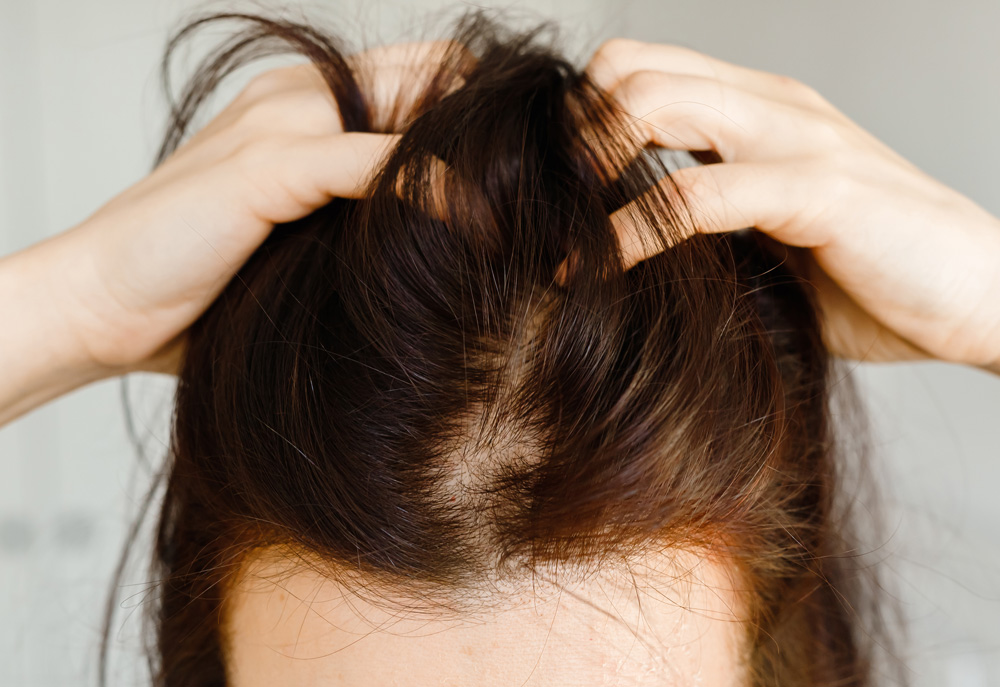
The exosome for hair treatment process is straightforward. The scalp is cleansed and prepared. Local anaesthetic or numbing cream may be applied for comfort. Microneedling is performed across the treatment area to create channels for exosome absorption. The exosome solution is then applied topically. This allows it to penetrate through the micro-channels to the follicular level. Alternatively, the practitioner may inject the exosome for hair solution directly into the scalp using mesotherapy technique. The treatment takes approximately thirty to sixty minutes. Most patients describe mild discomfort. No significant downtime is required. Mild redness and sensitivity resolve within one to two days. Most patients return to normal activities immediately after exosome for hair treatment sessions. The minimally invasive procedure makes it convenient for busy patients seeking hair restoration.
How Many Sessions Are Needed?
Most patients require a course of exosome for hair sessions for optimal results. Three to six sessions spaced two to four weeks apart is a typical recommendation. Each session builds on the regenerative response from previous treatments. Some patients notice early improvement in hair shedding rates after the first few sessions. Visible improvement in density and thickness develops over three to six months. Maintenance sessions every three to six months help sustain results. The practitioner recommends the treatment course based on the severity and pattern of hair loss. Patients with early thinning may respond more quickly than those with advanced loss. Commitment to the full recommended course supports the best outcomes from exosome for hair therapy. Consistency with treatment scheduling helps maximise the regenerative response within the scalp environment.
Who Is Suited to Exosome for Hair Treatment?
Exosome for hair treatment suits specific patient profiles. Those with early-moderate thinning where follicles are still present but underperforming are the best candidates. Patients experiencing diffuse thinning rather than complete baldness typically respond well. Those who want to complement a hair transplant with regenerative support may benefit. Patients seeking a non-surgical approach to hair quality improvement are good candidates. Exosome for hair therapy is less likely to benefit patients with advanced baldness where follicles have been permanently lost. Medical causes of hair loss should be investigated and addressed first. Consultation evaluates individual suitability based on hair loss pattern, scalp condition and treatment goals. Realistic expectations about what exosome for hair therapy can achieve support patient satisfaction. Early intervention often improves the likelihood of stronger and more noticeable hair restoration outcomes.
Combining Exosome for Hair with Other Treatments
Exosome for hair therapy combines well with other hair restoration approaches. Hair transplant patients may use exosome treatment to support graft survival. It can also be used to help improve the health of non-transplanted hair. PRP therapy can be alternated with exosome sessions. Medical treatments such as finasteride or minoxidil provide a pharmaceutical foundation alongside the regenerative stimulus. Low-level laser therapy supports scalp circulation. Combining exosome hair treatment with complementary approaches often produces more comprehensive results than any single treatment alone. The practitioner develops a personalised treatment plan that sequences different therapies for maximum benefit. This integrative approach to hair restoration represents the current best practice for patients seeking the most complete improvement in hair density and quality. Combining therapies also allows treatment plans to adapt more effectively to different stages of hair thinning.
Conclusion
Exosome for hair therapy represents a promising regenerative approach to supporting hair growth and scalp health. The technology delivers concentrated biological signals to hair follicles, encouraging growth and improving hair quality. Early research shows encouraging results. The treatment complements existing approaches including hair transplantation and medical therapy. A course of three to six sessions produces the best outcomes. The science continues to evolve with ongoing clinical studies. Patients considering exosome hair treatment should understand both the promise and the current limitations of the evidence. Professional consultation determines whether this innovative therapy is appropriate for individual hair loss concerns and restoration goals. Growing interest in regenerative medicine continues to expand the future possibilities for advanced non-surgical hair restoration.
For more information about exosome therapy and to book a consultation visit the ACIBADEM Beauty Center Hair Transplant page.
Frequently Asked Questions
Regenerative therapy using cell-derived vesicles to stimulate hair follicle activity.
Three to six sessions for most patients.
No significant downtime; mild redness resolves within one to two days.
No, but it can complement transplant results and support non-transplanted hair.
Visible improvement typically develops over three to six months.