Ataşehir Mah. Feza Sk. No:3 İstanbul / Türkiye
 English
  German
  Spanish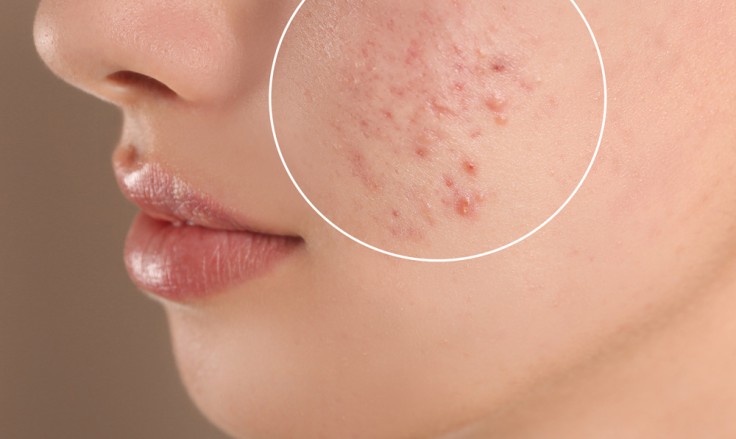
Introduction
Keloid scars are raised, thick growths that extend beyond the original wound boundary. They develop when the body overproduces collagen during healing. Keloids can form after surgery, injury, acne or even minor skin trauma. They cause physical discomfort and emotional distress for many patients. Keloid scar treatment is challenging because keloids tend to recur after removal. Understanding the available options helps patients manage this difficult condition. This article explains the main scar treatment approaches, their effectiveness and what patients should expect.
What Causes Keloid Scars?
Keloids result from abnormal wound healing. The body produces excessive collagen during repair. This collagen builds up beyond what is needed. The scar grows beyond the original wound edges. Keloid treatment is complicated by this aggressive healing response. Genetics play the strongest role. Some individuals are predisposed to keloid formation. Darker skin tones carry higher risk. Keloids commonly affect the chest, shoulders, earlobes and jawline. Any wound can potentially trigger a keloid in susceptible individuals. Even minor injuries such as piercings and insect bites may produce keloids. The tendency is lifelong. Keloid treatment must address both the existing scar and the risk of recurrence. Simply removing a keloid without additional treatment often produces a new, larger keloid.
Steroid Injections for Keloid Scar Treatment
Corticosteroid injections are the most widely used keloid treatment. Triamcinolone acetonide is the most common steroid used. The medication is injected directly into the keloid. It reduces collagen production. The scar softens and flattens over multiple sessions. Keloid treatment with steroids typically requires three to six sessions. Sessions are spaced four to six weeks apart. Most patients see significant flattening. The keloid becomes less firm. Redness decreases. Itching and discomfort improve. Keloid treatment with steroids alone produces meaningful improvement but may not eliminate the scar completely. Side effects include skin thinning and pigmentation changes at the injection site. These are usually temporary. Steroid injections are the first-line keloid scar treatment recommended by most dermatologists. They offer the best balance of effectiveness, safety and accessibility.
Surgical Removal as Keloid Scar Treatment
Surgical excision removes the keloid physically. The scar tissue is cut out. However, keloid treatment through surgery alone carries a high recurrence rate. Studies show recurrence rates of fifty to eighty percent when excision is used in isolation. The wound from the excision can trigger a new keloid. This new keloid is often larger than the original. Keloid scar treatment combining surgery with other modalities reduces recurrence significantly. Steroid injections immediately after excision suppress the healing response. Radiation therapy within twenty-four hours of excision prevents regrowth. Silicone sheeting applied after wound closure supports flat healing. Keloid treatment using combined surgical and adjunctive approaches brings recurrence rates down to approximately ten to twenty percent. Surgery alone is rarely recommended. Combination therapy is the standard approach for surgical keloid treatment in 2026.
Radiation Therapy for Keloid Scar Treatment
Superficial radiation therapy is highly effective for keloid prevention after excision. Keloid treatment using radiation targets the abnormal healing cells. Low-dose radiation is applied within twenty-four to forty-eight hours of surgical removal. This timing is critical. The radiation suppresses the collagen-producing cells before they can re-establish the keloid. Keloid scar treatment combining excision and radiation produces the lowest recurrence rates. Studies show rates below ten percent in many series. The radiation is superficial. It does not penetrate deeply. Surrounding structures are minimally affected. Keloid treatment with radiation is considered safe for this application. The cancer risk from superficial keloid radiation is extremely low. However, radiation is typically avoided on chest wall keloids in young women as a precaution. Not all clinics offer radiation. Availability varies by location. Patients seeking this option should confirm access before planning treatment.
Silicone Products for Keloid Scar Treatment
Silicone sheets and gel are used for both prevention and treatment. Keloid treatment with silicone involves daily application over the scar. Silicone hydrates the scar tissue. It reduces collagen overproduction. The scar softens and flattens progressively. Keloid scar treatment with silicone requires consistent use for three to six months minimum. Results develop gradually. Silicone is most effective for new or small keloids. Larger, established keloids may respond partially but rarely flatten completely with silicone alone. Keloid treatment combining silicone with steroid injections produces better results than either alone. Silicone is also valuable for keloid prevention. Applying silicone sheets to high-risk wounds after surgery may prevent keloid formation in susceptible patients. The products are safe, non-invasive and available without prescription. They are a standard component of any comprehensive keloid scar treatment plan.
Laser Therapy for Keloid Scar Treatment
Laser treatment addresses keloid redness, texture and thickness. Pulsed dye laser targets the blood vessels within the keloid. This reduces redness and may slow growth. Keloid treatment with laser can soften the tissue over multiple sessions. Fractional laser stimulates collagen remodelling. This may improve the texture and pliability of the scar. Keloid treatment with laser alone does not typically eliminate the scar completely. Laser is most effective as a complementary treatment alongside steroids or surgery. It improves the cosmetic appearance after initial keloid treatment has reduced the bulk. Three to six laser sessions produce progressive improvement. Sessions are spaced four to eight weeks apart. Laser keloid scar treatment is safe for most skin types with appropriate wavelength selection. Darker skin requires careful parameter adjustment to avoid pigmentation changes.
Pressure Therapy and Other Keloid Scar Treatment Options
Pressure therapy applies sustained compression over the keloid. Custom pressure garments or earrings exert continuous force. This limits blood supply to the scar. Collagen production reduces. Keloid treatment with pressure is most commonly used for earlobe keloids. Pressure earrings worn continuously for six to twelve months after excision reduce recurrence significantly. Cryotherapy freezes keloid tissue. Liquid nitrogen or intralesional cryoprobe treatment destroys scar cells. Keloid scar treatment with cryotherapy produces flattening and softening over multiple sessions. It may cause temporary pigmentation changes. Fluorouracil injections are sometimes used alongside steroids. This chemotherapy agent reduces fibroblast activity. Keloid treatment using fluorouracil and steroid combinations shows promise in research studies. Bleomycin injection is another option under investigation. Each of these approaches adds to the growing toolkit for managing this challenging condition.
Conclusion
Keloid scar treatment requires a multifaceted approach. Steroid injections are the first-line treatment. Surgical excision combined with steroids and radiation produces the lowest recurrence rates. Silicone products, laser therapy and pressure garments contribute to the management plan. Keloid treatment must include recurrence prevention to be effective long term. The condition is challenging but manageable with consistent, expert care. Professional consultation ensures personalised treatment. Turkey offers keloid scar treatment at competitive pricing with experienced dermatology and plastic surgery practitioners.
For more information about scar treatments and to book a consultation visit the ACIBADEM Beauty Center Skin Treatments page.
Frequently Asked Questions
They can be significantly reduced. Recurrence is possible. Combined treatment produces the lowest recurrence rates.
Surgical excision combined with steroid injections and radiation produces the best results.
They can. Recurrence prevention including steroids, radiation and silicone reduces this risk significantly.
There is discomfort during injection. The keloid tissue is firmer than normal skin.
Patients with darker skin tones and those with a family history of keloids carry the highest risk.