Ataşehir Mah. Feza Sk. No:3 İstanbul / Türkiye
 English
  German
  Spanish
Introduction
A lipoma is a benign soft tissue growth made up of fat cells. These growths are common and usually harmless. However, many patients choose lipoma removal for cosmetic reasons or because the growth causes discomfort. Understanding what recovery involves helps patients prepare effectively before treatment. Scar healing after lipoma removal follows a predictable timeline. Most patients recover quickly with minimal disruption to daily activities. This article explains the recovery process, scar healing stages and practical aftercare advice. It also covers what influences healing and when to seek professional guidance.
What Does Lipoma Removal Involve?
Lipoma removal is usually performed as a minor surgical procedure. The most common approach is surgical excision under local anaesthesia. Surgeon makes an incision over the lipoma and removes the growth completely. The wound is closed with stitches. The procedure typically takes fifteen to forty-five minutes depending on lipoma size and location. Some lipomas are removed using minimal excision technique, which uses a smaller incision. Liposuction-assisted removal is sometimes used for larger or deeper lipomas. The technique chosen influences the size of the incision and the resulting scar. It’s usually performed as a day case. Most patients go home the same day. The removed tissue is typically sent for histological examination to confirm the diagnosis.
Lipoma Removal Recovery: The First Week
Recovery during the first week is generally straightforward. Mild soreness around the incision site is expected for the first few days. Pain is well managed with over-the-counter pain relief in most cases. A dressing covers the wound for the first two to five days. The wound should be kept clean and dry during this period. Showering is usually permitted after twenty-four to forty-eight hours with the wound covered. Recovery during week one requires avoiding strenuous activity. Heavy lifting and vigorous exercise should be avoided to reduce tension on the wound. Light daily activities can resume almost immediately. Most patients return to desk-based work within one to three days. Bruising around the incision site is common and resolves within one to two weeks. Swelling at the removal site is normal and decreases gradually.
Lipoma Removal Recovery: Weeks Two to Four
Sutures are typically removed between seven and fourteen days after the procedure. The wound edges should be well healed by this point. Once sutures are removed, scar management can begin. Recovery during this phase involves gradually returning to normal physical activity. Light exercise may resume after suture removal with practitioner approval. The incision site may feel firm or slightly raised as scar tissue forms beneath the skin. This is a normal part of the healing process. Mild itching around the healing wound is common and indicates tissue repair. Patients should avoid scratching or picking at the incision site. The area may feel tender when pressed directly. Most patients find that recovery is straightforward during this period. Daily activities continue normally with minimal disruption.

Scar Healing After Lipoma Removal
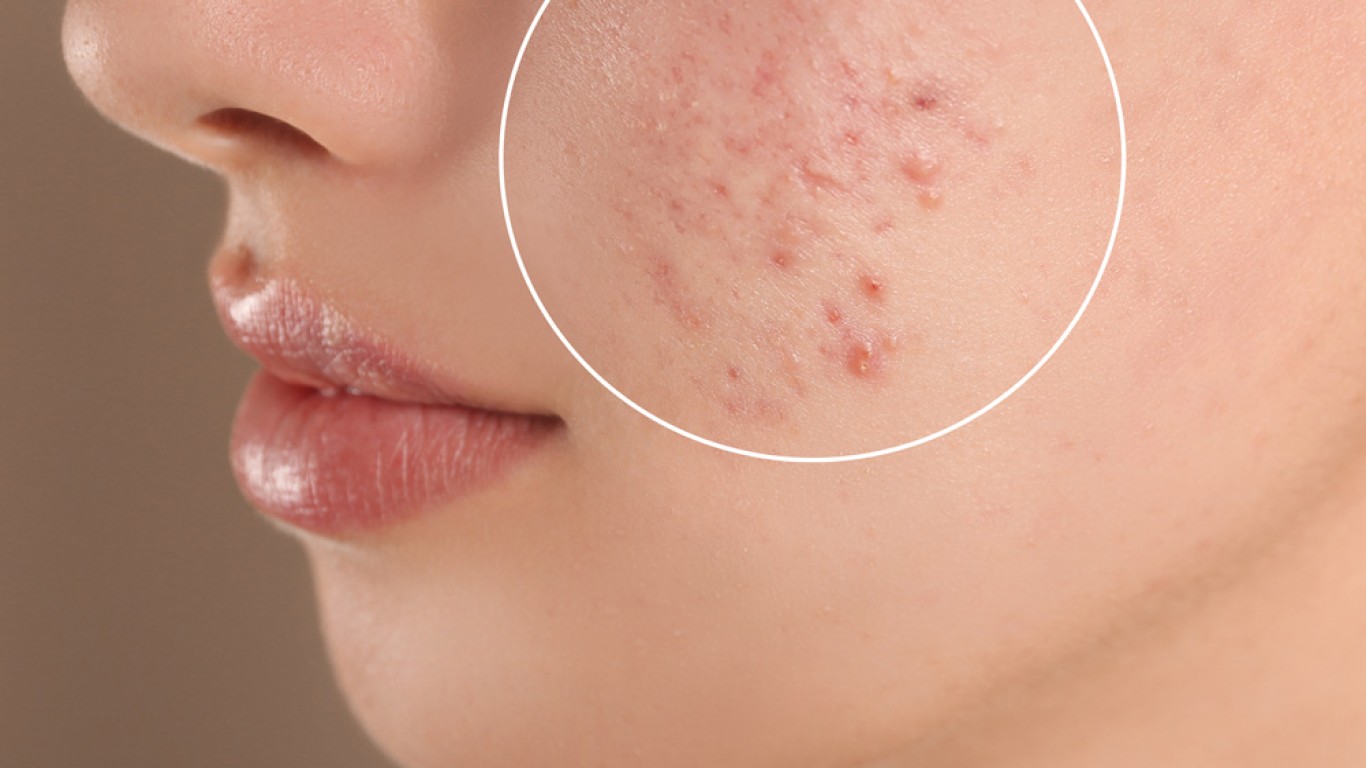
Scar healing after lipoma removal follows a predictable progression. During the first few weeks, the scar appears red or pink. It may feel slightly raised or firm. This represents the active collagen production phase. Between months two and six, the scar gradually softens and begins to flatten. Colour fades from red to pink and then toward the patient's natural skin tone. The scars continue maturing for up to twelve to eighteen months. The final scar appearance is usually considerably better than the early healing appearance. Scar quality depends on the incision technique used, wound closure method and individual healing response. Smaller incisions from minimal excision techniques produce less visible scars. Location on the body also affects scar visibility. Areas subject to less movement and tension generally heal with less prominent scarring.
How to Minimise Scarring After Lipoma Removal
Several practical steps help minimise scarring during the healing process. Once the wound has fully closed, silicone-based scar sheets or gel can be applied. Silicone products are clinically supported for improving scar appearance over time. They should be used consistently for at least eight to twelve weeks. Sun protection is essential during scar healing. Ultraviolet exposure can cause permanent darkening of the scar tissue. A broad-spectrum SPF should be applied daily over the healed scar for twelve months. Gentle scar massage helps soften and flatten the tissue. Scar massage should begin once the wound is fully closed and sutures removed. Massaging in circular motions for five minutes twice daily breaks down excess collagen. Avoiding tension on the wound during early healing supports thinner, less visible scarring. Following all aftercare instructions precisely creates the best conditions for optimal scar healing.
Factors That Affect Lipoma Removal Scar Quality
Individual factors influence how well a scar heals after the removal. Skin type affects scarring tendency. Patients with darker skin tones have a higher risk of keloid or hypertrophic scarring. Genetics play a role in how the body produces collagen during wound repair. The size and depth of the original lipoma influence the length and depth of the incision required. Larger lipomas require longer incisions, which typically produce more visible scars. Location on the body matters significantly. Scars on the trunk/shoulders are more visible than on the face/limbs. The surgeon's technique and wound closure method directly affect scar quality. Precise skin alignment and appropriate suture technique support the best cosmetic outcome. Age, nutritional status and smoking habits also influence healing speed and scar quality.
When to Seek Advice About Lipoma Removal Scars
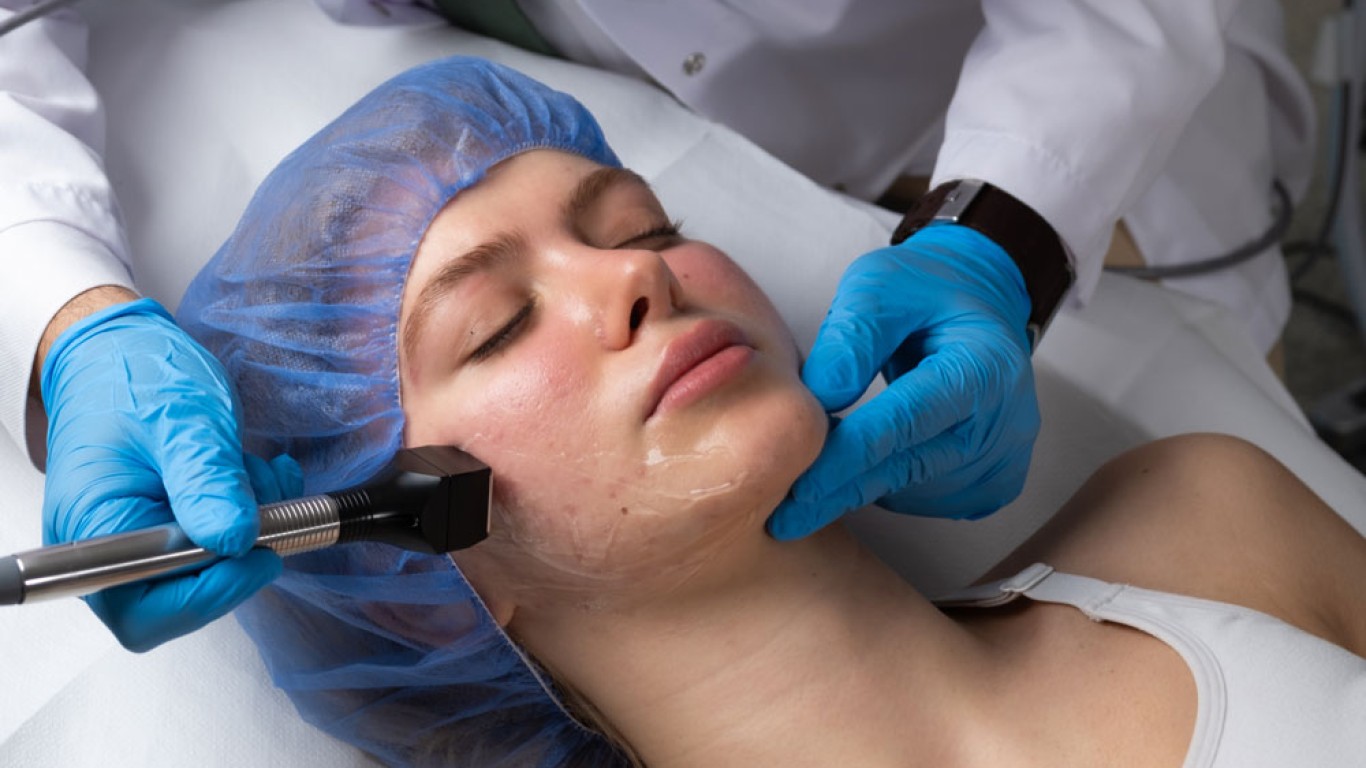
Most scars heal normally without intervention. However, patients should seek professional advice if the scar continues thickening or spreading beyond the original incision line. This may indicate keloid formation, which benefits from early treatment. Persistent redness or tenderness beyond three months may suggest hypertrophic scarring. Steroid injections can help flatten and soften raised scars effectively. Signs of wound infection during early recovery, such as redness, warmth or discharge, require attention. Scars that cause functional restriction due to tightness should be assessed. Patients who feel concerned about scar appearance at any stage should consult their practitioner. Professional treatments including laser therapy, microneedling and silicone therapy can improve established scars. Intervention is most effective when started at the appropriate healing stage.
Returning to Normal Activities
Most patients resume normal daily activities quickly after lipoma removal. Desk work can resume within one to three days. Driving is usually comfortable within a few days depending on the lipoma location. Light exercise such as walking can continue almost immediately. More vigorous exercise and heavy lifting should wait until two to four weeks after surgery. The recovery timeline varies depending on the size and location of the growth removed. Lipomas on the trunk may require slightly longer before full physical activity resumes. Those removed from limbs typically allow faster return to movement. Swimming should be avoided until the wound has fully closed and sutures are removed. Contact sports require clearance from the treating practitioner. Following activity guidance protects the healing wound and supports optimal scar quality.
Lipoma Removal in Turkey
Turkey offers lipoma removal at competitive pricing alongside experienced surgical practitioners. The procedure is available at dermatology and cosmetic surgery clinics across Istanbul and other major cities. All-inclusive packages for international patients simplify the treatment experience. This removal can often be combined with other aesthetic or dermatological treatments during the same visit. Turkish clinics use modern surgical techniques that minimise incision size and support optimal healing. JCI-accredited facilities follow international safety and quality standards consistently. The combination of clinical quality and affordability makes Turkey an appealing option for foreign patients. Consultation determines the most appropriate removal technique based on lipoma size, depth and location.
Conclusion
Lipoma removal is a straightforward procedure with a predictable recovery timeline. Most patients return to normal activities within days. Scar healing continues for up to twelve to eighteen months. Silicone products, sun protection and gentle massage support the best scar outcome. Individual factors including skin type, genetics and lipoma location influence scar quality. Professional treatments can improve prominent scars when needed. The recovery is manageable for the vast majority of patients. Professional consultation ensures appropriate technique selection and personalised aftercare guidance. Turkey offers the procedure at competitive pricing with experienced practitioners and modern surgical facilities.
For more information about lipoma and to book a consultation visit the ACIBADEM Beauty Center Skin Treatments page.
Frequently Asked Questions
Most patients resume normal activities within one to three days. Full healing takes several weeks.
All removal produces scarring. Most scars fade significantly over twelve to eighteen months.
Light activity resumes almost immediately. Vigorous exercise should wait two to four weeks.
Silicone products, sun protection and gentle massage are the most effective approaches.
Recurrence is uncommon when the lipoma is completely excised. New lipomas can develop elsewhere.