Ataşehir Mah. Feza Sk. No:3 İstanbul / Türkiye
 French
  English
  German
  Spanish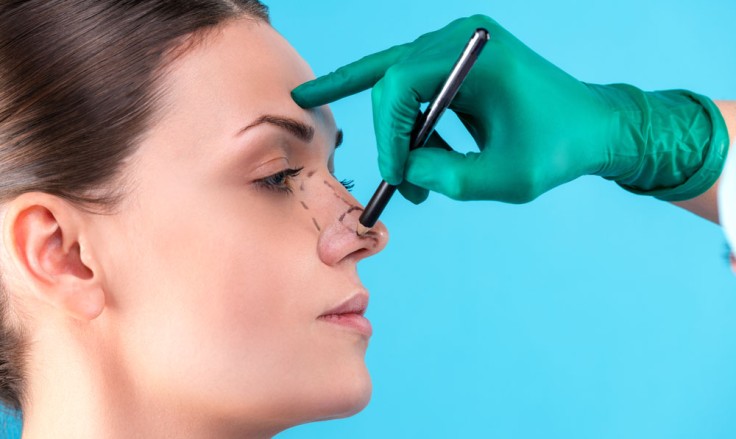
Introduction
Nose reshaping procedures have evolved significantly over recent years. Patients now choose between non-surgical and surgical approaches. Each option addresses different goals and expectations. A liquid nose job focuses on contour refinement rather than structural change. Surgical rhinoplasty alters bone and cartilage directly. Understanding their differences supports confident decision making. Both approaches can improve facial balance when chosen appropriately.
What a Liquid Nose Job Involves
A liquid nose job uses injectable treatments to reshape nasal contours temporarily. The focus is on smoothing irregularities and improving profile balance. No bone or cartilage is altered during the procedure. Results are visible immediately after treatment. This approach works by adding volume strategically. Small adjustments can create the illusion of a straighter nose. The nose may appear more proportionate to surrounding features. Treatment is performed in a clinic setting. Precision is essential for natural-looking outcomes.
What Surgical Rhinoplasty Involves
Surgical rhinoplasty reshapes the nose by modifying bone and cartilage structures. It can reduce size, change shape, or improve proportion permanently. The procedure is planned in detail before surgery. Structural changes allow comprehensive correction. This approach addresses both cosmetic and functional concerns. Alterations are long lasting once healing is complete. Surgical planning considers facial harmony carefully. Recovery occurs gradually over weeks and months. Results evolve as swelling settles.
Liquid Nose Job vs Surgical Rhinoplasty: Treatment Goals
Treatment goals differ significantly between these options. A liquid nose job focuses on subtle refinement rather than reduction. It is suited to smoothing bumps or improving symmetry. Structural concerns are not corrected directly. Surgical rhinoplasty addresses more complex shape concerns. It can reduce nasal size or change tip projection. Goals are broader and more definitive. Choosing between options depends on desired change. Realistic expectations guide selection.
Longevity of Results Compared
Longevity is a key difference between treatments. A liquid nose job provides temporary results. Gradual breakdown occurs over time. Maintenance sessions are required to preserve shape. Surgical rhinoplasty offers permanent structural change. Once healed, results remain stable long term. Ageing still affects nasal tissues gradually. Longevity considerations influence treatment choice. Commitment levels vary between patients.
Recovery Time and Treatment Downtime
Recovery expectations differ greatly. A liquid nose job involves minimal downtime. Most patients return to daily activities quickly. Mild swelling settles within days. Surgical rhinoplasty requires a longer recovery period. Swelling and healing progress gradually. Time off work is often planned. Patience is important during recovery. Lifestyle planning supports smooth healing.
Precision and Level of Change Achievable
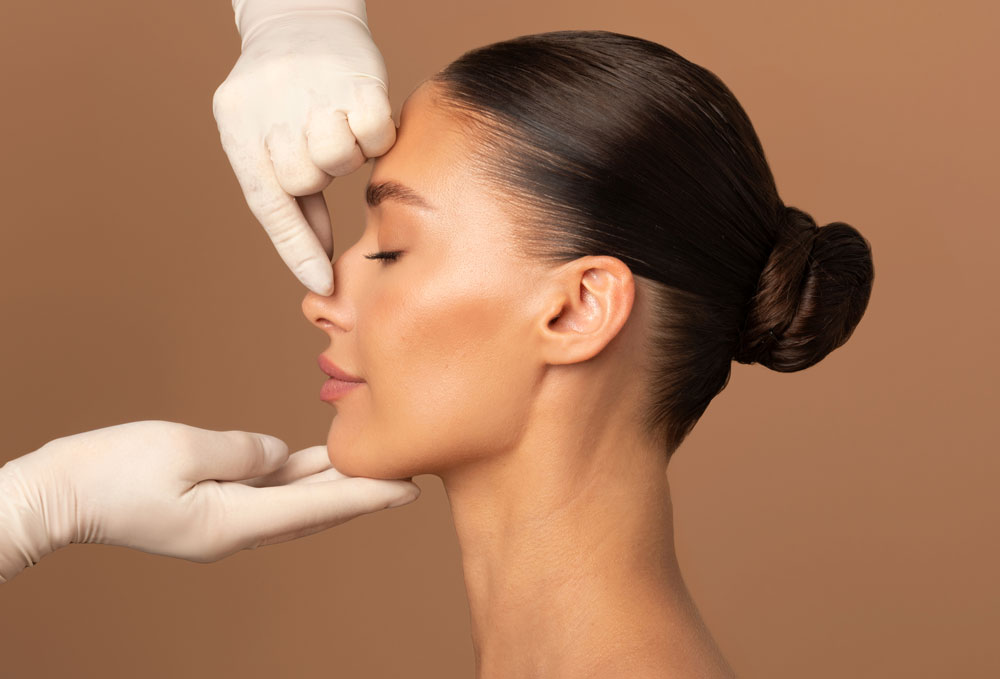
The level of change achievable varies between methods. A liquid nose job allows precise surface contouring. However, it cannot reduce size or narrow the nose. Changes are visual rather than structural. Surgical rhinoplasty offers greater precision for structural reshaping. Surgeons can adjust bone alignment and cartilage support. This allows comprehensive transformation. Precision depends on expertise and planning. Goals determine suitability.
Reversibility and Flexibility of Each Option
Flexibility is often valued by patients. A liquid nose job offers reversibility over time. Changes fade gradually without permanent alteration. This suits those exploring refinement cautiously. Surgical rhinoplasty is permanent once performed. Revision requires additional surgery if desired. Commitment is therefore higher. Some patients prefer definitive change. Others value adaptability.
Suitability Based on Nose Shape and Anatomy
Not all noses suit non-surgical reshaping. Certain shapes respond better to surface contouring. Mild humps or asymmetry may improve visually. Structural deviations remain unchanged. Surgical rhinoplasty suits a wider range of concerns. Complex anatomy can be addressed directly. Assessment determines suitability carefully. Personal anatomy guides recommendations. Individual evaluation is essential.
Liquid Nose Job vs Surgical Rhinoplasty: Cost Considerations
Cost structures differ between approaches. A liquid nose job generally involves lower initial cost. However, repeat treatments increase long-term expense. Budget planning considers maintenance frequency. Surgical rhinoplasty has a higher upfront cost. Long-term maintenance is usually unnecessary. Value is assessed differently. Financial considerations influence decision making. Transparency supports planning.
Psychological Readiness and Commitment Levels
Commitment levels vary between treatments. A liquid nose job suits those preferring gradual change. It allows patients to adjust visually over time. Confidence often builds progressively. Surgical rhinoplasty requires readiness for permanent change. Emotional preparation is important. Patients consider long-term identity and appearance. Commitment aligns with personal goals. Honest consultation supports readiness.
Treatment Choice in Turkey
Turkey has become a destination for advanced nasal treatments. Centres such as Acibadem emphasise personalised planning. Facial analysis guides recommendations carefully. Treatment pathways are structured and transparent. Expertise supports predictable outcomes. Organised care attracts global patients.
Structural Change Versus Optical Illusion
Non-surgical reshaping relies on optical balance rather than physical reduction. Strategic contour placement alters light reflection across the nose. This creates the appearance of improved alignment. The underlying structure remains unchanged. Surgical reshaping physically modifies bone and cartilage. This allows genuine narrowing, shortening, or tip rotation. Structural changes permanently alter nasal architecture. Optical methods cannot achieve these outcomes. Understanding this difference is essential.
How Nasal Proportions Affect Overall Facial Harmony
The nose plays a central role in facial balance. Even small changes can influence overall symmetry. Surface contouring adjusts proportions relative to surrounding features. This may enhance harmony without dramatic alteration. Surgical reshaping allows proportion correction at deeper levels. Changes can rebalance the relationship between nose, chin, and forehead. Planning considers full facial structure. Proportion drives aesthetic decision making. Balance remains the primary goal.
Suitability Based on Age and Facial Development
Age influences treatment suitability significantly. Younger patients often prefer reversible options. Facial features may still evolve subtly over time. Temporary refinement allows flexibility. Older patients may seek definitive correction. Age-related changes stabilise facial structure. Surgical reshaping may better suit long-term goals. Skin quality also influences outcomes. Age is assessed carefully during planning.
Managing Expectations for Visual Change
Visual change varies between approaches. Surface contouring produces subtle refinement rather than transformation. Expectations must align with achievable outcomes. Minor irregularities respond best. Surgery allows broader change potential. Expectations remain realistic through consultation. Visual simulations support understanding. Clear communication prevents disappointment. Satisfaction depends on alignment between goals and outcomes.
Revision Considerations and Long-Term Planning
Revision planning differs significantly. Temporary treatments fade naturally over time. Adjustment involves repeat sessions rather than correction. This offers ongoing flexibility. Surgical revision requires additional procedures. Planning aims to minimise this need. Long-term foresight is essential. Revision potential influences initial decision making. Careful planning reduces complexity.
The Role of Nasal Skin Thickness in Results
Skin thickness influences how changes appear. Thicker skin softens visible contour changes. Subtle refinements may appear less dramatic. This affects non-surgical outcomes. Thinner skin reveals structural changes clearly. Surgical reshaping benefits from this visibility. Skin quality influences technique selection. Assessment guides realistic planning. Skin characteristics are always considered.
Recovery Experience and Lifestyle Disruption
Recovery experience differs greatly. Non-surgical reshaping causes minimal disruption. Daily routines resume quickly. Minor swelling resolves rapidly. Surgical recovery requires planning. Time away from work is common. Swelling settles gradually. Lifestyle adjustments support healing. Recovery expectations influence treatment preference.
Financial Commitment Over Time
Short-term cost appears lower for non-surgical approaches. However, repeat treatments increase cumulative expense. Financial planning considers long-term maintenance. Surgical reshaping involves higher upfront investment. Ongoing costs are limited afterward. Value is assessed differently. Budget considerations vary between individuals. Financial transparency supports informed choice.
Why Some Patients Transition Between Options
Some patients begin with temporary refinement. This helps visualise potential changes. Confidence grows gradually. Preferences may evolve. Later, surgical correction may be chosen. Prior experience informs decision making. Transition occurs thoughtfully. This staged approach suits cautious patients.
Practitioner Skill and Outcome Quality
Outcome quality depends heavily on practitioner expertise. Facial anatomy knowledge is critical. Precision placement ensures natural results. Experience reduces unpredictability. Surgical expertise influences structural stability. Detailed planning supports symmetry. Skill determines refinement quality. Practitioner selection is crucial.
Long-Term Facial Ageing Considerations
Facial ageing continues regardless of approach. Temporary reshaping adapts easily over time. Surgical reshaping ages with the face. Structural changes remain stable. Ageing influences surrounding tissues. Long-term perspective guides choice. Planning considers future change.
Conclusion
A liquid nose job and surgical rhinoplasty serve different aesthetic goals. One offers temporary refinement without surgery. The other provides permanent structural change. Understanding differences in longevity, recovery, and outcomes supports confident selection. Individual goals and anatomy guide the best approach. Expert consultation ensures balanced, natural-looking results.
For more information and to book a consultation visit the ACIBADEM Beauty Center rhinoplasty webpage.
Frequently Asked Questions
No, results are temporary and gradually fade over time.
No, it improves contour but does not reduce size.
Results are permanent, although ageing still affects tissues.
A liquid nose job has minimal downtime compared to surgery.
Consultation helps match treatment to goals and anatomy.