Ataşehir Mah. Feza Sk. No:3 İstanbul / Türkiye
 French
  English
  German
  Spanish
Introduction
Scarring is a natural part of any surgical procedure, including mini abdominoplasty. While most scars fade over time, some patients notice uneven texture, pigmentation changes, or visible thickening. These concerns often lead people to explore refinement options. Tummy tuck scar revision focuses on improving how a scar looks rather than altering the original surgery. Modern techniques now offer more subtle and targeted correction. As expectations around aesthetics evolve, patients increasingly seek solutions that support natural-looking outcomes. Understanding available options helps guide informed decisions.
What is a Mini Tummy Tuck?
A mini tummy tuck (partial abdominoplasty) targets the area below the navel. Unlike a full tummy tuck, it involves a smaller incision. No belly button repositioning is needed and there is minimal muscle repair. It is ideal for patients with a small amount of loose skin who don't require extensive contouring.
Why Mini Tummy Tuck Scars May Need Revision
Mini tummy tuck scars are usually shorter and placed low on the abdomen. However, healing varies between individuals. Factors such as skin type, genetics, and tension can influence scar appearance. Some scars may widen or become uneven over time. Others may heal darker or raised. In addition, body changes after surgery can affect scar quality. Weight fluctuations or skin laxity may place stress on the scar line. Clothing friction can also influence texture. When these changes occur, patients often consider refinement. Tummy tuck scar revision addresses appearance rather than function.
What Tummy Tuck Scar Revision Involves
Tummy tuck scar revision refers to treatments designed to improve scar appearance. The approach depends on scar characteristics. Some scars benefit from surface refinement, while others require structural adjustment beneath the skin. Treatment plans are personalised accordingly. Modern revision techniques aim for subtle correction. The goal is blending the scar with surrounding skin. Precision is essential to avoid unnecessary disruption. Surgeons assess scar position, width, and texture carefully.
Modern Techniques for Scar Revision
Surgical scar revision may involve excising the old scar and closing it more precisely. This allows improved alignment and reduced tension. Modern suturing techniques support finer healing. Placement is carefully planned to remain discreet. These techniques are often combined with advanced closure methods. Improved understanding of skin dynamics supports better outcomes. The focus remains on refinement rather than complete removal. Surgical revision suits scars with significant irregularity. Results develop gradually as healing progresses.
Surgical Techniques Used in Advanced Scar Revision
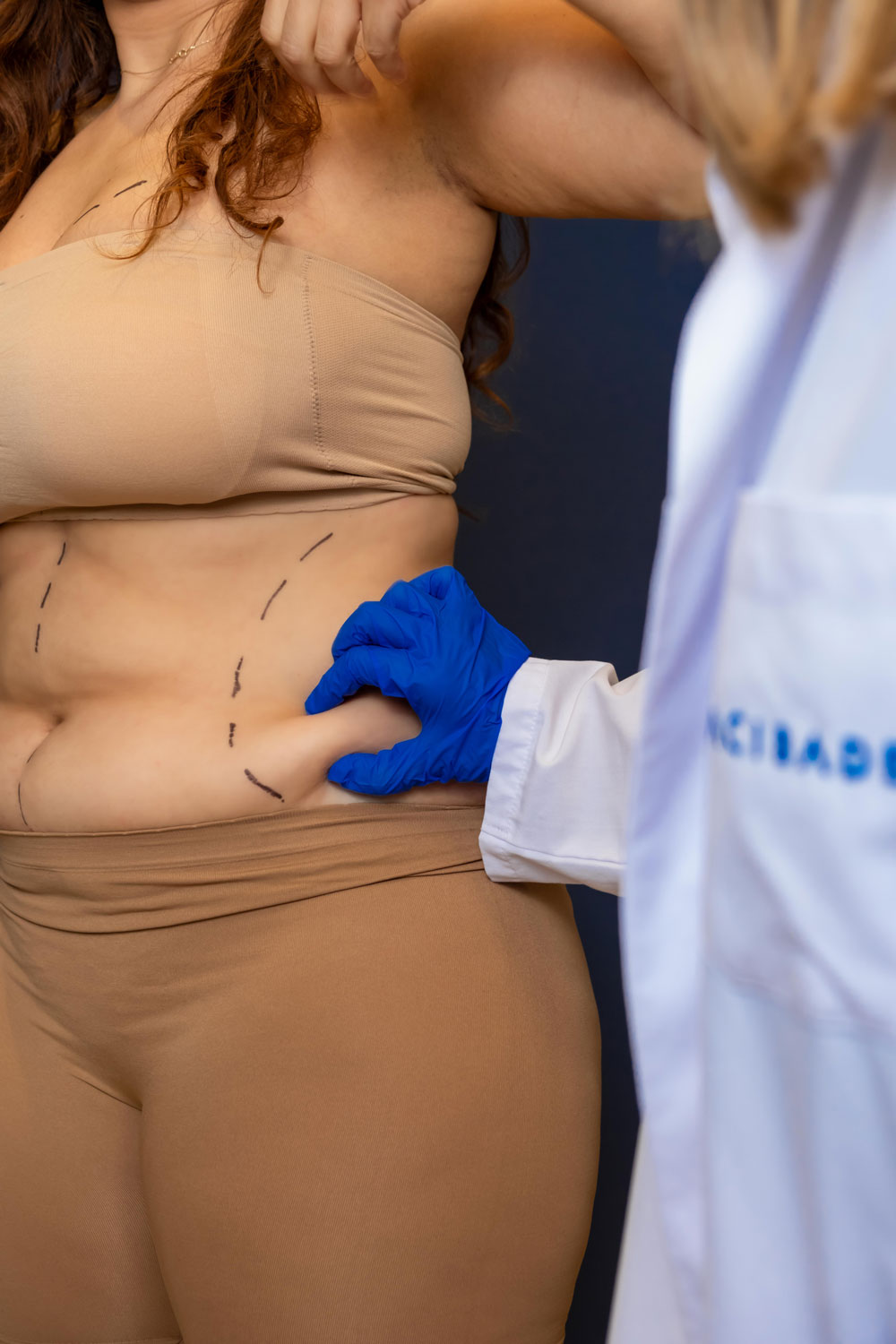
Several surgical techniques are used to refine scars with structural irregularities. Z-plasty is commonly chosen to redirect tension lines. This technique repositions the scar to blend with natural skin creases. It can also improve flexibility in tight areas. Z-plasty is especially useful when scars appear contracted. W-plasty involves creating small triangular incisions along the scar line. This breaks up straight edges and softens visibility. The scar becomes less noticeable by scattering light reflection. Other methods include geometric broken line closure and precise excision with layered closure. Technique selection depends on scar shape, location, and surrounding skin behaviour. Careful planning ensures refinement without the risk of overcorrection.
Non-Surgical Options in Tummy Tuck Scar Revision
Non-surgical treatments play an important role in scar refinement. Laser therapies can improve texture and pigmentation. Light-based treatments support surface smoothing. These options are often chosen for milder concerns. Injectable treatments may also improve scar softness. Skin boosters support hydration and elasticity. These approaches work best when used consistently. Non-surgical methods complement surgical revision effectively. Combination strategies often deliver balanced results.
Why Shorter Scars Respond Differently to Revision Techniques
Shorter scars, such as those from a mini tummy tuck, behave differently during revision. Because they involve less surface area, tension distribution becomes more concentrated. This means even small irregularities can appear more noticeable. Tummy tuck scar revision techniques must therefore be highly precise. Subtle adjustments often produce significant visual improvement. Additionally, shorter scars are often placed in high-movement zones. Daily activities such as sitting or bending can influence healing behaviour. Revision planning must account for these mechanical forces. Surgeons often prioritise techniques that redistribute tension effectively. Understanding scar length helps determine the most suitable approach.
When Is a Scar Mature Enough for Revision?
Scar maturity plays a critical role in revision timing. Most scars continue to remodel for several months after surgery. During this phase, colour, texture, and firmness gradually change. Early revision may interfere with natural improvement and so is not always necessary. Rushing revision may limit improvement. Therefore, assessment usually occurs once healing stabilises. A mature scar is typically flatter, softer, and lighter than in earlier stages. This allows surgeons to evaluate true scar behaviour. Revision techniques are more predictable at this stage. Patients benefit from patience during this period. Proper timing supports better long-term refinement.
Tummy Tuck Scar Revision in Turkey
Turkey has become a popular destination for scar refinement procedures. Clinics in Istanbul offer advanced revision techniques. Many patients seek follow-up care after body contouring surgery. Tummy tuck scar revision is commonly included in these pathways. Medical centres such as Acibadem focus on personalised assessment. Treatment plans reflect scar characteristics and patient goals. International patients value structured care journeys. Turkey combines this expertise with accessibility due to typically lower procedure costs. Refinement procedures suit medical travel well.
Tummy Tuck Revision Expectations and Long-Term Results
Tummy tuck scar revision improves appearance rather than eliminating scars completely. Most patients notice smoother texture and better blending. Colour often becomes more even. Results continue improving over time. Long-term outcomes depend on skin behaviour and care. Consistent follow-up supports refinement. Patients value realistic expectations. Modern techniques support subtle improvement. Satisfaction grows as scars soften gradually.
How Scar Location Influences Revision Strategy
Scar location plays a key role in determining revision approach. Mini tummy tuck scars are usually placed low on the abdomen. This positioning allows concealment beneath clothing. However, even low scars may heal unevenly. Tummy tuck scar revision strategies adapt based on visibility and placement. Lower abdominal scars experience regular movement. Sitting, bending, and stretching can affect healing. Revision planning therefore considers tension patterns. Surgeons aim to reposition scars into natural creases when possible. Location influences technique selection significantly.
Skin Type and Pigmentation Considerations
Another consideration is skin type, which strongly affects scar appearance over time. Some skin tones are more prone to pigmentation changes. Texture differences may also develop. These factors influence revision planning. Assessment for tummy tuck scar revision must be individualised. Modern tummy tuck scar revision techniques adapt to skin behaviour. Treatments may focus on blending colour differences. Texture smoothing is also prioritised. Personalised care supports more consistent outcomes. Skin analysis remains an important first step.
The Role of Collagen in Scar Refinement
Scar quality is closely linked to collagen behaviour. During healing, collagen production determines thickness and texture. Excess collagen can create raised scars. Insufficient collagen may cause indentation. Balanced regeneration is the goal. Modern techniques aim to guide collagen remodelling. Treatments encourage organised fibre alignment. This supports smoother, flatter scars. Over time, the scar blends more naturally. Understanding collagen response improves revision success.
Layered Approaches to Tummy Tuck Scar Revision
Scar revision rarely relies on a single method. Layered approaches are increasingly preferred. Surface treatments address colour and texture. Deeper techniques refine structure beneath the skin. Combining treatments allows gradual improvement. Each layer contributes to refinement. This avoids aggressive intervention. Patients often prefer this progressive approach. Layered planning supports subtle, natural results.
Managing Expectations Around Scar Visibility
Scar revision improves appearance but does not erase scars completely. Understanding this helps set realistic expectations. Improvement focuses on blending rather than removal. Patients benefit from clear discussion. Modern techniques aim for discretion. Scars often become less noticeable rather than invisible. Over time, confidence grows as appearance softens. Education supports satisfaction.
Why Tummy Tuck Scar Revision Requires Specialist Experience
Scar revision demands different expertise than initial surgery. Tissue behaviour differs during secondary procedures. Precision becomes even more important. Surgeons must understand previous incision patterns.
Conclusion
Mini tummy tuck scars can often be refined using modern approaches. Tummy tuck scar revision focuses on improving texture, placement, and blending. Both surgical and non-surgical techniques play a role. Personalised planning ensures suitable treatment selection. Turkey offers advanced options for scar refinement. Understanding possibilities supports confident decision making.
For more information and to book a consultation visit the ACIBADEM Beauty Center Tummy Tuck webpage.
Frequently Asked Questions
Most scars can be improved depending on their characteristics.
No, many scars respond well to non-surgical treatments.
Assessment usually occurs after the scar has matured.
No, it aims to improve appearance rather than erase it.
Turkey offers experienced specialists and modern techniques.