Ataşehir Mah. Feza Sk. No:3 İstanbul / Türkiye
 French
  English
  German
  Spanish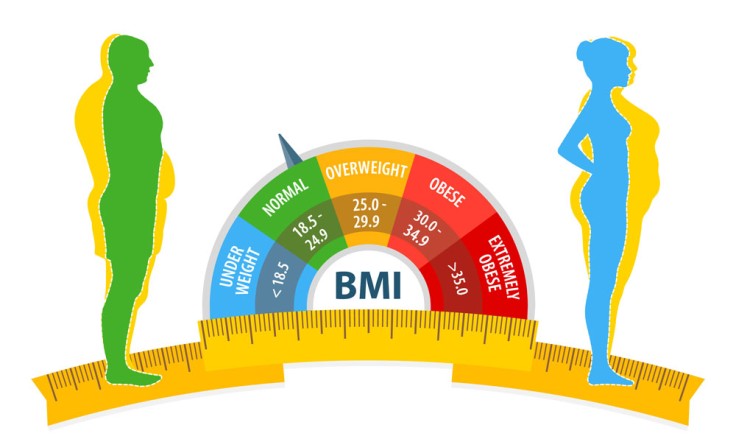
Introduction
Body Mass Index is one of the most widely used tools for assessing weight status in clinical practice. It provides a simple numerical value based on a person's height and weight. Obesity BMI helps identify individuals who may be at increased risk of weight-related health conditions. While BMI has limitations, it remains a useful starting point for clinical assessment. Understanding how obesity BMI is calculated and what the categories mean helps individuals engage more effectively with their healthcare providers. This article explains the calculation, categories, limitations and clinical applications of BMI.
What Is BMI?
BMI stands for Body Mass Index. It is a calculation that uses height and weight to estimate whether an individual falls within a healthy weight range. The formula divides body weight in kilograms by height in metres squared. Obesity BMI values indicate that body weight is significantly above the healthy range for a given height. The tool was originally developed as a population-level screening method. It does not directly measure body fat percentage. However, it provides a useful general indicator that correlates with health risk across large groups.
How Obesity BMI Is Calculated
The BMI calculation is straightforward. Body weight in kilograms is divided by height in metres squared. For example, a person weighing 90 kilograms who is 1.75 metres tall would have a BMI of approximately 29.4. This value falls within the overweight category. Obesity BMI begins at a value of 30 or above according to standard classification systems. The calculation does not require specialised equipment. It can be performed in any clinical setting or calculated using widely available online tools. Obesity BMI provides a quick screening indicator.
Obesity BMI Categories Explained
BMI values are divided into standard categories that indicate weight status. The commonly used classifications are:
- Underweight: BMI below 18.5.
- Healthy weight: BMI between 18.5 and 24.9.
- Overweight: BMI between 25 and 29.9.
- Obesity class one: BMI between 30 and 34.9.
- Obesity class two: BMI between 35 and 39.9.
- Obesity class three: BMI of 40 or above.
Obesity BMI categories help clinicians assess risk and determine appropriate treatment pathways. Higher values generally correlate with increased health risks.
What Obesity BMI Means for Health
An obesity BMI value indicates increased risk for several health conditions. These include type 2 diabetes, cardiovascular disease and hypertension. Joint problems and sleep disorders are also more common among individuals with higher BMI values. Obesity BMI does not diagnose these conditions directly. However, it serves as an important screening tool that prompts further clinical assessment. Individuals with an elevated BMI benefit from professional evaluation to determine whether weight management intervention is appropriate. Early identification supports timely treatment and prevention.
Limitations of Obesity BMI
BMI has several well-recognised limitations as a measurement tool. It does not distinguish between muscle mass and fat mass. An athletic individual with significant muscle may have an elevated BMI. This occurs despite having low body fat. Obesity BMI categories do not account for where fat is distributed on the body. Abdominal fat carries greater health risk than fat stored in other areas. BMI also does not consider age, sex or ethnicity differences in body composition. BMI should be used alongside other assessments. It is important to remember that it is not a standalone diagnostic measure.

How BMI Is Used in Clinical Practice
Healthcare professionals use BMI as part of a broader assessment framework. BMI values above 30 may prompt additional testing including blood pressure, blood glucose and cholesterol measurements. Waist circumference is often measured alongside BMI. Clinical history and lifestyle factors are also considered. Treatment recommendations depend on the overall clinical picture rather than BMI alone. BMI serves as an initial indicator that guides further investigation. It helps clinicians identify patients who may benefit from structured weight management support.
Obesity BMI and Bariatric Surgery Eligibility
BMI plays a key role in determining eligibility for bariatric surgery. Most surgical guidelines recommend consideration of bariatric procedures for patients with an obesity BMI of 40 or above. Patients with a BMI between 35 and 39.9 may also qualify. This will often be when obesity-related health conditions are present. These conditions include type 2 diabetes, sleep apnoea and hypertension. BMI thresholds help standardise eligibility criteria across healthcare systems. However, individual assessment remains essential. Not all patients meeting the BMI threshold are automatically suitable candidates for surgery.
Alternative Measurements Alongside BMI
Several alternative measurements complement BMI in clinical assessment. Waist circumference provides information about abdominal fat distribution. A waist measurement above certain thresholds indicates increased metabolic risk. Waist-to-hip ratio offers additional insight into fat distribution patterns. Body composition analysis using bioelectrical impedance or scanning technology measures fat and lean mass directly. BMI used alongside these tools provides a more complete picture of an individual's health status. Combined assessment supports more accurate risk evaluation and treatment planning.
How to Reduce Your Obesity BMI
Reducing BMI involves achieving sustained weight loss through lifestyle changes and where appropriate clinical intervention. Balanced nutrition that creates a modest calorie deficit supports gradual weight reduction. Regular physical activity increases energy expenditure and supports metabolic health. Behavioural support helps patients develop sustainable habits over time. When lifestyle changes alone are insufficient, medical or surgical treatments may be considered. BMI can be monitored regularly to track progress. Small reductions in BMI can produce meaningful improvements in health risk even before a healthy weight range is reached.
The Importance of Professional Assessment
Self-calculation of BMI is useful but professional assessment provides more comprehensive evaluation. Healthcare providers consider BMI within the context of overall health. Blood results, medical history and lifestyle factors are all reviewed. BMI alone does not capture the full picture. Professional evaluation identifies individual risk factors and guides appropriate intervention. Patients benefit from discussing their BMI with qualified practitioners. This conversation helps determine whether further assessment or treatment is advisable. Taking a proactive approach to weight management supports better health outcomes long term.
BMI in Different Age Groups
BMI interpretation may vary slightly depending on age. For adults, the standard categories apply consistently. For children and adolescents, BMI is assessed using age-specific and sex-specific percentile charts. An obesity BMI classification in younger populations uses different reference points. Older adults may have different body composition than younger adults at the same BMI value. Muscle mass tends to decrease with age while fat mass may increase. These changes mean that a healthy-range BMI in an older adult may not reflect the same body composition as in a younger person. Clinical assessment accounts for these variations.
Taking Action on Your BMI
Understanding your obesity BMI is an important first step toward improved health. Patients in an elevated BMI category should consult a healthcare professional. A comprehensive assessment can identify specific risk factors and guide appropriate next steps. Small sustained changes in diet and activity can produce meaningful health improvements over time. Professional support helps patients set realistic and achievable goals. Whether through lifestyle changes, medical treatment or surgical intervention, addressing an elevated BMI proactively supports better long-term health outcomes and quality of life.
Conclusion
Obesity BMI is a widely used screening tool that provides a quick indicator of weight status. The calculation divides weight by height squared. Values of 30 or above indicate obesity. BMI has limitations including its inability to distinguish fat from muscle. However, it remains clinically useful when combined with other assessments. Understanding obesity BMI categories helps individuals engage more effectively with their healthcare providers. It also helps them to take informed steps toward weight management.
For more information on surgical treatments for weight loss, visit the ACIBADEM Beauty Center Obesity Surgery page.
Frequently Asked Questions
A BMI of 30 or above is classified as obese.
Weight in kilograms is divided by height in metres squared.
No, it estimates weight status rather than measuring fat directly.
Yes, BMI does not distinguish between muscle and fat mass.
A BMI of 40 or above, or 35 with obesity-related health conditions.