Ataşehir Mah. Feza Sk. No:3 İstanbul / Türkiye
 French
  English
  German
  Spanish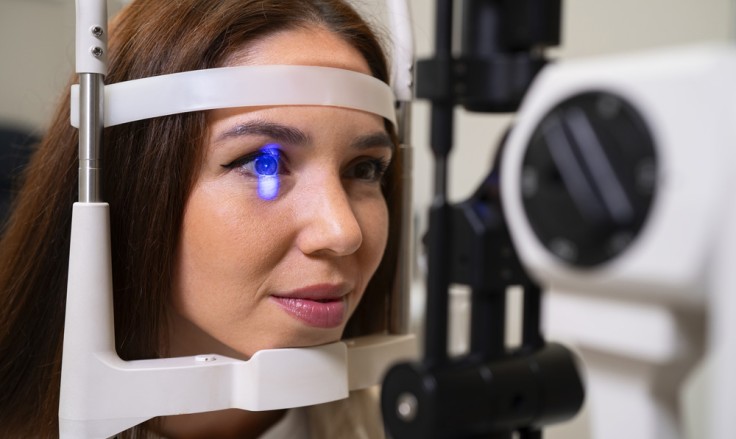
Introduction
Myopia, commonly known as short-sightedness, is one of the most prevalent vision conditions worldwide. It causes distant objects to appear blurry. Close-up vision remains clear. The condition affects millions of people. Its prevalence continues to increase globally. Glasses and contact lenses correct the symptoms. They do not address the underlying cause. Advanced myopia treatment through laser eye surgery offers a more permanent solution by physically reshaping the cornea or implanting corrective lenses within the eye. Understanding the available myopia treatment options helps patients evaluate which approach best suits them. This factors in their prescription, eye anatomy and lifestyle preferences.
What Causes Myopia?
Myopia occurs when the eyeball is slightly longer than normal or the cornea is too steeply curved. Light entering the eye focuses in front of the retina rather than directly on it. This creates blurry distance vision. Genetics play a strong role. Children of myopic parents are more likely to develop it. Environmental factors including prolonged near-work and reduced outdoor time during childhood may contribute to myopia development. The condition typically develops during school years and may continue to progress into early adulthood. Understanding these causes provides context for why myopia treatment corrects the focusing error. This is rather than simply compensating for it with corrective lenses.
LASIK as a Myopia Treatment
LASIK is the most widely performed myopia treatment worldwide. A thin flap is created in the outer corneal layer. The flap is lifted and an excimer laser reshapes the underlying tissue. This flattens the cornea slightly, correcting the focusing error. The flap is repositioned and heals naturally. LASIK corrects prescriptions up to approximately minus ten dioptres in many cases. Visual recovery is rapid. Most patients notice clear distance vision within hours. The procedure takes approximately fifteen minutes per eye. LASIK has a track record spanning over twenty-five years with consistently high patient satisfaction. It also has success rates across millions of procedures.
SMILE Pro as a Myopia Treatment
SMILE Pro represents the newest generation of myopia treatment technology. The procedure uses a single femtosecond laser to create a thin disc of tissue called a lenticule within the cornea. This lenticule is removed through a small incision of approximately two to four millimetres. No corneal flap is created. SMILE Pro preserves more corneal nerve fibres than LASIK. This may reduce post-operative dry eye. The small incision maintains greater corneal structural integrity. The laser application takes approximately ten seconds per eye. SMILE Pro suits patients with short-sightedness. Specifically up to approximately minus ten dioptres and astigmatism up to minus five dioptres.
PRK as a Myopia Treatment
PRK was the original laser myopia treatment and remains a valuable option for certain patients. The procedure removes the outer layer of corneal cells before the excimer laser reshapes the underlying tissue. No flap is created. PRK is suitable for patients with thinner corneas who may not qualify for LASIK or SMILE Pro. The outer cell layer regenerates naturally over several days. Visual recovery is slower than LASIK, typically taking one to two weeks for clear vision. Discomfort during the first few days is greater than with flap-based procedures. Long-term outcomes are comparable to LASIK. PRK avoids any flap-related risks entirely.
Implantable Contact Lenses as a Myopia Treatment
Implantable contact lenses, also known as ICL, offer a myopia treatment option for patients with higher prescriptions or those who are not suitable for laser procedures. A thin corrective lens is placed inside the eye in front of the natural lens. The procedure is reversible. The implanted lens can be removed or exchanged if needed. ICL corrects prescriptions beyond the range of laser surgery, typically up to minus eighteen dioptres. The procedure does not alter the corneal structure. Visual recovery is rapid. ICL suits patients with thin corneas or very high prescriptions. This is because laser reshaping would remove too much tissue.
How to Choose the Right Myopia Treatment
Selecting the most appropriate myopia treatment depends on several individual factors. Key considerations include:
- Prescription strength determines which procedures are suitable for the degree of correction needed.
- Corneal thickness influences whether laser reshaping is safe and effective.
- Pupil size affects the risk of post-operative glare in low-light conditions.
- Lifestyle and occupation influence whether rapid recovery or maximum corneal strength is prioritised.
- Age and prescription stability determine readiness for permanent correction.
A comprehensive eye examination assesses all of these factors. The specialist recommends the approach that offers the best balance of safety, effectiveness and suitability.
Consultation and Assessment
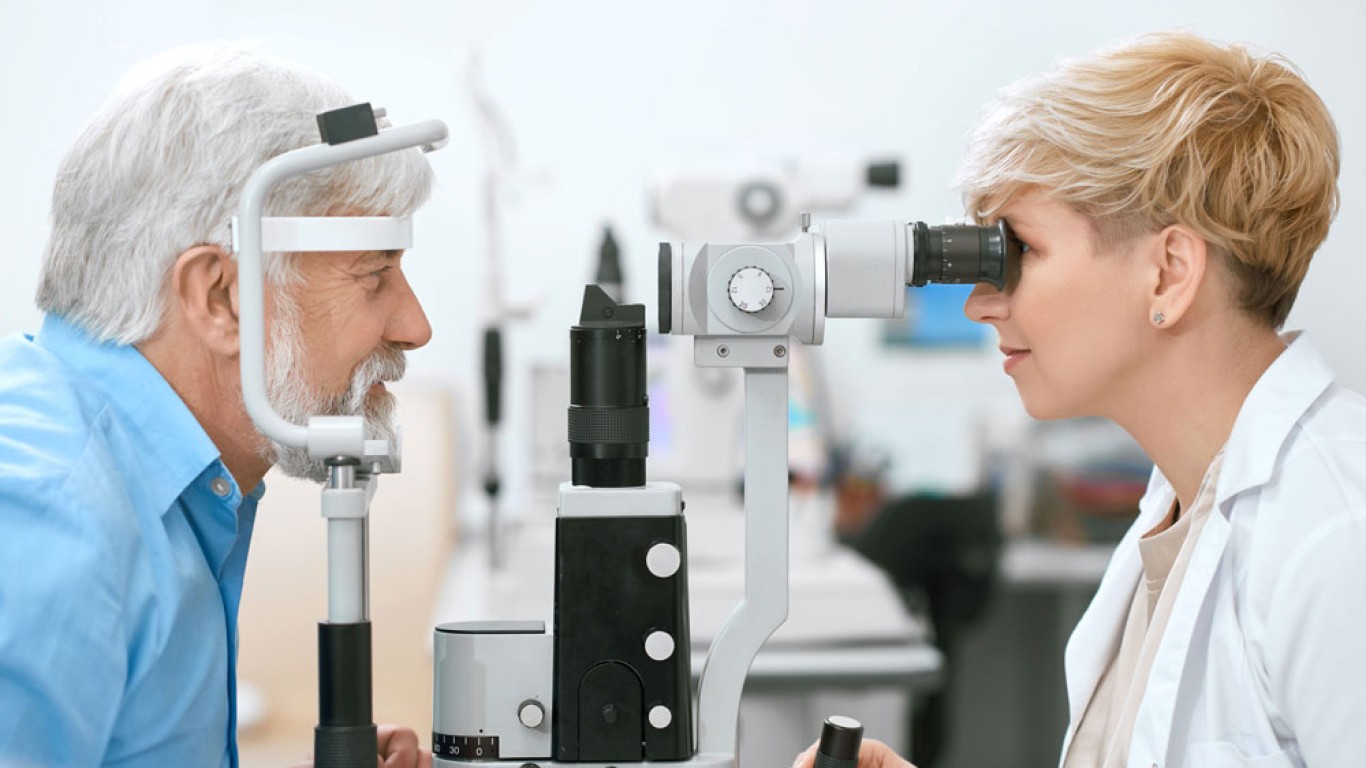
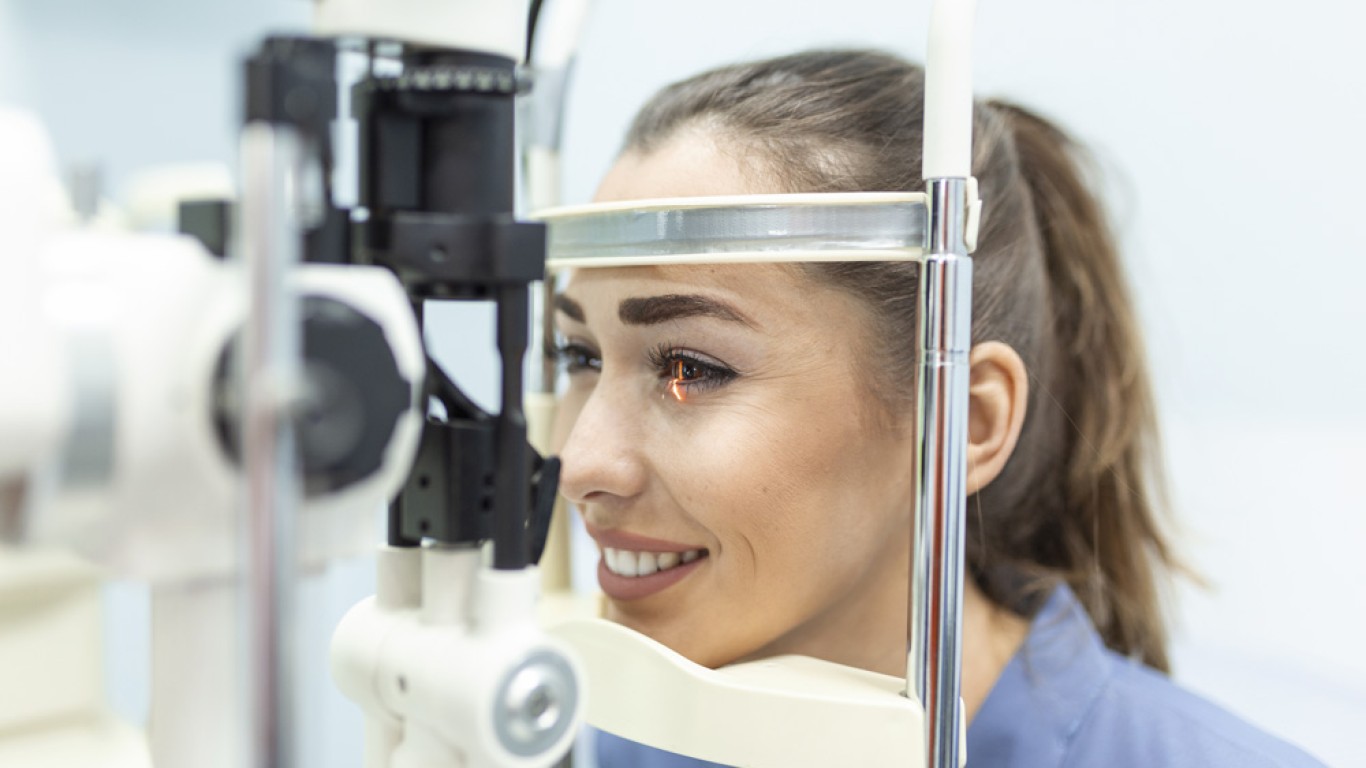
A thorough consultation is essential before any myopia treatment procedure. The eye specialist conducts detailed measurements including corneal topography, pachymetry and wavefront analysis. These tests map the eye's unique characteristics. Tear film quality is assessed because it affects healing. Pupil size is measured in different lighting conditions. The patient's full medical and ocular history is reviewed. Treatment planning uses this data to determine the optimal procedure and customise the correction parameters. Patients who undergo comprehensive assessment achieve the most predictable and satisfying outcomes. This is because the treatment is precisely tailored to their individual eye anatomy.
Results and Success Rates
Modern myopia treatment procedures achieve excellent results for the vast majority of patients. LASIK, SMILE Pro and PRK all produce high rates of driving-standard vision or better after surgery. Most patients achieve independence from glasses for distance vision. Patient satisfaction rates consistently exceed ninety percent across all major laser procedures. Individual results depend on the starting prescription and the precision of the correction. Higher prescriptions may have slightly less predictable outcomes. Enhancement procedures can refine the result if it's initially slightly under or over the target.
Recovery Comparison Across Procedures
Recovery experiences differ between the available procedures. LASIK offers the fastest visual recovery. Most patients see clearly within hours. SMILE Pro produces clear vision within one to three days for most patients. PRK requires the longest recovery period, with optimal vision developing over one to two weeks. All procedures involve temporary side effects including dry eyes, light sensitivity and visual fluctuations during the healing period. These resolve within weeks to months. Following aftercare instructions supports the smoothest recovery regardless of which procedure is selected. Eye drops, sun protection and avoiding eye rubbing are standard recommendations across all approaches.
Options for High Prescriptions
Patients with high myopia face specific considerations when exploring treatment options. Laser procedures can safely correct prescriptions up to approximately minus ten dioptres in most cases. Beyond this range, the amount of corneal tissue that needs to be removed may exceed safe limits. ICL becomes the preferred option for prescriptions beyond the laser range. Combining ICL with laser enhancement can address very high prescriptions with residual astigmatism. Patients with high myopia should undergo particularly thorough assessment. Corneal thickness, retinal health and overall eye structure all require careful evaluation before treatment planning.
Long-Term Stability
Results are designed to be permanent. The corneal reshaping performed during laser procedures does not reverse. However, the eye may continue to change slightly over time due to natural ageing. Presbyopia, which affects near vision, typically develops in the mid-forties regardless of previous laser surgery. Some patients may eventually need reading glasses for close work. Regression of the distance correction is possible but uncommon. Regular eye examinations monitor long-term stability. Enhancement procedures can address minor prescription drift that develops years later. Most patients enjoy clear distance vision for many years without further intervention.
Treatment in Turkey
Turkey has become a popular destination for laser eye surgery due to experienced surgeons and competitive pricing. Modern clinics offer LASIK, SMILE Pro, PRK and ICL procedures using the latest technology. Treatment packages for international patients often include consultation, surgery, eye drops and follow-up appointments. Pricing is significantly lower than in the UK and USA. The combination of quality, technology and affordability makes Turkey an attractive option for patients seeking permanent vision correction. Many clinics coordinate treatment efficiently for patients travelling from abroad.
Conclusion
Advanced myopia treatment options in 2026 include LASIK, SMILE Pro, PRK and implantable contact lenses. Each procedure offers distinct advantages depending on prescription strength, corneal anatomy and patient preferences. Comprehensive assessment ensures the most appropriate approach is selected. Success rates are high across all modern procedures. Recovery timelines vary but all approaches produce lasting correction. Professional consultation provides personalised guidance for each patient's unique vision needs.
For more information about treatment for myopia visit the ACIBADEM Beauty Center Laser Eye Surgery page.
Frequently Asked Questions
The best option depends on prescription, corneal thickness and lifestyle factors.
Yes, ICL treats prescriptions beyond the laser range.
LASIK recovery is fastest at hours, SMILE Pro at days, PRK at one to two weeks.
Yes, though minor age-related changes may occur over time.
Yes, Turkey offers all major procedures at competitive pricing.