Ataşehir Mah. Feza Sk. No:3 İstanbul / Türkiye
 English
  German
  Spanish
Introduction
This is one of the most significant public health challenges of the twenty-first century. It affects children across all socioeconomic backgrounds and geographic regions. The World Health Organization estimated over three hundred and eighty million children were overweight in 2020. Childhood obesity is not simply a cosmetic concern. It carries serious health implications during childhood and into adult life. Understanding what causes childhood obesity and what prevention looks like is essential for families and policymakers.
How Is Childhood Obesity Defined?
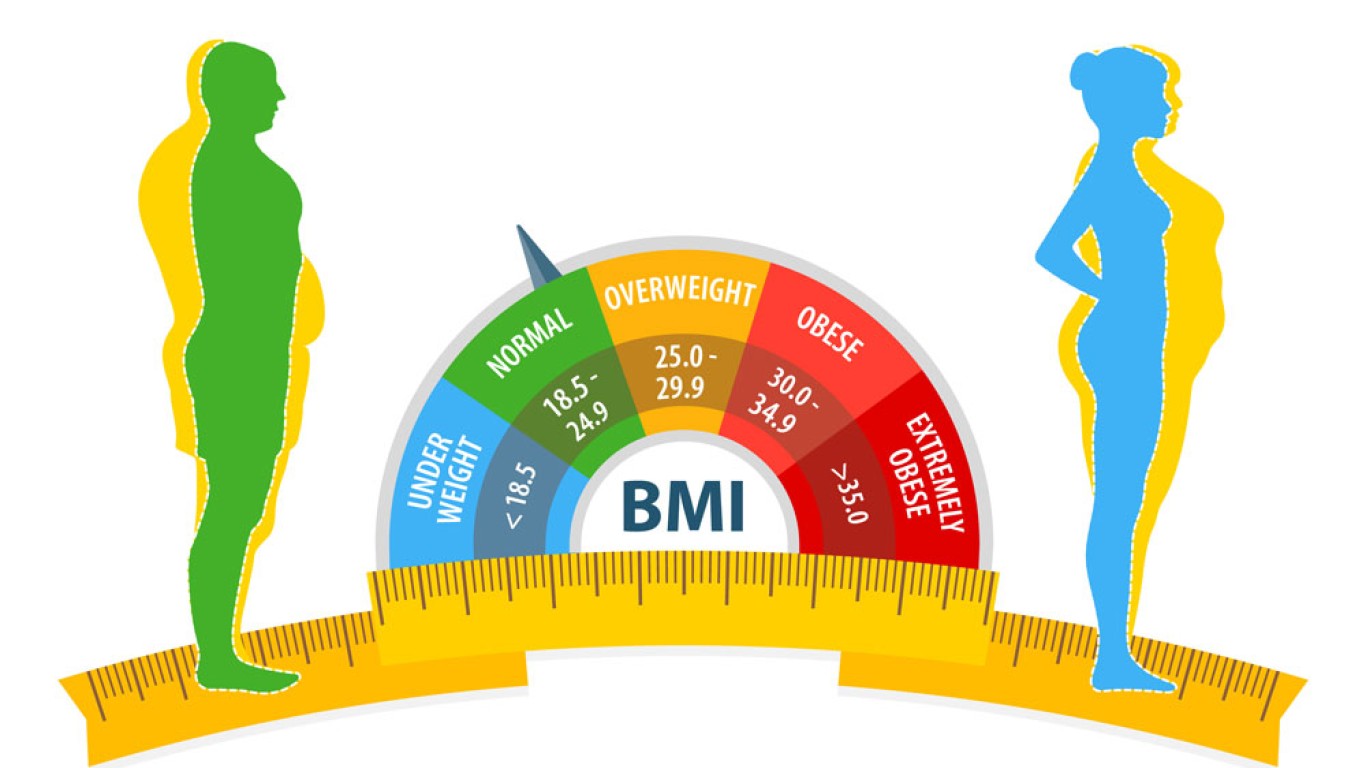
Childhood obesity is defined using BMI, which is body mass index, adjusted for age and sex. In children, BMI is plotted on age- and sex-specific growth charts. A BMI at or above the eighty-fifth percentile for age and sex is classified as overweight. A BMI at or above the ninety-fifth percentile is classified as obese. Severe obesity is defined as a BMI above one hundred and twenty percent of the ninety-fifth percentile. In the UK, the National Child Measurement Programme measures children at school entry and at age ten. Results are shared with parents. This programme provides population-level data and identifies children who may benefit from support.
Causes of Childhood Obesity
Childhood obesity arises from a complex interaction of genetic, environmental and behavioural factors. No single cause explains the condition. Genetic predisposition influences how the body stores and uses energy. Children with two obese parents have a significantly higher risk of developing obesity. Dietary factors play a central role. High consumption of ultra-processed foods, sugary drinks and energy-dense snacks is associated with weight gain. Physical inactivity compounds the effect of high caloric intake. Screen time is associated with reduced physical activity and increased food advertising exposure. Sleep deprivation alters appetite-regulating hormones and increases the risk of weight gain. Socioeconomic deprivation is a powerful determinant. Children from lower-income families have higher obesity rates.
Health Consequences of Childhood Obesity
Childhood obesity carries significant health consequences during childhood itself. Type two diabetes, previously considered an adult condition, now presents in children with obesity. High blood pressure and high cholesterol in childhood increase cardiovascular risk across the lifespan. Sleep apnoea is common in children with obesity and affects cognitive development and school performance. Joint problems, particularly in the knees and hips, occur due to excess load. Fatty liver disease is increasingly prevalent in children with obesity. Psychological consequences are also significant. Children with obesity are at higher risk of bullying, low self-esteem and poor mental health. Early support prevents these effects. These effects can persist into adulthood and affect educational and social outcomes. This makes early intervention especially important.

Prevention of Childhood Obesity
Prevention is most effective when addressed at multiple levels simultaneously. At the family level, healthy eating, limited screen time and physical activity are all protective. At school level, physical education programmes, school meal standards and nutrition education contribute to prevention. At the community level, safe spaces for activity, affordable food and reduced fast-food advertising all matter. Sugar taxes, food labelling rules and junk food marketing restrictions have produced measurable effects where implemented. No single intervention is sufficient alone. A combination of approaches across multiple settings produces the most durable preventive effect.
Treatment of Childhood Obesity
Treatment requires a family-centred approach. Children do not exist in isolation. Changing a child's eating and activity habits requires engagement from the whole family. Behavioural interventions are the foundation of treatment. These include structured dietary support, physical activity promotion and behaviour change techniques. Dietary advice focuses on reducing ultra-processed food and improving diet quality rather than strict calorie counting. Physical activity goals are set incrementally to support sustainable change.
Supporting Families Through Lifestyle Change
Successful treatment depends on changes that the whole family can maintain. Children are more likely to adopt healthy habits when parents and carers lead by example. Preparing balanced meals together encourages healthier food choices. Keeping nutritious snacks readily available also reduces reliance on ultra-processed foods. Families should avoid using food as a reward or punishment. Positive reinforcement works better than restrictive approaches. Small, realistic goals are easier to sustain than dramatic lifestyle changes. Replacing sugary drinks with water and increasing daily walking can make a meaningful difference over time.
The Importance of Regular Family Routines
Regular family routines also support healthy weight management. Eating meals together encourages mindful eating and improves portion awareness. Consistent bedtimes help children achieve adequate sleep, which supports appetite regulation. Reducing recreational screen time creates more opportunities for physical activity. Children should be encouraged to find activities they genuinely enjoy. Walking, swimming, cycling and dancing all contribute towards recommended activity levels. Enjoyment increases the likelihood that healthy behaviours will continue into adulthood.
Focusing on Overall Health, Not Just Numbers
Healthcare professionals encourage families to focus on overall health rather than numbers on the scales. Improvements in fitness, confidence and eating habits are valuable achievements even before significant weight loss occurs. Regular follow-up appointments help monitor progress and provide ongoing encouragement. Families often face setbacks during treatment. These should be viewed as part of the learning process rather than failure. Consistent support from doctors, schools and family members creates the best environment for long-term success. Sustainable lifestyle changes established during childhood can continue throughout adult life and reduce the risk of future obesity-related health conditions.
Conclusion
Childhood obesity is a complex condition influenced by genetic, environmental and lifestyle factors. Early recognition and supportive intervention provide the best opportunity for long-term success. Healthy habits developed during childhood can reduce future health risks and improve overall wellbeing. Treatment should always be tailored to the individual child and supported by the whole family. Professional guidance from experienced healthcare practitioners ensures safe, realistic and sustainable weight management. In the UK, the GP is the first point of contact and can refer families to appropriate weight management, dietetic and specialist paediatric services. With early support, realistic expectations and consistent lifestyle changes, children can achieve healthier futures and lasting improvements in quality of life.
For more information and to book a consultation visit the ACIBADEM Beauty Center Bariatric Surgery page.
Frequently Asked Questions
Obesity in children is a BMI at or above the ninety-fifth percentile on age-specific growth charts.
It arises from genetic predisposition, diet, inactivity, sleep patterns and socioeconomic factors. No single cause explains it alone. This complexity requires a multi-level response.
Type two diabetes, high blood pressure, high cholesterol, sleep apnoea, joint problems and fatty liver are associated.
Yes. Behavioural intervention involving the whole family is the foundation of treatment. Dietary improvement and increased physical activity, supported by structured programmes, produce meaningful results in many children. The results improve further with consistent family engagement throughout the programme. Families who remain actively involved in the treatment process produce the best long-term outcomes for their children.
Bariatric surgery is typically considered from age sixteen. It is used in severe obesity with significant comorbidities when lifestyle and medical treatment has failed.