Ataşehir Mah. Feza Sk. No:3 İstanbul / Türkiye
 French
  English
  German
  Spanish
Introduction
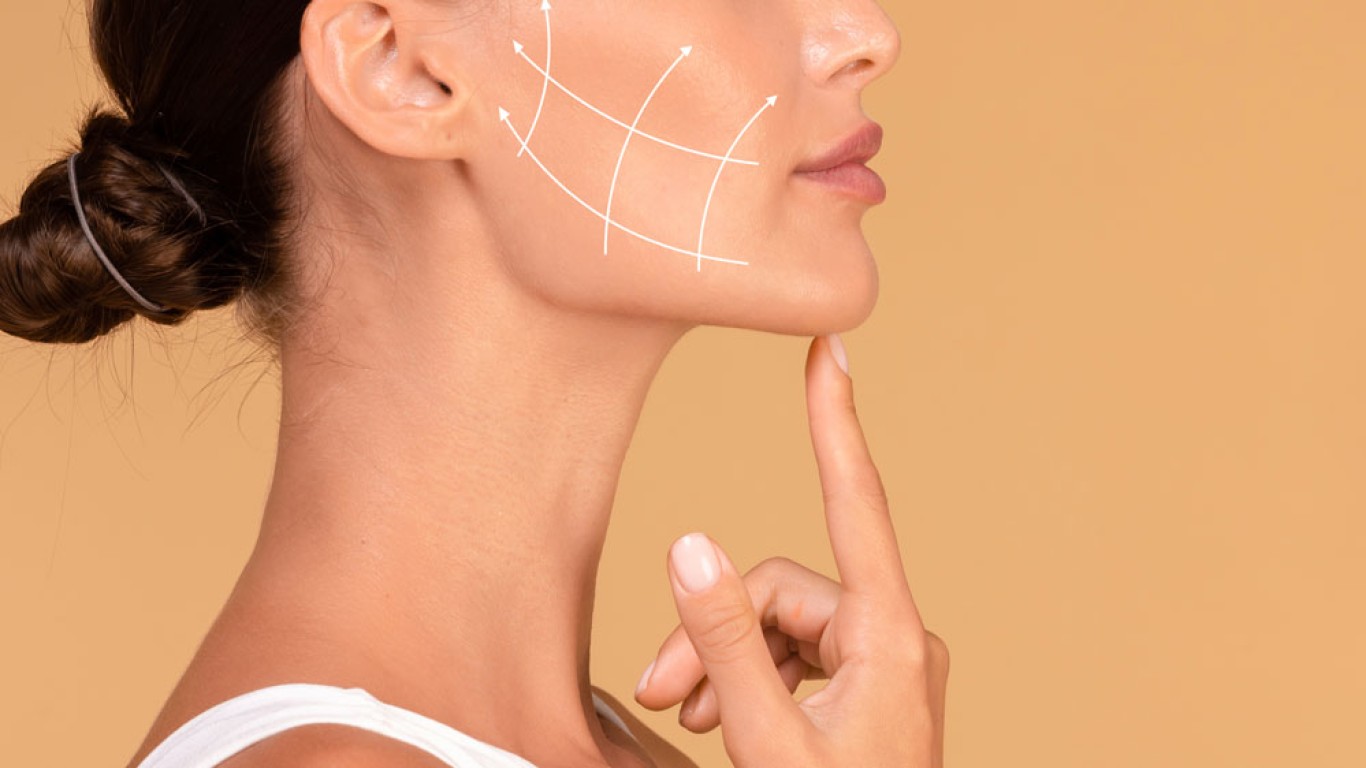
Fullness beneath the chin can affect facial balance at any age. Even individuals with stable weight may notice persistent submental fat. This area often resists diet and exercise. Neck liposuction patients need to know begins with understanding anatomy and realistic expectations. The procedure focuses on refining contour rather than altering core facial structure. When performed with precision, it can enhance jawline definition and restore proportion between the chin and neck.
Understanding Submental Fat and Neck Anatomy
The neck contains delicate structures including muscles, glands and connective tissue. Submental fat sits above the platysma muscle and beneath the skin. Excess accumulation in this zone creates a softer profile. Genetics, ageing and skin laxity all contribute to fullness. Neck liposuction planning must account for skin elasticity and fat thickness. Good skin tone supports smoother contraction after fat removal. Careful evaluation ensures that volume reduction produces a natural, balanced outline.
Initial Neck Liposuction Consultation and Treatment Assessment
A structured consultation forms the foundation of successful contouring. Surgeons examine chin projection, neck angle and skin quality. Photographs may assist in evaluating symmetry. Neck liposuction discussions include medical history and lifestyle factors. The aim is to determine whether isolated fat removal will achieve the desired result. In some cases, additional procedures may be recommended for comprehensive refinement. Clear communication supports realistic outcome planning.
Neck Liposuction: Surgical Technique and Procedural Steps
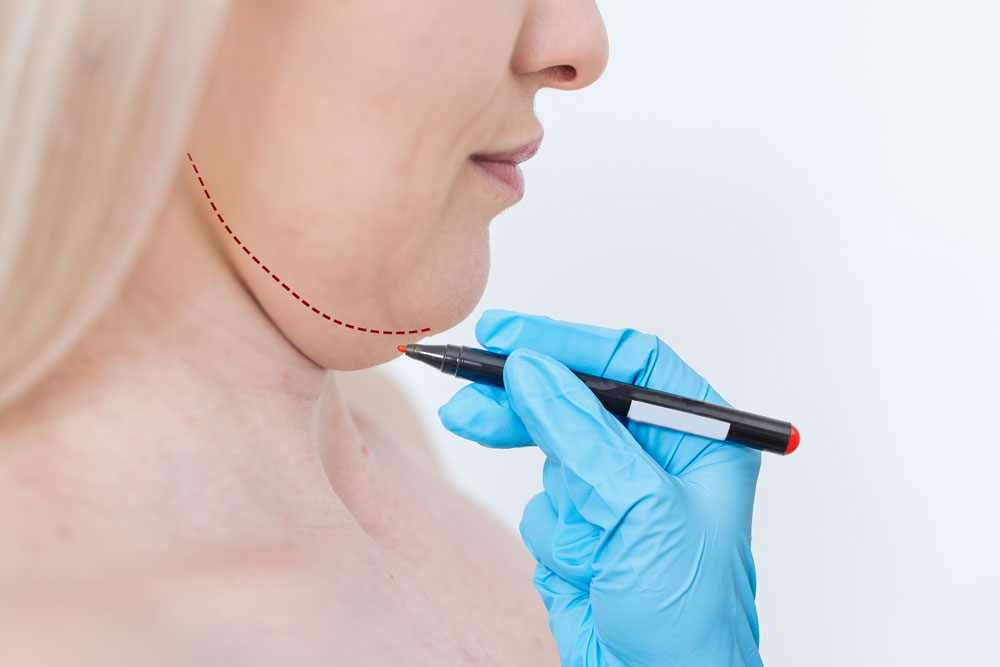
Neck liposuction is typically performed under local anaesthesia with sedation. Small incisions are placed discreetly beneath the chin or behind the ears. A fine cannula is inserted to loosen and remove excess fat. Modern techniques emphasise controlled extraction rather than aggressive suction. Neck liposuction everything related to technique focuses on preserving smooth transitions. Precision prevents irregularities and maintains natural neck curvature. The procedure usually takes less than one hour.
Defining the Jawline Through Contour Sculpting
The primary goal is improved definition rather than dramatic change. Removing targeted fat sharpens the angle between chin and neck. This cervicomental angle significantly influences facial aesthetics. Neck liposuction everything outcomes depend on maintaining symmetry along the jawline. Subtle sculpting enhances bone structure visibility without overcorrection. Balanced contour contributes to a more youthful profile.
Recovery Timeline and Neck liposuction Immediate Aftercare
Swelling and mild bruising are expected during early recovery. A compression garment is typically worn for several days. This supports skin retraction and reduces fluid accumulation. Neck liposuction related to healing includes gradual reduction of swelling over two to three weeks. Most patients resume routine activities within a few days. Final definition becomes clearer as tissues settle over several months.
Neck Liposuction: Skin Retraction and Long Term Results
Skin elasticity plays a crucial role in final appearance. Younger skin often contracts smoothly after fat removal. Mature skin may require longer adaptation. Neck liposuction discussions often include assessment of laxity. When elasticity is adequate, contour remains firm and defined. The treated fat cells do not regenerate, supporting long term stability. Maintaining stable weight helps preserve results.
Combination Treatments for Enhanced Definition
In some cases, additional procedures enhance overall outcome. Chin augmentation may improve profile harmony when projection is limited. Energy based skin tightening can complement contour refinement. Neck liposuction planning considers facial proportion comprehensively. Combining treatments ensures that volume reduction aligns with structural balance. Integrated planning prevents isolated changes that appear incomplete.
Potential Neck Liposuction Candidates and Suitability Factors
Ideal candidates have localised submental fat with reasonable skin tone. Individuals seeking significant weight loss are not primary candidates. Neck liposuction assessment includes evaluating expectations and medical suitability. Good general health supports smoother recovery. Realistic goals contribute to satisfaction with subtle contour improvement.
Why Many Patients Choose Turkey for Neck liposuction
Turkey has developed a strong reputation in aesthetic body and facial procedures. Advanced surgical planning and personalised consultation are standard practice. Neck liposuction consultations in Turkey emphasise proportion and refined shaping. Clinics integrate modern technology with experienced surgical teams. Patients value structured care pathways and detailed aftercare guidance.
Long Term Outcome Expectations
Results from neck liposuction evolve gradually. Early swelling can temporarily obscure definition. Over several months, contour sharpens as tissues settle. Neck liposuction long term involves a stable silhouette provided weight remains consistent. Natural ageing continues, yet the refined neck angle typically endures. Patients often report increased confidence due to improved jawline clarity.
Evaluating Chin Projection Before Submental Contouring
Chin projection plays a major role in how the neck appears. A recessed chin can exaggerate the look of fullness beneath it, even when fat accumulation is moderate. Before proceeding with contouring, surgeons assess lower facial structure carefully. If the chin lacks forward projection, fat removal alone may not create optimal balance. In such cases, chin enhancement can improve overall profile harmony. Proper evaluation ensures that the final contour supports facial proportion rather than simply reducing volume in isolation.
The Importance of the Cervicomental Angle
The cervicomental angle refers to the angle between the chin and neck. A well defined angle often creates a youthful and structured appearance. Excess fat can soften this line, causing the jaw and neck to blend together. Submental contouring aims to refine this transition carefully. However, overcorrection can create unnatural sharpness. Surgeons focus on achieving a gentle, realistic angle that complements the patient’s facial anatomy. Maintaining natural curvature is essential for long term satisfaction.
Fat Distribution Patterns in the Neck
Not all fullness beneath the chin is identical. Some patients present with a central pocket directly under the chin, while others show broader distribution extending toward the sides of the jaw. Understanding the pattern of accumulation guides surgical approach. Targeting central fullness alone may not achieve complete refinement if lateral areas are involved. Precision contouring requires mapping of fat thickness and distribution before treatment begins. A customised approach prevents uneven reduction and ensures smooth transitions across the neck.
Managing Fibrous Tissue in Submental Areas
The neck can contain fibrous connective tissue that binds fat cells more tightly. In certain individuals, this tissue creates a denser texture beneath the skin. This density influences how fat is removed and how smoothly the surface appears afterward. Experienced surgeons adjust technique to account for this variation. Gentle, controlled movements help avoid irregularities. Understanding tissue characteristics improves final contour consistency and supports more predictable healing.
Postoperative Swelling and Lymphatic Drainage
Swelling is a normal part of recovery. The neck contains lymphatic channels responsible for fluid balance. After contouring procedures, these channels may temporarily slow, contributing to puffiness. Proper compression supports fluid movement and encourages smoother adaptation. Some patients benefit from light lymphatic massage under professional guidance. Swelling gradually subsides over several weeks, revealing refined definition. Patience during this stage is essential, as early appearance does not represent the final result.
Compression Garments and Their Role in Healing
Compression garments are typically worn after submental procedures to support skin retraction. These garments apply gentle, even pressure across the treated area. Consistent use reduces swelling and assists tissues in adapting to the new contour. Duration of wear varies depending on individual healing patterns. Adhering to postoperative instructions enhances smooth skin contraction. Structured aftercare often contributes significantly to long term contour quality.
Scar Placement and Visibility
Incisions for submental contouring are usually very small and strategically placed. They are commonly positioned beneath the chin or along natural creases. Because of their discreet location, scars are often difficult to detect once healed. Proper wound care supports optimal fading. Over time, incision marks typically soften and blend with surrounding skin. Careful placement ensures that contour improvement remains the primary visual focus.
Long Term Neck Ageing Considerations
While contour refinement improves definition, natural ageing continues. Skin elasticity gradually decreases with time. However, removing excess fat often provides a lasting structural benefit. Even as minor laxity develops, the underlying angle remains more defined than before treatment. Maintaining stable weight helps preserve contour. Healthy lifestyle habits contribute to long term satisfaction and balanced facial ageing.
Conclusion
Neck liposuction offers targeted refinement for submental fullness that resists lifestyle efforts. Structured planning, precise technique and careful aftercare determine outcome quality. When performed thoughtfully, the procedure enhances jawline definition while maintaining natural balance. Neck liposuction patients need to consider includes anatomy, recovery expectations and long term maintenance. With experienced surgical guidance, contour improvement can be subtle, proportionate and durable.
For more information and to book a consultation visit the ACIBADEM Beauty Center Liposuction page.
Frequently Asked Questions
The procedure usually takes just under one hour.
Initial improvement appears within weeks, with full definition visible after several months.
Yes, removed fat cells do not return, provided weight remains stable.
Suitability depends on skin elasticity and degree of laxity.
Many patients can resume light activities within a few days.