Ataşehir Mah. Feza Sk. No:3 İstanbul / Türkiye
 French
  English
  German
  Spanish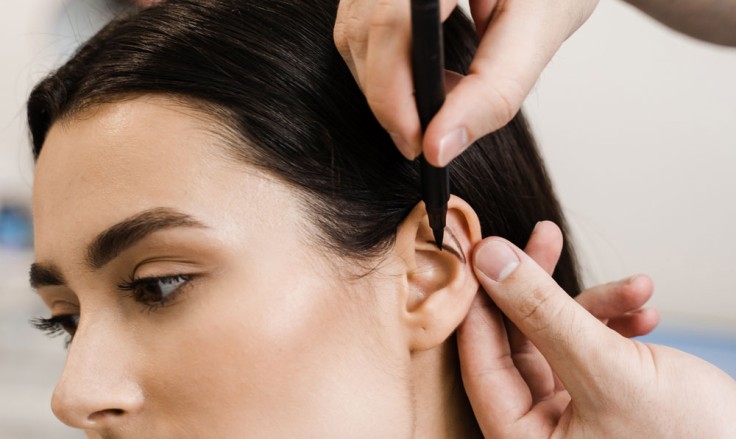
Introduction
Interest in otoplasty has grown as individuals seek refined ear positioning or improved ear symmetry. As demand increases, many compare Turkey and the USA because both regions provide established aesthetic services supported by advanced techniques. Understanding how the procedure is performed, how specialists plan ear reshaping, and how cost structures differ helps individuals choose the most suitable setting. This guide explains procedure details, consultation methods and modern planning systems shaping otoplasty in 2025.
What Otoplasty Aims to Achieve
Otoplasty is a procedure designed to adjust the position, projection or shape of the ears. It focuses on creating balanced, natural alignment with the surrounding facial structure. Because ears play a structural role in facial symmetry, small adjustments can influence overall harmony. Otoplasty may involve cartilage shaping, suturing techniques or projection reduction depending on individual anatomy.
How Surgeons Assess Ear Shape
Ear analysis includes measuring cartilage angles, height, width and projection from the scalp. Surgeons also assess cartilage firmness, skin thickness, and natural fold patterns. Additionally, AI tools can now support detailed ear mapping. These imaging systems evaluate asymmetry, identify precise contour differences, and predict refined outcomes. Such technology helps specialists plan adjustments with greater accuracy.
Otoplasty Techniques Used in Turkey and the USA
Several otoplasty techniques remain common across both regions.
- Stitch-based otoplasty uses sutures to fold and reshape cartilage.
- Cartilage scoring softens cartilage for improved positioning.
- Projection reduction decreases the distance between the ear and the scalp.
- Ear fold refinement highlights natural curves while maintaining structural stability.
Although methods are similar in Turkey and the USA, planning styles differ slightly due to regional preferences.
How Is Otoplasty Performed?
Otoplasty usually involves an incision behind the ear to access cartilage and allow shaping. Surgeons adjust folds and angles through sutures or cartilage reshaping. The ear is then positioned closer to the scalp when projection reduction is required. Once shaping is complete, the incision is closed, and the ear retains the new position. Techniques remain consistent across both countries.
Otoplasty in Turkey: Approach and Planning
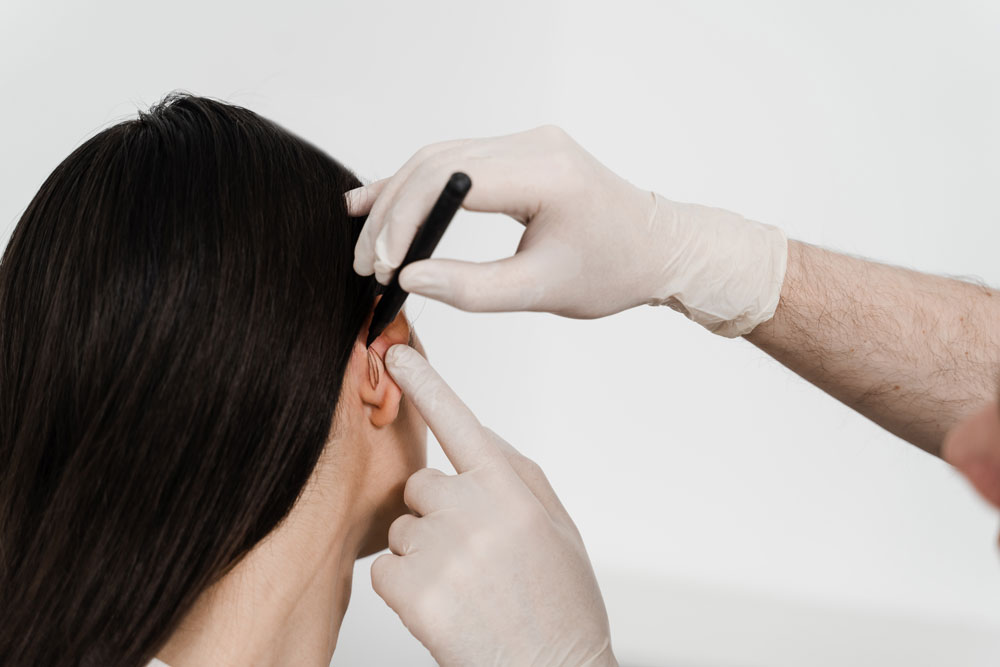
Turkey is known for streamlined otoplasty planning supported by digital imaging. Consultations often include 3D ear analysis and projection mapping. Treatment plans are developed quickly because clinics specialise in high-volume aesthetic procedures. Digital simulation helps individuals visualise expected positioning. Additionally, Turkey offers combined appointments for those travelling from abroad, allowing efficient scheduling.
Otoplasty in the USA: Approach and Planning
The USA provides extensive preoperative analysis, often with multiple planning sessions. Surgeons evaluate cartilage shape, ear projection and symmetry using detailed imaging. USA clinics may allocate longer consultation periods for more personalised planning. Additionally, imaging systems track angles and projection with high precision. This structured approach supports individualised otoplasty pathways.
Cost Structure for Otoplasty in Turkey
Turkey generally offers lower otoplasty costs due to regional healthcare expenses and service models. Costs vary depending on cartilage complexity, technique selection and clinic preference. Because many clinics include imaging and planning within their standard packages, overall pricing remains competitive. Although costs differ across the country, Turkey remains popular for value-focused aesthetic care.
Cost Structure for Otoplasty in the USA
The USA typically presents higher otoplasty prices due to clinic overheads and regional fee structures. Costs reflect surgeon expertise, facility standards, and extended consultation time. Additionally, multi-step planning in the USA may influence overall pricing. These variations explain why some compare both regions before selecting a location.
Otoplasty Cost Comparison Between Turkey and the USA
Otoplasty costs differ notably between regions. In Turkey, most clinics offer otoplasty packages ranging from $2,300 to $3,200. This often includes imaging, consultations, and follow-up care. In the USA, otoplasty typically ranges from $4,000 to $7,000. Pricing is typically influenced by surgeon expertise and facility fees. These figures highlight the broad difference between the two countries, helping you compare overall value when planning your procedure.
Choosing Between Turkey and the USA for Otoplasty
Choosing between regions depends on planning preference, cost structure and scheduling needs.
- Turkey offers efficient planning and competitive pricing.
- The USA provides extended evaluation and highly individualised consultation.
- Both regions support advanced techniques and digital mapping.
- The decision often relates to timeline and desired planning style.
Ideal Candidates for Otoplasty
Ideal candidates include those with ear projection concerns, asymmetry, or under-developed folds. Individuals with stable ear anatomy and clear goals benefit most from otoplasty. Additionally, those seeking improved ear alignment rather than structural change may also qualify. Assessment determines which technique best suits the ear’s natural characteristics.
What Results Should I Expect From Otoplasty?
- Otoplasty offers refined projection and improved balance with facial contours.
- Results appear once swelling settles and ear shape stabilises.
- Final positioning becomes more defined as tissues adapt.
- Both Turkey and the USA provide consistent structural outcomes due to advanced planning.
Recovery and Follow-Up
- Recovery includes a period of structured aftercare.
- Follow-up visits monitor ear positioning and cartilage stability.
- Surgeons assess healing and ensure projection remains consistent.
- Technology helps track progress and refine documentation.
Lifestyle Factors That Influence Otoplasty Planning
- Stable routines support improved maintenance after otoplasty.
- Protecting the ears during early healing supports shape retention.
- Balanced routines also assist in managing swelling.
- Lifestyle considerations may influence scheduling, especially for international travel.
Combination Procedures Sometimes Used
- Some individuals combine otoplasty with minor facial contour adjustments.
- These may include jawline shaping or chin refinement for balanced proportions.
- Combination planning depends on structural needs and facial symmetry goals.
- Both regions offer tailored options when suitable.
Conclusion
Otoplasty remains a structured procedure available in both Turkey and the USA, with each region offering distinct planning styles and cost models. Turkey provides accessible pricing and efficient imaging. The USA focuses on detailed evaluation and longer consultation pathways. Modern technology supports precise cartilage analysis and ear projection assessment in both settings.
Are you considering otoplasty? Find out more and book a consultation via the ACIBADEM Beauty Center website.
Frequently Asked Questions
It adjusts ear shape, folds, and projection.
Yes, although planning style differs.
AI and 3D systems assist detailed measurement.
Yes, assessment determines appropriate shaping.
Yes, each region uses different pricing models.