Ataşehir Mah. Feza Sk. No:3 İstanbul / Türkiye
 French
  English
  German
  Spanish
Cosmetic dentistry continues to evolve as patient expectations become more refined. In 2026, people seek treatments that enhance appearance while preserving natural tooth structure. Subtle improvements now take priority over dramatic changes. As a result, cosmetic dental treatments focus on balance, proportion, and long-term aesthetics. Advances in materials and planning tools support this shift. Patients are also more informed and selective. Understanding current preferences helps explain which treatments remain most popular.
Why Cosmetic Dental Treatments Continue to Grow in Popularity
Demand for cosmetic dentistry has increased steadily over recent years. Social visibility and digital communication influence how smiles are perceived. Patients value confidence and polished appearance in professional settings. This has encouraged broader interest in aesthetic dental care. At the same time, treatments have become more accessible. Shorter treatment timelines appeal to busy lifestyles. Dental treatments are now often integrated into routine dental care. Preventative and aesthetic goals increasingly overlap. This combination drives continued growth.
Porcelain Veneers as a Long-Term Choice
Porcelain veneers remain a popular option in 2026. They are chosen for their durability and refined appearance. Veneers address colour, shape, and minor alignment concerns. Results are tailored to individual facial features. Advances in veneer fabrication allow thinner designs. This supports conservative preparation approaches. Patients appreciate predictable outcomes. Veneers continue to suit those seeking comprehensive smile enhancement. Their popularity reflects reliability and aesthetic consistency.
Composite Bonding for Conservative Enhancement
Composite bonding appeals to patients seeking minimal intervention. It allows precise reshaping without extensive preparation. Bonding is often completed in a single visit. This suits those wanting quick refinement. In 2026, improved composite materials enhance longevity and polish. Dentists can layer shades for natural blending. Cosmetic dental treatments increasingly favour reversibility. Bonding aligns with this preference, so its flexibility and subtlety drive its popularity.
Teeth Whitening and Brightness Treatments
Teeth whitening remains one of the most requested cosmetic procedures. Patients favour brighter smiles that still look natural. Professional whitening offers controlled and even results. Custom trays improve comfort and consistency. In-clinic treatments have also advanced. Results appear more predictable and stable. Whitening is often combined with other cosmetic dental treatments, and this sequencing enhances overall outcomes. Brightness remains a foundational aesthetic goal for most patients who undergo treatments for cosmetic purposes.
Beyond Whitening: Hybrid Treatments for a Comprehensive Glow
Whitening alone no longer defines smile brightness. In 2026, hybrid treatments combine whitening with surface enhancement. Polishing, bonding refinements, and enamel smoothing work together. This creates a more balanced glow. These combinations improve light reflection rather than colour alone. Patients prefer results that look healthy and dimensional. Cosmetic dental treatments increasingly integrate multiple subtle techniques. Hybrid approaches deliver depth and softness. Brightness now feels more natural and refined.
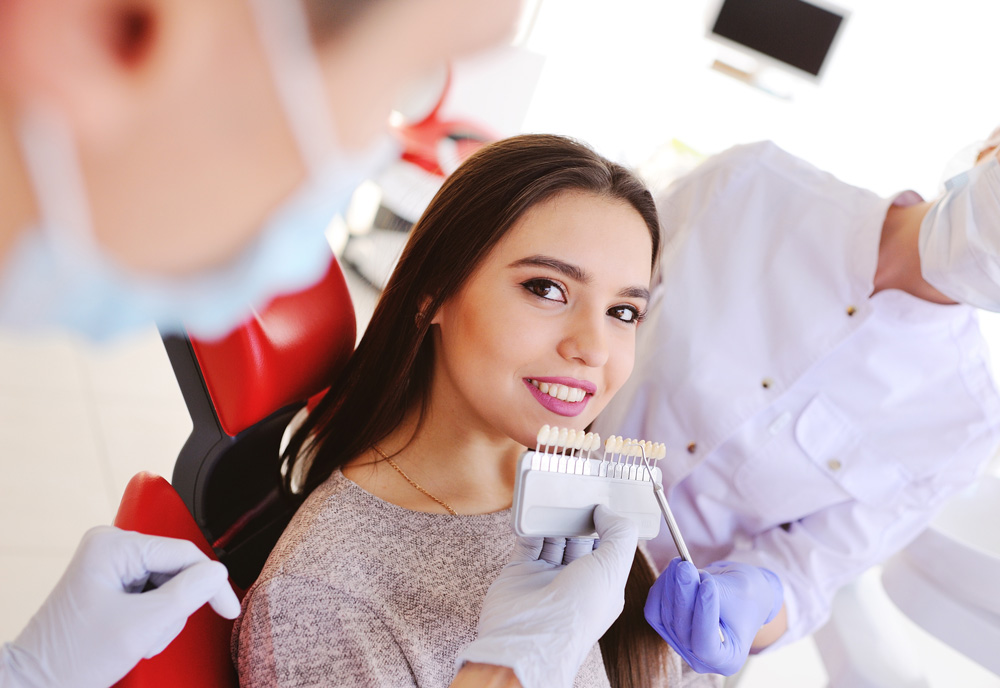
Cosmetic Dental Treatments: The 2026 Colour Palette
Colour preferences in dentistry have evolved significantly. Ultra-white shades are no longer the default choice. Patients now favour pearlescent tones with gentle translucency. These shades mimic natural enamel more closely. Dentists offer broader shade palettes than ever before. Layered materials create depth and variation. Cosmetic dental treatments reflect this nuanced approach to colour. Shade selection considers skin tone and facial features. Natural harmony guides aesthetic decisions.
Digital Smile Design and Cosmetic Dental Treatments Planning
Digital planning tools have transformed cosmetic dentistry. Smile design software allows visualisation before treatment begins. Patients can preview potential results clearly. This supports informed decision making. Dentists use digital models to guide precision. Proportions and symmetry are analysed carefully. Cosmetic dental treatments benefit from this kind of accuracy. Planning reduces guesswork and predictability increases patient satisfaction.
AI-Powered Smile Design and Predictive Planning
Artificial intelligence has become an important planning tool in cosmetic dentistry. AI-powered smile design analyses facial proportions and tooth relationships. This technology predicts outcomes with impressive accuracy. Patients can visualise potential results before treatment begins. Dentists use AI to refine treatment plans efficiently. Adjustments are based on data-driven insights rather than guesswork. Dental treatments for cosmetic purposes benefit from this predictive clarity. Planning becomes more collaborative and transparent. AI technology enhances confidence for both patients and practitioners.
Aligners and Cosmetic Orthodontics
Clear aligners remain popular for aesthetic alignment. They appeal to adults seeking discreet correction. Treatment focuses on visible teeth and smile balance. Shorter plans address cosmetic goals. Aligners are often combined with other treatments. Minor alignment improves bonding or veneer outcomes. Dental cosmetic treatments increasingly follow staged approaches.
Gum Contouring and Smile Balance
Gum aesthetics play a larger role in smile design. Uneven gum lines can affect proportions. Contouring treatments refine the smile frame. Precision tools support gentle reshaping. Patients choose gum contouring to enhance symmetry. Results complement tooth-focused treatments. Cosmetic dental treatments now consider the entire smile zone. Balance between teeth and gums matters to patients.
Cosmetic Dental Treatment Trends in Turkey
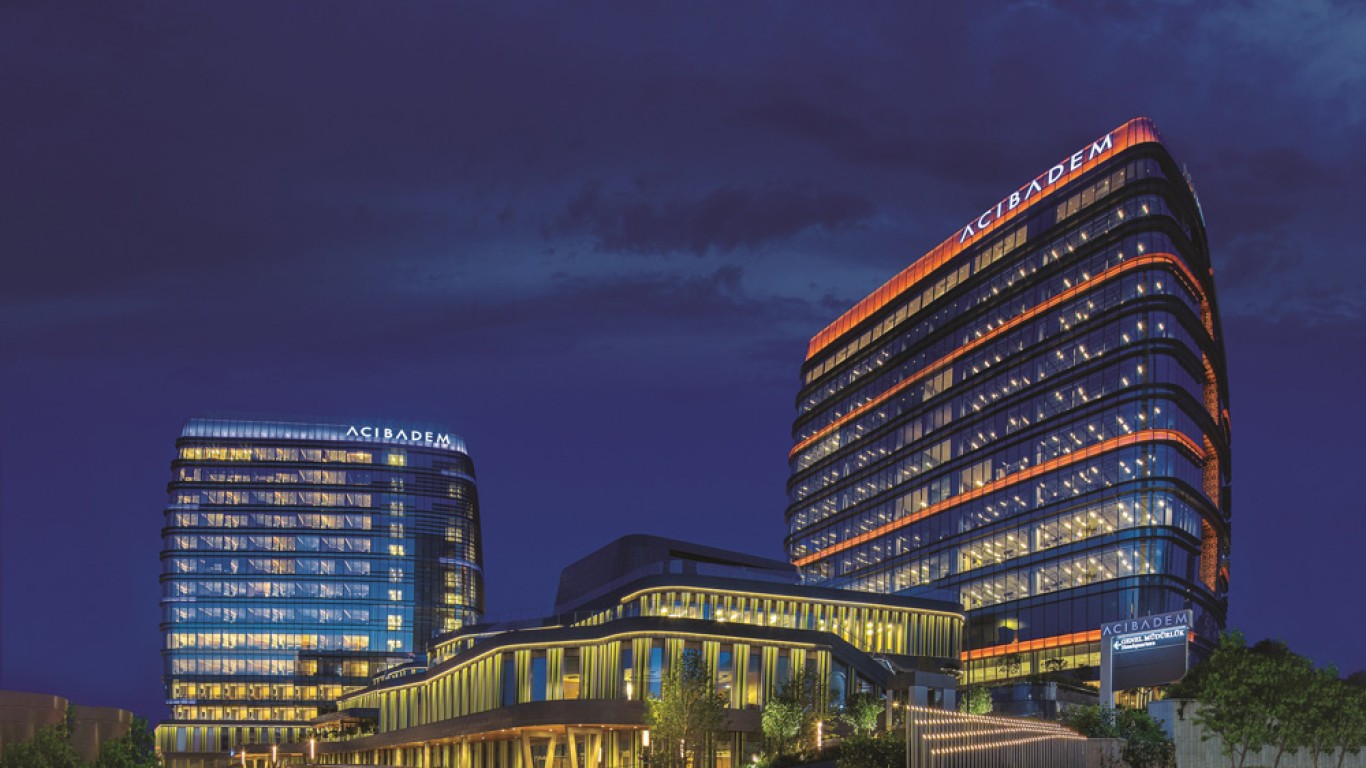
Turkey continues attracting patients for cosmetic dental care. Clinics in Istanbul offer advanced planning and modern facilities. International patients value structured treatment pathways. Experience and organisation influence choice. Centres such as Acibadem focus on personalised smile design. Cosmetic dental treatments are planned with long-term goals in mind. Patients appreciate clear communication and continuity. Turkey combines expertise with accessibility, which supports its ongoing popularity.
Trend-Focused Cosmetic Dental Treatments for 2026
In 2026, cosmetic dentistry trends prioritise refinement over transformation. Patients increasingly seek treatments that enhance existing features rather than replace them. This shift reflects broader aesthetic preferences toward natural-looking results. Dentists now design treatments that respect individual tooth character. As a result, dental treatments for cosmetic purposes are more personalised than ever. Subtle contouring and shade refinement lead decision making. Planning focuses on harmony rather than uniformity. These trends influence how treatments are selected and combined. Aesthetic restraint defines modern cosmetic care.
The Rise of Micro-Enhancements in Smile Design
Micro-enhancements have gained popularity among patients seeking understated changes. These involve small, targeted adjustments rather than full smile makeovers. Minor edge refinements and surface smoothing are common examples. Patients appreciate improvements that remain discreet. This approach allows gradual enhancement over time. Micro-adjustments fit busy lifestyles and evolving preferences. Cosmetic dentistry increasingly follows incremental planning models. Dentists focus on precision and restraint. The rise of micro-enhancements reflects changing patient values.
Moving Toward Undetectable Cosmetic Dental Treatments
Undetectable enhancement is a defining goal in 2026. Patients want results that appear effortless and unnoticeable. Friends and colleagues should not identify dental work. This has reshaped treatment philosophy. Dentists prioritise seamless integration with natural teeth. Margins are refined and textures softened. Treatments for cosmetic dentistry now focus on invisibility. Success is measured by subtlety rather than impact. Undetectable enhancement represents modern aesthetic success.
Combination Treatments and Smile Makeovers
Many patients choose combination approaches in 2026. Smile makeovers integrate multiple treatments strategically. Whitening may precede bonding or veneers. Alignment often comes first. This staged approach improves efficiency. Results appear cohesive and natural. Cosmetic dental treatments work best when coordinated. Dentists guide sequencing carefully. Integration defines modern smile enhancement.
Personalisation Over Standardisation in Cosmetic Dentistry
Personalisation has become central to cosmetic dentistry in 2026. Patients no longer request identical smile templates. Instead, treatments are tailored to individual tooth shape and facial structure. This approach values uniqueness rather than uniformity. Dentists now design enhancements that complement natural features. Customisation extends to texture, translucency, and contour. Personal planning enhances satisfaction. Individuality defines modern aesthetic care.
The Influence of Social Media on Treatment Preferences
Social media continues shaping cosmetic dental trends. Patients are exposed to a wide range of smiles online. This influences expectations and preferences. However, it also raises awareness of natural-looking outcomes. Dentists help patients interpret trends realistically. Consultation focuses on suitability rather than imitation. Dental cosmetic treatments adapt to informed demand. Visual inspiration guides discussion. Professional guidance ensures balance.
Longevity and Maintenance Considerations
Patients increasingly consider long-term maintenance. Durability influences treatment choice. Materials are selected for wear resistance and polish retention. Maintenance planning supports lasting results. Regular reviews help preserve aesthetics. Cosmetic dental treatments are viewed as ongoing care. Lifestyle habits influence longevity. Dentists discuss upkeep openly. Planning extends beyond initial treatment.
Conclusion
In 2026, trends in cosmetic dentistry reflect a shift toward subtle, personalised enhancement. Patients value natural appearance, conservative methods, and predictable planning. Advances in materials and digital tools support this evolution. Treatments are increasingly combined for balanced results. Turkey continues playing a key role in global cosmetic dentistry. Understanding trends helps patients choose confidently.
For more information and to book a consultation visit the ACIBADEM Beauty Center Dental Treatments webpage.
Frequently Asked Questions
Veneers, bonding, whitening, and aligners remain leading choices.
Many modern treatments prioritise minimal tooth preparation.
Yes, combination approaches are increasingly common.
Turkey offers experienced clinics and structured care pathways.
Yes, long-term care helps preserve results.