Ataşehir Mah. Feza Sk. No:3 İstanbul / Türkiye
 French
  English
  German
  Spanish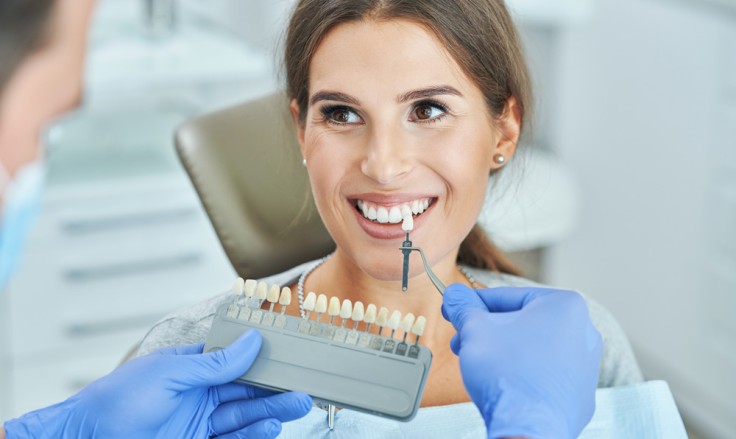
Introduction
A smile is often the first feature people notice. It influences confidence, communication and overall appearance. Many people feel their smile does not reflect how they feel inside. Discolouration, spacing or uneven teeth can affect self-esteem quietly. Cosmetic dentistry focuses on improving smile aesthetics in a personalised way. It blends medical skill with artistic judgement. Modern treatments aim for natural results rather than perfection. Understanding how this kind of dentistry works helps patients explore their options confidently.
What Cosmetic Dentistry Focuses On
Cosmetic dentistry improves the appearance of teeth and smiles. It addresses colour, shape, alignment and proportion. Unlike general dentistry, the focus is primarily aesthetic. However, function and comfort remain important. This treatments are planned around facial harmony. Teeth are designed to suit lips, face shape and expressions. The goal is balance rather than uniformity. Each smile is treated as unique.
How Cosmetic Dentistry Enhances Confidence
A transformed smile can change how people feel socially. Many patients report smiling more freely afterward. This treatments often reduces self-conscious habits. Covering the mouth or avoiding photos may become unnecessary. Confidence grows gradually as the smile feels natural. This emotional benefit is often underestimated. Feeling comfortable when smiling affects daily interactions. Confidence becomes a lasting result.
Common Concerns Addressed
Cosmetic dentistry addresses a wide range of concerns. Tooth discolouration is one of the most common. Uneven edges or worn teeth are also frequent issues. Gaps and mild misalignment affect smile balance. Some people want to improve tooth proportions. Cosmetic dentistry adapts to each concern carefully. Treatments are selected based on individual needs. Personal goals guide every plan.
Cosmetic Dentistry and Smile Balance
Smile balance refers to how teeth align with facial features. Dentistry considers lip movement and facial symmetry. Teeth should complement the face rather than dominate it. Size, shape and colour are adjusted thoughtfully. Balanced smiles appear effortless and natural. Overly bright or uniform teeth can look artificial. Harmony defines successful outcomes. Balance guides aesthetic decisions.

Teeth Whitening in Cosmetic Dentistry
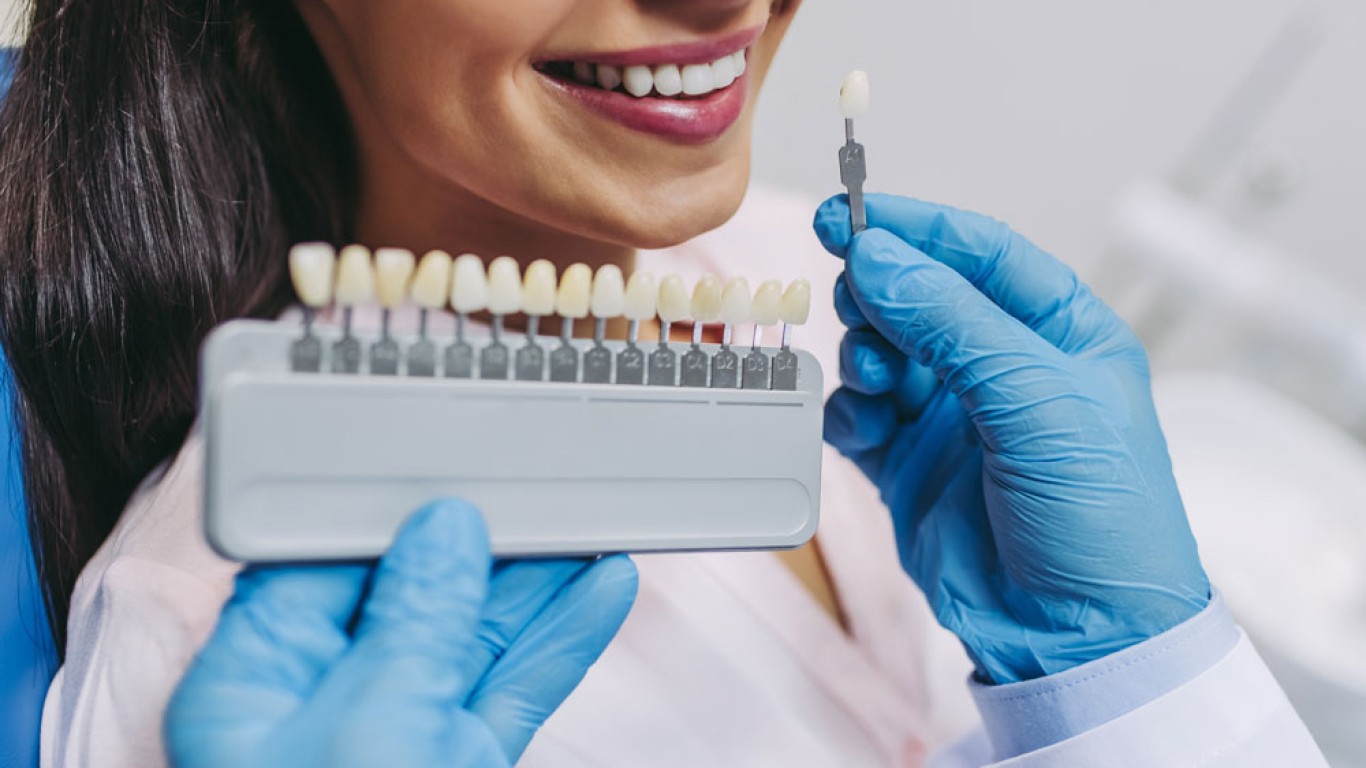
Teeth whitening is a popular cosmetic dentistry treatment. It improves brightness and freshness quickly. Whitening can enhance overall smile appearance significantly. Many patients choose it as a first step. Results vary depending on natural tooth colour. Whitening works best when planned professionally. It complements other cosmetic treatments well. Brightness enhances confidence subtly.
Veneers and Their Role
Veneers are thin coverings placed over teeth. This kind of dentistry uses them to improve shape and colour. Veneers can correct uneven edges or gaps. They are customised for each smile. Proper planning ensures natural proportions. Veneers are often chosen for visible front teeth. They can transform smiles dramatically yet subtly. Design precision is essential.
Composite Bonding in Cosmetic Dentistry
Composite bonding reshapes teeth using tooth-coloured material. Cosmetic dentistry uses it for minor adjustments. Bonding can repair chips or close small gaps. It preserves natural tooth structure. Results appear seamless when done well. Bonding offers flexibility and customisation. It suits patients seeking conservative enhancement. Subtle changes make a difference.
Cosmetic Dentistry for Smile Symmetry
Symmetry plays a key role in smile aesthetics. Aesthetic dentistry improves alignment visually. Even small asymmetries can affect appearance. Treatment focuses on optical balance rather than perfection. Teeth may be reshaped slightly for harmony. Symmetry improves how smiles photograph. Balanced smiles often look more relaxed. Visual alignment matters greatly.
Facial Proportions
Facial proportions influence dentistry planning. Teeth must suit face shape and jaw structure. Oversized teeth can overwhelm features. Small teeth may lack presence. Cosmetic dentistry adjusts proportions carefully. Lips and smile width guide decisions. Facial harmony remains central throughout planning. Proportions define natural beauty.
Smile Makeovers Through Cosmetic Dentistry
A smile makeover combines multiple cosmetic treatments. This procedure coordinates these changes carefully. Teeth, gums and bites are considered together. The process is structured and personalised. Planning ensures cohesive results. Each step builds toward the final smile. Makeovers feel transformative yet controlled. Integration supports predictability.
Cosmetic Dentistry and Long-Term Planning
Cosmetic dentistry considers long-term appearance. Treatments are chosen for durability and ageing. Teeth should look good years later. Maintenance is part of planning. Long-term thinking avoids overly trendy results. Natural aesthetics age more gracefully. This approach supports lasting satisfaction. Longevity matters in smile design.
Psychological Benefits
Improving a smile often affects emotional wellbeing. Cosmetic dentistry can reduce anxiety around social situations. People may feel more open and expressive. Positive feedback reinforces confidence. Emotional benefits often exceed expectations. Feeling aligned with appearance matters deeply. Confidence grows with familiarity. Psychological comfort is an important outcome.
Cosmetic Dentistry for Different Life Stages
Cosmetic dentistry adapts to different ages. Younger patients often seek subtle refinement. Mature patients may focus on restoring wear. Treatments are adjusted accordingly. Age influences goals but not suitability. Planning reflects lifestyle and preferences. Individual context shapes decisions.
Why Expertise Matters in Cosmetic Dentistry
Dentistry for cosmetic purposes requires technical and artistic skill. Small details affect overall appearance. Experienced dentists understand smile aesthetics deeply. Precision ensures natural results. In Turkey, centres like Acibadem emphasise advanced cosmetic training. Many international patients choose Turkey for this expertise. Skill influences consistency and quality. Expertise builds trust.
Cosmetic Dentistry in Turkey for International Patients
Turkey has become a global hub for dentistry. Advanced clinics attract patients worldwide. Modern technology supports precise planning. Acibadem offers integrated dental care pathways. Patients value personalised treatment and continuity. International standards guide every stage. Choosing Turkey combines expertise with accessibility. Quality remains a priority.
Conclusion
Cosmetic dentistry can transform a smile both aesthetically and emotionally. It improves balance, confidence and facial harmony. Modern treatments focus on subtle, personalised enhancement. Understanding available options empowers informed choices. With expert planning, results appear natural and lasting. Cosmetic dentistry continues shaping confident smiles worldwide.
For more information and to book a consultation visit the ACIBADEM Beauty Center Dental Treatments webpage.
Frequently Asked Questions
It improves the appearance, balance and harmony of the smile.
No, it also focuses on shape, symmetry, proportion and overall smile aesthetics.
Longevity depends on treatment type, care and lifestyle habits.
Yes, modern techniques prioritise subtle, natural-looking results.
Turkey offers experienced professionals, advanced clinics and personalised care through providers like Acibadem.