Ataşehir Mah. Feza Sk. No:3 İstanbul / Türkiye
 French
  English
  German
  Spanish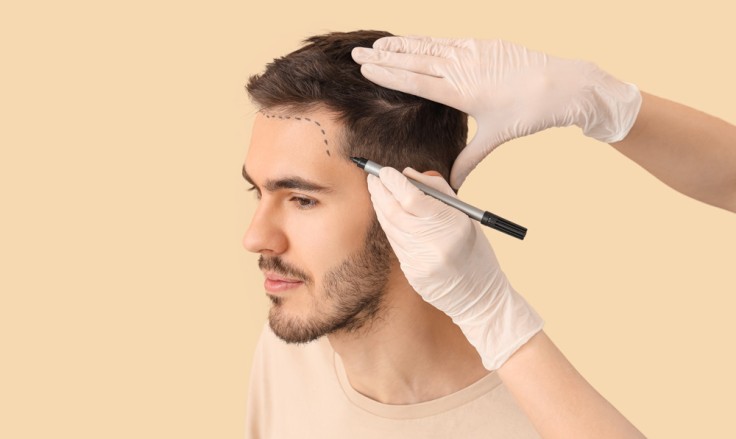
Introduction
A receding hairline is one of the most common and visible signs of male pattern hair loss. The gradual retreat of the frontal hairline affects millions of men worldwide and often begins in the twenties or thirties. The visibility of the hairline means recession is difficult to conceal and can significantly impact self-confidence. Modern treatments offer effective options for addressing a receding hairline through both surgical and non-surgical approaches. Understanding the available options helps patients choose the most appropriate treatment for their individual situation. This article examines the causes of hairline recession and the most effective receding hairline treatments available in 2026. Advances in hair restoration technology continue to improve both treatment outcomes and patient satisfaction significantly.
What Causes a Receding Hairline?
Understanding the cause of a receding hairline supports better treatment decisions. Male pattern baldness, or androgenetic alopecia, is the primary cause. The hormone dihydrotestosterone causes genetically susceptible hair follicles to miniaturise progressively. The hairline follicles are typically the most sensitive. Recession usually begins at the temples, creating an M-shaped pattern. It progresses gradually over years or decades. Genetics determine susceptibility and the rate of progression. Stress, poor nutrition and certain medications can accelerate a receding hairline but are rarely the primary cause. Age is the strongest predictor with the majority of men experiencing some degree of recession by their fifties. Identifying the pattern and rate of progression helps determine the most appropriate receding hairline treatment approach. Lifestyle habits including smoking and chronic stress may also negatively affect overall hair quality.
Hair Transplant for a Receding Hairline
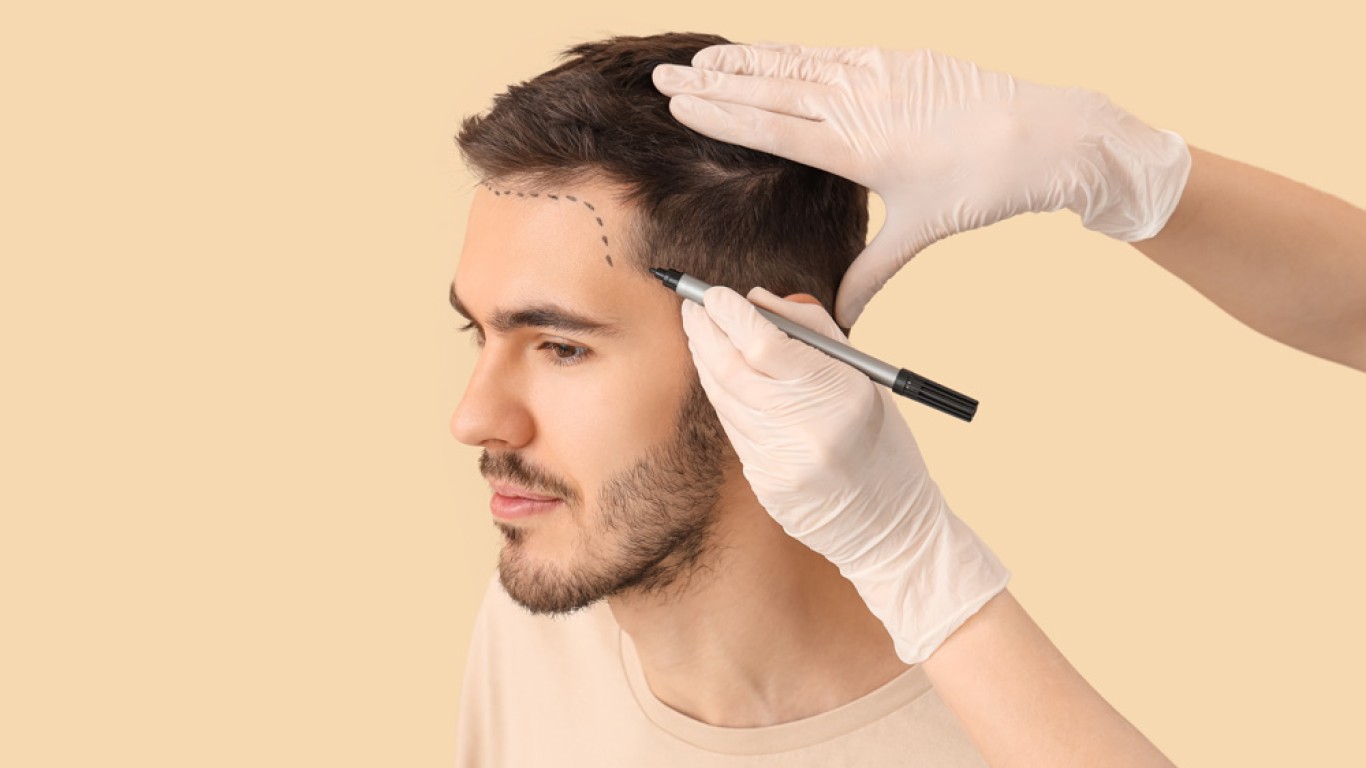
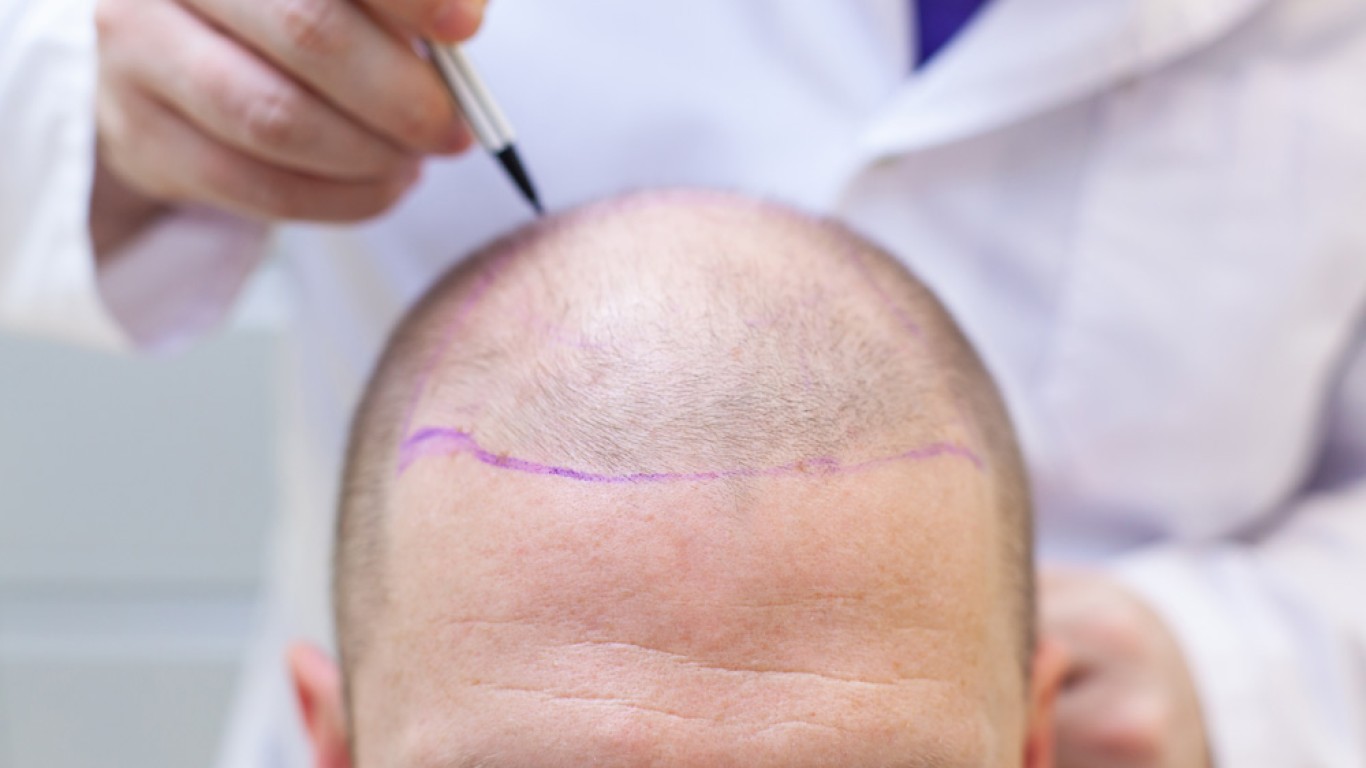
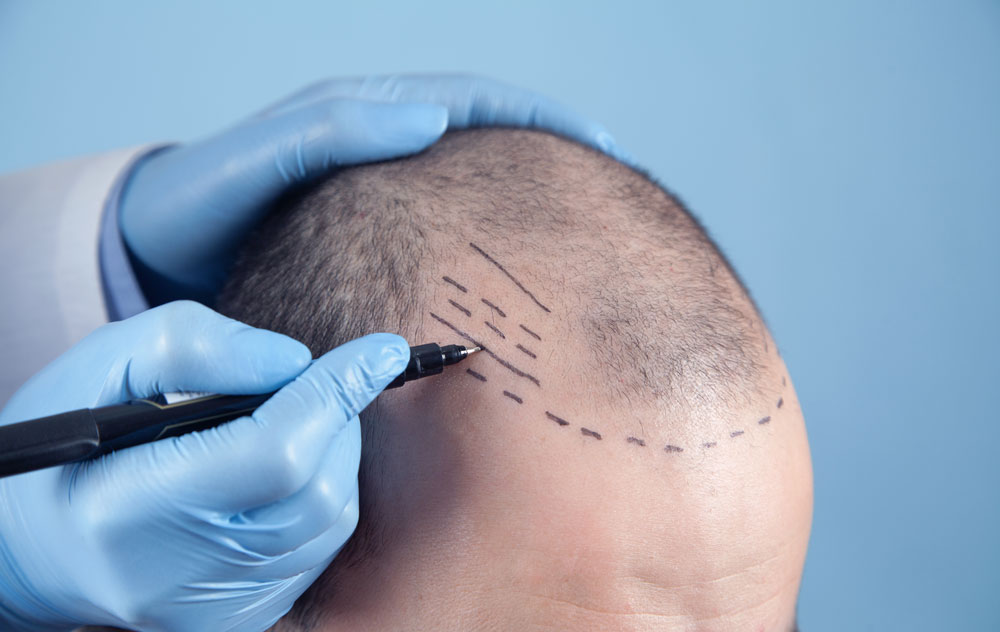
Hair transplant surgery is the most effective permanent treatment for a receding hairline. The procedure moves genetically resistant hair follicles from the back of the head to the receded hairline area. FUE technique extracts individual follicles using a micro-punch tool. DHI technique uses a specialised pen for precise placement. The surgeon designs a natural-looking hairline that suits the patient’s age and facial proportions. One thousand to two thousand five hundred grafts typically address moderate receding hairline recession. The transplanted hair grows permanently in its new location. Results develop over twelve to eighteen months. The procedure takes six to eight hours under local anaesthesia. Hair transplant is the gold standard receding hairline treatment for patients wanting permanent, natural-looking restoration. Modern techniques prioritise natural density and soft hairline design for realistic long-term appearance.
Medical Treatments for a Receding Hairline
Medical treatments can slow or stabilise a receding hairline. Finasteride is an oral medication that blocks the conversion of testosterone to dihydrotestosterone. This reduces the hormonal stimulus that causes follicle miniaturisation. Studies show that finasteride slows or stops progression in approximately eighty percent of men. Some patients experience regrowth. Minoxidil is a topical treatment applied directly to the receding area. It prolongs the growth phase of the hair cycle and can stimulate dormant follicles. Combination therapy using both finasteride and minoxidil produces better results than either alone. Low-dose oral minoxidil is gaining popularity as an alternative to topical application. Medical receding hairline treatments work best for stabilisation and early intervention rather than rebuilding a significantly receded hairline. Ongoing consistency with treatment use is important for maintaining visible improvements and hair stability.
Regenerative Treatments for a Receding Hairline
Regenerative treatments support hairline health alongside medical or surgical approaches. PRP therapy concentrates platelets from the patient’s blood and injects them into the scalp. Growth factors stimulate follicle activity and support hair quality along the receding hairline. Exosome therapy delivers concentrated regenerative signals to follicle cells. Both treatments require a course of sessions over several months. Low-level laser therapy uses specific light wavelengths to stimulate cellular activity. These regenerative approaches are most effective for early thinning where follicles are still present. They complement rather than replace medical or surgical receding hairline treatments. Combining regenerative therapy with finasteride and minoxidil creates a comprehensive non-surgical approach. Used after hair transplant surgery, regenerative treatments can support graft survival and existing hair health. Many patients value these treatments for improving scalp condition and supporting healthier hair growth cycles.
Non-Surgical Receding Hairline Treatments
Several non-surgical options address a receding hairline without surgery. Scalp micropigmentation creates the appearance of hair follicles using tiny pigment deposits in the scalp skin. The technique can recreate the appearance of a defined hairline or add density to thinning areas. The result mimics a closely cropped hairstyle. Hair fibres are cosmetic products that attach to existing hair, creating the appearance of greater density along the receding hairline. These provide immediate visual improvement without medical intervention. Hairpieces and hair systems have evolved significantly and modern options are virtually undetectable. These non-surgical hairline treatments offer immediate cosmetic improvement. They suit patients who prefer non-medical approaches or who are not candidates for surgical or medical treatment. Improvements in modern hair systems have increased comfort, realism and ease of daily maintenance.
Choosing the Right Receding Hairline Treatment
Choosing the right receding hairline treatment depends on several factors. The degree of recession matters. Early recession may respond well to medical treatment alone. Moderate recession benefits from combining medical treatment with regenerative therapy. Advanced recession typically requires hair transplant surgery for meaningful restoration. Patient age influences the approach because very young patients may benefit from stabilising with medication before considering surgery. Budget affects decision-making because surgical options require greater initial investment. Willingness to commit to ongoing medical treatment is important because finasteride and minoxidil require continuous use. Consultation with a hair restoration specialist evaluates individual recession pattern, donor supply and treatment goals. A personalised hairline treatment plan produces the most satisfying outcomes. Tailored treatment strategies often provide more natural and sustainable hair restoration results for patients.
Receding Hairline Treatment: Cost Considerations
Cost varies significantly across receding hairline treatment options. Finasteride costs approximately fifteen to thirty pounds per month on prescription. Minoxidil ranges from ten to twenty-five pounds per month. PRP therapy costs two hundred to four hundred pounds per session. Hair transplant surgery represents the largest single investment. UK pricing ranges from six thousand to fifteen thousand pounds. Turkey offers all-inclusive packages from one thousand five hundred to three thousand pounds. Even with flights, most patients save fifty percent or more. The permanent nature of transplant results means the cost is a one-time investment. Medical hairline treatments require ongoing monthly expenditure. When calculated over years, cumulative medical costs can approach surgical pricing while providing stabilisation rather than restoration. Comparing long-term value helps patients choose the most suitable investment for their treatment goals. Flexible financing options are also available at many clinics to improve treatment accessibility for patients.
Prevention and Early Intervention
Early intervention produces the best outcomes for a receding hairline. Starting treatment when recession is first noticed preserves more follicles for the future. Finasteride is most effective when started early before significant miniaturisation has occurred. Minoxidil supports existing hair maintenance alongside follicle stimulation. Monitoring progression through regular photographs helps track changes over time. Men with a family history of early recession should consider preventive consultation even before visible changes appear. A healthy lifestyle including balanced nutrition, stress management and good scalp care supports hair health generally. Prevention and early treatment are the most cost-effective hairline strategies. Waiting until recession is advanced limits the available options and makes restoration more complex and expensive. Consistent scalp care and early medical guidance often preserve hair density for significantly longer periods. Regular follow-up appointments help adjust treatment plans to changes in hair density and progression.
Conclusion
A receding hairline is a common condition with multiple effective treatment options in 2026. Hair transplant surgery provides the most dramatic and permanent restoration. Medical treatments including finasteride and minoxidil stabilise progression and support existing hair. Regenerative therapies complement both surgical and medical approaches. Non-surgical cosmetic options provide immediate visual improvement. Early intervention produces the best outcomes. Cost varies significantly by treatment type with Turkey offering competitive surgical pricing. Professional consultation with a hair restoration specialist determines the most appropriate hairline treatment plan based on individual recession pattern, goals and preferences. Multiple options exist to restore confidence in the hairline at every stage of progression. Ongoing advances in hair restoration continue to improve naturalness, accessibility and long-term patient satisfaction. Personalised treatment planning remains the key to achieving the most natural and sustainable results.
For more information on receding hairline treatments and to book a consultation visit the ACIBADEM Beauty Center Hair Transplant page.
Frequently Asked Questions
Hair transplant for permanent restoration; finasteride for stabilisation.
Hair transplant restores permanently; medication can slow or stop progression.
Medical: £15-55/month; transplant: £1,500-£3,000 in Turkey.
As early as possible; early intervention preserves more options.
Yes, transplanted hair grows permanently from genetically resistant follicles.