Ataşehir Mah. Feza Sk. No:3 İstanbul / Türkiye
 French
  English
  German
  Spanish
Introduction
PRP therapy has become one of the most versatile treatments in modern aesthetic medicine. The approach uses the patient’s own blood to support healing and regeneration. PRP therapy applications span hair restoration, skin rejuvenation, scar treatment and tissue healing. The biological nature of the treatment appeals to patients seeking natural approaches. Understanding how the therapy works helps patients evaluate whether the treatment suits their goals. This article explains the science behind PRP therapy, its key applications in hair restoration and skin health and what patients can realistically expect from professional treatment.
What Is PRP Therapy?
PRP therapy stands for platelet-rich plasma therapy. The treatment uses a concentrated preparation of the patient’s own platelets. A small blood sample is taken from the arm. The blood is processed in a centrifuge to separate its components. The platelet-rich fraction is isolated and concentrated. Platelets contain growth factors and signalling proteins essential for healing. PRP delivers these concentrated growth factors to target treatment areas. The high concentration of platelets exceeds what the body produces naturally. This concentrated delivery triggers enhanced healing and regeneration responses. PRP has been used in medicine for decades including sports medicine and orthopaedics before expanding into aesthetic applications.
How PRP Therapy Works for Hair Restoration
PRP therapy supports hair restoration through several biological mechanisms. The concentrated growth factors stimulate dormant hair follicles. The treatment increases blood supply to the follicle base. This improved circulation delivers more nutrients and oxygen. Growth factors encourage the follicle to enter the active growth phase. The treatment also strengthens existing hair by supporting the follicular environment. PRP for hair restoration involves injecting the concentrated plasma directly into the scalp. The injections target areas of thinning or hair loss. Multiple sessions typically produce the best results for hair restoration. The treatment can be used as a standalone approach or combined with hair transplant procedures for enhanced outcomes.
PRP Therapy for Hair Transplant Enhancement
PRP therapy is increasingly used alongside hair transplant procedures. The concentrated growth factors support graft survival after transplantation. When applied during the transplant procedure, PRP improves the environment for newly placed grafts. The enhanced blood supply supports better nourishment. The treatment may also accelerate the healing of the donor area. Some surgeons inject PRP into the recipient area before placing grafts. Others apply it after all grafts are positioned. Post-operative PRP sessions in the months following transplantation can support ongoing growth. The combination of hair transplant surgery with PRP represents a comprehensive approach to hair restoration that addresses both immediate placement and long-term follicle health.
PRP Therapy for Skin Rejuvenation
PRP therapy offers significant benefits for skin rejuvenation. The growth factors stimulate fibroblast cells to produce new collagen. Elastin production also increases, improving skin elasticity and bounce. The improved blood supply enhances the delivery of oxygen and nutrients to skin cells. PRP for skin is typically delivered through injection or combined with microneedling. The microneedling creates tiny channels that allow the plasma to penetrate the skin more effectively. The combined approach produces both mechanical and biological stimulation. Results include improved skin texture, tone and firmness. Fine lines soften as new collagen forms. Overall skin quality improves progressively over several months following treatment.
PRP Therapy for Scar Treatment
Scars represent another important application of PRP therapy. Acne scars, surgical scars and stretch marks all respond to the growth factors in concentrated plasma. The treatment stimulates collagen remodelling in scar tissue. The texture of scarred skin gradually improves. New collagen fills in depressed areas. PRP combined with microneedling produces enhanced results for scar treatment. The channels created by microneedling deliver the growth factors deep into the scar tissue. Multiple sessions produce progressive improvement. The treatment works well combined with other scar management approaches. PRP offers a biological approach to scar improvement that complements laser and topical treatments effectively.
The PRP Therapy Treatment Process
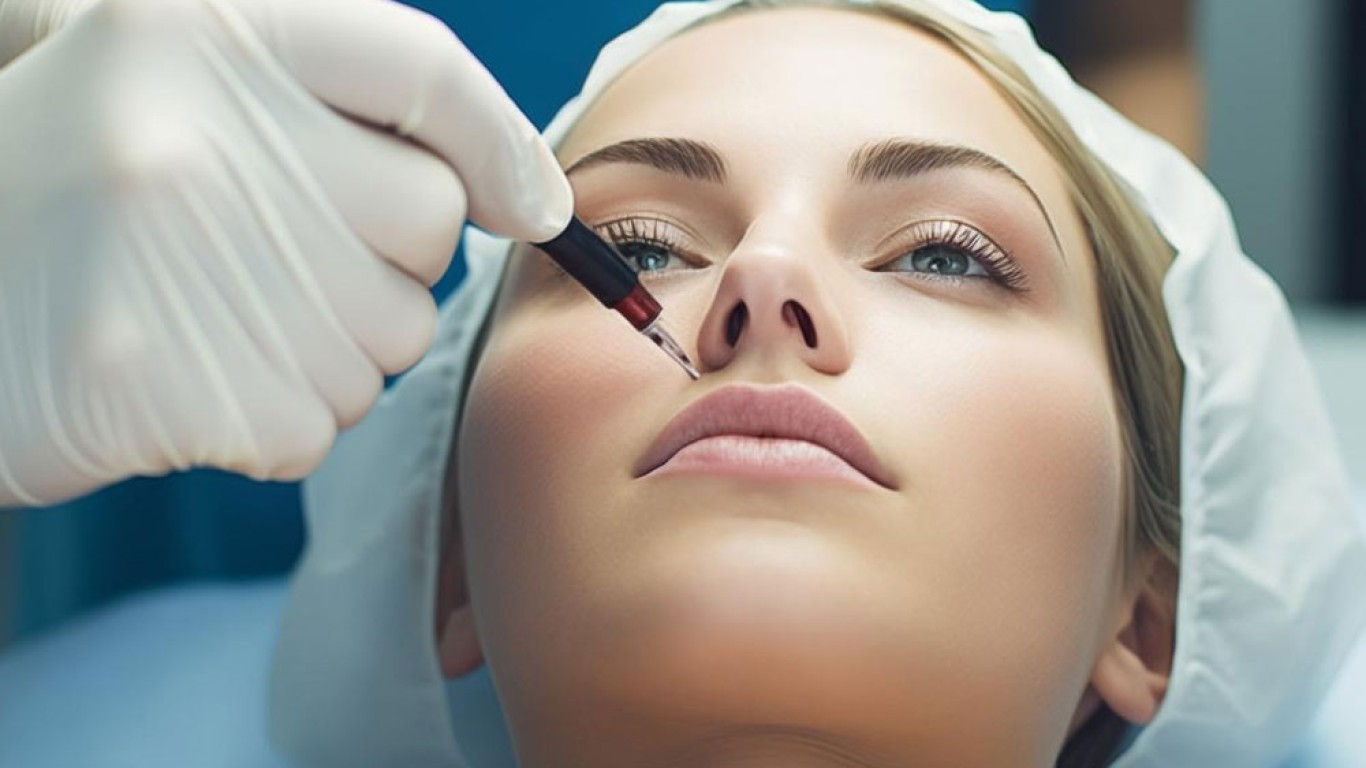
The PRP therapy treatment process is straightforward and well tolerated. A blood sample of approximately twenty to sixty millilitres is taken from the arm. The sample is placed in a specialised centrifuge for processing. The centrifuge separates the blood into its components over ten to fifteen minutes. Platelet-rich fraction is carefully extracted. Topical anaesthetic is applied to the treatment area for comfort. The concentrated plasma is then injected or applied according to the treatment plan. The entire process typically takes sixty to ninety minutes. Most patients experience minimal discomfort. Mild redness and swelling at injection sites is common. These effects typically resolve within twenty-four to forty-eight hours.
How Many PRP Therapy Sessions Are Needed?
Most patients require multiple PRP therapy sessions for optimal results. For hair restoration, three to four sessions spaced four to six weeks apart is standard. Maintenance sessions every six to twelve months sustain the benefits. For skin rejuvenation, three sessions spaced four to six weeks apart typically produce good results. Scar treatment may require four to six sessions. The number of sessions depends on individual response and the severity of the concern. Some patients notice improvement after the first session. More significant results develop cumulatively across the treatment course. The practitioner advises on the recommended treatment schedule during consultation. Commitment to the full course supports the best possible outcomes from PRP.
Results from PRP Therapy
Results from PRP therapy develop gradually as regenerative processes complete. Hair restoration patients may notice reduced hair shedding within a few weeks. New hair growth typically becomes visible within three to six months. Hair thickness and density improve progressively. Skin rejuvenation results develop over two to three months as new collagen forms. Skin appears healthier, firmer and more radiant. Fine lines soften. Texture improves. Scar improvement also develops gradually. Results continue to refine for several months after completing the treatment course. The gradual nature produces natural-looking improvement. Most patients describe their results as a healthier version of themselves rather than an obvious cosmetic change.
Who Is Suited For The Procedure?
PRP therapy suits a wide range of patients. Those experiencing early to moderate hair thinning often achieve excellent results. Patients seeking skin rejuvenation without synthetic products benefit from the biological approach. Good general health is important because the quality of the patient’s own blood affects treatment effectiveness. Certain blood disorders or active infections may exclude some patients. Pregnancy is a contraindication. Patients on blood thinning medications should discuss suitability with their practitioner. Realistic expectations about gradual improvement matter. PRP works best as part of an ongoing maintenance plan rather than a one-time treatment. Professional consultation evaluates individual suitability and creates a personalised treatment plan.
Safety and Side Effects
PRP therapy is widely regarded as a gentle, well-tolerated treatment. Because it uses the patient’s own platelets, it works in harmony with natural processes. Most patients experience mild, short-lived effects such as slight redness or sensitivity at the treatment site. These settle quickly and require minimal aftercare. The simplicity of the procedure and absence of synthetic substances make PRP appealing for natural regeneration. When performed by a qualified practitioner, the treatment is comfortable and reassuring for patients.
Combining PRP Therapy with Other Treatments
PRP combines well with several treatments. For hair restoration, it enhances graft survival when paired with transplant surgery. For skin, combining it with microneedling helps deliver growth factors deeper into tissue. Hyaluronic acid adds hydration, while laser treatments can be improved with PRP application. Polynucleotide treatments also complement its regenerative effects. The practitioner tailors combination plans to individual needs. Some treatments are done together, others separately. PRP acts as an effective booster, helping achieve more comprehensive results than single treatments alone.
Conclusion
PRP therapy offers a natural approach to hair restoration and skin improvement. It uses concentrated platelets to support healing and regeneration. Patients benefit from improved hair growth, collagen production, skin texture and tone. Scar appearance can also improve through collagen remodelling. A series of sessions delivers the best results, with maintenance supporting long-term benefits. Its gradual, natural-looking improvements make it a popular choice. Professional consultation ensures personalised treatment planning for effective and balanced results.
For more information on how PRP therapy supports hair restoration and skin health visit the ACIBADEM Beauty Center Skin Treatments page.
Frequently Asked Questions
A treatment using concentrated platelets from the patient’s own blood to stimulate healing.
Most patients need three to four sessions spaced four to six weeks apart.
Topical anaesthetic ensures the treatment is comfortable for most patients.
Hair growth appears within three to six months; skin results within two to three months.
Yes, the treatment uses the patient’s own blood, minimising risk of adverse reactions.