Ataşehir Mah. Feza Sk. No:3 İstanbul / Türkiye
 English
  German
  Spanish
Introduction
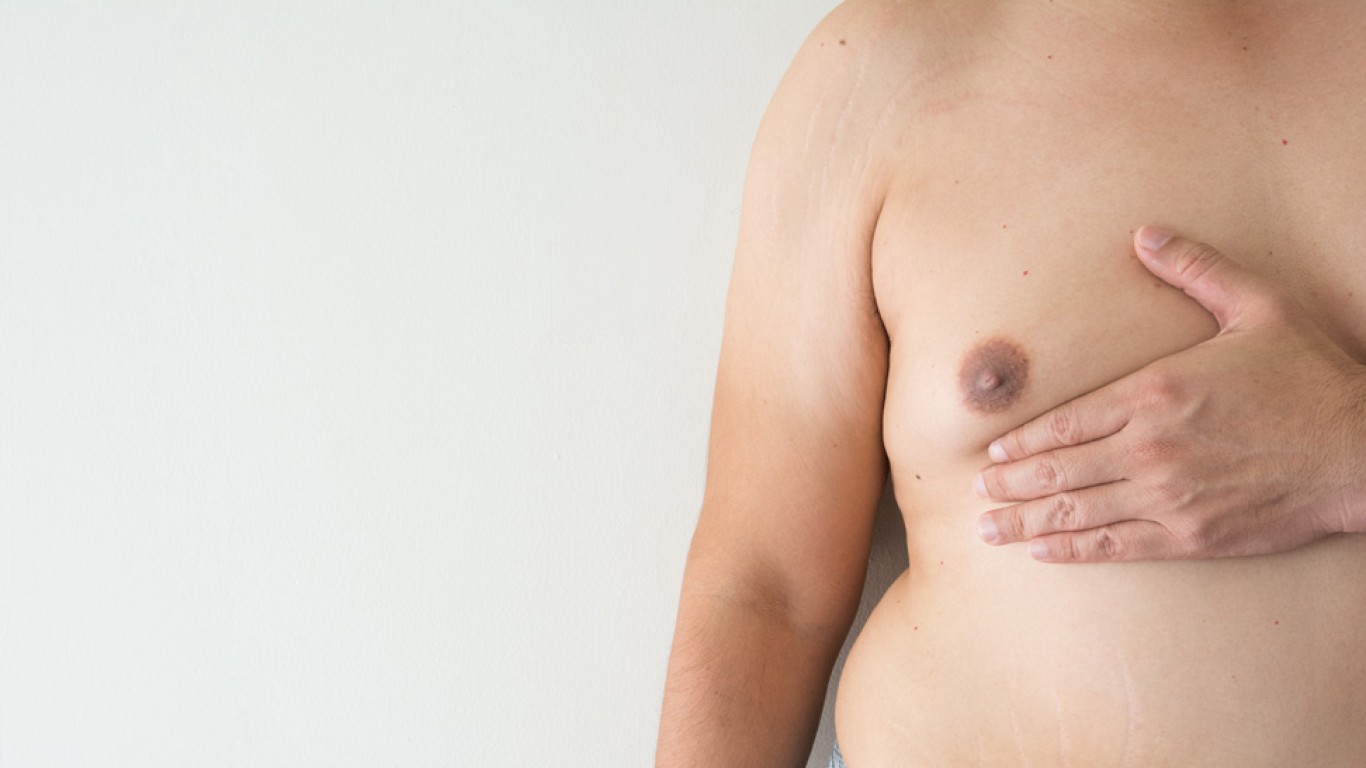
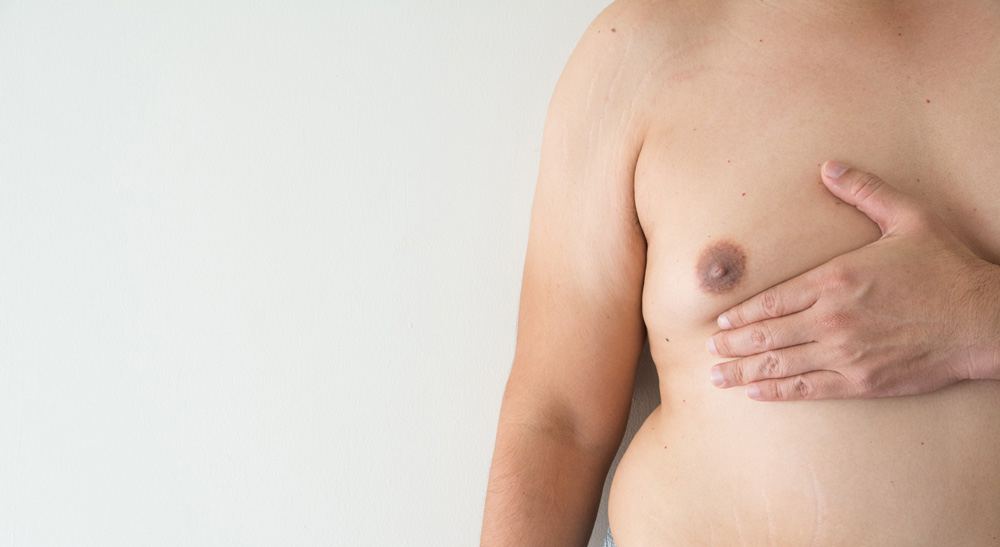
Gynecomastia is the enlargement of breast tissue in males. It affects a significant proportion of men at some stage during their lives. Gyno surgery removes excess glandular tissue and fat to create a flatter, more masculine chest. Understanding what recovery involves helps patients prepare for the post-operative period with confidence. The recovery process follows a structured timeline with clear milestones. This article provides a detailed guide to gyno surgery recovery. It covers what to expect, activity restrictions and advice for achieving the best result.
What Does Gyno Surgery Involve?
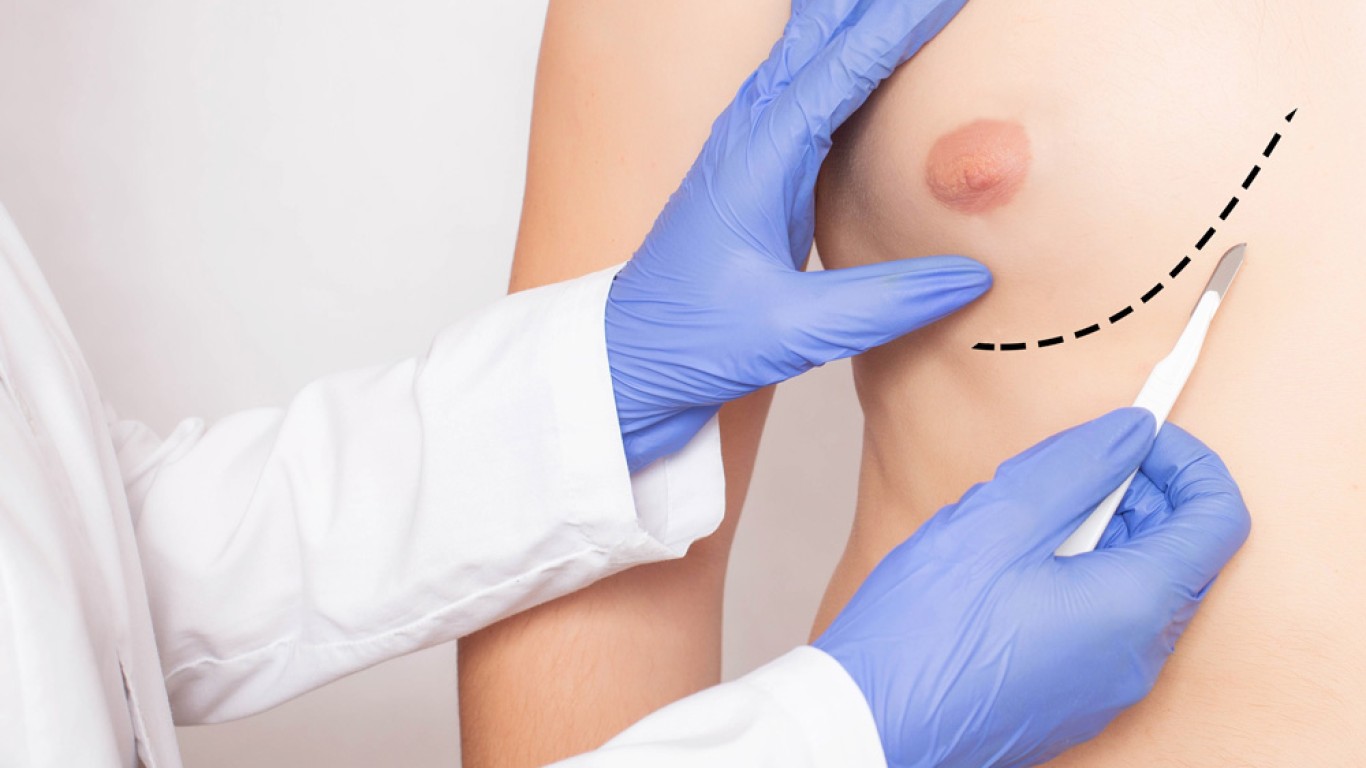
Gyno surgery addresses the excess tissue that creates a fuller chest appearance in males. The procedure may involve liposuction to remove fatty tissue. Excision of glandular breast tissue is performed when firm tissue is present beneath the nipple. Many cases require a combination of both liposuction and excision. The procedure is performed under general anaesthesia and typically takes one to two hours. Small incisions are placed around the areola or in the armpit depending on the technique. Gyno surgery is usually performed as a day case. Most patients go home the same day wearing a compression vest. The compression garment supports the chest and controls swelling during the critical early healing period.
Gyno Surgery Recovery: The First Week
The first week of gyno surgery recovery requires rest and careful management. Swelling and bruising across the chest are expected. Pain is managed with prescribed medication during the first few days. Most patients describe discomfort as moderate rather than severe. The compression vest must be worn continuously during this period. It supports the treated area and reduces fluid accumulation. Sleeping on the back in a slightly elevated position is recommended. Gyno surgery recovery during week one involves avoiding all strenuous activity. Lifting anything heavier than a few kilograms should be avoided completely. Light walking around the home is encouraged from day one to support circulation. Most patients feel significantly more comfortable by day five. Showering is usually permitted after forty-eight hours with care taken around the incision sites.
Gyno Surgery Recovery: Weeks Two to Four
Swelling begins to decrease during weeks two to four. Bruising fades progressively across this period. Pain reduces significantly. Most patients transition to over-the-counter pain relief by week two. Recovery during this phase allows gradual return to daily activities. Most patients return to desk work within five to seven days of the procedure. Driving may resume after one to two weeks depending on comfort and medication status. The compression vest continues to be worn for four to six weeks in total. Light social activities are comfortable for most patients by week two. The chest may feel firm or lumpy during this phase. This firmness represents normal healing tissue that softens over the following weeks and months. Patience is important because the early post-operative appearance does not reflect the final result.
Gyno Surgery Recovery: Returning to Exercise
Returning to exercise follows a staged approach during recovery. Light cardio such as walking and stationary cycling may resume from week 3-4 with approval. Lower body exercises can typically resume around the same time. Upper body and chest-specific exercises must wait until six to eight weeks after surgery. Bench press, push-ups and chest flies place direct stress on the treated area. Recovery requires caution with chest exercises because premature strain can cause swelling, discomfort or fluid. Swimming should wait until all incisions have fully healed, typically at four to six weeks. Contact sports require clearance at six to eight weeks. Gradual progression is essential. Patients should increase intensity slowly and stop any exercise that causes chest pain or swelling.
Gyno Surgery Recovery: Compression Garment
The compression vest plays an important role in gyno surgery recovery outcomes. It applies consistent pressure across the treated chest area. This pressure reduces swelling, controls fluid accumulation and supports the skin. Most surgeons recommend wearing the compression vest continuously for the first two to three weeks. After this period, many patients transition to daytime-only wear for a further 2-3 weeks. Recovery results are demonstrably better when compression is worn consistently as directed. The vest should be firm but not uncomfortably tight. It should be washed regularly to maintain hygiene. Some patients find wearing a snug-fitting athletic top underneath the vest improves comfort.
Compliance with compression garment instructions is one of the most controllable factors affecting final quality. Proper garment fit also helps patients feel more comfortable during daily activities. Consistent use supports a smoother and more predictable recovery process. Patients should keep a second garment available when washing the first. This helps maintain continuous compression throughout the recovery period.
Scarring and Healing
Scarring after gyno surgery is typically minimal due to the small incision size and placement. Incisions around the areola heal within the natural colour transition between the areola and skin. They become very difficult to see once fully healed. Liposuction incisions are small and placed in discreet locations. Recovery scars appear pink or red during the first few months. Colour fades gradually over six to twelve months. Silicone-based scar products applied once the wounds have fully closed help improve scar appearance. Sun protection prevents permanent darkening of healing scars. Gentle scar massage from approximately three weeks onwards supports softening. Most patients report that their scars are virtually undetectable by twelve months. Following scar care guidance consistently throughout the healing period produces the most discreet long-term results. Good nutrition and hydration also support healthy wound healing and tissue repair.
Gyno Surgery Recovery Timeline Overview
A summary of key recovery milestones helps patients plan their gyno surgery recovery effectively.
| Recovery Milestone | Typical Timeline |
| Return to desk work | Five to seven days |
| Driving | One to two weeks |
| Light exercise | Three to four weeks |
| Full gym and chest exercises | Six to eight weeks |
| Compression vest removal | Four to six weeks |
| Final results visible | Three to six months |
Individual recovery timelines vary depending on the extent of tissue removed and the technique used. Patients who had liposuction and glandular excision may experience longer recovery than those with liposuction. Following the surgeon's specific guidance ensures the safest and most effective healing progression. Recovery may progress faster in younger patients with good overall health. Regular follow-up appointments help confirm that healing remains on track.
Gyno Surgery Recovery: What Results to Expect
Results from gyno surgery become progressively more defined as recovery advances. Early improvement is visible once the compression vest is removed. The chest appears flatter and more contoured even while swelling is still present. Recovery results continue improving for three to six months as swelling resolves completely. The final chest contour is typically visible by month six. Results are permanent when glandular tissue has been removed. Glandular tissue does not grow back after excision. Fat removed through liposuction does not return to the treated area when body weight remains stable. Significant weight gain after surgery can increase fat deposits across the chest. Maintaining a healthy weight and active lifestyle supports long-term result preservation.
Most patients report significant improvement in confidence, clothing fit and comfort after full recovery. Many also find exercise and physical activities more comfortable after healing. Improvements often become increasingly noticeable as swelling resolves each month. Photographs can help patients appreciate gradual changes over time.
Conclusion
Gyno surgery recovery follows a structured timeline from rest through to full exercise resumption. The first week requires rest and compression garment compliance. Desk work resumes within five to seven days. Light exercise returns at three to four weeks. Full chest training resumes at six to eight weeks. Final results are visible at three to six months. Compression garment wear supports the best contouring outcome. Scarring is minimal and fades to become virtually undetectable. Results are permanent when glandular tissue is excised. Professional consultation ensures personalised surgical planning and realistic recovery expectations. Turkey offers surgery at competitive pricing with experienced chest contouring surgeons. Careful adherence to aftercare guidance helps maximise comfort and long-term satisfaction with the final result. Most patients consider the recovery process worthwhile given the lasting benefits. Careful planning and realistic expectations contribute to a positive overall experience.
For more on Gyno and to book a consultation visit the ACIBADEM Beauty Center Aesthetics page.
Frequently Asked Questions
Most patients return to desk work within a week. Full exercise resumes at six to eight weeks.
Chest-specific exercises should wait until six to eight weeks after surgery.
Typically four to six weeks. Continuous wear for the first two to three weeks, then daytime only.
Yes, removed glandular tissue does not grow back. Stable weight supports long-term results.
Scars are minimal and placed around the areola. They become virtually undetectable by twelve months.