Ataşehir Mah. Feza Sk. No:3 İstanbul / Türkiye
 French
  English
  German
  Spanish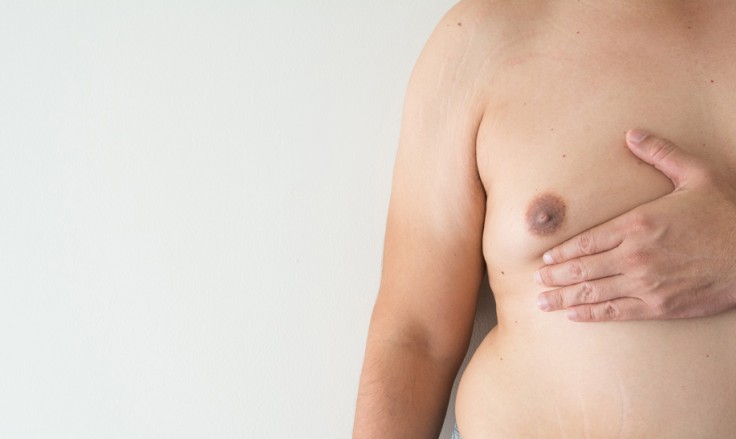
Introduction
Gynecomastia is a common condition that causes enlarged breast tissue in males. The condition affects a significant proportion of men at some point in their lives. Many men find the condition causes embarrassment and self-consciousness. Male breast reduction surgery offers an effective solution for those who have not responded to other approaches. The procedure creates a flatter, more masculine chest contour. Understanding how male breast reduction works helps patients evaluate whether surgery suits their goals. This article explains the causes of gynecomastia, the surgical procedure, recovery timeline and what realistic results patients can expect from male breast reduction surgery.
What Causes Gynecomastia?
Gynecomastia results from an imbalance between oestrogen and testosterone. Several factors can trigger this imbalance.
- Hormonal changes during puberty commonly cause temporary breast enlargement. This resolves naturally in most teenage boys.
- Hormone shifts in middle age represent another common trigger.
- Certain medications including some antidepressants, anti-androgens and steroids can cause gynecomastia.
- Recreational drug use contributes in some cases.
- Underlying health conditions including thyroid disorders and liver disease may play a role.
- Obesity can cause pseudo-gynecomastia where excess fat mimics breast tissue enlargement.
Male breast reduction is typically considered when the underlying cause has been addressed but enlargement persists.
What Is Male Breast Reduction Surgery?
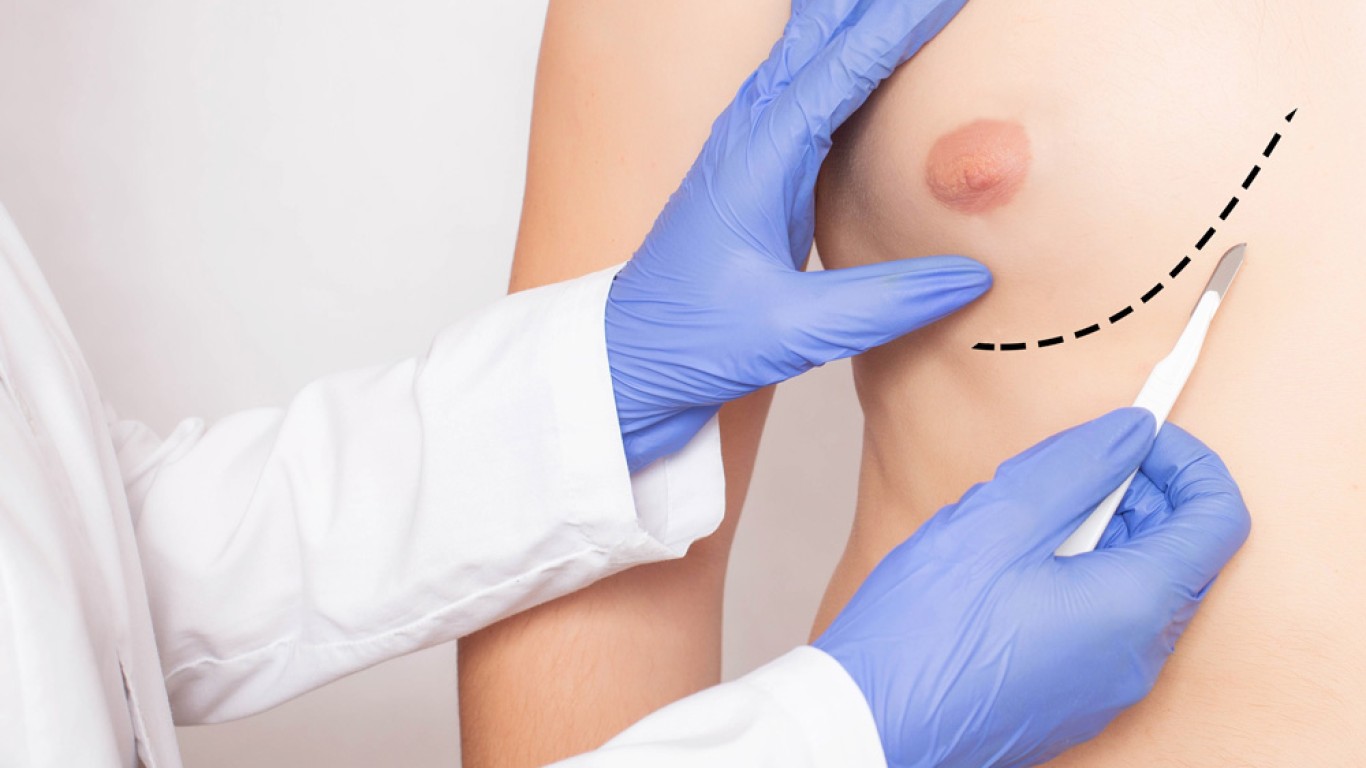
Male breast reduction surgery removes excess breast tissue and fat to create a flatter chest. The procedure is also known as reduction mammaplasty for gynecomastia. The surgical technique depends on the type and extent of enlargement. Liposuction alone suits cases where excess fat is the primary issue. Excision techniques remove excess glandular breast tissue. Many patients benefit from a combination of both approaches. Male breast reduction can also address excess skin in severe cases. The procedure typically takes one to two hours under general anaesthesia. Most patients return home the same day. The surgery produces dramatic improvement in chest contour and patient confidence.
How Male Breast Reduction Is Performed
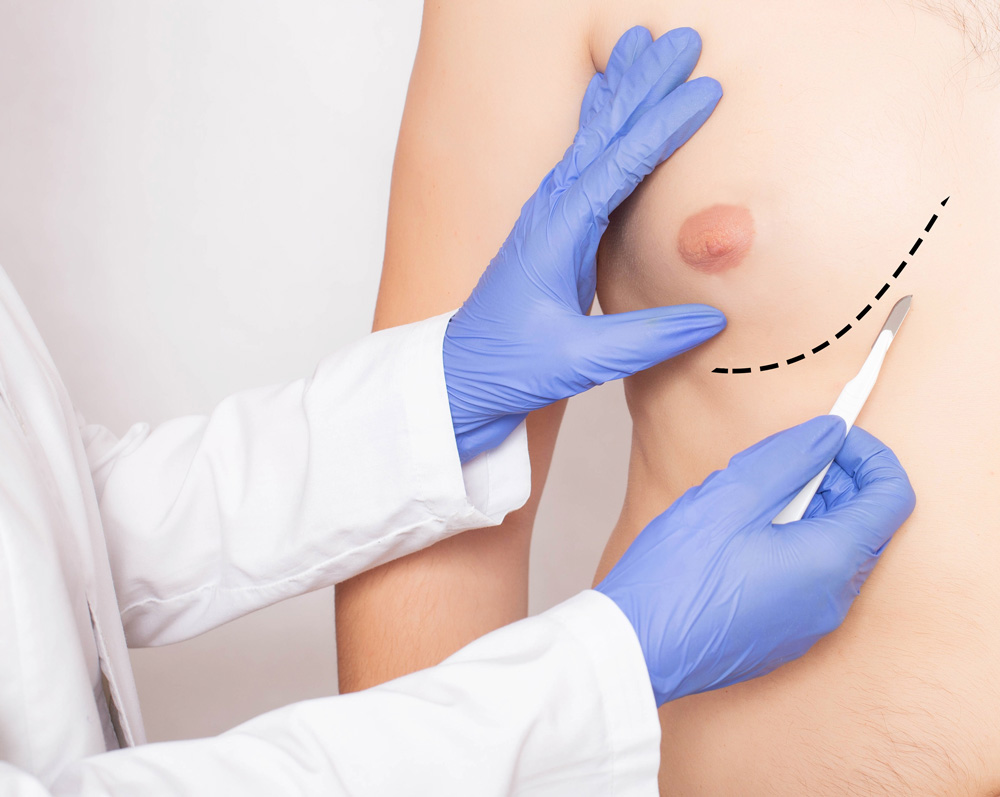
The specific male breast reduction technique depends on individual presentation. For fat-predominant gynecomastia, liposuction is performed through small incisions. The surgeon uses a thin cannula to remove excess fat from the chest area. For glandular gynecomastia, direct excision of breast tissue is needed. The surgeon makes an incision around the areola. Excess glandular tissue is removed through this incision. Combined cases use both liposuction and excision. Severe gynecomastia with significant skin excess may require additional skin removal. The surgeon contours the remaining tissue to create a natural masculine chest shape. Breast reduction techniques have been refined significantly to produce natural-looking results.
Who Is Suited to Male Breast Reduction?
Male breast reduction suits men with gynecomastia that has not resolved through other approaches. Candidates should be in good general health. Non-smokers heal better and experience fewer complications. Body weight should be stable because significant weight changes can affect results. Underlying medical causes of gynecomastia should be investigated and addressed before surgery. Patients who have tried diet and exercise without improvement in chest enlargement are appropriate candidates. Teenage patients should generally wait until development is complete unless the condition is severe. Realistic expectations about outcomes support satisfaction with breast reduction results. A consultation evaluates individual suitability thoroughly.
Recovery After Male Breast Reduction
Recovery from male breast reduction follows a predictable timeline. A compression garment is worn for four to six weeks to support healing and skin contraction. Mild pain and swelling are common during the first week. Pain medication manages discomfort effectively. Most patients return to office work within one to two weeks. Light exercise can resume after two to three weeks. Chest exercises and heavy lifting should wait four to six weeks. Swelling continues to decrease over several months. Final results from breast reduction typically develop over three to six months. Scars gradually fade over twelve to eighteen months. Following aftercare instructions carefully supports the best outcome.
Results from Male Breast Reduction
Results from male breast reduction are typically dramatic and lasting. The chest appears flatter and more masculine immediately after surgery despite initial swelling. As swelling resolves over the following months, the final contour becomes increasingly defined. Most patients describe significant improvement in confidence and quality of life. Clothing fits better and social situations become more comfortable. Swimming and removing shirts in public become less stressful. Results are permanent when body weight remains stable and underlying hormonal causes have been addressed. Breast reduction consistently ranks among the most satisfying cosmetic procedures for male patients due to the significant psychological and physical improvement it provides.
Scarring After Male Breast Reduction
Scarring varies depending on the technique used for male breast reduction. Liposuction alone leaves tiny scars of a few millimetres that become virtually invisible. Periareolar excision creates a scar around the edge of the areola. This scar follows the natural colour boundary and becomes discreet over time. More extensive excision techniques may create additional scars. These fade significantly over twelve to eighteen months. Scar care including silicone products and sun protection supports the best cosmetic outcome. Most patients consider the scars a worthwhile trade for the dramatic improvement in chest contour. Over time the scars become very discreet in most patients who follow scar care recommendations.
Average Cost of Male Breast Reduction
The cost of male breast reduction varies by location and technique. UK pricing typically ranges from £4,000 - £7,000. The cost depends on whether liposuction alone or combined excision is needed. Turkey offers significant savings with this procedure available from £2,000 - £3,500. All-inclusive packages simplify budgeting for international patients. The NHS occasionally funds the procedure when symptoms meet specific clinical criteria. This typically requires documented physical symptoms and psychological impact. Private treatment offers faster access and choice of surgeon. Comparing costs between providers should also consider surgeon experience, hospital accreditation and included aftercare services.
Psychological Impact of Gynecomastia
The psychological impact of gynecomastia is significant and well documented. Many men experience embarrassment, social withdrawal and reduced self-esteem. Avoiding activities such as swimming and exercising in public is common. Some men avoid intimate relationships due to self-consciousness about their chest. Breast reduction often produces profound psychological benefits alongside physical improvement. Studies consistently show high satisfaction rates. Patients describe improved confidence, willingness to participate in social activities and better body image. The psychological benefit of this procedure frequently exceeds the physical change in terms of its impact on quality of life. This makes the procedure particularly rewarding for both patients and surgeons.
Choosing the Right Surgeon
Choosing the right surgeon is essential for successful male breast reduction. The surgeon should be board certified in plastic surgery. Specific experience with gynecomastia procedures matters significantly. Before and after photographs of previous patients demonstrate the surgeon's work. Patient reviews provide insight into the overall experience. The consultation should feel thorough and unhurried. The surgeon should explain the technique, recovery and realistic expectations clearly. Hospital accreditation ensures appropriate facilities. Male breast reduction requires understanding of male chest aesthetics which differs from female breast surgery. A surgeon specialising in male body contouring produces the most natural-looking results.
Conclusion
Male breast reduction surgery provides an effective and lasting solution for gynecomastia. The procedure removes excess breast tissue and fat to create a flatter, more masculine chest contour. Recovery is manageable with most patients returning to work within one to two weeks. Results are typically permanent when body weight remains stable and underlying causes have been addressed. The psychological benefits often exceed the physical improvement. Male breast reduction consistently achieves high patient satisfaction due to the dramatic impact on confidence and quality of life. Professional consultation ensures personalised planning for each patient. Choosing an experienced surgeon supports the safest and most satisfying outcomes from this transformative procedure.
Are you considering male breast reduction surgery? Visit the ACIBADEM Beauty Center website.
Frequently Asked Questions
Surgery that removes excess breast tissue and fat to create a flatter masculine chest.
Most patients return to work within one to two weeks.
Yes, when weight remains stable and underlying causes are addressed.
Scars are typically discreet and fade significantly over twelve to eighteen months.
UK pricing ranges from four to seven thousand pounds; Turkey offers significant savings.