Ataşehir Mah. Feza Sk. No:3 İstanbul / Türkiye
 French
  English
  German
  Spanish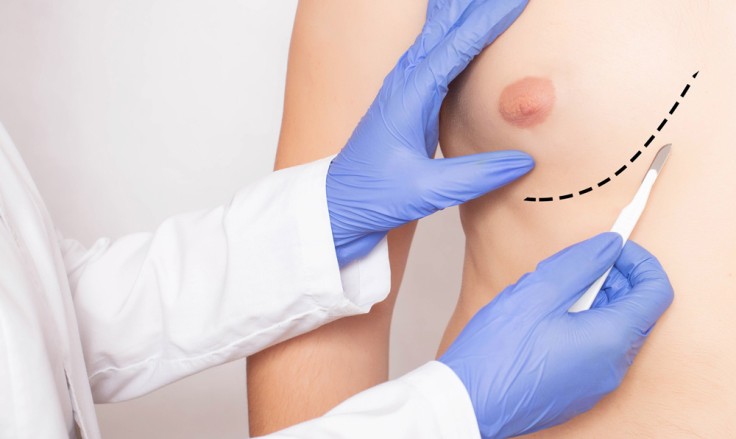
Introduction
Male chest shape concerns are more common than many people realise. Excess breast tissue can affect appearance regardless of fitness level and can persist despite exercise or weight management. As awareness increases, more men are seeking lasting solutions. Male breast reduction surgery offers a targeted approach to reshaping the chest. This article explains who is typically well suited to male breast reduction surgery and why.
Understanding Male Breast Enlargement
Male breast enlargement usually results from excess glandular tissue, fatty tissue, or both. Hormonal changes during puberty can contribute to development. In some cases, enlargement remains into adulthood. Body weight does not always determine severity. The condition can affect one or both sides and symmetry varies between individuals. Assessment focuses on tissue type and distribution. Understanding the underlying cause helps guide treatment. This forms the foundation of candidacy evaluation.
What Male Breast Reduction Surgery Involves
Male breast reduction surgery focuses on removing excess chest tissue and ultimately depends on tissue composition. Some patients require removal of glandular tissue while others benefit from targeted fat removal. The goal is a flatter, more masculine chest contour. The procedure is tailored to each patient. Incision placement is planned carefully. Precision supports natural-looking results. Personalised planning is essential.
How Surgical Technique Is Chosen for Male Breast Reduction
The surgical approach is determined by the type and amount of chest tissue present. Some men have predominantly fatty tissue, while others have firm glandular tissue. Many cases involve a combination of both. Identifying this balance is essential before surgery begins. When fatty tissue is dominant, contour-focused removal may be sufficient. Glandular tissue, however, requires direct excision through a small incision. Surgeons often combine methods to achieve a smooth chest profile. Technique selection is therefore highly individual. Careful planning ensures natural-looking chest definition.
Physical Characteristics of a Good Candidate
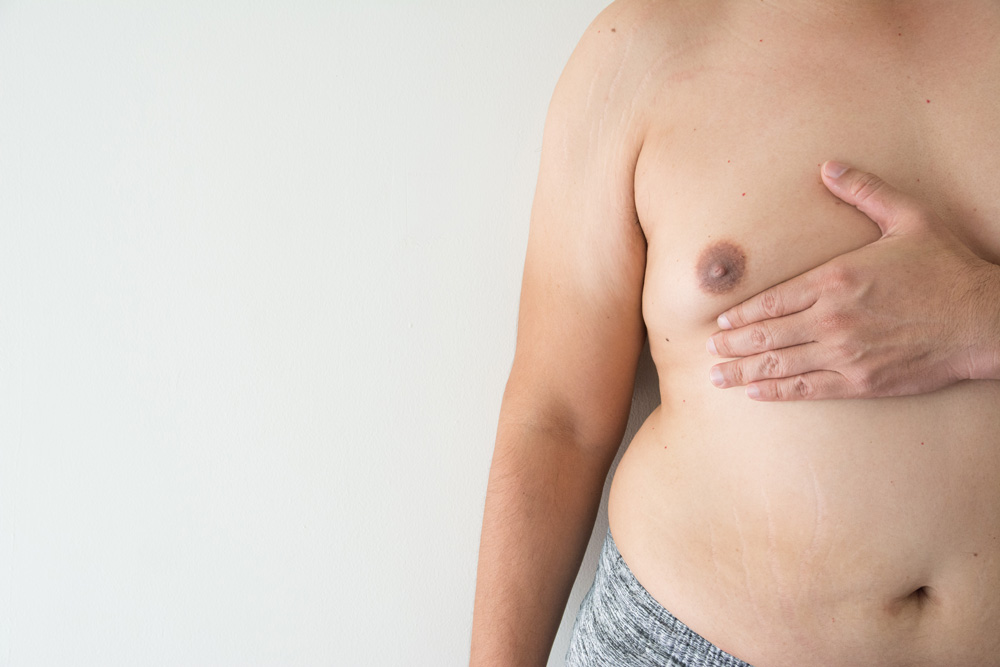
Good candidates often have stable body weight. Excess breast tissue remains despite exercise and the chest may appear rounded or puffy. Skin elasticity is also considered. Men with good skin tone often see smoother contour changes. Mild to moderate enlargement responds well to surgery but severe cases can also be addressed with careful planning. Physical assessment guides suitability because individual anatomy matters greatly.
Suitability for Symmetry Correction
Chest asymmetry is common and in many cases one side may be more prominent. Surgery can address this imbalance effectively. Planning considers each side independently. Candidates with noticeable asymmetry often benefit significantly and precise correction supports balanced appearance. Symmetry planning requires experience and an individualised approach to secure optimal results.
Lifestyle and Health Considerations Before Male Breast Reduction Surgery
Lifestyle factors influence candidacy. Candidates are usually non-smokers or willing to pause smoking. Stable routines support consistent outcomes and regular physical activity is beneficial. Overall health should be good. Medical history is reviewed carefully, which ensures appropriate planning. Commitment to any post-treatment guidance is important as full readiness supports smoother recovery.
Male Breast Reduction Surgery: When Exercise Alone Is Not Enough
Many men attempt exercise to reduce chest fullness. While fitness can improve overall shape, chest tissue may persist, which can be frustrating. Persistent enlargement often indicates glandular involvement. Male breast reduction surgery addresses tissue that exercise cannot remove - recognising this limitation helps manage expectations. Surgery becomes a logical next step. Understanding when exercise plateaus supports informed choice because persistence alone doesn’t guarantee change.
Incision Placement and Scar Planning
Incision placement is a critical part of male breast reduction surgery. Surgeons aim to keep incisions discreet and well concealed. Common locations include the edge of the areola or natural chest creases - this helps scars blend with surrounding anatomy. The size of the incision depends on tissue density. Glandular removal requires enough access for precise excision. Planning will seek to balance visibility with effectiveness. Surgeons consider both chest shape and skin quality. Thoughtful scar planning supports long-term satisfaction.
Role of Liposuction in Male Breast Reduction Surgery
Liposuction plays an important role in many male breast reduction procedures because it allows controlled removal of excess fat. This helps refine chest contours and smooth transitions. Liposuction also supports symmetry correction. The technique is particularly useful along the chest edges - it helps blend treated areas with surrounding tissue. Surgeons use liposuction conservatively to avoid overcorrection and precision is key to maintaining masculine definition. Liposuction complements direct tissue removal effectively.
Managing Skin Redundancy During Surgery
Skin behaviour is carefully assessed before surgery. In many cases, skin retracts naturally after tissue removal and good elasticity supports smooth adaptation. Younger patients often experience better skin retraction post-surgery. When excess skin is present, planning adjusts accordingly. Surgeons anticipate how the skin will settle over time and the ultimate goal is a flat, firm chest appearance. Managing skin redundancy is part of achieving balance and a full assessment guides realistic expectations.
Creating a Masculine Chest Contour
Male chest aesthetics differ significantly from female breast shaping - surgeons focus on flatness and definition. The chest should appear firm without excessive fullness. Contour lines are shaped to reflect natural muscle structure. Attention is given to the lower chest and lateral edges. Over-removal is avoided to prevent hollowing. Subtle shaping creates a natural result. Masculine contouring requires experience and restraint, and surgical precision defines success.
Surgical Duration and Intraoperative Precision
The duration of surgery varies depending on complexity. Combined techniques may take longer than single-method approaches. Surgeons work methodically to ensure symmetry and small adjustments are often made during the procedure. Intraoperative assessment helps refine outcomes. Surgeons evaluate contour from multiple angles and this real-time feedback supports accuracy. Precision during surgery reduces the need for later correction. Careful execution underpins reliable results.
Emotional Readiness For Male Breast Reduction Surgery
Emotional readiness plays an important role. Candidates should have realistic expectations - the procedure improves chest contour but does not change body identity. Understanding possible outcomes supports long-term satisfaction. Men considering male breast reduction surgery often seek long-term improvement. Confidence grows when expectations align with results so clear communication during consultation is vital. Emotional preparedness complements physical suitability.
Age and Timing Factors
There is no strict age limit for male breast reduction surgery. Many candidates are adults with stable chest development and, ideally, puberty-related changes should be complete before surgery. Older patients can also be suitable candidates, though timing often depends on personal readiness. Skin quality and tissue composition are assessed individually. Consultation helps determine the right moment and age alone does not necessarily exclude suitability.
Distinguishing Fat from Glandular Tissue
Not all chest fullness is the same, fatty tissue responds differently than glandular tissue. Examination helps identify tissue type. Imaging may further support assessment. This distinction influences the surgical technique chosen. Glandular tissue requires direct removal while fatty tissue may be addressed differently. Understanding tissue type supports decisions around who is a good candidate.
Discretion and Privacy Considerations for Patients
Many men value discretion when exploring chest contouring options. Consultations are typically private and confidential, which helps patients feel comfortable discussing concerns openly. Privacy often plays a role in decision making. Some patients prefer subtle outcomes that are not immediately noticeable. Clothing choices can conceal early changes easily. The ability to maintain privacy supports confidence. Discretion is an important but often overlooked consideration and feeling at ease encourages timely action.
Importance of Specialist Consultation
Consultation is essential for determining whether or not you’re a good candidate. Surgeons assess anatomy, health and goals. Open discussion clarifies expectations while a visual examination guides your surgeon’s recommendations. Specialists explain available techniques clearly to help build trust and understanding. Informed planning supports patient confidence and guidance from experts helps lead to the best possible outcome.
Long-Term Benefits for Suitable Candidates
Suitable candidates often experience lasting chest contour improvement and results should remain stable with careful weight maintenance. Eventually, clothing fit improves noticeably and physical comfort increases. Confidence then grows in turn.
Conclusion
Male breast reduction surgery is suited to men with persistent chest enlargement and focuses on restoring masculine chest contour. Good candidates have stable weight, realistic expectations and appropriate tissue composition. Understanding in advance whether you’re a good candidate helps support confident decision making.
Are you considering male breast reduction surgery and want to speak to an expert? Visit the ACIBADEM Beauty Center website.
Frequently Asked Questions
Men with persistent chest tissue despite exercise are often suitable.
Age alone does not exclude suitability.
Yes, asymmetry can be addressed with careful planning.
Yes, techniques are tailored to individual anatomy.
Yes, consultations and care are handled confidentially.