Ataşehir Mah. Feza Sk. No:3 İstanbul / Türkiye
 English
Introduction
Sleep after cosmetic surgery is one of the most common patient concerns during recovery. Every procedure has specific positioning requirements. The correct sleeping position protects the surgical result, reduces swelling and improves comfort. Sleep after cosmetic surgery in the wrong position can displace implants, increase bruising and prolong swelling. Understanding the requirements before surgery helps patients prepare their environment and manage the adjustment confidently. This article covers sleep after cosmetic surgery for every major procedure type.
Why Sleep After Cosmetic Surgery Position Matters
Sleep after cosmetic surgery in the correct position serves three critical purposes. Swelling control is the first. Elevation allows fluid to drain away from the surgical site. Facial procedures benefit most from elevation. Sleep after cosmetic surgery with the head raised reduces under-eye puffiness, cheek swelling and nasal congestion. Result protection is the second purpose. Sleep after cosmetic surgery in a position that avoids pressure on the treated area prevents displacement of implants, compression of transferred fat or tension on incisions. BBL patients cannot sleep on their back because buttock pressure kills fat cells. Breast patients cannot sleep on their side because it compresses the healing implant pocket. Comfort is the third purpose. Sleep post cosmetic surgery lying on a fresh incision produces pain. Pressure on swollen tissue causes throbbing. The correct position avoids these discomforts and supports better sleep quality.
Sleep After Cosmetic Surgery: Position Guide
| Procedure Type | Position | Duration |
| Facial (rhinoplasty, facelift) | Back, elevated 30–45° | Two to three weeks |
| Breast (augmentation, lift) | Back, slight elevation | Four to six weeks |
| Abdomen (tummy tuck) | Back, flexed at waist (reclined) | Two to four weeks |
| BBL | Stomach or side only | Six to eight weeks |
| Liposuction | Based on treated area; compression garment on | One to two weeks |
Sleep after cosmetic surgery requirements differ by procedure. The table above provides the standard positions. Some patients undergo combined procedures. In these cases, the most restrictive position governs. A mommy makeover combining tummy tuck and breast surgery requires the reclined position that satisfies both abdominal and breast requirements. Sleep post cosmetic surgery position restrictions are temporary for every procedure.
Sleep After Cosmetic Surgery: Facial Procedures
Facial surgery requires elevated back sleeping. Sleep post cosmetic surgery for rhinoplasty keeps the nose upright and free from pillow contact. Side sleeping presses the healing nose into the pillow. The nasal bones and cartilage could shift during the critical healing period. Sleep after cosmetic surgery for facelift elevates the head to reduce facial swelling and protects the incisions around the ears from asymmetric pressure. Sleep after cosmetic surgery for blepharoplasty reduces periorbital swelling through elevation. The eyelids are delicate during early healing. Sleep post cosmetic surgery facial elevation at thirty to forty-five degrees is maintained for two to three weeks. Two to three standard pillows or a wedge pillow create the correct angle. A recliner chair provides the ideal sleeping surface during the first week. Most patients transition to flat back sleeping by week three and return to side sleeping at week three to four.

Sleep After Cosmetic Surgery: Breast and Body Procedures
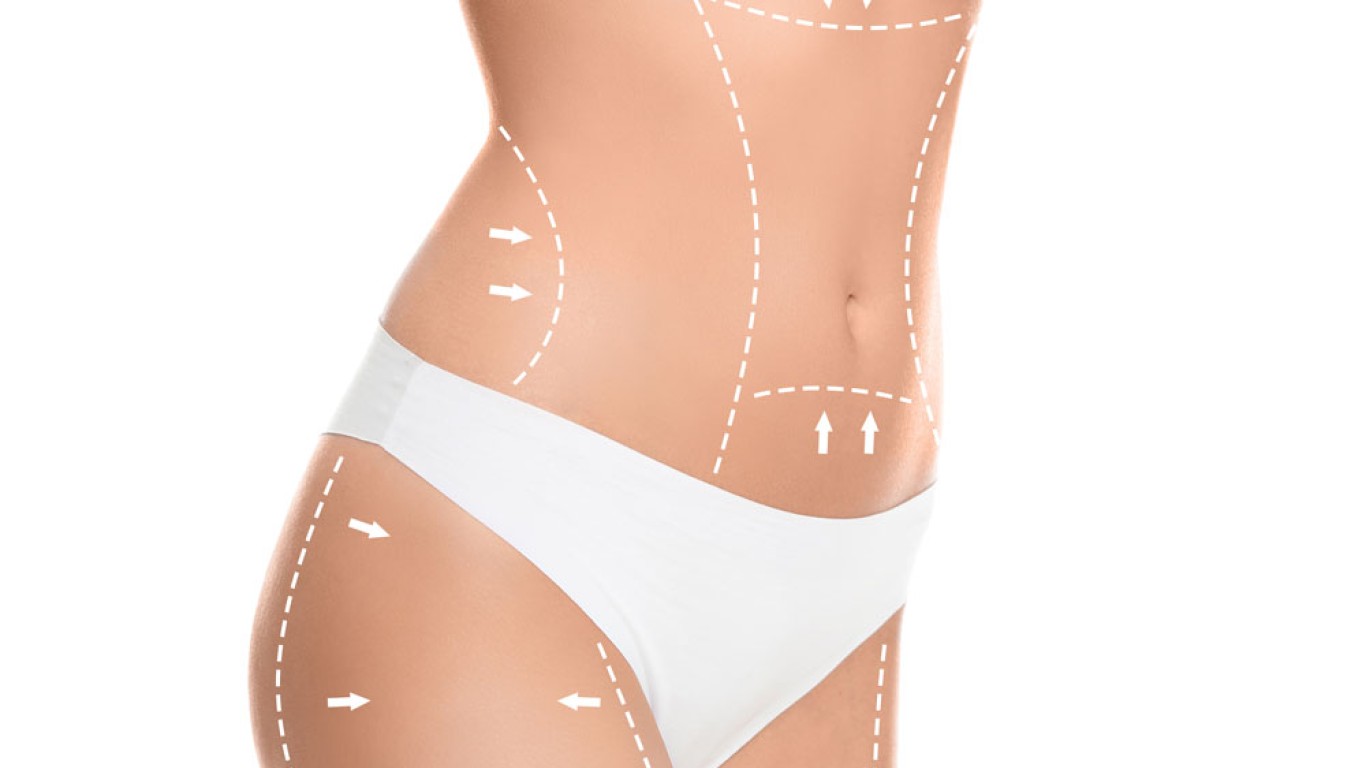
Breast and body procedures have distinct requirements. Sleep post cosmetic surgery for breast augmentation requires flat back sleeping for four to six weeks. The implants settle symmetrically when both breasts are uncompressed. Side sleeping at four to six weeks. Stomach sleeping at six to eight weeks. Sleep post cosmetic surgery for tummy tuck requires a flexed, reclined position. The abdominal closure is under less tension when the body is slightly bent at the waist. A recliner provides this position naturally. Wedge pillows with a knee pillow replicate it in bed. Sleep after cosmetic surgery for tummy tuck flat sleeping resumes at week two to three. Side sleeping from week three to four.
Sleep after cosmetic surgery for BBL is the most restrictive. Stomach or side sleeping only for six to eight weeks. No back contact. The transferred fat must be protected from all sustained buttock pressure. BBL sleep restrictions are the most challenging of any cosmetic procedure. Sleep after cosmetic surgery for liposuction is the least restrictive. Avoid lying on the most tender treatment zones. The compression garment provides support in all positions. Most restrictions lift within one to two weeks.
Preparing the Sleep Environment
Preparation before surgery makes the adjustment manageable. Sleep post cosmetic surgery benefits from having everything arranged in advance. Purchase a wedge pillow or arrange a recliner before the procedure. Test the position beforehand to identify the most comfortable setup. Sleep after cosmetic surgery extra pillows serve multiple purposes. Side pillows prevent rolling. A pillow between the knees reduces lower back strain. A body pillow provides full-length support for side sleepers adjusting to back sleeping. Sleep post cosmetic surgery medication timing supports rest. Take pain medication thirty minutes before bedtime. The medication takes effect as the patient settles. Consistent timing improves sleep quality throughout recovery. Sleep post cosmetic surgery bedroom environment matters. Keep the room cool. Medication and recovery can cause night sweats. A nightlight supports safe bathroom navigation. A water bottle by the bed prevents unnecessary movement to the kitchen.
Sleep After Cosmetic Surgery: Common Challenges
Several challenges affect post-surgical sleep. Patients who normally sleep on their side or stomach may find back sleeping difficult. The unfamiliar position can cause discomfort, particularly during the first few nights. However, adjustment times vary between patients and procedures. Pain, anxiety and changes in routine can also interrupt sleep post cosmetic surgery. Short sleep intervals may occur during early recovery. Daytime naps can help patients rest when nighttime sleep remains disrupted. However, prolonged daytime sleeping may make falling asleep at night more difficult. Patients should follow their surgeon's guidance about suitable sleeping positions. Accidental rolling during sleep post cosmetic surgery concerns many patients. Supportive pillows may help maintain the recommended position. However, pillows cannot guarantee that patients will remain completely still overnight.
Patients should contact their surgical team if accidental pressure causes pain or concerning changes. Sleep quality generally improves as discomfort and swelling decrease. However, some patients experience disturbed sleep beyond the first week. Persistent insomnia or poorly controlled pain should be discussed with the treating clinician. Recovery is individual, so patients should avoid comparing their progress with fixed timelines.
Conclusion
Sleep after cosmetic surgery requires positioning tailored to the procedure and individual recovery. Facial procedures may require elevated back sleeping. Breast surgery patients may also need to avoid pressure on treated areas. Tummy tuck patients may initially benefit from a flexed position. BBL patients require specific instructions to protect transferred fat during recovery. Restrictions vary according to surgical technique and healing progress. Preparation with suitable pillows and prescribed pain relief can support more comfortable rest. Patients should avoid changing sleeping positions simply because swelling or discomfort has improved. Normal sleeping arrangements should resume when the surgical team confirms they are appropriate.
For more information about cosmetic surgery and to book a consultation visit the ACIBADEM Beauty Center Aesthetics page.
Frequently Asked Questions
Position depends on the procedure. Back sleeping for most. Stomach or side for BBL. Elevated for facial.
One to eight weeks depending on the procedure. BBL is the longest.
Highly recommended for tummy tuck. Helpful for breast and facial procedures. Pillows are an alternative.
Brief accidental contact is rarely harmful. Reposition onto your back when you notice.
Yes. All restrictions are temporary. Most patients sleep in all positions by week six to eight.