Ataşehir Mah. Feza Sk. No:3 İstanbul / Türkiye
 French
  English
  German
  Spanish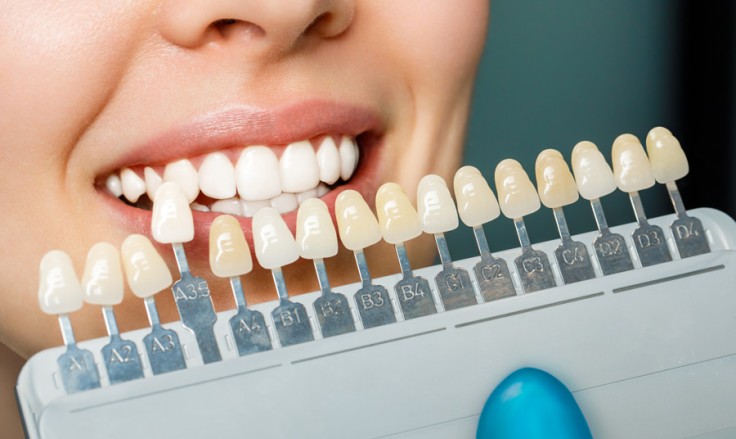
Introduction
Understanding the difference between veneers vs crowns helps individuals choose the most suitable restoration. Although both options enhance appearance, they support teeth in different ways. Veneers refine the visible surface, while crowns cover the entire structure. Because each option serves a distinct purpose, assessment and digital planning help determine which one fits best. This guide explains how both treatments work. How they differ, and when each option is most effective.
What Veneers Are Designed to Do
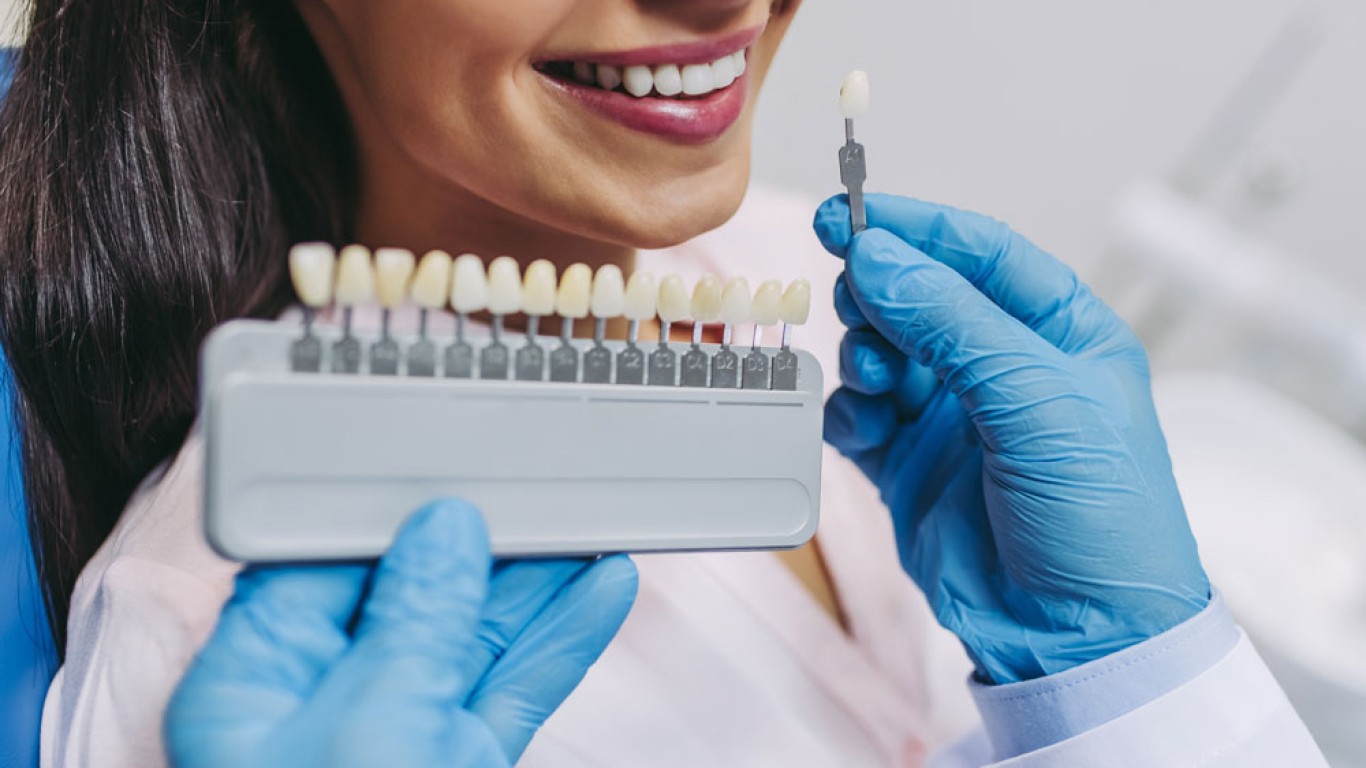
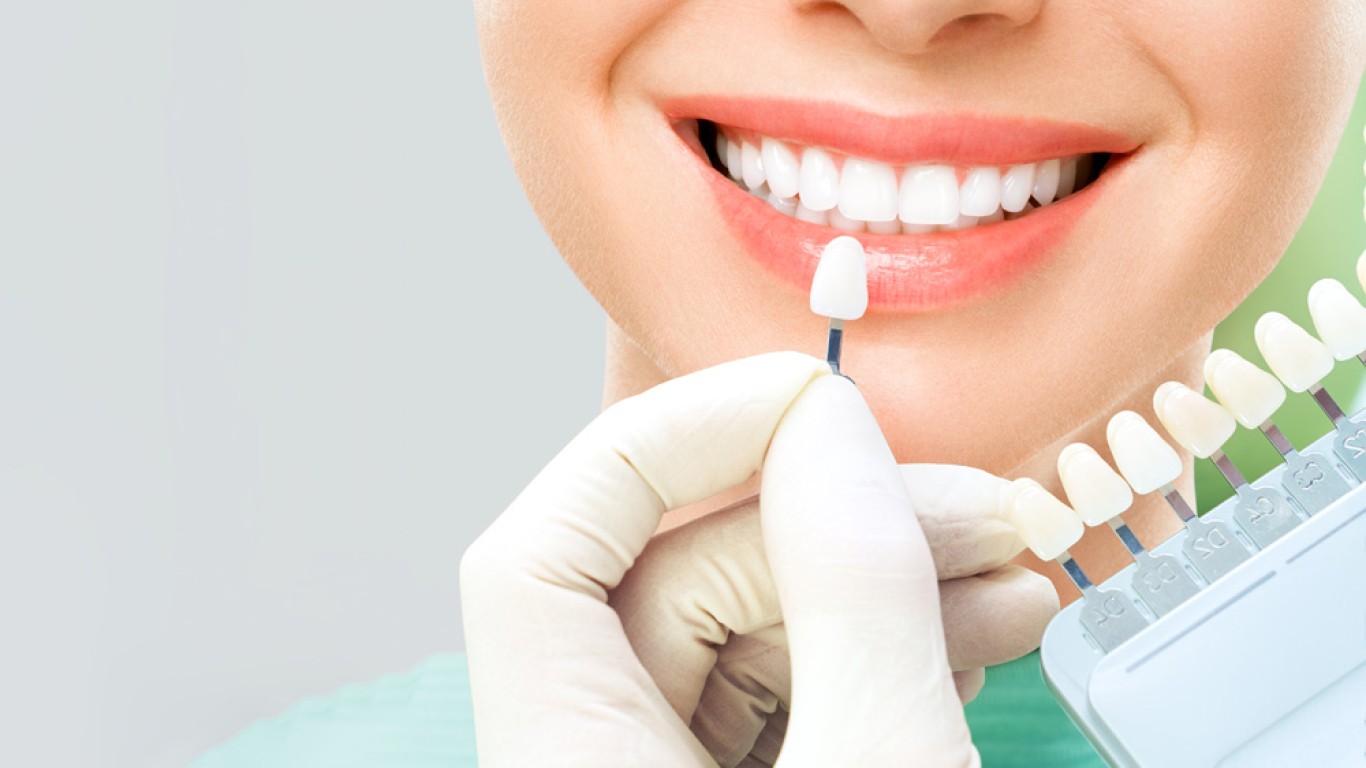
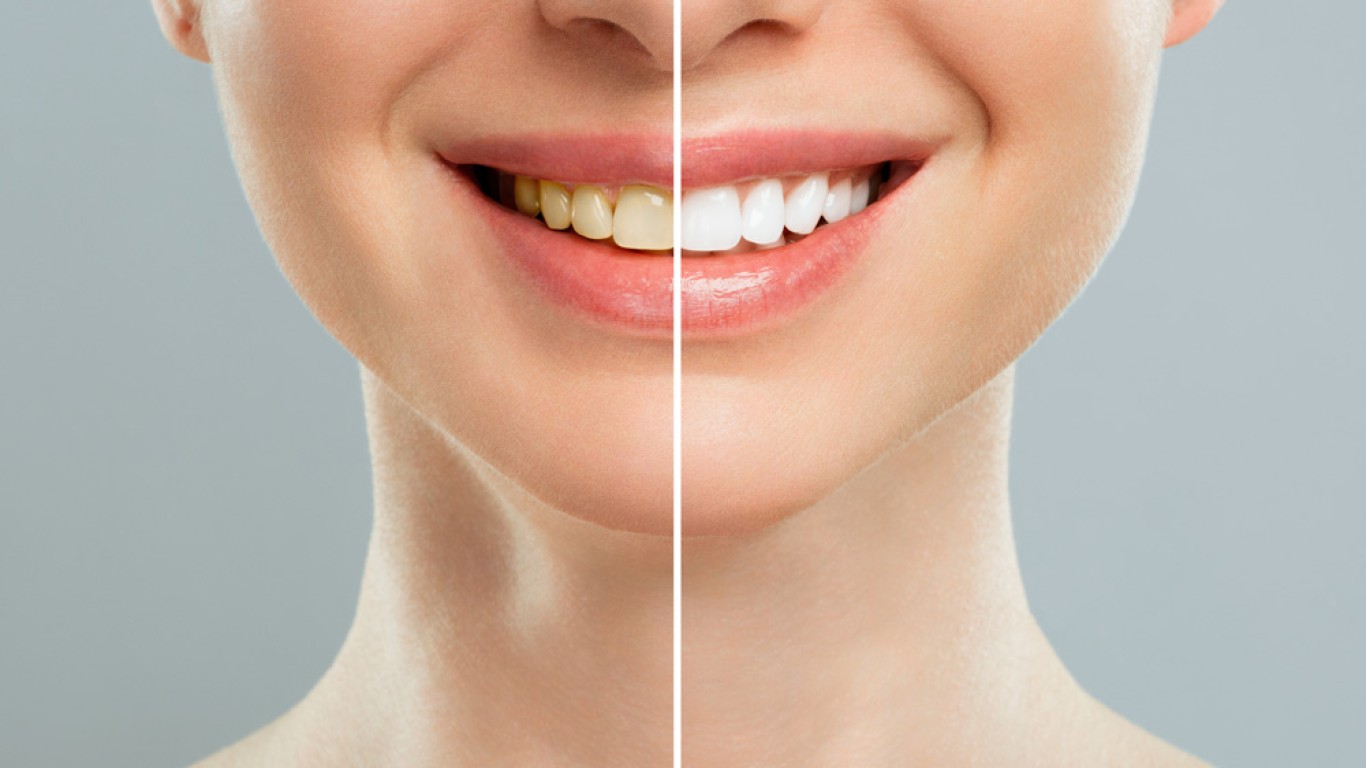
Veneers are thin coverings placed over the front surface of the teeth. They refine colour, shape, and minor spacing. Additionally, veneers improve symmetry across the smile. They rely on strong natural tooth structure beneath. Because they are slim and precise, veneers support those wanting cosmetic enhancement with minimal alteration.
What Crowns Are Designed to Do
Crowns cover the entire tooth structure. They offer full-surface support for weakened or heavily restored teeth. Crowns refine shape and colour while also protecting underlying structure. Because they encase the tooth, they provide increased reinforcement. Crowns suit those needing structural restoration alongside cosmetic improvement.
Key Differences Between Veneers vs Crowns
The main difference lies in coverage. Veneers cover the front surface, while crowns surround the entire tooth. Veneers focus on cosmetic refinement. Crowns focus on structural support. Therefore the choice depends on the condition of each tooth. Additionally, material thickness differs because crowns require greater depth for full coverage.
How Veneers Are Prepared and Placed
Preparation involves shaping a thin layer of enamel on the front surface. Digital scans capture precise measurements. A dental laboratory designs the veneer using advanced modelling. Once completed, the veneer bonds to the tooth. The process supports natural appearance because the veneer blends with surrounding teeth. The thin design allows subtle shaping.
How Crowns Are Prepared and Placed
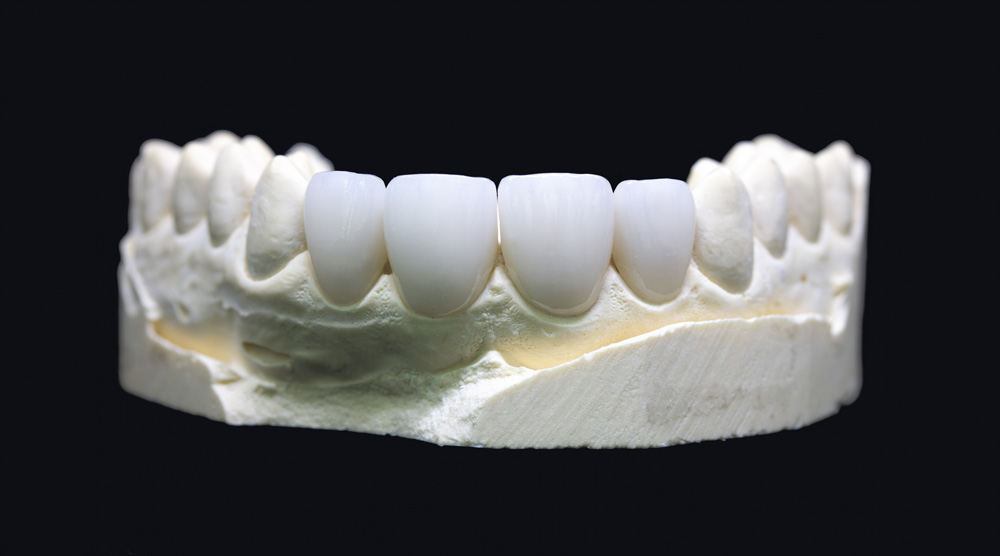
Crowns require shaping around the entire tooth. Digital scans help create a detailed 3D model. The laboratory designs the crown to match natural contours. Once placed, the crown encases the tooth for full protection. This design restores strength and functions like a natural tooth. Because crowns cover all sides, they support long-term stability.
Material Choices in Veneers vs Crowns
Both veneers and crowns can be made from porcelain, ceramic composites, or zirconia. Porcelain offers refined brightness. Ceramic composites provide balanced flexibility. Zirconia provides strong structure. Veneers often use porcelain or composite for thin design. Crowns often use layered porcelain for durability and natural appearance.
How Digital Technology Enhances Both Treatments
Digital scanners capture detailed images of each tooth. AI systems analyse symmetry, shade, and bite alignment. Modelling software previews final placement. These tools help create accurate restorations that fit comfortably. Because precision enhances longevity, digital planning supports both veneers and crowns.
Smile Design for Veneers vs Crowns
Smile design focuses on the relationship between teeth, lips, and facial features. Specialists analyse tooth length, brightness, and shape. For veneers, design focuses on visible surfaces. For crowns, design balances structure with aesthetic goals. Digital preview tools help individuals visualise potential results.
When Veneers Are Most Suitable
Veneers suit individuals with strong teeth who want cosmetic refinement. They also suit minor spacing, mild shape variation, or surface discolouration. Because veneers preserve more natural tooth structure, they suit those wanting less alteration. Specialists ensure tooth health and alignment before recommending veneers.
When Crowns Are Most Suitable
Crowns suit teeth with large restorations, fractures, or weakened structure. They also suit teeth requiring shape correction beyond the surface. Because crowns cover all sides, they reinforce stability. This makes them ideal when structural support is a priority.
Bite Considerations in Veneers vs Crowns
Bite patterns influence restoration choice. Veneers require stable bite alignment for long-term performance. Crowns support teeth needing deeper reinforcement in areas of higher bite pressure. Specialists examine functional movement to guide the decision.
How Long Veneers Usually Last
Veneers remain long-lasting with consistent care. Their lifespan depends on maintenance, alignment, and daily habits. Regular check-ups help monitor veneer edges and gum health. Digital monitoring supports natural appearance and continued comfort.
How Long Crowns Usually Last
Crowns often last many years due to their structure. Their durability depends on material choice, cleaning routines, and professional care. Because crowns protect the entire tooth, they offer stable long-term support.
Daily Maintenance for Veneers and Crowns
Both restorations require daily brushing and interdental cleaning. Regular check-ups help maintain gum comfort and structural balance. Veneers focus on surface refinement and crowns focus on full coverage. But both benefit from careful habits.
Lifestyle Factors That Influence Treatment Choice
Lifestyle affects the suitability of veneers vs crowns. Those seeking cosmetic change may choose veneers. Those needing protection for weakened teeth may prefer crowns. Speaking habits, bite movement, and long-term goals influence decision-making.
Aesthetic Results From Veneers vs Crowns
Both options create natural-looking results. Veneers offer delicate detailing for front teeth. Crowns offer complete shape control for full restoration. Shade selection and surface finishing help ensure harmonious and balanced appearance.
Conclusion
Comparing veneers vs crowns helps clarify which option suits each individual. Veneers refine the visible surface with minimal alteration. Crowns restore full structure with complete coverage. Digital planning, material selection, and detailed assessment guide specialists toward the most suitable treatment.
For more information and to book a consultation visit the ACIBADEM Beauty Center Dental Treatments webpage.
Frequently Asked Questions
Veneers cover the surface, while crowns cover the entire tooth.
Yes, they work best with stable tooth structure.
They suit weakened or heavily restored teeth.
Yes, digital design supports natural appearance.
No, daily cleaning and check-ups are enough.