Ataşehir Mah. Feza Sk. No:3 İstanbul / Türkiye
 French
  English
  German
  Spanish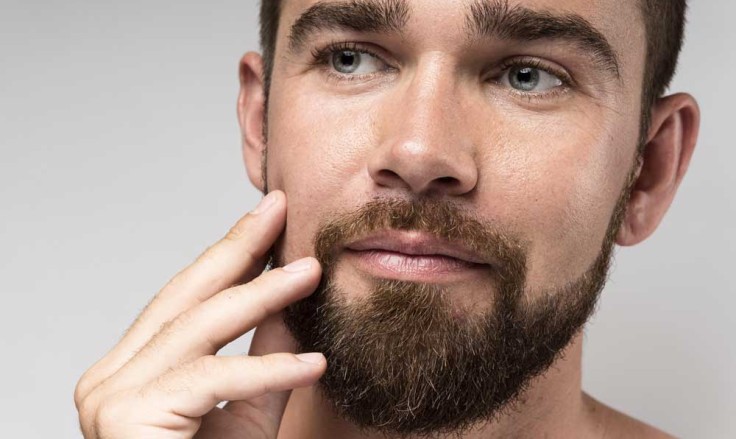
Introduction
Interest in beard transplant procedures continues to rise as many men seek fuller facial hair. This treatment helps create refined growth patterns that look natural and balanced. And because the procedure uses your own follicles, the results blend smoothly with existing hair. This guide explains how a beard transplant works, how clinics plan treatment, and what to expect throughout the process.
What Is a Beard Transplant Is Designed to Do?
A beard transplant enhances facial hair in areas where growth is thin or patchy. Specialists move follicles from dense scalp regions to the beard area. These follicles then follow natural beard patterns as they grow. The procedure helps create fuller coverage, defined edges, and uniform density. Because the method uses your own hair, the texture and colour match seamlessly.
How Beard Transplant Planning Begins
Planning starts with a detailed facial assessment. Specialists examine jawline shape, cheek layout and natural growth lines. They also assess donor density at the back of the scalp. Digital scans and AI tools help map the ideal distribution pattern. These planning steps ensure that the final beard design suits facial structure and natural contours.
Why Donor Hair Matters for a Beard Transplant
Donor hair must match beard texture closely. Specialists will evaluate thickness, curl pattern and growth direction. They also measure donor capacity to ensure enough follicles remain available for long-term needs. Because scalp hair behaves differently from beard hair, planning focuses on selecting the correct units for natural blending.
Extraction Methods Used in Beard Transplant Treatment
Most clinics use what’s called FUE extraction for beard work. This method removes individual follicle units from the donor area. It allows precise harvesting and careful graft handling. Additionally, FUE supports natural grouping by selecting the correct follicle types for the beard region. This helps prepare for detailed placement later.

Designing the Shape of the Beard
Beard design focuses on symmetry and proportions. Specialists plan cheek lines, jaw coverage and chin density. They also match the design to facial shape and natural musculature. Today, AI models even help predict how the beard will look from different angles. Because design influences overall balance, this stage requires careful attention.
Creating Channels for Beard Transplant Placement
Channel creation shapes the final beard pattern. Specialists create small entry points at specific angles - these are designed to mimic natural beard direction. Additionally, channel spacing influences density and texture. Consistency in channel design ensures smooth blending with existing growth.
Implanting Follicles for Natural Beard Growth
Follicles are placed carefully into the prepared channels. Specialists align each graft with natural beard direction. They vary angles and distances to create realistic texture. This detailed placement helps avoid uniform patterns that look artificial. Because beard hair has a unique direction, precision remains essential.
What to Expect After the Procedure?
After placement, follicles settle into the skin. Specialists provide simple care instructions. These steps include gentle washing routines, hydration and avoiding pressure on the area. Because initial shedding is normal, individuals continue to follow aftercare guidance while follicles enter new growth cycles.
Growth Stages After a Beard Transplant
You should rememebr that growth develops gradually. Early shedding often happens, followed by quiet phases. New growth becomes visible across several months. Density increases as follicles mature, and consistent routines support the overall process. Digital reviews help track progress and ensure growth follows predicted patterns.
How Long Does a Beard Transplant Last?
A beard transplant offers a long-lasting outcome. Once follicles establish themselves, they continue to grow naturally. Their lifespan follows normal hair patterns. Specialists provide guidance on long-term grooming to support balanced appearance. Consistent care ensures that beard shape stays refined.
What About Beard Transplant vs Temporary Options?
A beard transplant offers long-term growth. Temporary options like fibres or tinted products offer short coverage only. Grafting provides stable and consistent facial hair patterns. Because the results come from your own follicles, the beard maintains natural texture.
Why Turkey Leads in Beard Transplant Treatments
Turkey remains a leading destination for beard procedures, where clinics use advanced imaging tools and structured workflows. High case numbers support specialist experience. Additionally, digital planning helps ensure predictable results. Many individuals choose Turkey because of the country’s streamlined care and modern technology.
How AI Helps Support Beard Transplant Mapping
AI tools analyse symmetry and density across the face, as well as mapping ideal spacing patterns. AI highlights areas requiring additional volume and predicts long-term coverage. These insights help specialists design natural and balanced beard contours. Because AI enhances precision, it strengthens the overall planning stage.
Daily Grooming After a Beard Transplant
Daily grooming helps support long-term appearance. Light brushing helps control direction as new growth develops, while hydration supports comfort. Specialists often advise avoiding early trimming until growth stabilises. Balanced grooming habits help maintain consistent texture during the first year.
Beard Shape Options for Transplant Design
Several shapes suit different facial structures. Some choose defined jawline coverage while others prefer fuller cheek density. Goatee-focused patterns remain popular as well. Specialists tailor options based on style preference, hair thickness and growth potential. Because design depends on facial angles, planning stays personalised.
Lifestyle Factors That Influence Beard Transplant Results
Lifestyle habits influence growth development.
- Hydration supports follicle health.
- Balanced routines help maintain texture.
- Regular grooming encourages uniform direction.
- These factors help shape long-lasting results.
Conclusion
A beard transplant offers a structured and natural approach to facial hair restoration. Detailed planning, digital mapping and precise placement help create balanced and refined patterns. As grooming habits continue to support new growth, the beard develops stable texture and natural movement.
Thinking about getting a beard transplant and want to know more? Visit the ACIBADEM Beauty Center website.
Frequently Asked Questions
It enhances density and natural beard shape.
It usually comes from the back of the scalp.
Specialists map lines based on facial structure.
Growth develops gradually across several months.
Yes, follicles continue growing naturally.