Ataşehir Mah. Feza Sk. No:3 İstanbul / Türkiye
 French
  English
  German
  Spanish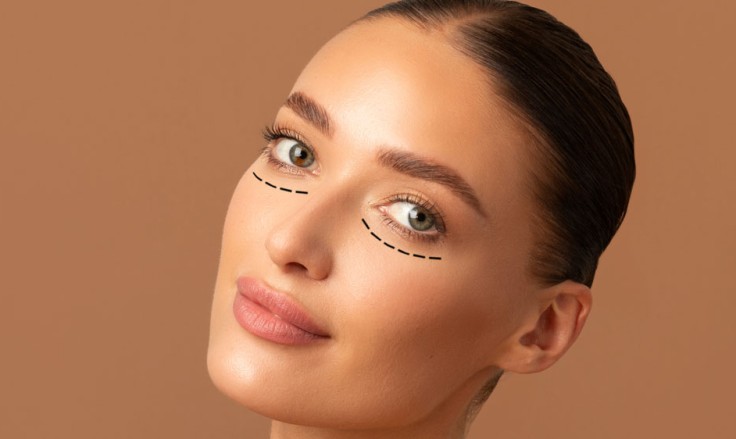
Introduction
The under eye area plays a crucial role in how rested, youthful, and healthy the face appears overall. Because this region is delicate, even small changes can noticeably affect facial balance. Over time, volume loss beneath the eyes can create shadows, hollows and a tired appearance. These changes often develop gradually due to ageing, genetics, and individual facial structure. As a result, many people seek treatments that restore smoothness while preserving natural expression. Two of the most commonly chosen options are fillers and under eye fat transfer. Although both aim to address volume loss, they differ significantly in approach, behaviour and longevity. Understanding these differences helps patients choose the most suitable option for long-term results.
Why Volume Loss Happens Under the Eyes
The skin beneath the eyes is thin and delicate, with very limited natural fat support. Consequently, this area is often the first to show signs of ageing. As collagen and elastin production slows, structural support weakens steadily. In addition, subtle bone changes in the midface can further accentuate hollowness over time. Some people also experience under eye volume loss earlier due to genetic factors. Furthermore, weight fluctuations may influence fat distribution in the face. Although lifestyle factors can contribute, under eye hollowing rarely has a single cause. Instead, it usually results from a combination of structural and biological changes. Therefore, treatments focus on restoring lost support carefully rather than masking the issue. Volume replacement remains the primary objective when addressing this concern.
What Under Eye Fillers Are Used For
Under eye fillers are injectable treatments designed to replace lost volume in hollow areas. They are placed strategically to smooth the transition between the lower eyelid and the cheek. As a result, shadows can soften and the under eye area may appear brighter. Results are usually visible shortly after treatment, which appeals to many patients. The approach is non-surgical and allows for gradual adjustments. However, fillers gradually break down within the body over time. Consequently, maintenance sessions are required to preserve results. Although this predictability suits some people, it also creates an ongoing treatment cycle. Shorter-term improvement therefore defines this option. Patients who value flexibility often appreciate this characteristic.
What Under Eye Fat Transfer Involves
Under eye fat transfer uses the patient’s own fat to restore volume beneath the eyes. Fat is usually taken from another area, such as the abdomen or thighs. Afterward, it is carefully processed to prepare it for reinjection. The fat is then placed beneath the eyes with precision to ensure smooth integration. This technique prioritises natural tissue compatibility. Importantly, under eye fat transfer focuses on long-term improvement rather than immediate change. Results develop gradually as swelling settles and the tissue stabilises. Because the fat is living tissue, it can integrate with surrounding structures. Consequently, longevity is often considered a major advantage. The technique requires experience and careful planning to achieve balanced outcomes.
How Fillers Improve the Under Eye Area
Fillers provide immediate structural support beneath the skin. As a result, hollows appear reduced and light reflection improves. The under eye area often looks smoother and more refreshed shortly after treatment. Fillers can be placed in small amounts, allowing subtle enhancement when required. Adjustments can also be made during follow-up visits. Over time, however, the body gradually absorbs the filler material. Therefore, repeat treatments are necessary to maintain results. This ongoing maintenance allows predictable control over appearance, which is reassuring for some patients. Others may prefer a solution that requires fewer future interventions.

How Under Eye Fat Transfer Improves the Area
Under eye fat transfer restores volume using the body’s own living tissue. Once the transferred fat establishes a blood supply, it behaves like natural padding. Consequently, the under eye contour can appear softer and more natural. Improvements continue as swelling resolves over several weeks, a process that often feels less abrupt. Under eye fat transfer typically produces subtle but durable results. The area appears smoother and more supported without looking overfilled. Changes tend to feel progressive rather than sudden. Over time, the transferred fat moves naturally with facial expressions. Long-term integration distinguishes this method from synthetic alternatives.
Longevity Differences Between the Two Options
Longevity represents one of the most significant differences between these treatments. Fillers generally last several months to around a year, depending on the product used. In contrast, under eye fat transfer can offer longer-lasting improvement. Once stabilised, some of the transferred fat may remain permanently. However, not all injected fat survives initially - skilled technique and careful placement significantly improve retention. Therefore, practitioner experience plays an important role in durability. For patients prioritising long-term results, fat transfer is often preferred. Long-term goals strongly influence this decision.
Texture and Natural Feel Over Time
The under eye area requires an especially soft and natural texture. Fillers are designed to mimic natural tissue as closely as possible, however they remain synthetic materials. Under eye fat transfer, by contrast, uses the body’s own fat cells. Over time, this can feel more natural beneath the skin and the area tends to move consistently with facial expressions. Because of this, many patients prioritise authenticity over immediacy. Texture therefore becomes a key consideration. In such a delicate region, subtle differences matter greatly.
Flexibility and Adjustability of Each Treatment
Fillers offer greater short-term flexibility compared to surgical options. Dosage can be adjusted during follow-up appointments if needed. This suits individuals who prefer gradual experimentation and changes can be refined incrementally based on preference. Under eye fat transfer is less adjustable once performed so planning must be accurate from the outset. This requires thorough consultation and detailed assessment. Patients who value reversibility may lean towards fillers initially. Commitment levels therefore differ between the two options.
Suitability for Different Under Eye Concerns
Not all under eye concerns present in the same way. Mild hollowness may respond well to fillers alone while more pronounced volume loss often suits under eye fat transfer better. Skin thickness and elasticity also influence treatment choice. In addition, fat transfer may subtly improve skin quality over time. Fillers mainly address volume deficits rather than tissue quality. Therefore, matching the treatment to anatomy is essential. Individual assessment guides appropriate recommendations.
Under Eye Fat Transfer vs Fillers: Timeline for Visible Results
Fillers typically deliver immediate visible improvement which appeals to people seeking quick enhancement. Under eye fat transfer, however, requires patience during healing as swelling gradually reduces as the tissue settles. Final results become clearer over several months. Some patients prefer instant change, while others value gradual transformation. Understanding the timeline helps manage expectations and time sensitivity plays an important role in treatment choice.
Under Eye Fat Transfer vs Fillers: Maintenance Over the Long Term
Maintenance requirements differ considerably between these options. Fillers require regular repeat treatments to maintain results - this creates an ongoing commitment over time. Some patients appreciate predictable top-ups. Under eye fat transfer may reduce the need for frequent maintenance. Once stabilised, results can persist for years. Consequently, some individuals prefer fewer future treatments. Lifestyle and personal preference strongly influence this decision.
Under Eye Fat Transfer vs Fillers: How Each Option Ages with the Face
Facial ageing continues regardless of treatment choice. Fillers remain static until they are absorbed while under eye fat transfer tends to age more naturally with the face. The transferred fat responds gradually to ongoing changes. This can support long-term facial harmony - many patients value this natural progression. Over time, fat transfer often blends more seamlessly. Long-term balance therefore becomes a key consideration.
Why Practitioner Experience Is Essential
The under eye area is complex and unforgiving. Even small placement errors can noticeably affect appearance. Both fillers and under eye fat transfer require advanced expertise and an understanding of facial anatomy in depth. Precision ensures smooth transitions and natural contours. In Turkey, leading healthcare groups emphasise specialist aesthetic training. As a result, many international patients choose Turkey for this expertise. Experience supports consistent, refined outcomes.
Choosing the Right Option for Long-Term Results
Choosing between fillers and under eye fat transfer depends largely on priorities. Those seeking flexibility may prefer fillers and those prioritising longevity often choose under eye fat transfer. Comfort with treatment type also matters. Both options can deliver natural-looking improvement when performed correctly. Consultation helps clarify expectations clearly and personal goals ultimately guide the decision. Long-term satisfaction depends on informed choice.
Conclusion
Under eye fat transfer and fillers both offer effective solutions for under eye hollowing. The key difference lies in longevity and overall treatment approach. Fillers provide immediate, adjustable results that require regular maintenance, while under eye fat transfer offers longer-lasting volume using natural tissue. Each option suits different goals, timelines, and preferences. Understanding these distinctions supports confident decision making.
For more help choosing between under eye fat transfer and fillers, visit the ACIBADEM Beauty Center website.
Frequently Asked Questions
Some transferred fat can remain long term after initial settling.
Both can look natural, although fat transfer often feels more natural over time.
Under eye fat transfer generally lasts longer than fillers.
Yes, some patients use fillers before committing to fat transfer.
Turkey offers experienced specialists and advanced care through Acibadem.