Ataşehir Mah. Feza Sk. No:3 İstanbul / Türkiye
 French
  English
  German
  Spanish
Introduction
Eyelid surgery has advanced considerably, offering patients more than one effective surgical approach. Because of this progress, many people now explore laser blepharoplasty vs traditional eyelid surgery while researching ways to refresh tired looking eyes. Both options aim to reduce heaviness, puffiness, and ageing changes around the eyelids. However, the methods differ in how tissue is handled and how healing unfolds. Understanding these distinctions helps patients move beyond marketing claims. This article explains laser blepharoplasty vs traditional eyelid surgery through a practical, long term lens.
The Core Purpose of Eyelid Surgery
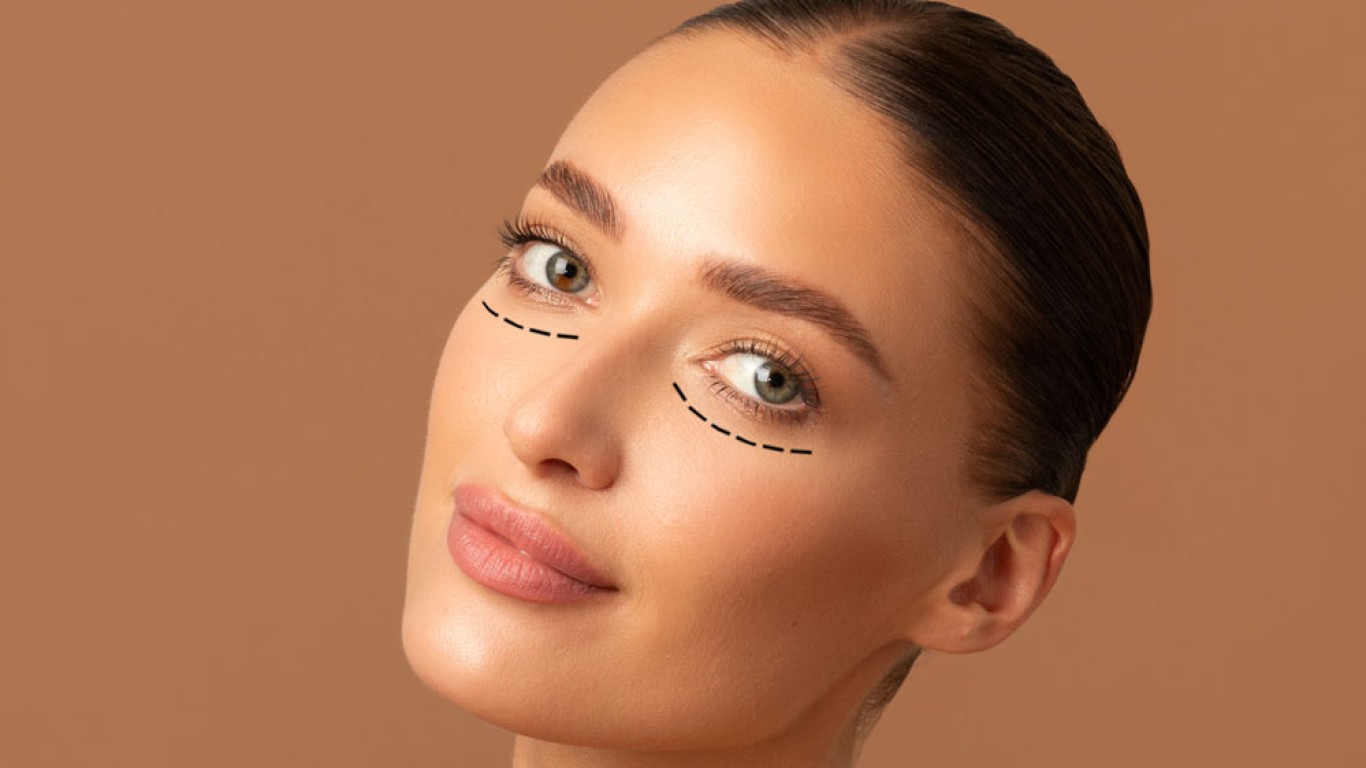
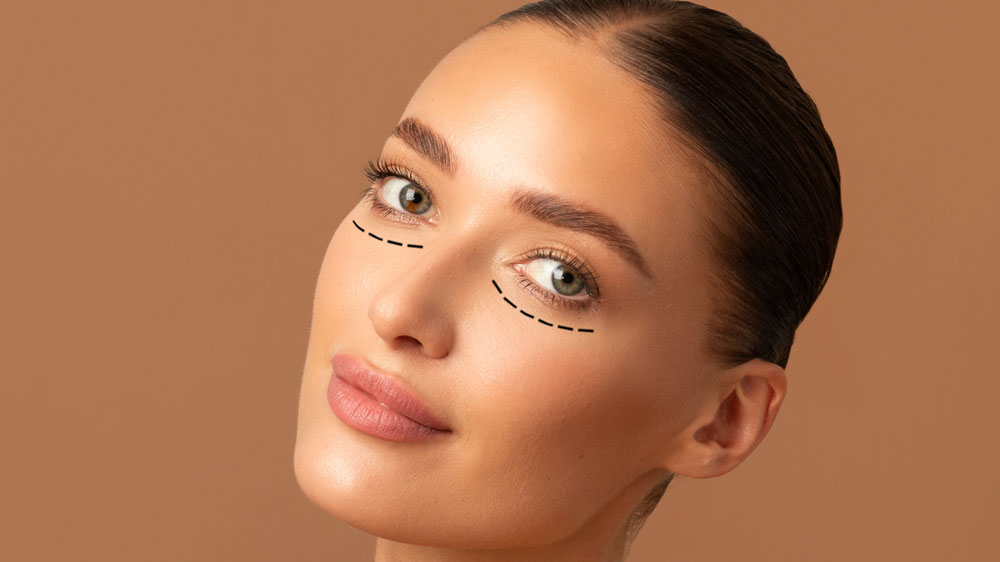
Regardless of technique, eyelid surgery focuses on restoring a rested and open appearance. Upper eyelid procedures often target loose skin that causes heaviness. Lower eyelid surgery usually addresses under eye bags or laxity. Neither approach is designed to dramatically alter eye shape. When comparing laser blepharoplasty vs traditional eyelid surgery, it is helpful to recognise that both share the same fundamental goal of subtle rejuvenation.
Traditional Eyelid Surgery Explained
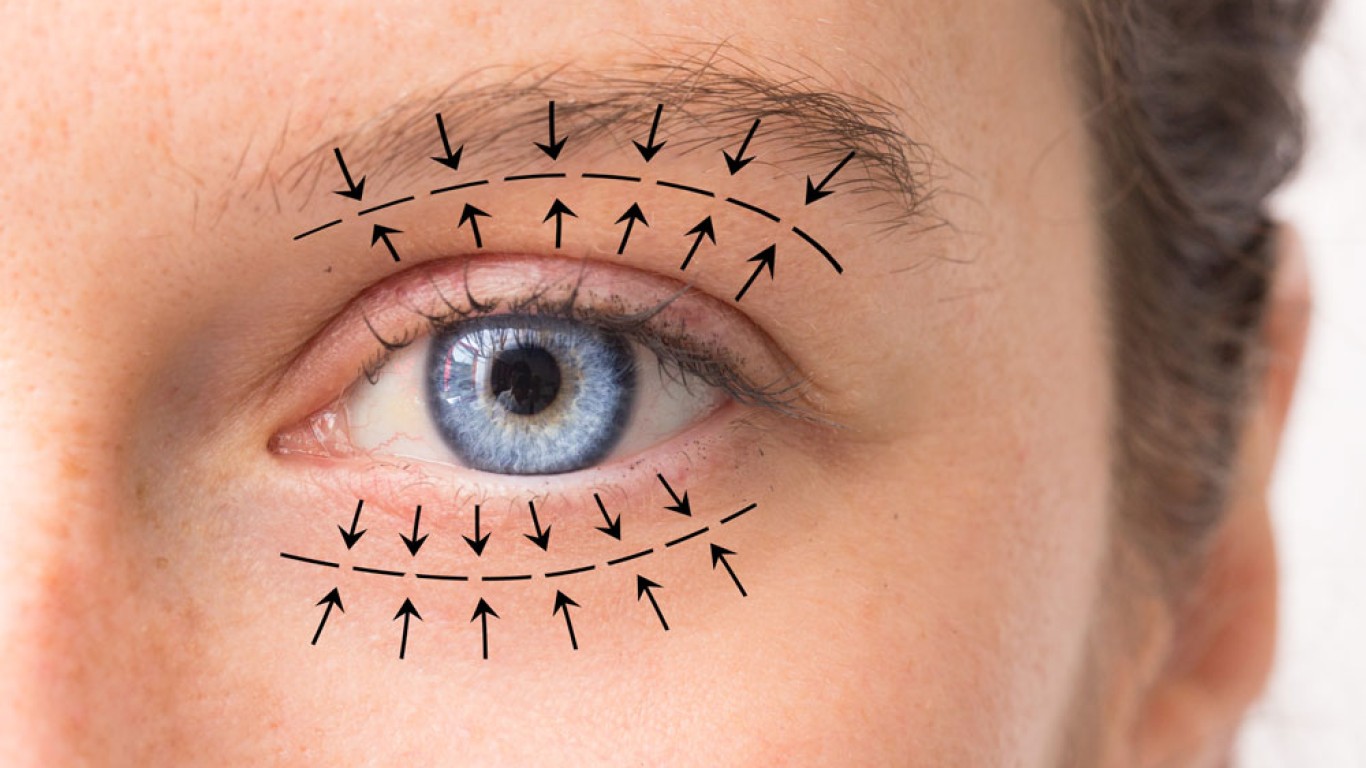
Traditional eyelid surgery uses precise surgical instruments to remove or reposition skin and fat. Incisions are placed within natural eyelid creases or inside the lower lid to remain discreet. Surgeons rely on tactile feedback and visual assessment throughout the procedure. This approach has been refined over decades and remains widely trusted. It forms the benchmark against which laser blepharoplasty vs traditional eyelid surgery is often evaluated.
How Laser Blepharoplasty Works
Laser blepharoplasty replaces the scalpel with focused light energy for certain surgical steps. The laser cuts tissue while sealing small blood vessels simultaneously. This may reduce bleeding during the operation. The goals of the procedure remain identical to conventional surgery. Understanding how laser blepharoplasty vs traditional eyelid surgery differs technically helps patients assess whether these differences matter to them personally.
Technical Differences Between the Two Methods
The most obvious difference lies in the surgical tool used. Traditional surgery relies on fine instruments, while laser techniques use controlled energy. Lasers can improve visibility by limiting bleeding, though both methods require equal anatomical precision. Outcomes depend far more on planning than technology. This is a key point often overlooked in discussions of laser blepharoplasty vs traditional eyelid surgery.
Precision and Surgeon Control
Eyelid surgery demands exceptional precision due to delicate surrounding structures. Some surgeons prefer the tactile feedback of traditional instruments. Others value the visual clarity offered by laser techniques. When performed correctly, both approaches allow excellent control. The surgeon’s expertise ultimately outweighs tool choice. A reality central to understanding laser blepharoplasty vs traditional eyelid surgery.
Bleeding and Early Swelling
Laser use may reduce bleeding during surgery because vessels are sealed immediately. This can lead to less early bruising for some patients. Traditional surgery may involve slightly more swelling initially, although careful technique minimises this. Healing responses vary widely between individuals. These early differences are part of the broader conversation around laser blepharoplasty vs traditional eyelid surgery. Yet they rarely influence final results.
Anaesthesia and Patient Comfort
Both techniques are commonly performed under local anaesthesia with sedation. The presence of a laser does not eliminate the need for numbing. Comfort levels depend more on anaesthetic technique and patient care than the surgical method itself. Recovery comfort is shaped largely by aftercare. Therefore, anaesthesia considerations remain similar when weighing laser blepharoplasty vs traditional eyelid surgery.
Recovery Timeline and Downtime
Recovery timelines are often comparable between methods. Some laser patients experience slightly faster reduction in bruising. Others notice little difference. Most patients resume normal routines within weeks regardless of approach. Swelling gradually resolves over time. Realistic recovery expectations are essential when comparing laser blepharoplasty vs traditional eyelid surgery.
Scarring and Incision Healing
Scarring is minimal with both techniques when incisions are well placed. Upper eyelid scars sit within natural creases. Lower eyelid incisions may be hidden internally. Laser technology does not eliminate scars but may support smoother early healing. Skin quality and care influence scar appearance more than method choice. An important nuance in laser blepharoplasty vs traditional eyelid surgery discussions.
Suitability Based on Eyelid Anatomy
Not all eyelid concerns suit both approaches equally. Some anatomical features require traditional access, while others benefit from laser precision. Skin thickness, elasticity, and fat distribution all matter. A personalised consultation determines suitability. This reinforces why professional assessment is essential when considering laser blepharoplasty vs traditional eyelid surgery.
Upper Eyelid Treatment Comparison
Both approaches effectively address upper eyelid drooping. Laser techniques may reduce bleeding in thinner skin. Traditional surgery provides excellent control for skin removal. Outcomes depend on surgical planning rather than the instrument used. Upper eyelid assessment often guides decisions within laser blepharoplasty and traditional eyelid surgery planning.
Lower Eyelid Treatment Considerations
Lower eyelid surgery requires careful attention to support and tone. Some surgeons prefer traditional techniques for complex cases. Others use lasers selectively. Both methods can deliver good outcomes when applied appropriately. Anatomy often dictates choice more than technology in laser blepharoplasty vs traditional eyelid surgery decisions.
Long Term Results and Ageing
Long term outcomes are similar for both methods when surgery is well planned. Eyelid surgery does not halt ageing. Skin and tissue continue to change naturally. Results typically last many years. Longevity depends on genetics and lifestyle rather than technique alone. This long view is essential when evaluating laser blepharoplasty vs traditional eyelid surgery.
Safety and Surgeon Experience
Safety is closely linked to surgeon training and experience. Laser procedures require specific expertise. Traditional surgery relies on refined manual skill. Both methods are safe when performed correctly. Choosing a qualified surgeon is more important than choosing a tool. A principle central to laser blepharoplasty vs traditional eyelid surgery comparisons.
Cost and Overall Value
Costs may differ depending on equipment and operating requirements. Laser systems can influence pricing structures. Traditional surgery involves different resource considerations. Value should be judged on outcomes, aftercare, and expertise. Financial planning is therefore part of the broader laser blepharoplasty vs traditional eyelid surgery discussion.
Psychological Satisfaction and Confidence
Patient satisfaction depends heavily on expectation management. Those seeking subtle improvement tend to report higher confidence long term. Emotional readiness supports positive experiences. Satisfaction rates are comparable across techniques. Psychological factors deserve equal attention alongside laser blepharoplasty and traditional eyelid surgery considerations.
Eyelid Surgery in Turkey
Turkey has become a popular destination for eyelid procedures due to experienced surgeons and modern facilities. Both techniques are widely offered. International patients value structured consultations and aftercare. Many research laser blepharoplasty vs traditional eyelid surgery when exploring treatment abroad.
Making an Informed Decision
Choosing between approaches requires personalised guidance. Anatomy, goals, and recovery preferences should shape decisions. No single technique suits everyone. Informed consultation leads to better outcomes. Understanding laser blepharoplasty and traditional eyelid surgery empowers confident choices.
How Consultation Style Shapes Surgical Outcomes
A detailed consultation often sets the tone for surgical satisfaction long before any procedure occurs. During this stage, surgeons assess anatomy, listen to concerns, and explain achievable improvements clearly. Patients benefit most when they feel comfortable asking detailed questions without feeling rushed. Clear visual explanations help align expectations between patient and surgeon from the beginning. Photographic analysis can reveal subtle asymmetries not always noticeable during casual observation.
Surgeons also evaluate facial movement, expression patterns, and skin behaviour during discussion. This broader assessment helps prevent overly aggressive correction that may age poorly. A calm, thorough consultation supports better planning and confidence moving forward. Patients who feel informed are more likely to follow aftercare instructions carefully. Trust built during consultation often improves emotional comfort throughout recovery. Good communication reduces anxiety and helps patients interpret normal healing changes accurately.
Surgeons may also discuss alternative approaches when surgery is not the best solution. This honesty often strengthens long term satisfaction and realistic outlooks. Consultation quality therefore influences outcomes just as much as technical skill. Choosing a clinic that prioritises dialogue supports better decision making overall. This process helps ensure results feel natural, balanced, and aligned with personal goals over time.
Conclusion
Laser blepharoplasty vs traditional eyelid surgery highlights differences in technique rather than ultimate goals. Both methods can achieve refreshed, natural looking eyes when planned carefully. Surgeon expertise and realistic expectations matter most. Clear understanding supports long term satisfaction. This careful approach allows patients to prioritise safety, balance, and long term confidence. While choosing a method that supports natural expression and gradual ageing rather than dramatic or trend driven change.
For more information and to book a consultation visit the ACIBADEM Beauty Center Webpage.
Frequently Asked Questions
No, suitability depends on individual anatomy and goals.
Some experience quicker early healing, though results vary.
Results last many years, although ageing continues.
Yes, upper and lower lids can be addressed.
A qualified surgeon should guide the decision.