Ataşehir Mah. Feza Sk. No:3 İstanbul / Türkiye
 French
  English
  German
  Spanish
Introduction
The upper face plays a significant role in overall facial expression and balance. Changes in the brow area can strongly influence how alert or tired someone appears. Over time, the brows may sit lower due to ageing, genetics, or facial structure. As a result, the face can appear heavier or less open. Many people therefore explore procedures that restore a more lifted, refreshed look. Brow lift surgery is one such option, offering structural improvement rather than surface-level change.
Why Ageing Affects the Brow Area
The brow area is supported by skin, muscle and underlying tissue. As collagen and elastin production slows, these structures gradually lose firmness - consequently, the brows may descend over time. This shift can affect the appearance of the eyes and forehead together. Therefore, ageing in this region often impacts the entire upper face. In addition, repeated facial expressions influence brow position. Muscle activity over decades can change how the brows rest naturally. Genetics also determine brow shape and support, meaning that some people notice changes earlier than others. Understanding these factors helps explain why upper face rejuvenation becomes a priority.
What Brow Lift Surgery Involves
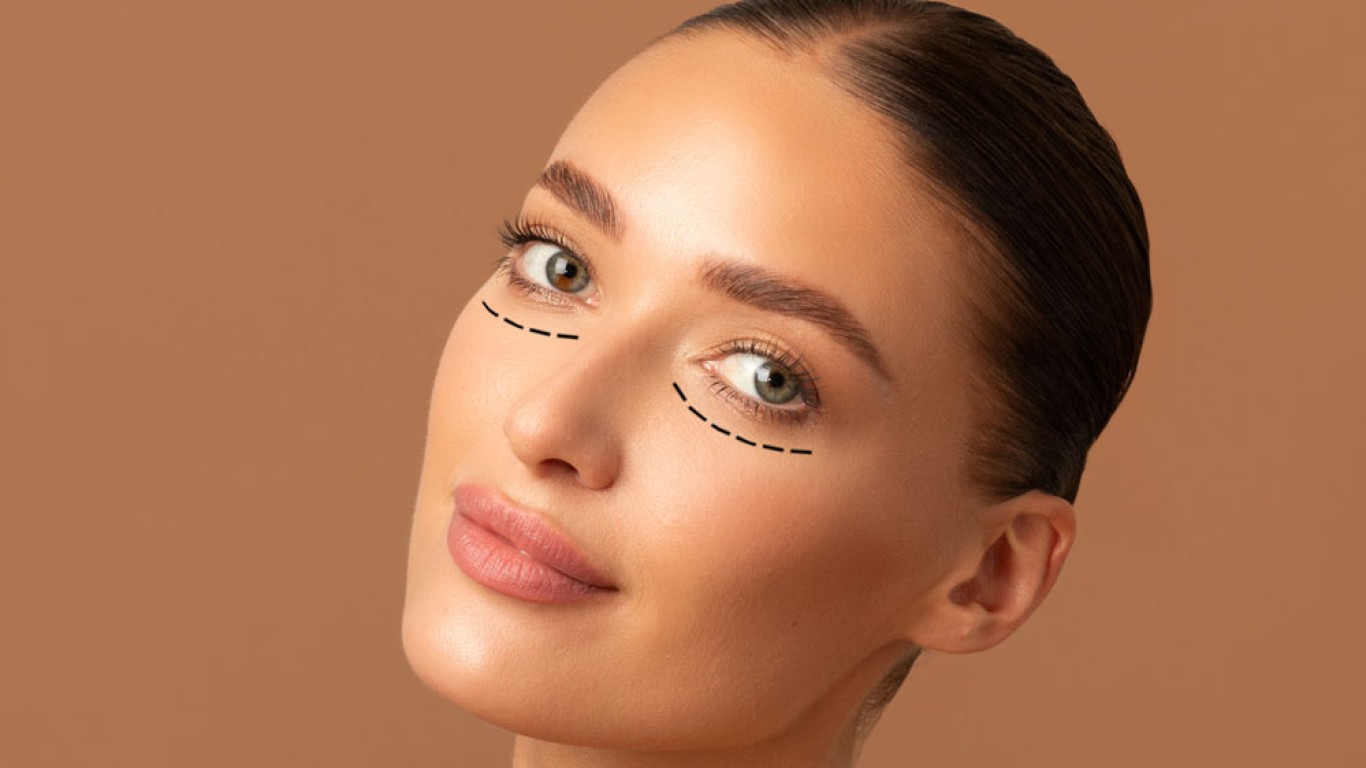
Brow lift surgery focuses on repositioning the brows to a more youthful level. The procedure aims to restore balance between the brows, eyes and forehead. Several techniques exist, depending on anatomy and goals - surgeons select an approach that suits facial proportions. The objective is a refreshed appearance rather than dramatic alteration. During brow lift surgery, underlying tissues are adjusted to support the new brow position. This structural focus allows long-lasting results. Incisions are placed carefully to remain discreet and precision is essential to maintain natural expression. As a result, planning plays a central role in success.
Brow Lift Surgery Techniques and Approaches
Different techniques are used to achieve brow elevation. Endoscopic methods involve small incisions and specialised instruments, and suits patients seeking subtle lifting. Other methods address more significant brow descent, but technique choice ultimately depends on individual anatomy. Regardless of method, brow lift surgery aims for harmony. Surgeons consider forehead height, brow shape and eye position. The goal is balance rather than uniform lifting so treatment is tailored rather than standardised. This personalised approach supports natural-looking outcomes.
How Brow Lift Surgery Enhances the Upper Face
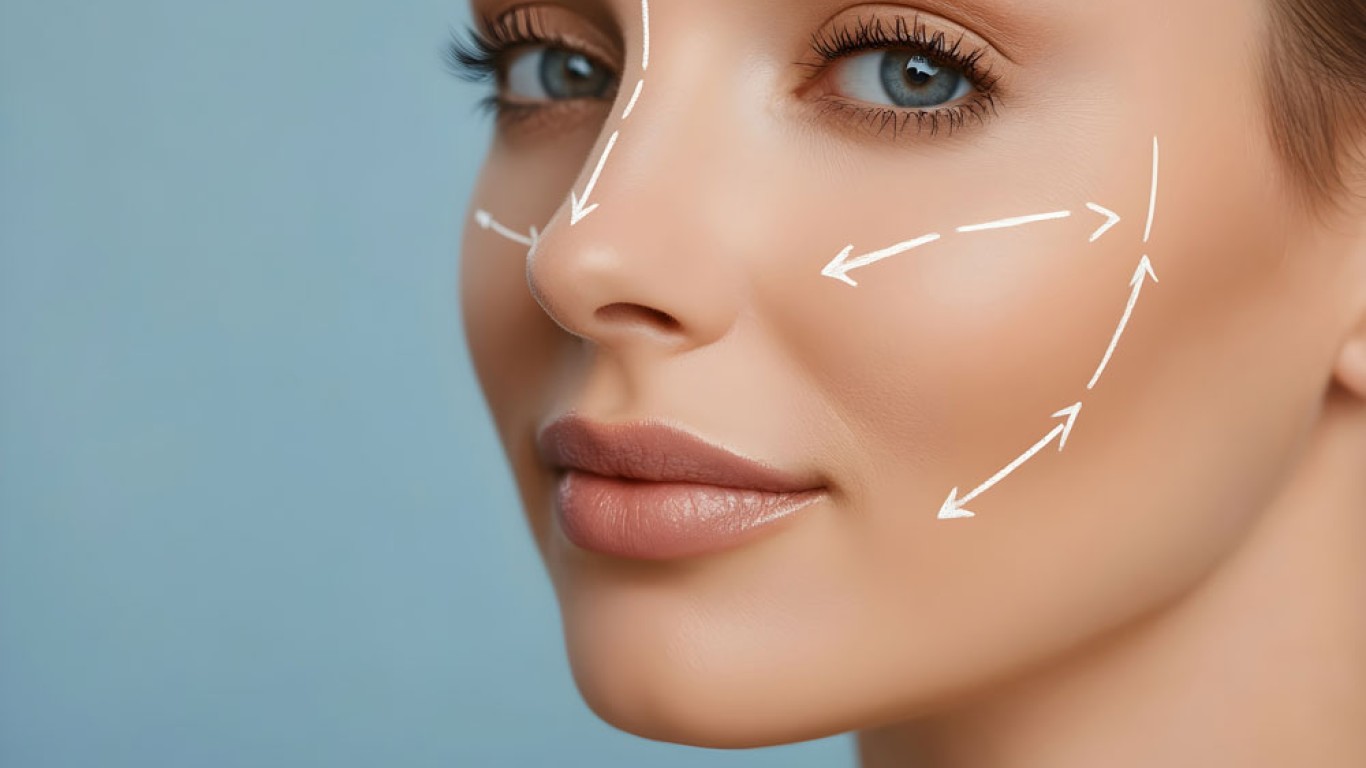
Brow lift surgery can open the upper face by elevating heavy brows, creating a more rested and approachable appearance. The eyes may appear more visible as a result. Forehead lines can also appear smoother indirectly. These changes contribute to overall facial harmony. Importantly, brow lift surgery focuses on underlying structure rather than surface treatment. By addressing underlying support, results tend to be more durable. The upper face often appears lighter and more balanced with changes developing as healing progresses. Subtle enhancement remains the priority.
Brow Lift Surgery and Forehead Appearance
The forehead and brows are closely connected aesthetically. When brows descend, forehead skin may appear heavier. Lifting the brows can therefore improve forehead contour. This creates a smoother transition across the upper face. The effect is often understated but noticeable. The surgery doesn’t aim to erase all forehead movement. Instead, it repositions tissues to a more youthful alignment. Natural expression remains important and surgeons plan carefully to preserve character. This balance supports refined results.
Longevity of Brow Lift Surgery Results
Longevity is understandably a key consideration for many patients. Surgery offers results that can last many years. While ageing continues, the repositioned brows tend to remain higher, providing lasting improvement. Many patients value reduced need for ongoing treatments. Because the surgery addresses the underlying structure, results age gradually. The upper face often maintains balance over time. Lifestyle and genetics influence long-term appearance. However, durability remains a defining feature. This makes the procedure appealing for long-term rejuvenation.
How Brow Position Influences Eye Appearance
The position of the brows has a direct impact on how open the eyes appear. When brows sit lower, they can create heaviness across the upper eyelids. This may make the eyes look smaller or more tired. Lifting the brows often restores balance between the eyes and forehead. As a result, the upper face can appear brighter and more refreshed. Brow lift surgery addresses this relationship by repositioning the brows upward, subtly improving the visibility of the upper eyelids. The eyes often appear more defined as a result. Importantly, the goal is enhancement rather than exaggeration. Balanced brow placement supports natural facial expression.
How Brow Shape Affects Overall Facial Balance
Brow shape plays an important role in overall facial balance and proportion. The angle, height, and curve of the brows influence how the forehead and eyes interact visually. When brows sit too low or unevenly, the upper face can appear heavy. In contrast, a well-positioned brow supports symmetry across the face. Small positional changes can therefore create noticeable refinement.
Surgery considers these proportions carefully during planning. Surgeons assess brow shape in relation to the eyes, nose and forehead. The aim is not uniform elevation but balanced placement. This approach helps preserve individual character. Facial harmony improves when brow position complements surrounding features naturally.
Differences Between Brow Lift Surgery and Non-Surgical Options
Non-surgical treatments may offer temporary brow elevation for some patients. These approaches typically rely on muscle relaxation or skin tightening and results are usually subtle and require regular maintenance. For individuals seeking flexibility, non-surgical options may feel appealing initially. However, they don’t reposition underlying structures. Brow lift surgery differs because it focuses on structural correction. By adjusting deeper tissues, the brow position is physically elevated, creating a more durable change compared to surface treatments. As a result, maintenance requirements are reduced. The difference lies in permanence rather than immediacy.
Combining Brow Lift Surgery with Other Facial Procedures
Brow lift surgery is sometimes combined with other upper face treatments. For example, eyelid procedures are commonly considered alongside brow elevation. This combination can improve overall harmony across the upper face. Planning considers how each area interacts visually because the aim is cohesive rather than isolated improvement.
When combined thoughtfully, the surgery can enhance the results of related procedures. Forehead contours, eye openness and brow shape can align more naturally. Surgeons assess facial proportions carefully during planning. Combination approaches depend on individual goals. Personalised strategies support refined outcomes.
What Should I Expect During the Adjustment Period?
After surgery, changes develop gradually as tissues settle. Initial positioning may feel unfamiliar at first but over time the brows soften into their new position. Facial expressions adjust naturally as healing progresses. This period allows the face to adapt smoothly. Patients often notice subtle refinement rather than dramatic change. The upper face may appear lighter and more balanced. These improvements continue as swelling reduces so understanding this adjustment process helps set realistic expectations. Gradual change supports natural looking results.
Suitability for Brow Lift Surgery
Not everyone requires surgical brow elevation - suitability depends on brow position, skin quality, and facial proportions. Some individuals have naturally low brows while others experience age-related descent. Assessment helps determine whether surgery is appropriate. During consultation, surgeons evaluate the entire upper face: eye shape, forehead height and muscle activity are considered. This ensures recommendations suit individual needs. Brow lift surgery is most effective when matched carefully to anatomy. Personalised evaluation supports optimal outcomes.
Choosing Brow Lift Surgery for Upper Face Rejuvenation
Choosing brow lift surgery often reflects a desire for structural improvement. Those seeking lasting change may prefer surgical options while non-surgical treatments may suit temporary goals. However, surgery offers durability and balance. Brow lift surgery works well alone or alongside other procedures. Treatment planning considers overall facial harmony and consultation clarifies expectations clearly.
Brow Lift Surgery in Turkey
Turkey has become a popular destination for facial aesthetic procedures. Clinics in Istanbul offer experienced specialists and advanced facilities while also focusing on personalised care. Patients benefit from coordinated pathways and expertise and Turkey’s reputation for quality continues to attract global interest.
Conclusion
Brow lift surgery offers an effective solution for upper face rejuvenation. By addressing brow position, the procedure enhances balance and expression. Results tend to be long-lasting and natural when planned carefully. Surgery suits those seeking structural improvement rather than short-term change.
To find out more about the benefits of brow lift surgery, and to speak to an expert, visit the ACIBADEM Beauty Center website.
Frequently Asked Questions
It elevates the brows and refreshes the upper face.
Results can last many years as the brows age gradually.
Suitability depends on brow position and facial structure.
Yes, when tailored carefully to individual anatomy.
Turkey offers experienced surgeons and advanced care at Acibadem.